

Champagne
The sparkling wine that may only be called this if it comes from the Champagne region. What is in the bottle, what brut and demi-sec mean, and which glass best showcases the aromas.


The best-known champagne houses
Five houses found on almost every shelf, from the region's oldest house to the world's best-selling bottle.
Moët & Chandon
In Épernay since 1743 and the world's best-selling champagne. Brut Impérial is its flagship.
About Moët & Chandon →Veuve Clicquot
The house of the yellow label, founded in 1772 and made famous under the widow Barbe Clicquot Ponsardin.
About Veuve Clicquot →Dom Pérignon
Only vintage champagne, and only in exceptional years. Named after the monk who shaped the method.
About Dom Pérignon →
Ruinart
The world's oldest champagne house, founded on September 1, 1729, with chardonnay as its golden thread.
About Ruinart →
Taittinger
One of the region's largest landowners, with 288 hectares of its own vineyards and a light, elegant style.
About Taittinger →Our drinks page lists all the brands we cover, from liqueur to whisky.
Every champagne lined up by brand
5 brands and 19 flavors, each with its own page about taste, cocktails, and the right glass.


A protected name, and a second fermentation in the bottle
Champagne may only be called champagne if it is made in the region of the same name. The region lies approximately 150 kilometers east of Paris, around Reims, Épernay and Aÿ, and covers about 34,000 hectares of vineyards divided into five official regions: Montagne de Reims, Vallée de la Marne, Côte des Blancs, Côte de Sézanne and the Aube. The cool climate and limestone-rich soil give the grapes the fresh acidity that champagne relies on.
The bottle almost always contains a blend of three grapes: chardonnay, pinot noir and pinot meunier. The pressed juice is first made into a still base wine, which the cellar blends into a single flavor profile. The wine then goes into the bottle with yeast and sugar for a second fermentation, which creates the carbonation. The bottles age for at least fifteen months in the cellars, after which the yeast is removed through the frozen neck of the bottle and the final amount is topped up with liqueur de dosage: champagne with a little cane sugar. The amount of sugar it contains determines whether brut or demi-sec appears on the label.
In brief
Five styles, from bone-dry to dessert-sweet
The word on the label indicates how much sugar is added after disgorgement. Brut is the standard, but there is a whole range below and above it.
Brut
By far the best-selling style and the standard in almost every household. Dry, but with just enough sugar to round out the acidity.
Blanc de blancs
Blanc de blancs: made only from the white chardonnay grape. Tighter, fresher and more mineral than a regular brut.

Rosé
Gets its color from adding still red wine to the blend. Fuller, with clearly defined red fruit on the nose.

Vintage
A vintage champagne made only from grapes from that year, so it is different every year. Aged longer and by definition a brut.

Demi-sec
The sweet end of the scale, with plenty of sugar in the dosage. Intended for dessert, not as an aperitif.
Extra brut contains 3 to 6 grams of sugar, extra dry 12 to 17, and dry 17 to 32. Brut nature receives no dosage at all.
Fresh, with fine bubbles and bread on the nose
Citrus & brioche
Yellow and white fruit, citrus, and white flowers, underpinned by the bread and brioche notes that come from aging on the lees. The longer the bottle has aged, the more pronounced those notes become.
Dry and lively
Fresh acidity, fine bubbles, and barely perceptible sweetness in a brut. A more mature or expensive bottle feels fuller and creamier without becoming heavy.
Mineral and long
A dry, slightly saline finish with almond or hazelnut. That mineral edge is where the region's chalky soil makes itself heard.
Flavor profile of an average brut. A demi-sec scores considerably higher on sweetness; a blanc de blancs somewhat higher on freshness.
How to pour champagne
Champagne should be chilled but not ice-cold, and you should handle the bottle more gently than you see in films.
Chill to 8 to 10 degrees
At least four hours in the refrigerator, or half an hour in a cooler with ice and water. If you're in a hurry, add a few tablespoons of salt to the ice water: then ten minutes is enough. Serving it ice-cold flattens the aromas.
Glass: flute or tulip →Opening and pouring
Hold the bottle at an angle, twist the bottle rather than the cork, and let it come loose with a sigh instead of a bang. Pour slowly down the side of a tilted glass and fill it to about two-thirds. A 75 cl bottle yields about five glasses.
More about serving →In a cocktail
Kir Royal, Mimosa, and French 75 all rely on a dry sparkling wine. Don't use an expensive bottle for this: a simple brut works just as well in a cocktail, because the liqueur or juice sets the tone anyway.
Go to the cocktails →Champagne cocktails
Almost every champagne cocktail works the same way: something sweet or sour at the bottom, then gently top up with a dry sparkling wine.

Kir Royal
Crème de cassis in the glass, then top up with champagne. Two ingredients, nothing more.
Mimosa
Half orange juice, half bubbles, with a splash of Cointreau on top.
French 75
Gin, lemon juice, and syrup shaken, then topped up with champagne.
Champagne Cocktail
A sugar cube with bitters at the bottom of the glass, then slowly top up.The right glass for champagne
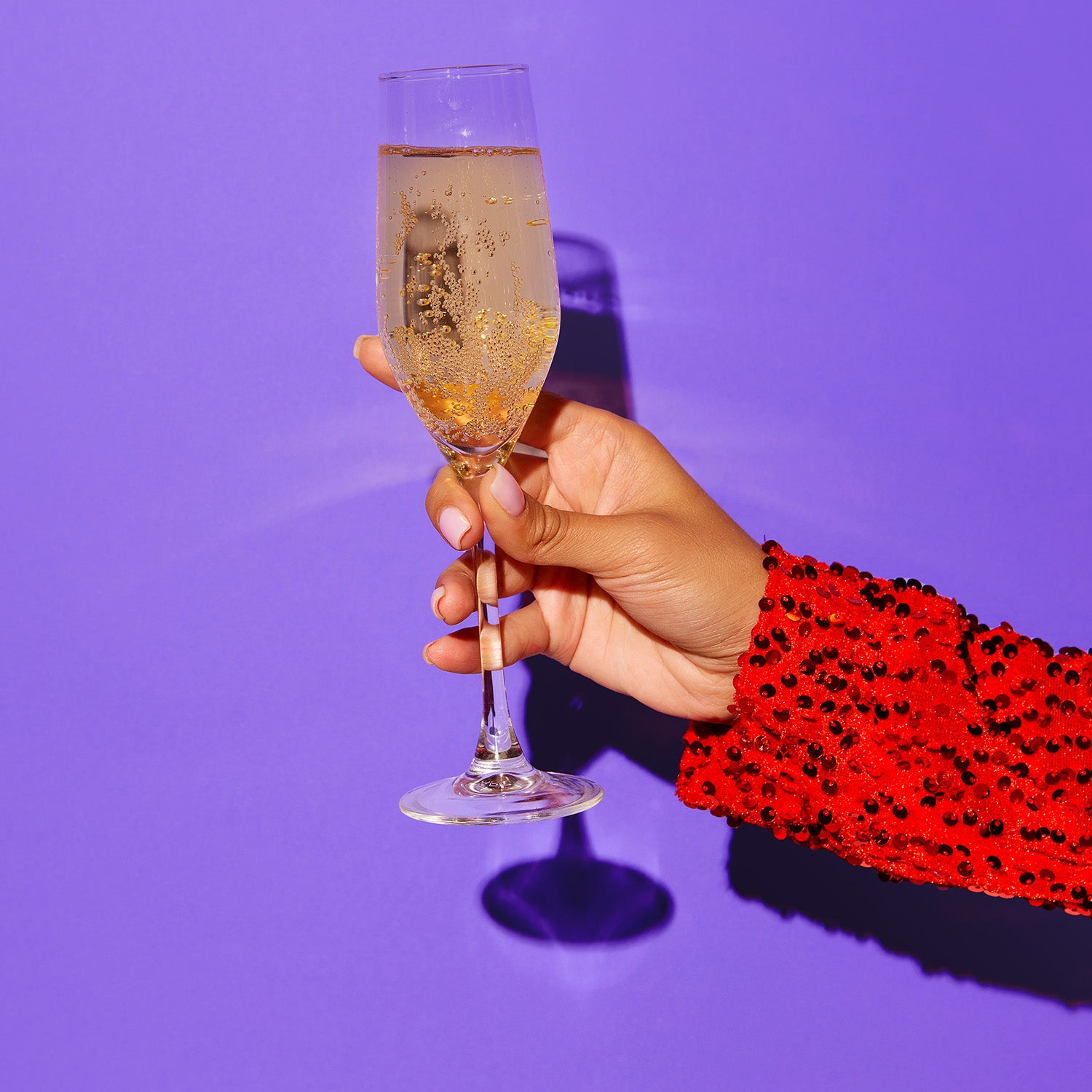
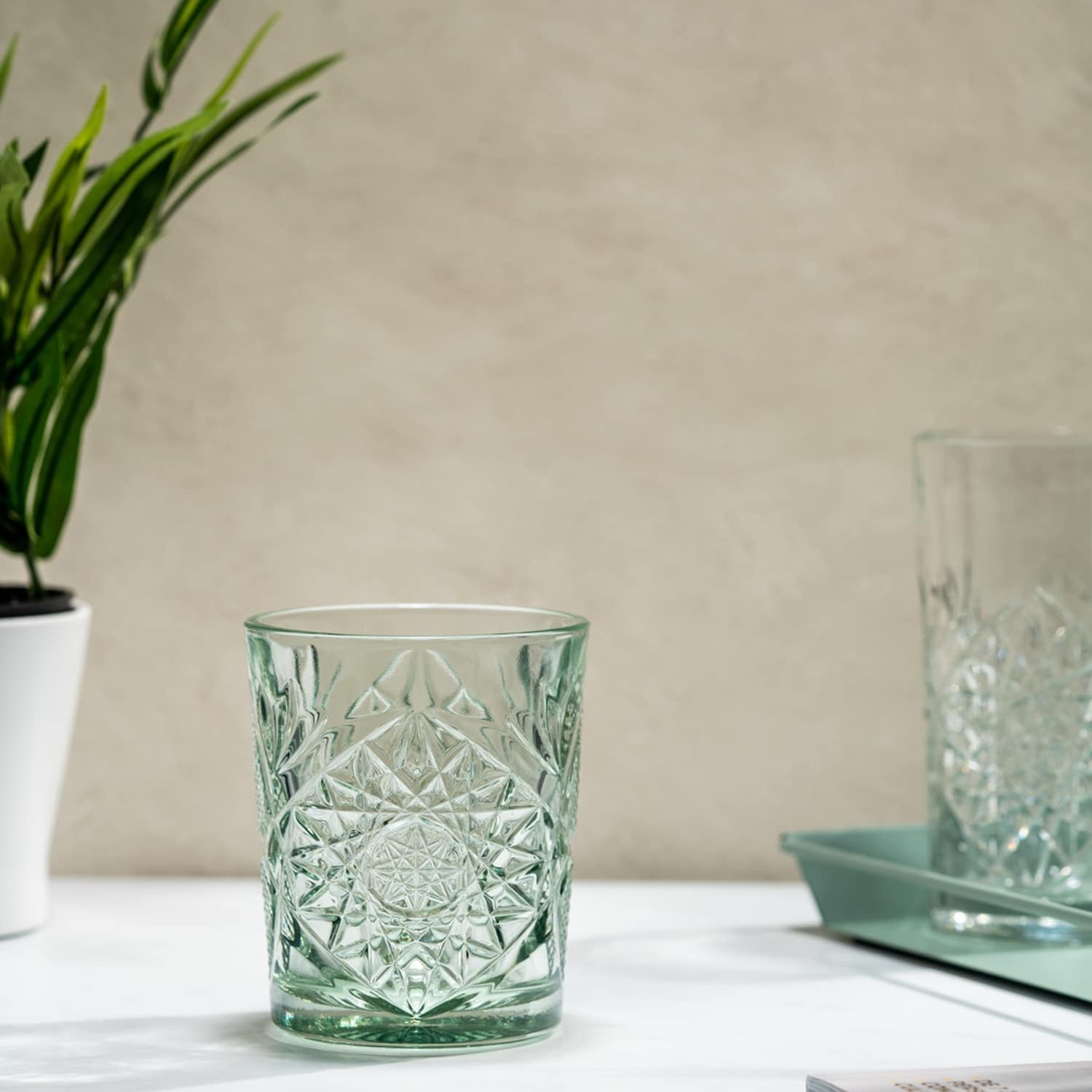
The flute shows off the bubbles beautifully, the tulip glass gives the aromas more room and the coupe is mainly for looks. These are the glasses we recommend ourselves.


Everything you still wanted to know about champagne
Can't find your question here? Check out our cocktail recipes or get in touch.
To the cocktail recipes →