


Tequila
In the Netherlands, tequila was long the drink of the shot glass, and that does the spirit a disservice. What exactly it is, what types there are, how it tastes and how to drink it properly.


The best-known tequila brands
Four brands that almost all come from Jalisco, each with a different reason to stand out.
Don Julio
From Atotonilco el Alto since 1942, with agaves planted farther apart and allowed to grow longer. From the fresh Blanco to the 1942 in the tall bottle.
About Don Julio →Patrón
Agaves that are slowly cooked in brick ovens and partly crushed with a volcanic stone wheel. Each bottle is finished and sealed by hand.
About Patrón →Casamigos
It started as George Clooney and Rande Gerber's house tequila, deliberately made smooth and sweet for drinking neat. There is also a mezcal from Oaxaca.
About Casamigos →
Clase Azul
The Reposado in the blue-and-white decanter, shaped and painted by hand. Aged for eight months in ex-whisky barrels, making it remarkably smooth.
About Clase Azul →Every tequila in a row, by brand
4 brands and 9 varieties, each with its own page about flavor, cocktails and the right glass.


One plant, five states and strict regulations
Tequila is a distilled drink made from blue agave, a succulent that grows for seven to ten years before it is mature enough to harvest. Only blue Weber agave counts, and only from a defined area: the state of Jalisco plus designated municipalities in Guanajuato, Michoacán, Nayarit and Tamaulipas. Anything made outside that area may not bear the name. Only the heart of the plant, the piña, is used: it is cooked or steamed until the fibers become sweet, then pressed, fermented and distilled twice.
The label states whether it is 100% agave. Only then do all the sugars come from the agave itself. If that statement is absent, you have a mixto: in this category, up to 49 percent of the sugars may come from elsewhere, usually cane sugar. That makes a difference in the taste and often in how you feel the next morning, so those four words on the label are the first thing to look for.
Under Mexican regulations, tequila can contain between 35 and 55 percent alcohol. What you find on the shelf is almost always bottled at 38 or 40 percent. Beyond that, the difference comes down to aging: the longer tequila spends in oak barrels, the darker, sweeter and rounder it becomes.
In brief
From crystal clear to years in oak
The categories tell you exactly one thing: how long the tequila has been aged in a barrel. That time determines the color, smoothness and what you use the bottle for.

Blanco
Crystal clear and bottled almost immediately after distillation. Here you taste the agave itself: vegetal, sweet and with a peppery edge. The most honest category, because the wood hides nothing.

Reposado
Literally 'rested': at least two months and no more than a year in oak, usually American oak. Straw-colored, with vanilla and caramel layered over the agave without overpowering it.

Añejo
Aged for one to three years in small oak barrels. Amber-colored, rounded and warm, with caramel, chocolate and dried fruit. If it spends more than three years in the barrel, it is called extra añejo.

Mezcal
Mezcal is the umbrella term for distilled agave spirits and can be made from dozens of agave varieties, usually espadín from Oaxaca. The hearts cook in a pit in the ground over wood, which gives mezcal its instantly recognizable smoke.
A cristalino is an aged tequila that has subsequently been filtered clear, while a joven is a blanco with a splash of aged tequila mixed in.
Cooked agave, citrus and a peppery tail
Cooked agave & citrus
Sweet and vegetal at the same time, most comparable to stewed sweet potato, with lime zest over it. In an aged tequila, vanilla and caramel from the barrel join in.
Sweet, earthy and peppery
The agave provides natural sweetness with an earthy undertone, while a sharp peppery accent cuts through in a blanco. A reposado or añejo is noticeably rounder here.
Warm and clean
Short and warm in a blanco, with pepper and citrus that quickly fade. The longer the aging, the longer the finish lingers with wood, vanilla and cocoa.
Flavor profile of a 100% agave blanco. A reposado moves toward sweet 3, an añejo toward sweet 4 and spicy 2. A mezcal adds a pronounced smoky note on top of that.
Three ways to drink tequila
A good 100% agave tequila deserves neither a salted rim nor being knocked back. Give it the glass and the time you would also give a whisky.
Neat, at room temperature
Pour 3 to 4 cl into a small tulip-shaped tasting glass and let it sit for a minute. No salt, no lime and no ice: those three were once devised to mask a harsh mixto, and they conceal exactly what you want to taste in a good bottle.
View tasting glasses →In a Margarita
Shake 5 cl blanco tequila, 2 cl triple sec and 2 cl fresh lime juice briefly and vigorously with plenty of ice, then strain into a chilled glass. Salt belongs here, but only on half the rim, so you can choose whether to drink through it.
Margarita recipe →In a Paloma
Pour 5 cl tequila over a glass full of ice, top up with grapefruit soda or fresh grapefruit juice and sparkling water, and finish with a pinch of salt and a lime wedge. The most widely drunk tequila cocktail in Mexico itself, and much fresher than it sounds.
Paloma recipe →The best-known tequila cocktails
Tequila pairs exceptionally well with citrus, and that is exactly what the classics are built around.

Margarita
Tequila, triple sec and lime. The cocktail that made tequila popular beyond Mexico.
Paloma
Tequila with grapefruit, fizz and salt. More popular in Mexico than the Margarita.
Tequila Sunrise
Orange juice and grenadine that colors the drink from the bottom up. Sweet and sunny.
Spicy Margarita
The same base, shaken with fresh chili pepper. Spicy and addictive.The right glass for tequila
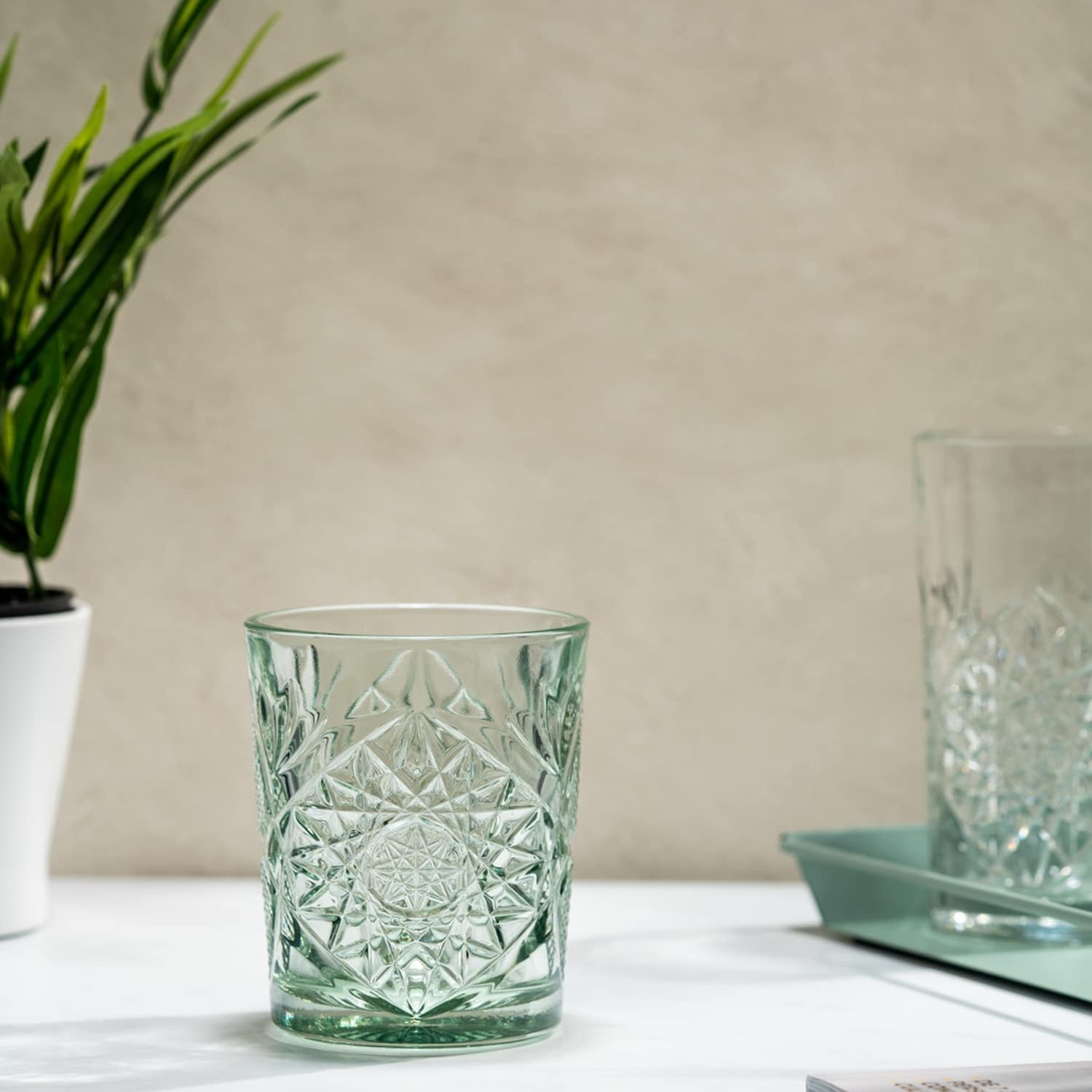
For drinking tequila neat, you want a small glass that concentrates the agave; for a Margarita, a spacious glass with room for a salt rim. These are the glasses we recommend ourselves.


Everything you still wanted to know about tequila
Can't find your question here? Check out our cocktail recipes or get in touch.
To the cocktail recipes →