


Aperitif
From the orange spritz on the terrace to vermouth neat over ice: an aperitif is low in alcohol and bitter or spicy in flavor, and it is intended to whet the appetite. What exactly it is, what families there are, how to drink it, and which glass goes with it.


The best-known aperitif brands
Two bitters and two wines, and with those four bottles you can make pretty much every classic aperitif cocktail.
Aperol
The orange aperitif from Padua, since 1919, with orange, rhubarb, and gentian. At 11%, the lightest of the bunch and made for the spritz.
About Aperol →Campari
The bright red bitter from Milan with a secret recipe dating back to 1860. Intensely bitter and robust, making it the star of the Negroni and the Americano.
About Campari →Martini
The vermouth from Turin, since 1863, available in Rosso, Bianco, Extra Dry, and Fiero. Wine with wormwood and herbs, and once opened, a bottle for the refrigerator.
About Martini →
Lillet
French aperitif wine from Podensac in Bordeaux with citrus liqueur and quinine. Fresh and honey-sweet, known from the spritz with tonic and the Vesper.
About Lillet →Every aperitif listed by brand
5 brands and 7 flavors, each with its own page about flavor, cocktails, and the right glass.


A light, bitter drink that whets the appetite
An aperitif is not a legal category but a role: it is the drink served before a meal. Certain characteristics come with that role. An aperitif is low in alcohol, usually between 11 and 25%, and it is bitter, spicy, or both. That bitterness does the work: bitter flavors stimulate the salivary glands and make you hungry, while a sweet or heavy drink tends to suppress your appetite. Hence the classics come from Italy and France, where aperitif hour is a regular part of the day.
On the shelf, they fall into two families. The first is bitter aperitif: a liqueur of herbs, roots and peels, of which Aperol at 11% and Campari at 25% are the best known. The second is vermouth, and that is something quite different. Vermouth is flavoured wine: wine to which alcohol, herbs and wormwood have been added, and the wormwood is essential. Martini from Turin and Noilly Prat from Marseillan are the best-known names, with ABVs between 14.5 and 18%. Lillet sits close by as an aperitif wine based on Bordeaux with citrus liqueur and quinine.
That difference determines how you store the bottle. A bitter aperitif is distilled with sugar and will keep perfectly well in the cupboard for years. Vermouth and aperitif wine are wine, and wine oxidises as soon as the bottle is opened. An opened bottle of vermouth should therefore go in the fridge, where it will still taste good for another month or two; if it remains at room temperature, its freshness will fade within a few weeks, and you will immediately taste in your Dry Martini or Americano that the bottle has been open too long.
In brief
Six bottles that carry aperitif hour
The distinction that matters is between a bitter liqueur and a wine. The former is sweet and intensely bitter; the latter is lighter, more herbal and much less shelf-stable.
Bitter aperitif, light
A bittersweet liqueur of orange, rhubarb and gentian, bottled at a low ABV. Sweeter than it looks and made to be mixed with prosecco and sparkling water.
Bitter aperitif, strong
The same family, but intensely bitter and with almost twice as much alcohol. Herbs, roots and bitter orange peel, with a sweet core underneath that holds it all together.
Red vermouth
Flavoured wine with wormwood, herbs and caramel. Sweet, warm and spicy, and the regular partner of gin or whiskey in a Negroni, an Americano or a Manhattan.

White vermouth
White and sweet, with vanilla and flowers instead of caramel. The most popular vermouth in the Netherlands, and almost always drunk with tonic and plenty of ice.

Dry vermouth
The dry, salty counterpart from southern France, with chamomile and nuts. A surprise served neat over ice, but best known as the small half of a Dry Martini.
Aperitif wine
Not a vermouth, because it contains no wormwood: Lillet is Bordeaux wine with citrus liqueurs and quinine. Fruitier and more floral, with a soft bitterness on the finish.
A herbal bitter, a dry sherry or a glass of prosecco also work perfectly well as an aperitif.
Bitterness up front, with herbs and orange
Orange peel & herbs
Almost always citrus peel, with herbs, roots and a slightly medicinal edge. With vermouth, wine, vanilla and dried flowers are added.
Sweet start, bitter middle
First sweet, then the bitterness of gentian, wormwood or quinine. The alcohol content is low, so the drink remains light and stimulating rather than warm.
Dry and short
A dry, short finish that cleanses the palate and makes you long for the next sip. Exactly what an aperitif should do just before a meal.
Average profile for the category. Campari scores 5 for bitterness and 3 for strength; a white vermouth scores around 4 for sweetness and around 1 for bitterness.
Three ways to drink an aperitif
An aperitif is drunk cold, early in the evening and in small measures. The glass may be large, but the serving is not: it is about whetting the appetite, not the alcohol.
As a spritz
The recipe on the bottle: 3 parts prosecco, 2 parts aperitif and 1 splash of sparkling water. Fill a large wine glass completely with ice, pour in that order and garnish with a slice of orange. With Campari instead of Aperol, the same spritz becomes much more bitter.
Spritz recipe →As an Americano or Negroni
For an Americano, pour 3 cl bitter aperitif and 3 cl sweet vermouth into an ice-filled highball glass, top with sparkling water and add a strip of orange peel. Add gin instead of sparkling water and you have a Negroni: equal parts, stirred over one large ice cube.
Americano recipe →Vermouth neat over ice
5 cl chilled vermouth over two large ice cubes in a tumbler, with a slice of orange. This is how they drink it in Turin, and it is only this way that you truly taste the herbs and wormwood. With dry vermouth, a strip of lemon peel works better.
The right glass →Classic aperitif cocktails
Four recipes that all rely on the same two bottles: a bitter aperitif and a vermouth. Change the spirit and you have another classic.

Aperol Spritz
Prosecco, Aperol and a splash of sparkling water over lots of ice.
Negroni
Equal parts gin, Campari and sweet vermouth. Three ingredients, no doubt.
Americano
Campari, sweet vermouth and sparkling water. The lightest of the family.
Negroni Sbagliato
A Negroni in which prosecco accidentally ended up instead of gin.The right glass for an aperitif
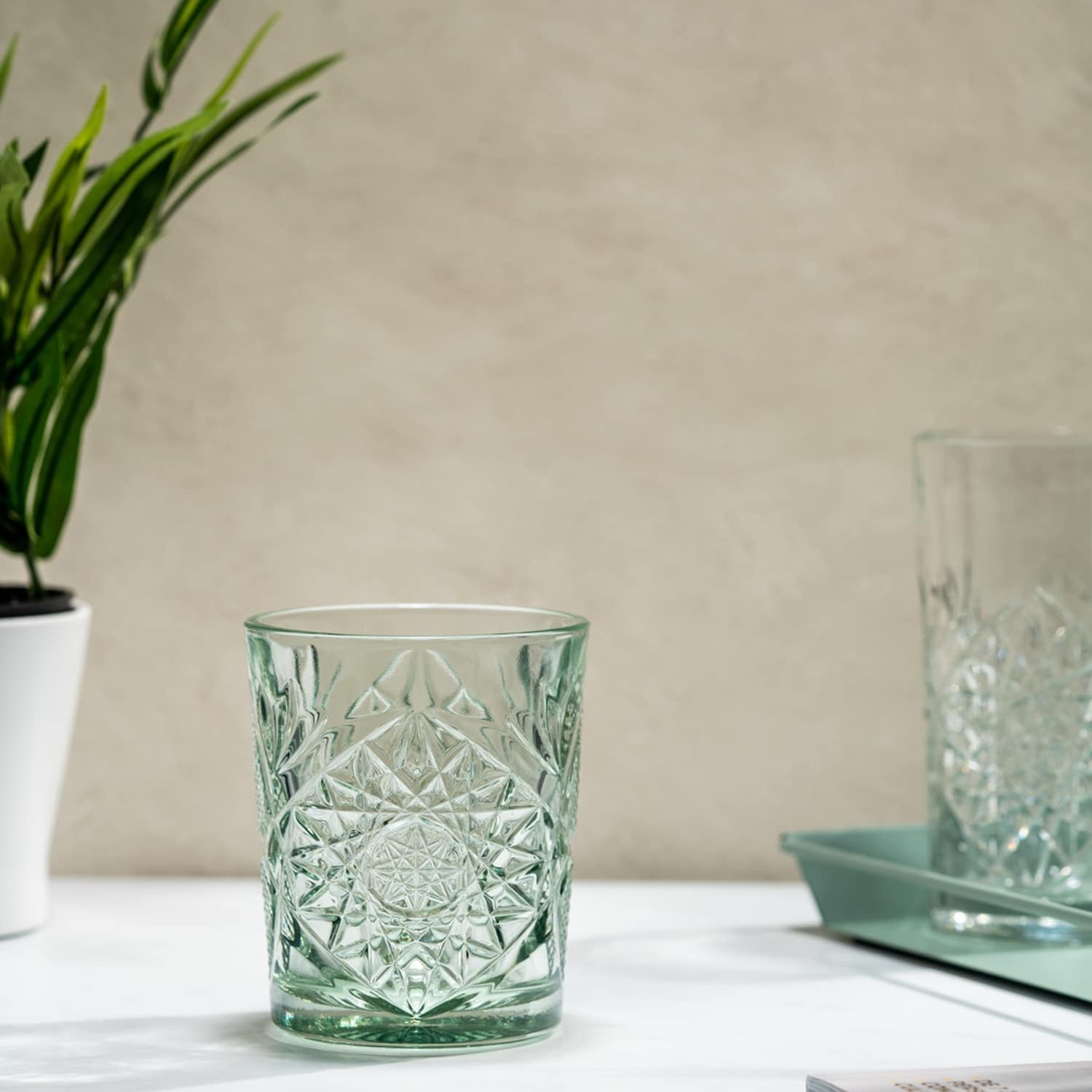
A spritz needs a large glass that can hold a mountain of ice, while a Negroni calls for a heavy tumbler with one large cube. These are the glasses we recommend ourselves.


Everything you still wanted to know about aperitifs
Is your question not listed? Browse our cocktail recipes or get in touch.
To the cocktail recipes →