

Wine
Wine is fermented grape juice, and the color comes not from the juice but from the skin. Here you can read what is in the bottle, why white, rosé and red can come from the same grape, and which glass goes with it.


Wine by type
Do you already know which direction you want to take? Each type has its own page, with the grapes, flavor, temperature and glassware that go with it.
White wine
From crisp, fresh sauvignon blanc to a full-bodied chardonnay aged in oak.
To white wine →Red wine
The grapes, from merlot to cabernet sauvignon, what ageing in oak does to them, and the temperature at which to serve it.
Go to red wine →Rosé
Wine made from blue grapes whose skins macerate only briefly, served chilled at 8 to 10 degrees.
Go to rosé →
Champagne
The bubbly that may only be called that if it comes from the Champagne region, with brut and demi-sec explained.
Go to champagne →
Prosecco
What prosecco is, how dry or sweet it can be, and which glass brings out its best.
Go to prosecco →
Cider
Made from apples instead of grapes, and therefore with its own page and glassware.
Go to cider →Our drinks page lists every type and brand we cover, from wine to whisky.
The color is in the skin, not the juice
The juice that comes from a grape is always colorless, including from blue grapes. A wine’s color comes from the skin, so the difference between white, rosé and red lies not in the grape but in how long those skins remain in the must. For red wine, the skins macerate for 24 hours, for rosé for 8 to 14 hours, and for white wine they usually remain outside. The longer that contact lasts, the darker the wine becomes. Rosé is therefore simply wine made from blue grapes, not a blend of white and red; that practice is even prohibited in the EU, with rosé champagne as the only exception.
The process begins with the harvest. Those who pick by hand can immediately leave unripe and poor-quality bunches behind, an advantage a machine does not have. The grapes are then crushed and usually destemmed, releasing the flavor compounds found in and beneath the skin. The must slowly ferments, converting the sugars into alcohol. Wines with high malic acid, such as a full-bodied chardonnay, then undergo a second fermentation in which the malic acid changes into softer lactic acid; after filtering, some of the wine is further aged in oak barrels. Not every wine is suited to this: chardonnay becomes rich and warm, with vanilla, butter and even caramel, while the same grape from a stainless-steel tank remains fresh and crisp.
In brief
Five bottles showcasing the range on the shelf
From a dry white to a sweet sparkling wine and an alcohol-free bottle. Five examples that together show just how varied wine can be.
Dry white wine
A sauvignon blanc from the Loire, light and fresh in style. Refreshing, with notes of citrus, freshly cut grass and gooseberries, and very approachable in flavor.

Red wine
Made from tempranillo, graciano and garnacha, firm and full-bodied in the glass. Crianza means that this Rioja has been aged for a year in oak barrels, which comes through in the black fruit, cigar box and leather notes.
Rosé
A salmon-pink rosé made from grenache, syrah, cinsault and carignan. Full-bodied yet silky smooth, with peach and subtle red summer fruit.

Sweet sparkling wine
A sparkling sweet wine made from the Muscat grape, with aromas of white flowers, table grapes and pears. With 12.5 grams of sugar per 100 milliliters, this is the sweet end of the selection, and at 5% it is also the lightest.

Alcohol-free wine
An alcohol-free chardonnay from the Palatinate, smooth and full-bodied in profile. Slightly sweet with citrus fruits, carambola and vanilla.
Each variety has its own page with the grapes, flavor, temperature and glass that go with it.
From crisp and fresh to full-bodied and spicy
Citrus, apple and sometimes vanilla
Sauvignon blanc is crisp and fresh with citrus, freshly mown grass and gooseberries, while pinot grigio remains light with green apple, pear and citrus. Chardonnay can go either way: fresh and mineral from a steel tank, or rich and creamy with vanilla and butter after aging in oak.
Peach and red summer fruit
Because the skins macerate for only 8 to 14 hours, the blue grape retains mostly its fruitiness. Think peach and light red summer fruit, in a profile that feels soft and fruity.
From red fruit to firm tannins
Pinot noir is on the lighter side, fresh and fruity with red berries, cherries and raspberries and soft tannins. Cabernet sauvignon is at the other end of the scale, with blackcurrants, cedarwood and high tannins softened in oak barrels.
An average across the entire selection. A moscato scores much higher on sweetness, a sauvignon blanc higher on freshness, and a cabernet sauvignon higher on body.
How to serve wine
Temperature matters more with wine than you might think. Beyond that, it is mainly a matter of pouring gently and putting the bottle away in time.
At the right temperature
Serve fresh, very fruity white wines at 8 to 10 degrees, full-bodied aromatic whites at 10 to 12, and rosé chilled at 8 to 10. Fruity red wines are best at 14 to 16 degrees, while powerful full-bodied wines are best at 18. If the wine is too warm, it loses its fruitiness and the alcohol comes to the fore; if it is too cold, you smell less and the acidity dominates.
Into the glass →To decant or not
Decanting literally means pouring from one container into another, giving the wine more oxygen so its flavor compounds and aromas are released. Young, taut red wines really need that oxygen, while older wines do not, as they then develop too quickly. Allow half an hour to three hours beforehand, and stand an old bottle with a lot of sediment upright a day in advance.
Decanters →Pouring and storing
A 75 cl bottle yields about six glasses. Pour red wine to just below the widest part of the bowl, so you can swirl it without spilling; pour white wine and rosé just above the widest part instead. Store an opened bottle in a dark place that is slightly warmer than your refrigerator.
More about storage →Cocktails with wine
A wine cocktail rarely contains still wine; it is almost always sparkling wine that forms the base. These are four classics that call for opening a dry sparkling wine.

Kir Royal
Crème de cassis at the bottom of the glass, then gently top up with a dry sparkling wine.
Bellini
Peach purée at the bottom, topped up with a dry sparkling wine.
Mimosa
Half orange juice, half bubbles, and it needs nothing more.
Alcohol-free spritz
The same structure as a spritz, but with an alcohol-free sparkling wine.The right glass for wine
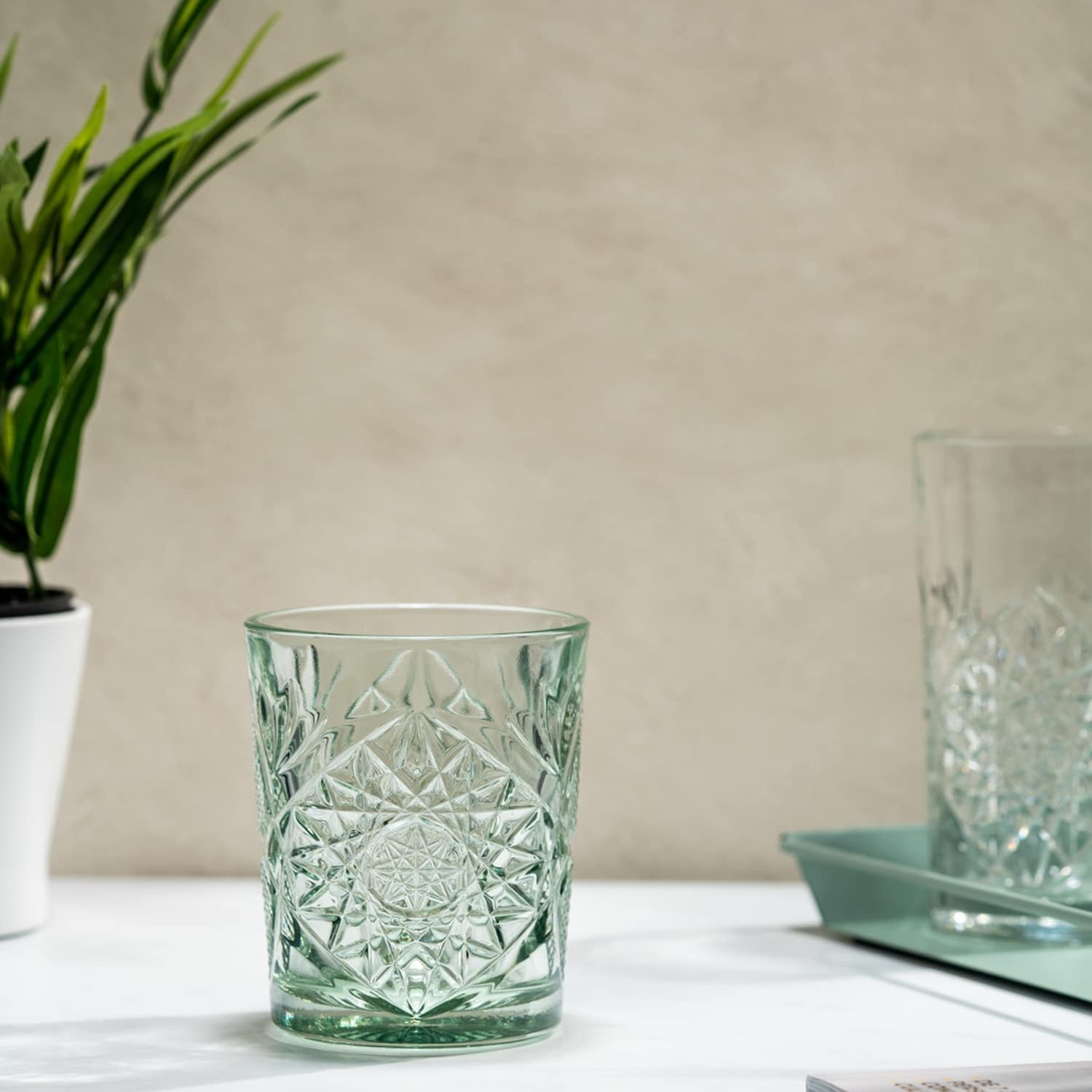
A wine glass consists of a base, stem, and bowl, from bottom to top. The bowl holds and distributes the aromas, while the stem keeps the wine from warming up from your hand. These are the glasses we recommend ourselves.


Everything else you wanted to know about wine
Can't find your question here? Browse our cocktail recipes or get in touch.
To the cocktail recipes →