

Dom Ruinart Rosé
A rosé made up of eighty-five percent chardonnay, which is highly unusual for this colour. Pomegranate, blood orange and violet, carried by a white grape rather than by pinot noir.


A rosé on a white base
Most rosé champagnes are built around pinot noir, the black grape that provides colour, fruit and weight. Dom Ruinart Rosé reverses that ratio: 85 percent chardonnay to 15 percent pinot noir, with 18 percent of the total entering the blend as red still wine to provide the colour. For a rosé, such a high proportion of white grape is exceptionally unusual, and it is the clearest expression of what this house does with chardonnay.
In the glass, this produces a rosé that is deep in colour but not heavy in flavour. The red fruit is there, but it is carried by the tension and straight line of chardonnay rather than by the roundness of pinot noir. Like Dom Ruinart Blanc de Blancs, this is a vintage champagne, such as the 2009 vintage currently being served, rather than a non-vintage blend.
In brief
Pomegranate, blood orange and violet
Intensely aromatic
Pomegranate and blood orange lead, surrounded by rose and violet. More floral than most rosés, and far more expressive than the colour suggests.
Deep yet taut
Tropical fruit lies beneath the red fruit. The depth comes from the colour and the fruit, while the tension comes from the high proportion of chardonnay beneath it.
Sensually elegant
The house itself calls the style sensually elegant, and that captures it: long, soft yet taut, without the fruit lingering cloyingly.
Tasting profile of Dom Ruinart Rosé served neat. Vintages differ; the floral thread of rose and violet is its constant signature.
When you open this bottle
A prestige bottle calls for a moment when people are truly listening. Serve at 8 to 10 degrees, fill to about half full, and keep the bottle in a cooler beside the table.
From aperitif to dessert
The house describes this rosé as suitable from aperitif through dessert. One bottle can therefore last the whole evening; count on about five 12 cl glasses and pour each one fresh.
Glass: generous bowl →With refined starters
Pour 10 cl into a large wine glass with a light starter. The rose and violet need air, and in a narrow glass those exact aromas remain.
Wine glasses →Don't mix
This bottle goes straight into the glass. If you still want to serve a cocktail, use a simple brut for it and keep this one separate; the red fruit in it is too delicate to disappear beneath cassis or juice.
To the R de Ruinart →Cocktails that call for a different bottle
You drink this champagne neat. The classics below are still worth trying, but call for a simpler brut: the liqueur, bitterness, or juice determines the flavor anyway.

Pink cocktails
Everything pink that goes into the glass. An ordinary rosé brut is the logical base here.
Mimosa
Orange juice and bubbles in equal parts. Blood orange juice gives it a deeper color.
Negroni Sbagliato
Campari and sweet vermouth, topped up with bubbles instead of gin. The bitterness does all the work.
Christmas cocktails
The drinks for December. A pink sparkling wine looks beautiful on the table, but it doesn't have to be a prestige bottle.The glass that lets the flowers shine
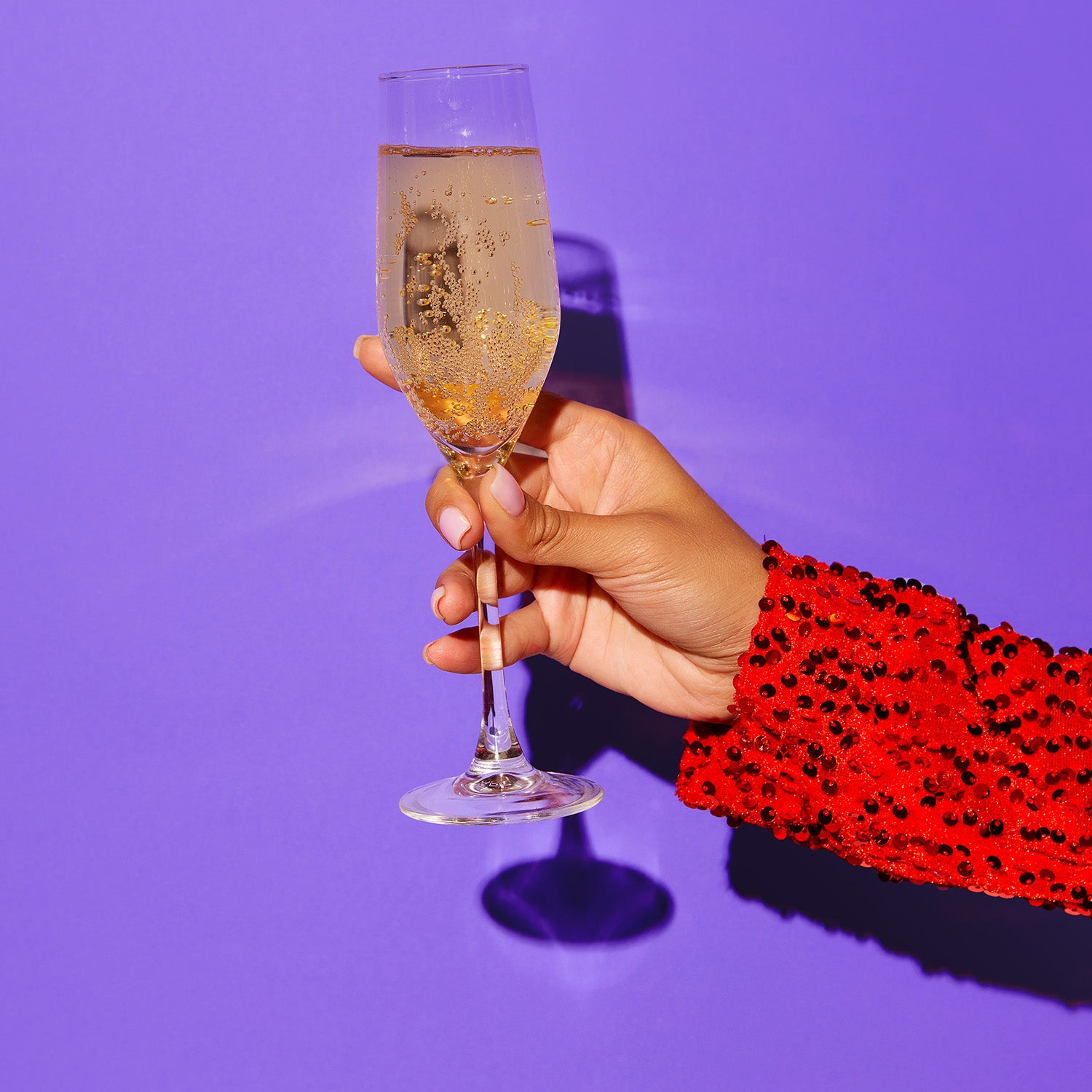
Rose and violet are fleeting aromas and disappear in a narrow glass. So give this rosé a generous bowl or a wine glass; a flute holds the bubbles longer and a coupe is meant for the party, not for tasting.


More Ruinart flavors

Ruinart
Where it all began. On the brand page, you can read all about Ruinart: its origins, varieties and classic cocktails.
Go to Ruinart →
R de Ruinart
The only bottle from the house containing all three grapes. Stone fruit and almond, with a fresh finish.
View R de Ruinart →
Ruinart Rosé
Guava, lychee and raspberry, followed by mint and pink grapefruit. The color comes from 18% red still wine.
View Ruinart Rosé →
Dom Ruinart Blanc de Blancs
One hundred percent grand cru chardonnay. Baked bread, chestnut and flint, with an exquisitely fine bubble.
View Dom Ruinart Blanc de Blancs →Questions about Dom Ruinart Rosé
Didn't find your question? Read more on the Ruinart page or check out our cocktail recipes.
Everything about Ruinart →