

Taittinger
The champagne house from Reims with 288 hectares of vineyards owned outright and cellars in ancient Gallo-Roman limestone quarries. What is in the two bottles and which glass to use with them.


One of the region's largest landowners
Taittinger was founded by Pierre Taittinger, a soldier from Lorraine who stayed in the Champagne region after the First World War. Today, the champagne house from Reims is a major and famous name, and logically so: Taittinger owns 288 hectares of vineyards, making it one of the largest landowners in Champagne. Most houses buy most of their grapes, so this is an exceptional position.
The house also has impressive cellars, formerly ancient Gallo-Roman limestone quarries. They are centuries old, and the conditions for ageing champagne bottles are ideal: constantly cool, dark and humid. Taittinger's style is light and elegant. In addition to its regular bottles, the house produces a number of prestige cuvées; in our shop, we stock the Brut Prestige and the Prestige Rosé, both at 12.5% and made from chardonnay, pinot noir and pinot meunier.
In brief
Two bottles, both at 12.5%
One white and one rosé, both made from the same three grapes. The difference lies in the colour, the fruit and what you pair them with.
Brut Prestige
Fruity and lively, with peach, white flowers and vanilla, alongside a distinct honey note. Freshness and elegance combined with richness and finesse.

Prestige Rosé
Rosé champagne with raspberries, cherries and blackcurrants on the nose. Playful, lively and fresh, and therefore much more expressive than the white.
Our champagne page shows the complete sweetness scale, from brut nature to demi-sec, including the grams of sugar per liter.
Peach, white flowers and honey
Peach & white flowers
Fruity and lively, with peach and white flowers followed by vanilla. Lighter and more floral than the heavier houses in the region.
Light and elegant
Freshness and elegance, with a honeyed note that rounds out the acidity. The house style is light, and you can taste that immediately.
Fine and refined
Richness and finesse without becoming heavy. A finish that does not linger but ends neatly, making this bottle an easy-drinking aperitif champagne.
Flavor profile of Brut Prestige. Prestige Rosé scores higher on fruitiness, with raspberries, cherries and cassis.
How to drink Taittinger
Chill the bottle to 8 to 10 degrees and twist the bottle, not the cork, when opening it. The cork will then come out with a sigh, and the bubbles will be better preserved.
As an aperitif
Both bottles are recommended as an aperitif, which suits the house's light style. Pour slowly down the side of a tilted glass and fill it to about two-thirds. This gives you around five glasses per bottle.
Glass: flute or tulip →With food
Baked fish is recommended with Brut Prestige, while Prestige Rosé is paired with sushi and ceviche. This list mainly says something about the weight of these champagnes: light enough not to overpower a delicate dish.
More about champagne →In a cocktail
Brut Prestige works well in a Kir Royal or a French 75. For a cocktail, a dry sparkling wine is more important than an expensive bottle, because the cassis or gin takes center stage.
Go to the cocktails →The best cocktails with Taittinger

Kir Royal
Crème de cassis at the bottom, topped up with champagne.
French 75
Gin, lemon and syrup shaken together, topped up with champagne.
Mimosa
Orange juice and bubbles in equal parts, with a splash of Cointreau.
Champagne Cocktail
Sugar cube with bitters at the bottom, then top up slowly.The right glass for Taittinger
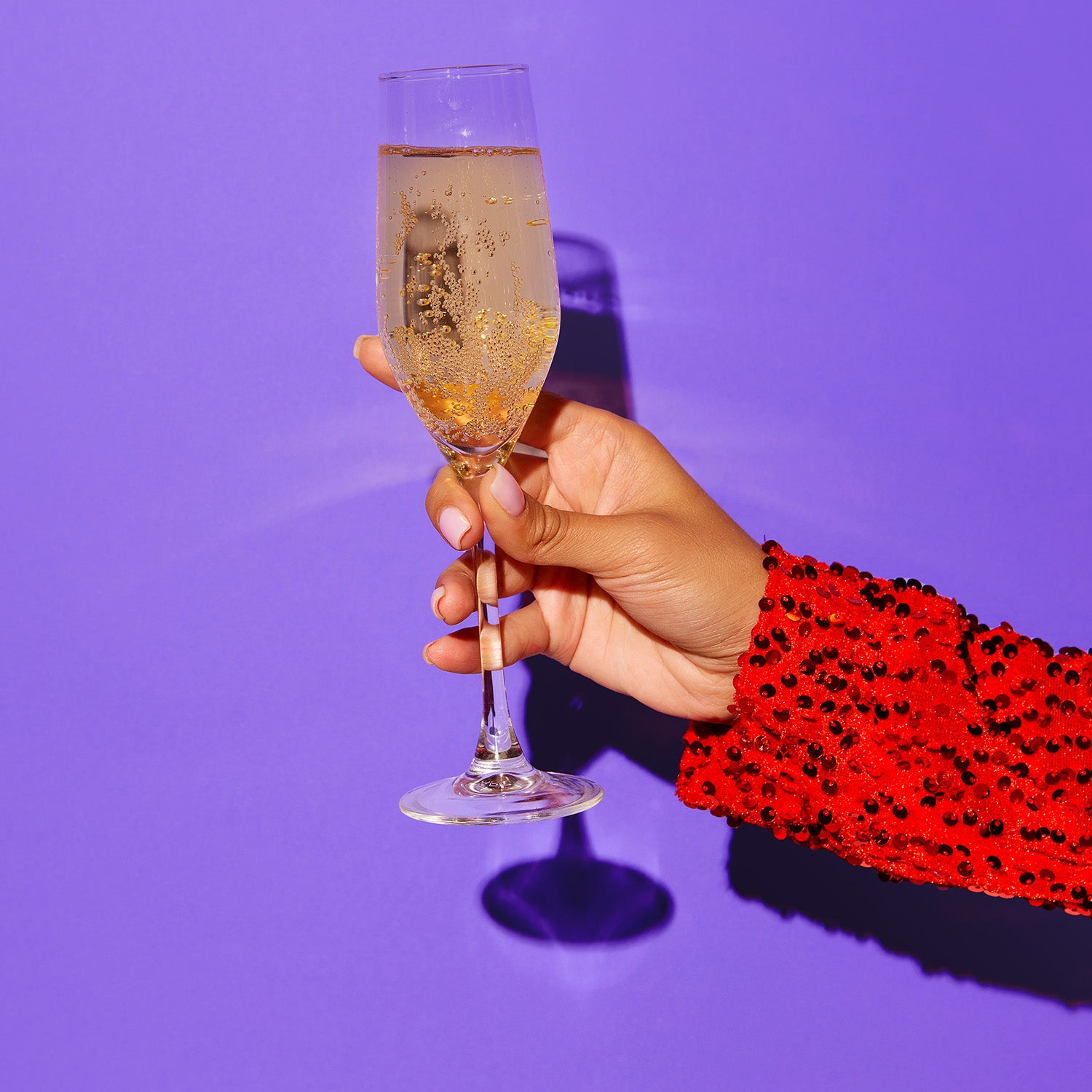
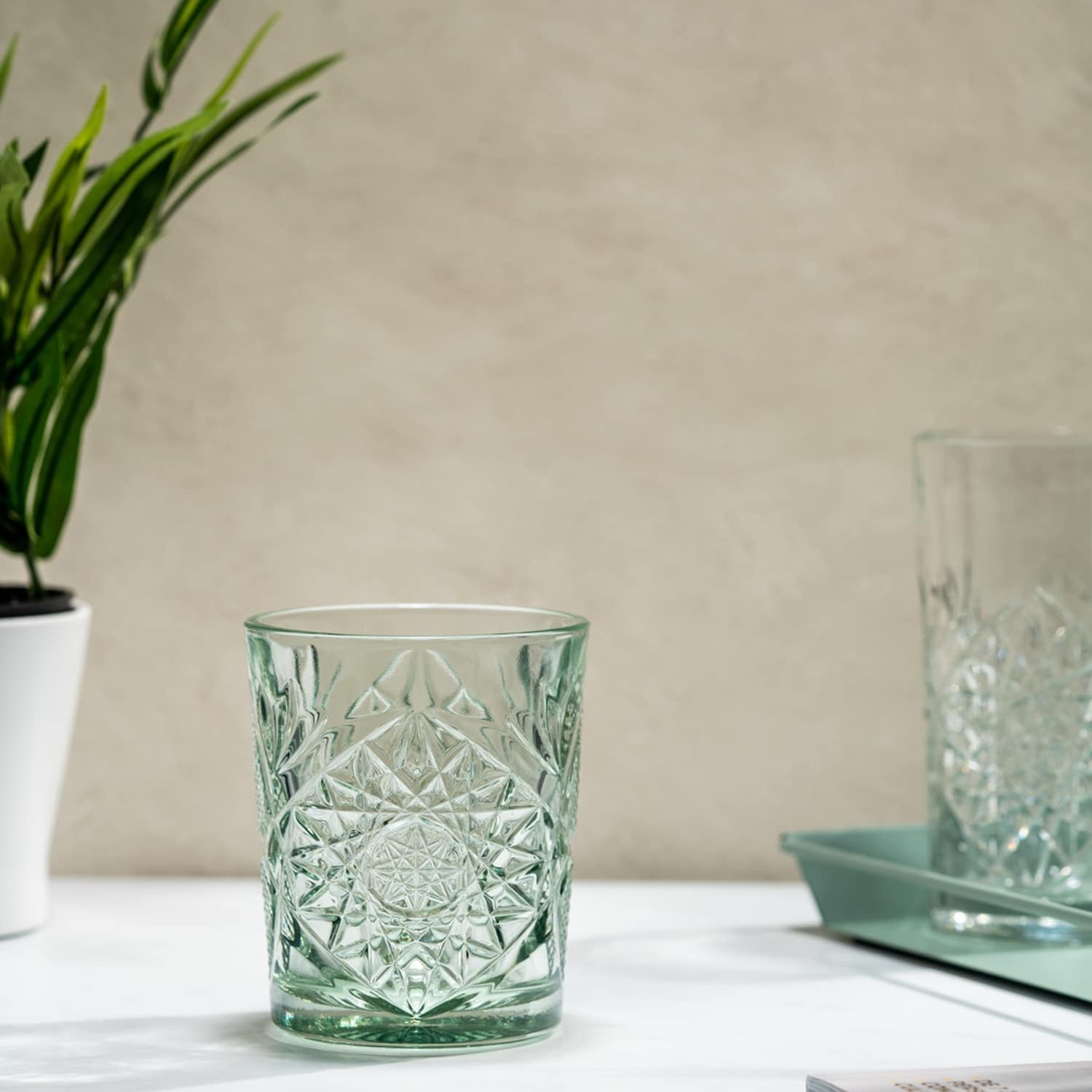
A flute for toasting, a tulip glass if you want to smell the peach and flowers. These are the glasses we recommend ourselves.


Everything you still wanted to know about Taittinger
Can't find your question? View our cocktail recipes or get in touch.
To the cocktail recipes →