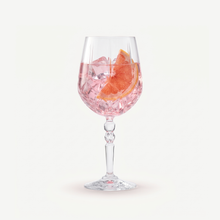
Chef & Sommelier Open Up Champagne Glass / Flute 20 Cl - 6 Pieces

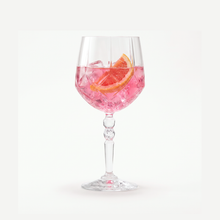
Chef & Sommelier Exaltation Champagne Glass / Flute 30 Cl - 6 Pieces


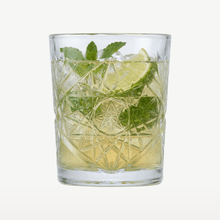
Bormioli Rocco Tre Sensi Champagne Glass / Flute 15 Cl - 6 Pieces
Cava
Like champagne, cava undergoes a second fermentation in the bottle. The only difference is that it comes from Spain and costs much less. Here you'll learn what's in the bottle, what reserva and gran reserva mean, and which glass shows off the bubbles best.


Wine by type
Cava belongs among the other sparkling wines and also among Spanish wines. Below are the bottles it is most often compared with, each with its own page.
Champagne
It also undergoes a second fermentation in the bottle, but comes from France, is made from three different grapes, and has sharper, fresher acidity.
About Champagne →Prosecco
The Italian sparkling wine, made from one grape, Glera. The second fermentation takes place in a tank, making it lighter and fruitier.
About Prosecco →
Crémant
The name for French sparkling wine made outside the Champagne region, which is why it cannot be called champagne.
About Crémant →
Rioja
The Spanish region that Faustino, among others, comes from. Best known for still red wine.
About Rioja →Made like champagne, with a Spanish taste
Cava is sparkling wine from Spain. It is made in the same way as champagne, which is why it is sometimes called Spanish champagne. Most of it comes from the province of Penedès in Catalonia. However, cava is not tied to a single region; it is also made in Girona and Rioja. It is usually made with three Catalan grapes, each of which contributes something different. Parellada makes it creamy, xarel-lo gives it body, and macabeo provides fresh acidity. For rosé cava, other Spanish grapes are used, such as trepat, garnacha and monastrell. These grapes and the warm Mediterranean climate give cava a very different taste from champagne. In 1872, Spaniard José Raventos made the first bottle. He wanted to replicate French success in Spain.
The method is the same. With the méthode traditionnelle, yeast is added to each bottle and the wine ferments a second time. This creates the carbonation. The wine then rests on the lees for at least nine months. The bottles are sealed with a crown cap. They are turned a little at a time, by hand or in a gyropalette, until they are almost upside down and all the sediment has collected in the neck. The neck is then frozen. When the crown cap is removed, the pressure pushes out the plug of yeast. A little sugar is added, depending on how acidic the wine is, and then the cork is secured with a muselet, the wire cage. If the cava has spent eighteen months on the lees, it can be labeled reserva. After thirty months, it becomes gran reserva.
In brief
Six bottles, from bone dry to sweet
Cava ranges from brut nature with no added sugar to the sweet dulce with more than fifty grams of sugar per liter. These six show you just how wide that range is. All six are 11.5%.
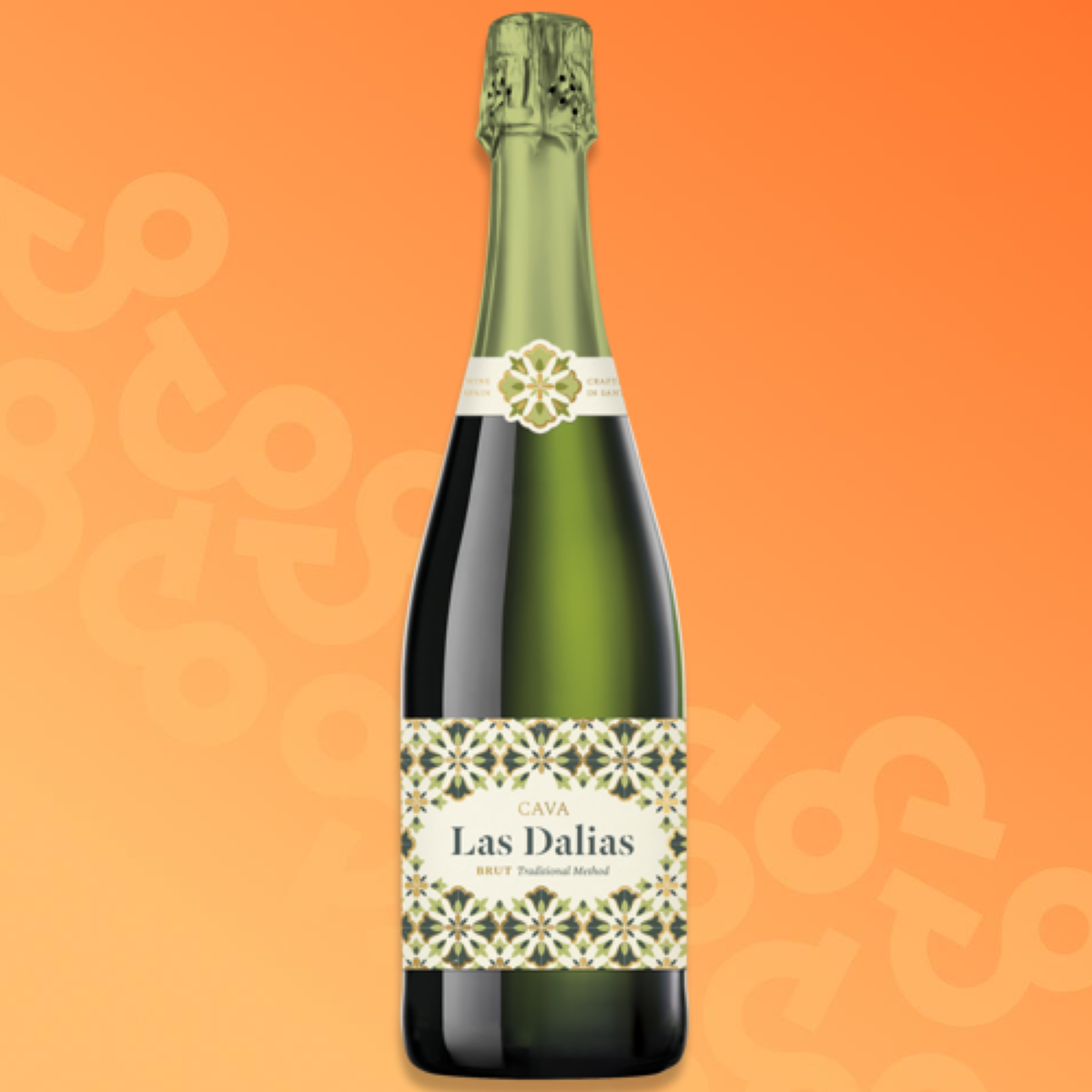
Las Dalias Cava Brut
A Catalan blend of 35% macabeo, 35% xarel-lo and 30% parellada. Refined, with yellow apple, peach and lemon.

Pere Ventura Coleccion Privada Brut
Lively, with white fruit and lime and a soft mousse. It finishes crisp and fresh.

Privat Cava Brut Reserva
This is a reserva, so it has spent at least eighteen months on the lees. Made from xarel·lo, parellada, macabeo and chardonnay. You can taste peach, lime and toasted bread.

Pere Ventura Gran Reserva
Chardonnay with xarel·lo and an extra-long aging period. That makes this cava intense and creamy. It has the most character of the bunch.

Privat Cava Rosé Brut Nature
Salmon-pink cava made from Pinot Noir and Chardonnay in Perelada, Girona, not Penedès. Bone-dry, with strawberry, grapefruit and brioche.

Faustino Cava Semi-Dry
This is the sweet end of the shelf. The label says semi-dry, and it comes from Rioja, made from Macabeo and Chardonnay. You’ll taste apricot, hazelnut, honey and orange blossom.
Champagne also undergoes a second fermentation in the bottle, but it ages longer and can only come from the Champagne region.
Soft and round, with an aroma of bread
Apple, pear & biscuit
Fresh, with apple and pear and a hint of spice underneath, sometimes with an earthy note. If the bottle has aged longer, you’ll also smell biscuit, dough and toasted bread.
Soft and round
The acidity is mild. Softer and rounder than champagne, with fine bubbles. In a brut, the sweetness stays in the background. A semi-seco tastes noticeably sweeter.
Slightly savory
Aged on the lees, it develops a savory note, with bread and a hint of spice. Smooth and approachable, never sharp.
This is what a regular brut tastes like. Semi-seco is much sweeter, while brut nature is drier.
How to pour cava
Cava is served colder than champagne. Other than that, it’s simple. Chill it well, open it carefully and don’t fill the glass too full.
Chill to 6 to 8 degrees
Put the bottle in the fridge for a few hours. In a hurry? Put it in an ice bucket with water and ice. If it’s too warm, the cava will taste flat. Too cold, and you won’t smell much. Serve champagne a little warmer, at 8 to 10 degrees.
Glass: flute or tulip →Opening and pouring
The bottle has the same cork and wire cage as champagne. Loosen the wire, hold the cork firmly and twist the bottle instead of the cork. It will come out with a soft sigh. Tilt the glass, pour down the side and fill it about two-thirds full.
More about serving →In a cocktail
Cava is great straight from the bottle, but it also works well in a mix. Add orange juice for a mimosa or peach for a smooth bellini. Or add a splash of elderflower liqueur or bitters for an instant celebratory drink.
Go to cocktails →Cava cocktails
You can use cava instead of champagne in almost any sparkling cocktail. For the Kir Royale, Mimosa and French 75, it’s even named in the recipe. Many people also make Bellinis with cava, but we don’t have a standard ratio for that.

Kir Royale
Pour crème de cassis into the bottom of the glass and top up with cava. Garnish with a blueberry.
Mimosa
Half fresh orange juice, half cava, and finish with a splash of Cointreau on top.
French 75
Shake gin, lemon juice and sugar syrup, strain into a flute and top up with cava.
Bellini
Peach at the bottom, then slowly top up with bubbles. Just as good with cava as with prosecco.The right glass for cava
It's all about the bubbles. If you can't see them, there's the wrong glass on the table. In a flute, they stay visible for a long time. A tulip glass gives the aroma more room. Choose the coupe mainly because you like how it looks. These are the glasses we recommend ourselves.


What else you'd like to know about cava
Can't find your question here? Check out our cocktail recipes or get in touch.
To the cocktail recipes →What's the difference between cava, champagne and prosecco?
What percentage of alcohol does cava contain?
Where does cava come from?
Which grapes are used in cava?
What do reserva and gran reserva mean on the label?
At what temperature should you serve Cava?
Which glass should you use?
Buy Cava
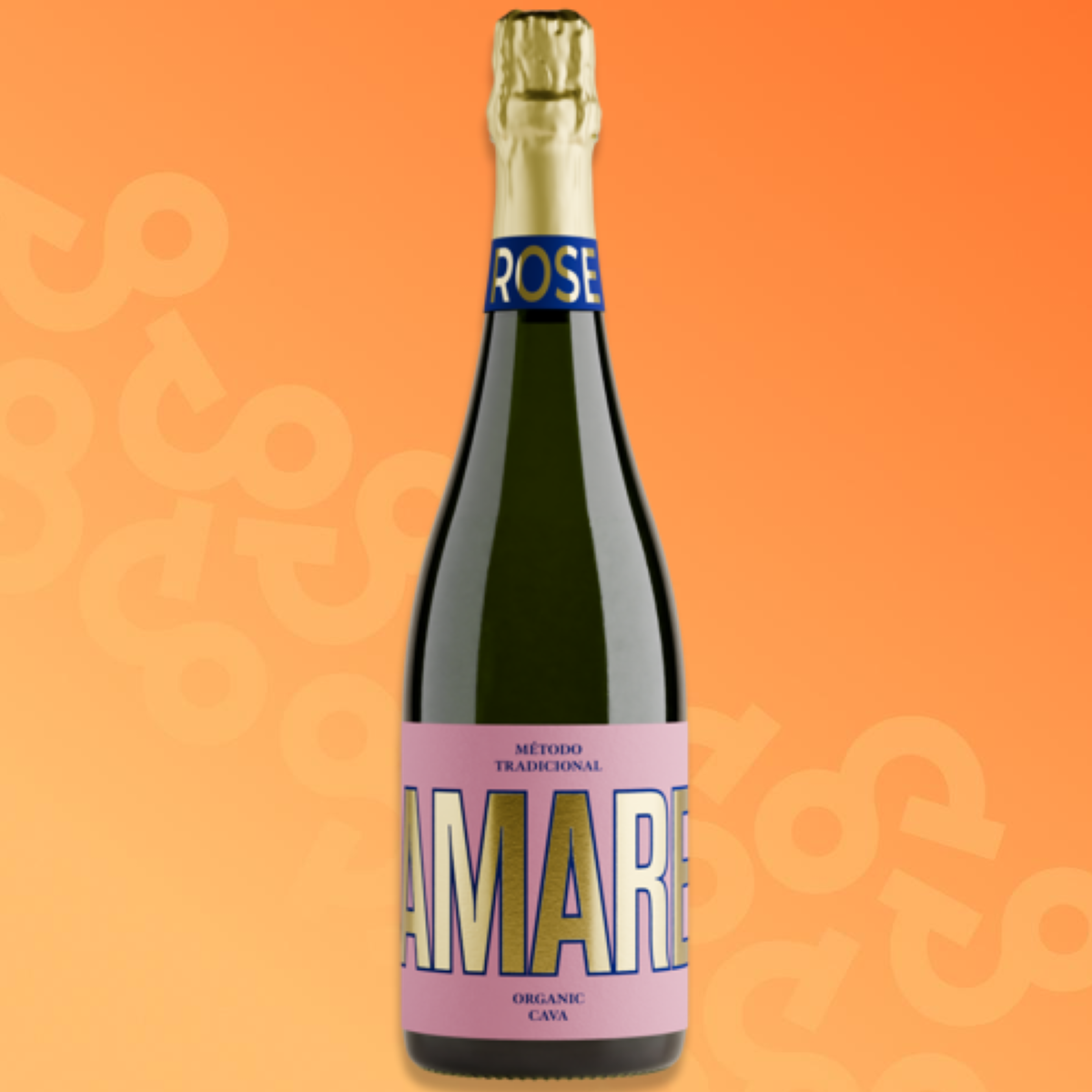
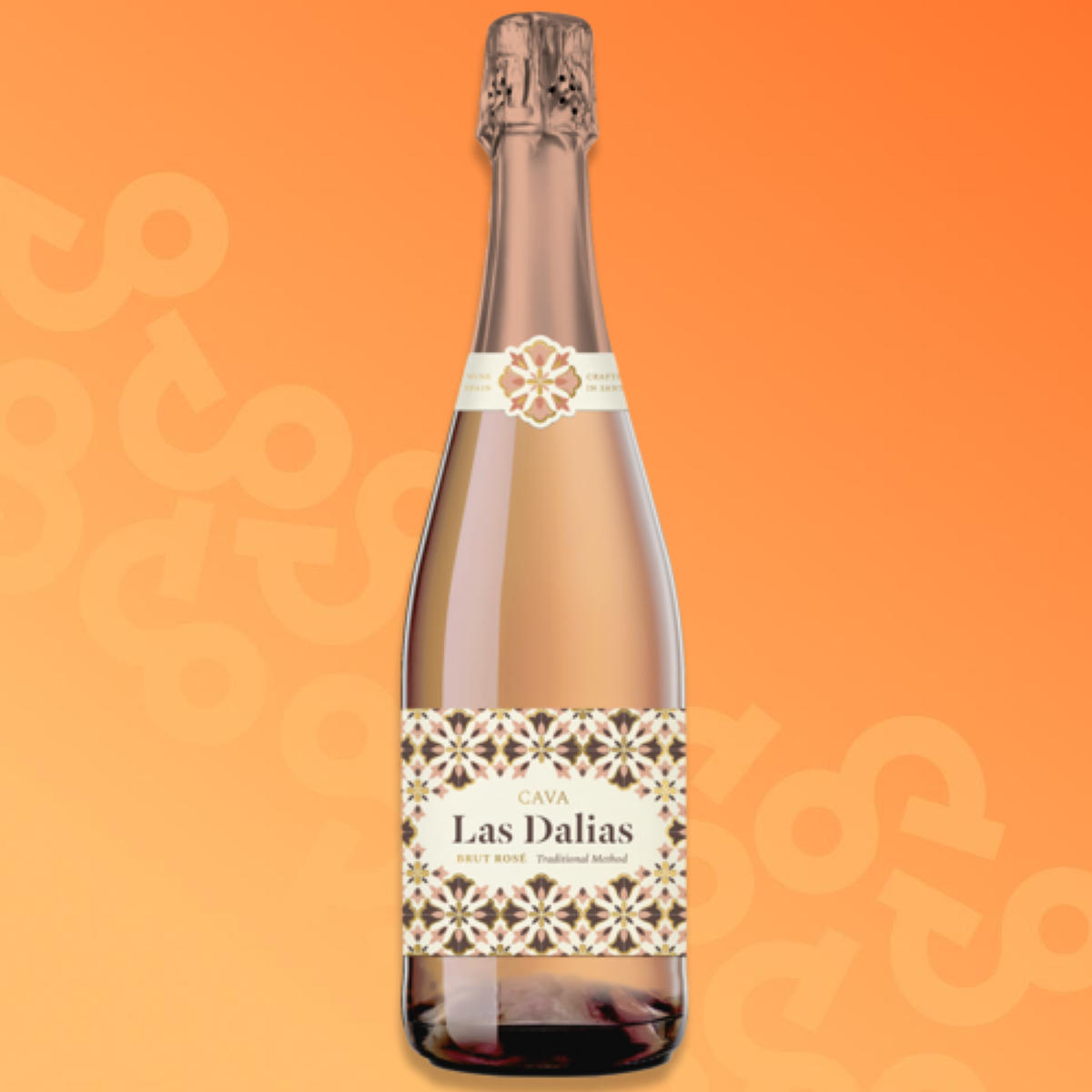
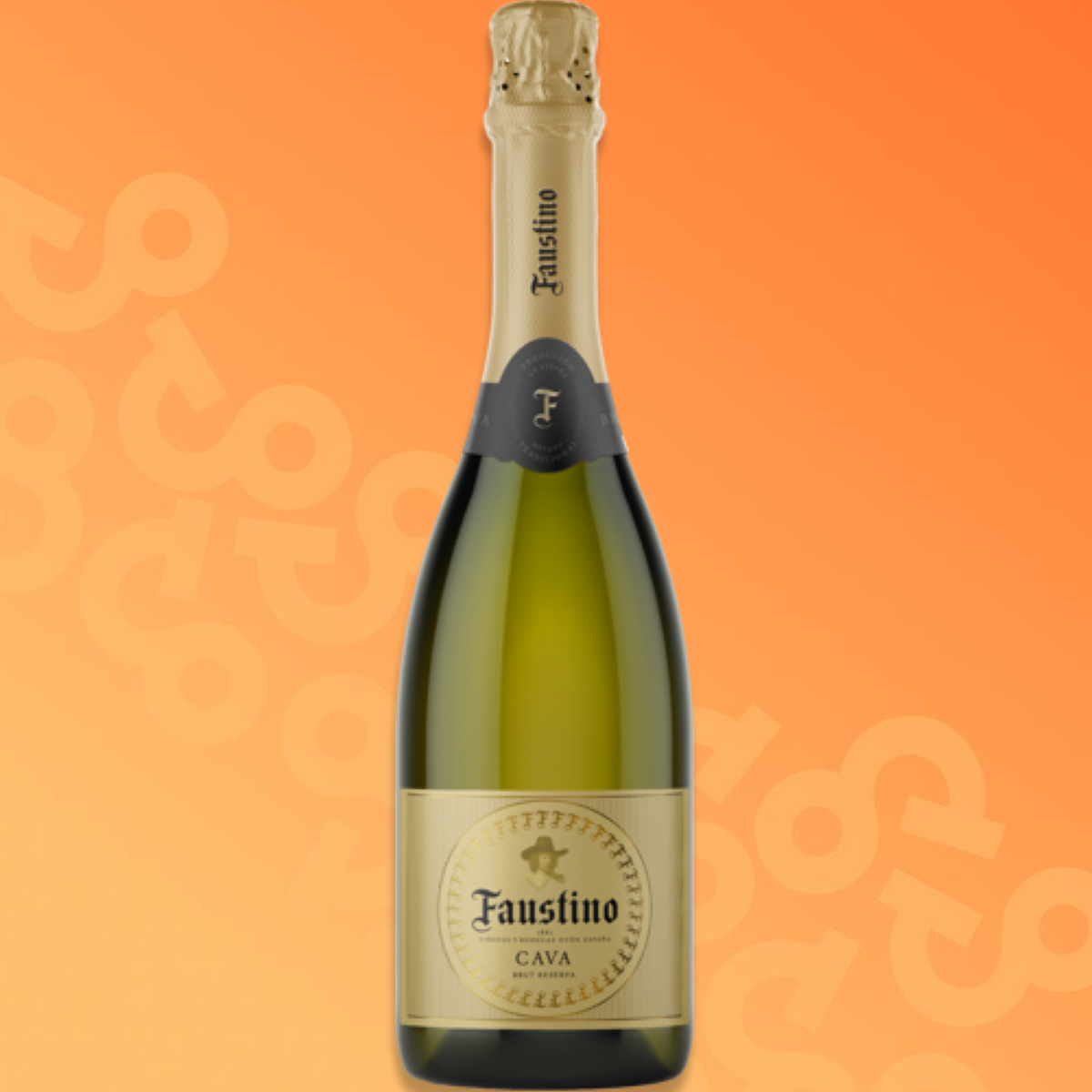
Want the bottle delivered straight to your door? Order Cava online at Gall & Gall. Gall & Gall has 18, including 12 on sale.
Prices as of November 16, 2026, as provided by Gall & Gall. You can see the current price and stock at Gall & Gall. Glazen.nl receives a small commission if you buy something through these links; you pay nothing extra. No 18, no alcohol.