

Ruinart
The oldest champagne house in the world, founded on September 1, 1729, in Reims, with chardonnay as the golden thread running through the entire range. What is in the bottles and which glass goes with them.


The oldest champagne house in the world
The Benedictine monk Dom Thierry Ruinart was ahead of his time, and his nephew Nicolas Ruinart began trading in champagne alongside textiles on September 1, 1729. That was when the house was officially founded, making Ruinart the oldest champagne house in the world. It remained in the hands of the same family for two centuries. The bottle is also a story in itself: its shape is immediately recognizable and pays tribute to bottles from the eighteenth century.
Where other houses rely on pinot noir, chardonnay is the golden thread running through Ruinart's five champagne cuvées, with vibrant, fresh aromas and a pure taste. This ranges from R de Ruinart, which already contains a relatively high proportion of chardonnay at 40 percent, to Blanc de Blancs and Dom Ruinart Blanc de Blancs, which are made entirely from chardonnay. The house is based in Reims, on Rue des Crayères.
In brief
Five bottles, with chardonnay as the common thread
From a brut with forty percent chardonnay to two bottles made entirely from that one grape.

R de Ruinart
Delicate, fresh and fruity, with pear, apple and apricot, plus hazelnut and fresh almond. Blended with 49% pinot noir and 11% meunier.
Blanc de Blancs
Pale golden yellow with green reflections. Ripe citrus, white flowers, white peach and pineapple, with a mineral, refreshing finish.

Rosé
Pomegranate pink with orange reflections. Guava and lychee, raspberries and cherries, with mint and pink grapefruit to keep it balanced.

Dom Ruinart Blanc de Blancs
Made from one hundred percent grand cru chardonnay from the Côte des Blancs and the Montagne de Reims. White flowers with honey, candied fruit and marzipan.

Dom Ruinart Rosé
The house's prestigious rosé, with an unusually high proportion of chardonnay. Tropical fruit and small berries, with rose and pomegranate.
On our champagne page, we explain what blanc de blancs, blanc de noirs and the sweetness scale from brut to demi-sec mean.
Citrus, white flowers and a mineral finish
Citrus & white flowers
First, intensely fresh fruit, especially ripe citrus fruits, followed by white flowers with white peach and pineapple. That floral character is where the chardonnay makes itself heard.
Smooth and rounded
A smooth, harmonious opening that immediately feels rounded, with nectarine and citrus. Less vinous than a champagne made with pinot noir, and therefore lighter on the palate.
Mineral and long
A pleasant mineral quality in a long, highly refreshing finish. Exactly why these bottles pair so well with oysters.
Flavor profile of the Blanc de Blancs. With 49% pinot noir, the R de Ruinart is fuller-bodied; the rosés score higher for fruitiness.
How to drink Ruinart
Chill the bottle to 8 to 10 degrees and use a generously sized glass: with this house, the pleasure lies in the nose, not in the amount of bubbles.
Neat with oysters
The Blanc de Blancs and the R de Ruinart are both recommended with aperitifs and oysters, while the Blanc de Blancs also pairs with seafood and shellfish. Pour down the side of a tilted glass and fill it two-thirds full.
Glass: tulip glass →With food
The Rosé is intended to be enjoyed throughout the meal, from aperitif to dessert; sushi, lamb and Parma ham are mentioned as pairings. The Dom Ruinart Rosé pairs well with refined starters.
More about champagne →In a cocktail
You can, but it would be a shame to waste the chardonnay. If you want to make a Kir Royal or a Mimosa, use a simpler brut and save this bottle for drinking neat.
Go to the cocktails →Champagne cocktails
Ruinart is best enjoyed neat. For a champagne cocktail, a regular brut works perfectly well: the liqueur or juice sets the tone anyway.

Kir Royal
Crème de cassis at the bottom, topped up with a dry sparkling wine.
Mimosa
Orange juice and sparkling wine in equal parts, with a splash of Cointreau.
French 75
Gin, lemon, and syrup shaken, then topped up with champagne.
Champagne Cocktail
A sugar cube with bitters at the bottom, then slowly topped up.The right glass for Ruinart
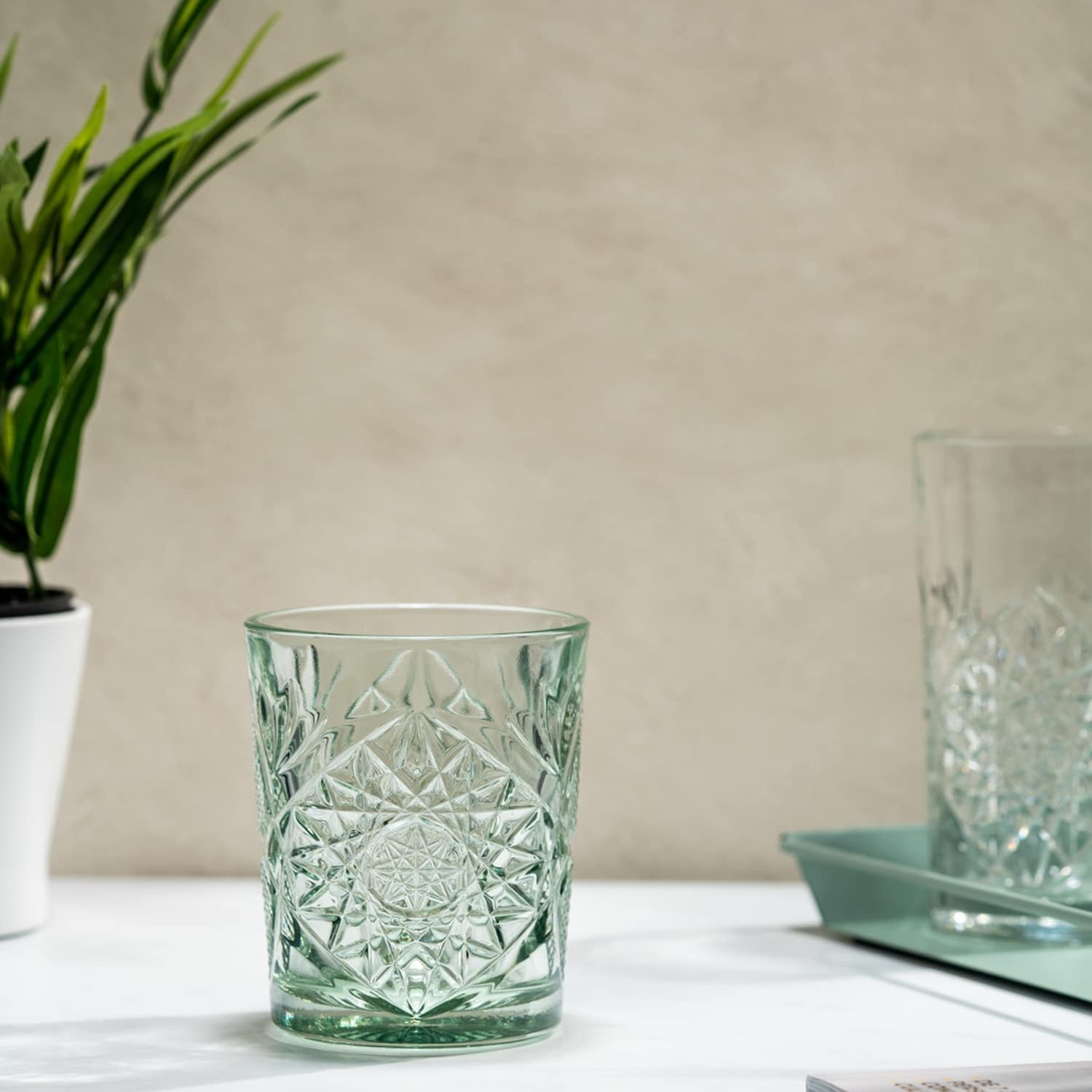
A spacious bowl brings out the citrus and white flowers best. A narrow flute keeps the wine cold, but also keeps the nose contained. These are the glasses we recommend ourselves.


Everything you still wanted to know about Ruinart
Can't find your question? View our cocktail recipes or get in touch.
To the cocktail recipes →