

Veuve Clicquot Rosé
Not a pale summer rosé but a copper-colored champagne with an outburst of red fruit. That red fruit comes from the 12 percent red wine added to the blend, on top of the same grapes as in Yellow Label.


Rosé made with red wine
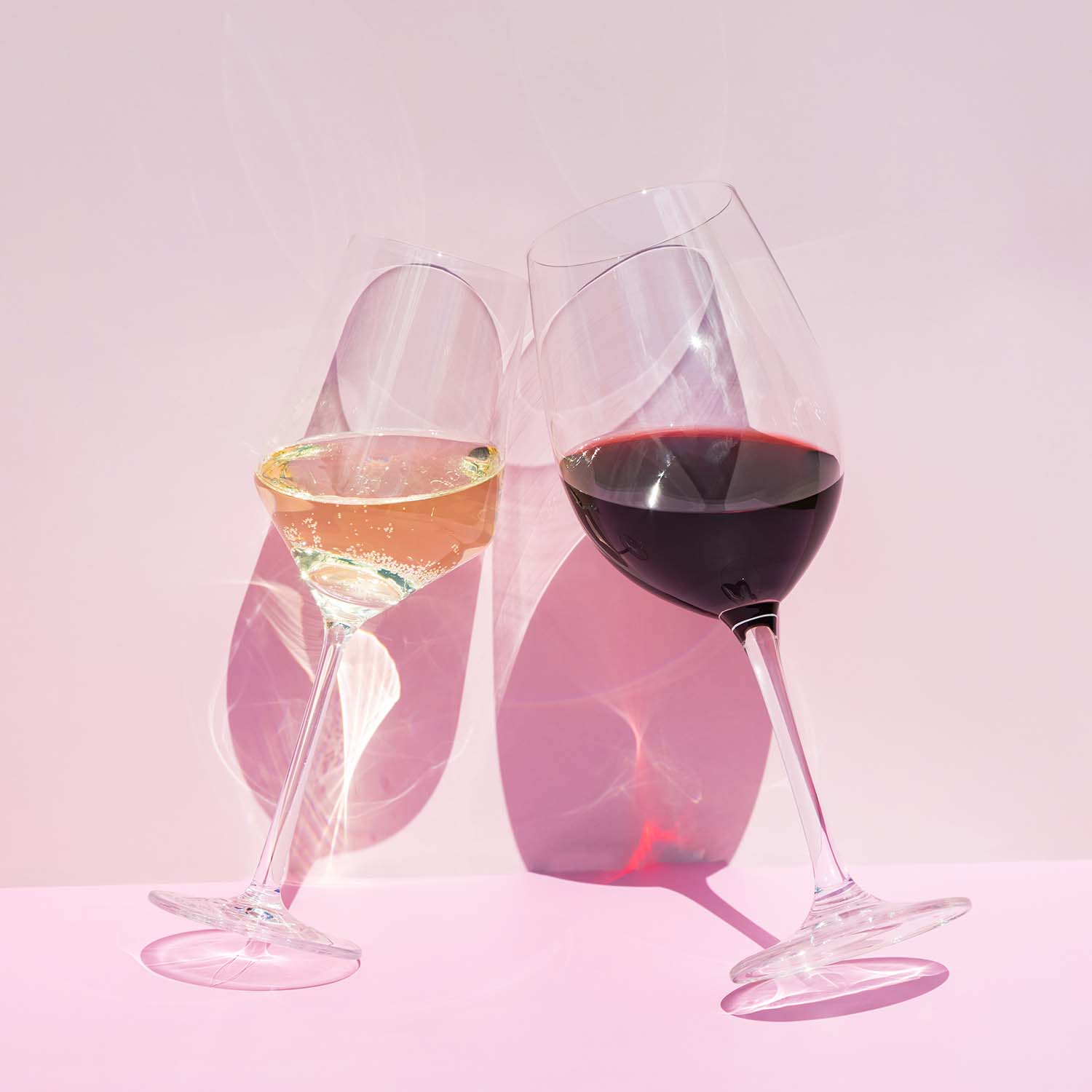
Most rosé becomes pink when the skins of blue grapes are left to macerate briefly in the juice. In Champagne, there is another option: adding still red wine to a white base wine. Veuve Clicquot uses the latter method. The base is the same blend as Yellow Label, with 50 to 55 percent pinot noir, 28 to 33 percent chardonnay and 15 to 20 percent meunier, supplemented with 30 to 45 percent reserve wines from earlier vintages. Twelve percent red wine is then added, and that percentage determines both the copper color and the fruit. The house has a history with this: the first known blended rosé is attributed to Madame Clicquot.
The result is further from Yellow Label than you might expect from a single addition. While the yellow bottle leans toward pear, citrus and almond, here a layer of red fruit makes the champagne fuller and juicier. The alcohol content also rises slightly: 12.5% instead of the 12% of Yellow Label. This is no coincidence but the result of the red wine in the blend, which comes from grapes harvested at greater ripeness.
In brief
Raspberry and wild strawberry with pastry underneath
Red fruit up front
An outburst of red fruit: raspberry and wild strawberry first, followed by cherry and blackberry. It smells ripe but not jammy.
Full and juicy
Vinous and broad, with more body than the yellow bottle. The fruit fills the entire mouth and the bubbles carry it along instead of cutting through it.
Patisserie
Underneath the fruit are pastry-like notes from aging on yeast. They make the finish warmer and keep the rosé from fading like fruit juice.
Flavor profile of the Rosé at 8 to 10 degrees. The fruit appears sweeter than it is: the style remains that of a dry champagne.
This is how you serve the Rosé
Chill to 8 to 10 degrees, and no colder. Below that point, the red fruit you buy this bottle for disappears, leaving little but acidity and bubbles.
Straight in a spacious bowl
Pour about 12 cl down the side of a tilted glass and fill it two-thirds full. A 75 cl bottle yields six glasses this way. Let the glass stand for a minute before smelling: the raspberry only opens up once the champagne warms slightly.
Glass: tulip or wine glass →With shellfish
This bottle is at its best with shrimp, lobster, and oysters. The red fruit has enough body to stand up to sweet shellfish meat, while the acidity cuts through the creaminess of a sauce.
Champagne glasses →As a pink Kir Royal
15 ml crème de cassis in the bottom of the glass, then gently top up with 110 ml chilled rosé. Only do this if you keep the cassis light; otherwise it will overpower the raspberry already in the glass.
To the recipe →Cocktails with rosé champagne
The red fruit is already there, so choose a mixer that complements it rather than overpowering it. Keep the addition small and the champagne cold.

Bellini
Peach purée on the bottom, then top up with bubbles. With rosé, it becomes deeper in color and rounder in flavor.
Pink cocktails
A whole range of drinks that call for pink bubbles, from festive to refreshing.
Kir Royal
Crème de cassis with champagne. Keep the cassis light; the fruit already comes from the bottle.
Summer cocktails
Refreshing serves for a warm afternoon, where rosé champagne easily takes the place of prosecco.Which glass goes with rosé champagne?
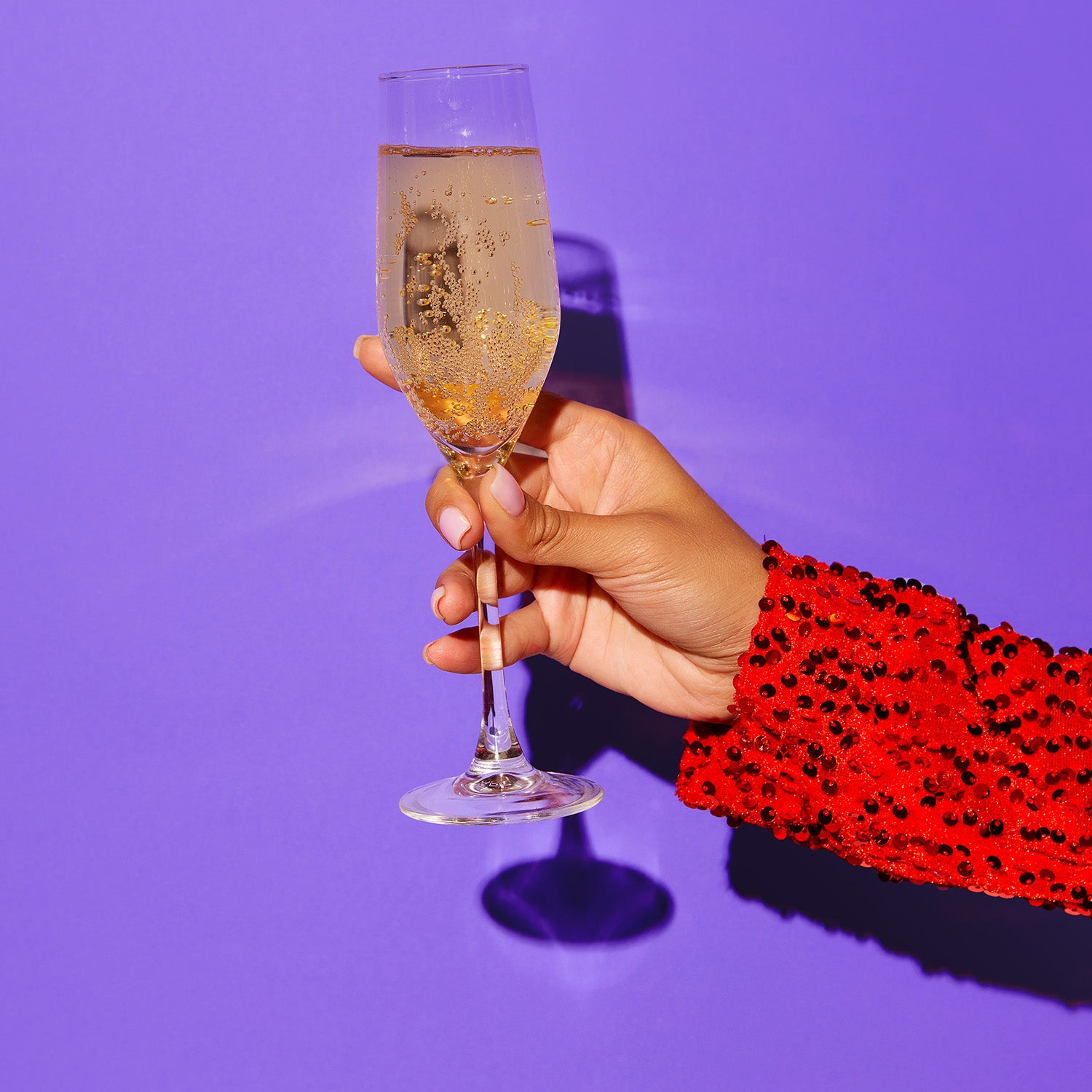
With this bottle, the aroma matters more than the bubbles. A tulip-shaped glass or wine glass gives the red fruit room; a narrow flute keeps the mousse alive the longest but squeezes the raspberry in.


More Veuve Clicquot varieties

Veuve Clicquot
Where it all began. On the brand page, read all about Veuve Clicquot: its origins, varieties, and classic cocktails.
To Veuve Clicquot →
Veuve Clicquot Brut Vintage
A single vintage, partly aged in wooden foudres. Apricot, fig, honey, and mocha.
View Veuve Clicquot Brut Vintage →
Veuve Clicquot Demi Sec
Ripe, candy-like fruit and wine gums over freshly toasted bread. The house's dessert bottle.
View Veuve Clicquot Demi Sec →
Veuve Clicquot Rich
Citrus and floral notes, full and round. Designed for ice cubes and a single garnish.
View Veuve Clicquot Rich →
Veuve Clicquot La Grande Dame
Made exclusively from Grand Cru grapes, floral and silky smooth. The bottle for oysters and caviar.
View Veuve Clicquot La Grande Dame →
Veuve Clicquot Extra Brut Extra Old
Made entirely from reserve wines, the oldest dating from 1988. Silky smooth, complex, and elegant.
View Veuve Clicquot Extra Brut Extra Old →Everything about champagne: the varieties, the best-known brands, and the cocktails.
Questions about Veuve Clicquot Rosé
Is your question not listed? Read more on the Veuve Clicquot page or explore our cocktail recipes.
Everything about Veuve Clicquot →