





Martini
The Italian vermouth that gave its name to a cocktail. Everything about Rosso, Bianco, Fiero and Extra Dry, their taste, Martini tonic and the glass that goes with it.


Vermouth from Turin: wine, wormwood and a secret blend of herbs
Martini is a vermouth: a fortified wine flavoured with wormwood and dozens of herbs, flowers and spices. The brand was founded in Turin in 1863 by Alessandro Martini, Luigi Rossi and Teofilo Sola and is still made in Pessione, just outside the city. The red-and-black logo with the ball is among the best known in the world.
The best-known bottles are Rosso (sweet and red, from 1863), Extra Dry (dry and white, from 1900) and Bianco (sweet and white with vanilla, from 1910). Later came Fiero with blood orange, the Riserva Speciale range for the Negroni and non-alcoholic versions. Martini has been part of Bacardi since 1993. Note: Martini the vermouth is different from the Martini cocktail made with gin and dry vermouth, although vermouth is indeed used in it.
In brief
What types of Martini are there?
Red, white, dry or bitter: every Martini has its own role at the bar. These are the essential bottles.
Martini Rosso
The original from 1863: sweet, spicy and warm, with caramel and a bitter undertone. The vermouth for a Manhattan and an Americano.

Martini Bianco
White, sweet vermouth with vanilla and flowers. The most popular in the Netherlands, especially with tonic.

Martini Fiero
Orange vermouth with blood orange, made to drink 50/50 with tonic. Fresh, fruity and lightly bitter.

Riserva Speciale Rubino
Red vermouth made from Langhe wine with Italian herbs. Deep and complex, made for the Negroni.

Martini Riserva Speciale Bitter
The house bitters, an alternative to Campari. Herbal, red and intensely bitter.

Martini Vibrante
Alcohol-free aperitif with the flavor of red vermouth and bergamot. With tonic, it makes a full-bodied mocktail.
Bianco for Martini tonic, Rosso for cocktails and Extra Dry for the Dry Martini.
Herbal, slightly bitter and with the sweetness of wine
Herbs, caramel & orange
Rosso smells of caramel, clove and orange peel; Bianco of vanilla and white flowers; Extra Dry of citrus and green herbs.
Sweet or dry, always herbal
Rosso and Bianco are sweet and full-bodied, while Extra Dry is sharp and dry. In all of them, the wormwood and herbs come through after the wine.
Slightly bitter
Vermouth always finishes with the subtle bitterness of wormwood, making you long for the next sip. A true aperitif.
Flavor profile of Martini Rosso. Bianco is sweeter and softer, Extra Dry is dry and fresh, Fiero is fruity.
Three ways to drink Martini
Vermouth is an aperitif: drink it before a meal, chilled and with plenty of ice. Store an opened bottle in the refrigerator.
Martini tonic
Fill a large copa glass with ice, pour in 75 ml Bianco or Fiero and 75 ml tonic, and garnish with a slice of lemon or orange. Martini's house recipe: 50/50.
Glass: copa glass →On the rocks
Rosso or Bianco over plenty of ice in a tumbler, with a slice of orange (Rosso) or lemon (Bianco). This is how they drink it in Turin, with a bowl of olives.
Glass: tumbler →In a cocktail
Rosso in a Manhattan or Negroni, Extra Dry in a Dry Martini. Vermouth is the ingredient that makes spirits smooth and easy to drink.
To the cocktails ↓The best cocktails with Martini

Negroni
Gin, red vermouth and bitters in equal parts over ice. With Rubino and Martini Bitter, completely Italian.
Americano
Red vermouth, bitters and soda over ice. The light predecessor to the Negroni, ideal as an aperitif.
Manhattan
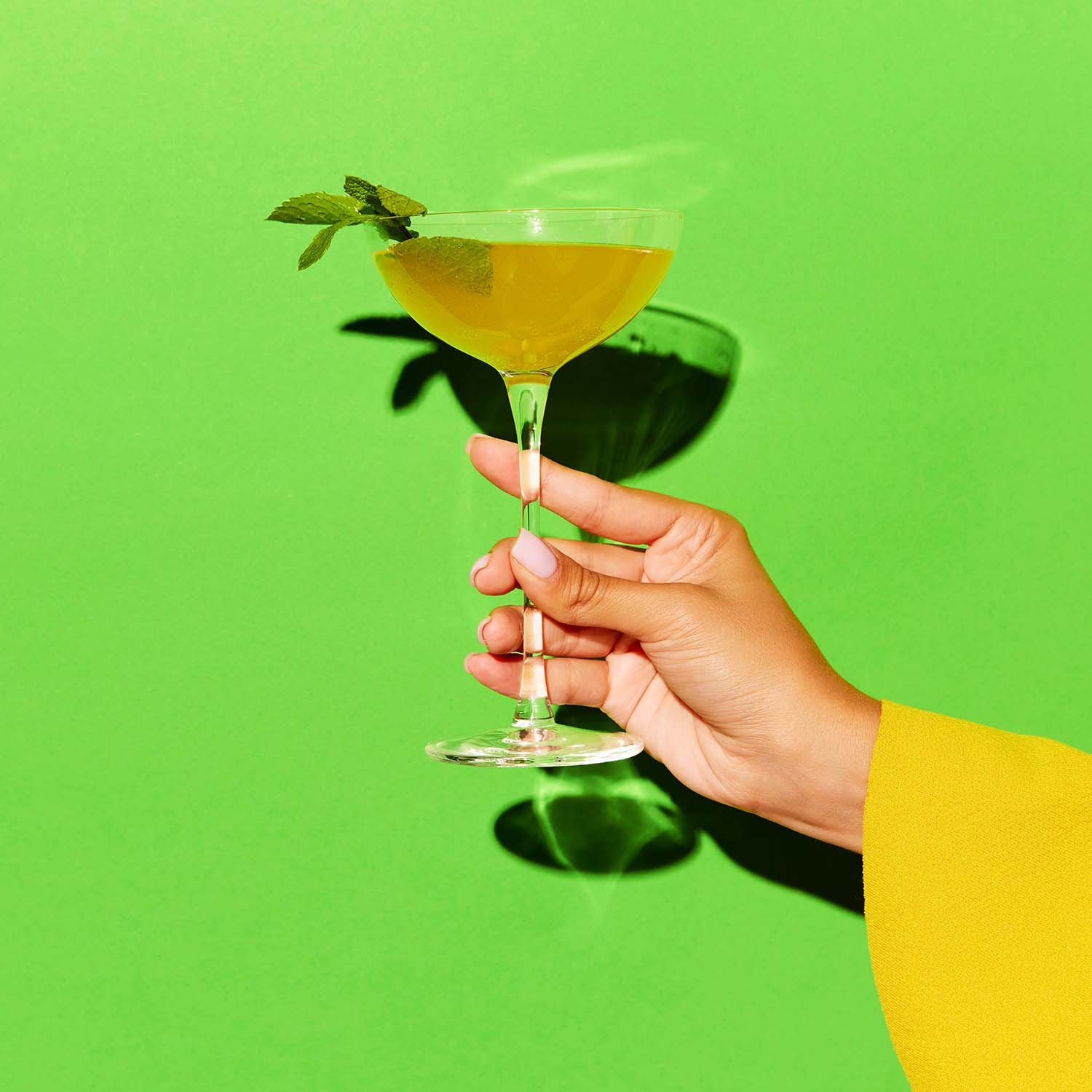
Whiskey, Martini Rosso and bitters, stirred and strained into a coupe with a cocktail cherry.
Dry Martini
Gin and a splash of Extra Dry, stirred with ice and served ice-cold in a martini glass. The cocktail that made vermouth famous.The right glass for Martini
A large copa glass for Martini tonic, a tumbler for on the rocks and Negroni, and a martini glass or Nick & Nora for Dry Martini and Manhattan. These are the glasses we recommend ourselves.


Everything you still wanted to know about Martini
Can't find your question here? Browse our cocktail recipes or get in touch.
To the cocktail recipes →