

R de Ruinart
The house brut and the only bottle bringing all three champagne grapes together. Pear, apple and apricot with almond underneath, and a finish that stays fresh thanks to the high proportion of chardonnay.


The only bottle with all three grapes
R de Ruinart is the house brut and the only champagne in the range containing all three grapes: pinot noir, chardonnay and meunier - 49 percent pinot noir, 40 percent chardonnay and 11 percent meunier. This also makes it the only bottle not driven primarily by chardonnay. Even so, 40 percent is a substantial proportion for a brut, and the house itself cites it as the reason the finish stays fresh for so long.
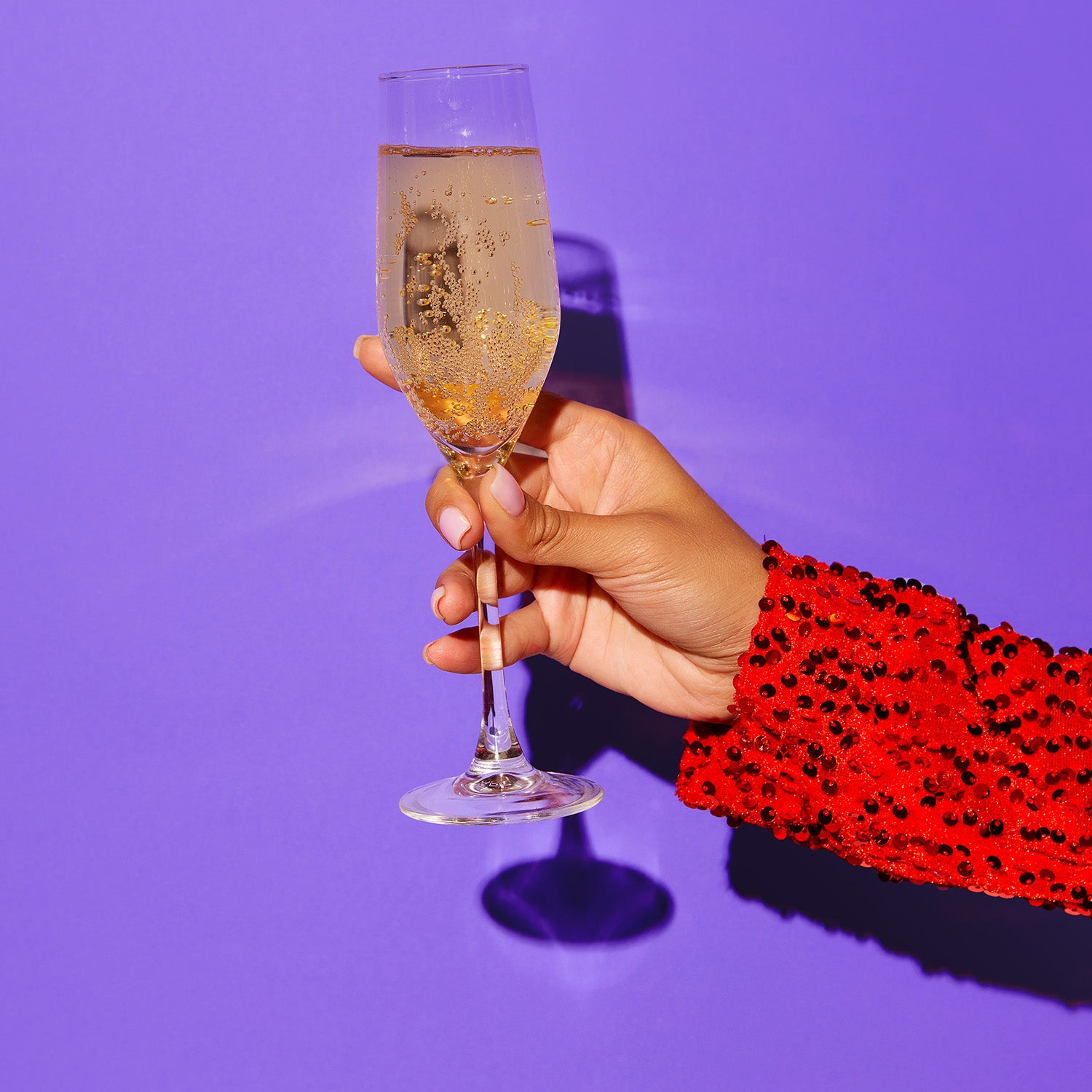
The pinot noir does the opposite in this bottle: it provides the round, full palate and ripe stone fruit. The result is a lively golden yellow in the glass and a champagne that easily carries an aperitif, with oysters as its classic pairing. It is also slightly lighter in alcohol than the rest of the house: 12 percent, while the other four bottles are at 12.5 percent.
In brief
Pear and apricot, with almond underneath
Pear, apple, apricot
First comes a fruit basket of pear, apple and apricot. Behind it, notes of hazelnut and fresh almond emerge, and that nuttiness gives the nose its depth.
Round and full-bodied
Round and full-bodied from the outset, with the same stone fruit already hinted at on the nose. The pinot noir provides weight without making the champagne heavy.
Long and fresh
The finish is long and retains the freshness brought by the chardonnay. That is precisely what makes it suitable with oysters.
Flavor profile of R de Ruinart neat, at 8 to 10 degrees. The almond and hazelnut become more pronounced as the champagne warms slightly in the glass.
This is how to serve R de Ruinart
Chill the bottle to 8 to 10 degrees and twist the bottle, not the cork, when opening it. Pour down the side of a tilted glass and fill it to about two-thirds; a 75 cl bottle yields about five glasses.
With oysters
Pour about 12 cl per glass and return the bottle to the cooler. The fresh finish and the brininess of an oyster enhance each other, while the stone fruit fills out the rest.
Glass: flute or tulip →For the almond
If you really want to smell the hazelnut and fresh almond, pour 10 cl into a white wine glass instead of a narrow flute. More surface area means more aroma; you give up some bubbles in return.
Wine glasses →In a Kir Royal
Pour 20 ml of crème de cassis into the bottom of the glass and top up with 110 ml of champagne. Of the house's five bottles, this is the one you would choose for this.
Go to the recipe →Cocktails with brut champagne
The house brut is also the bottle you can responsibly use in a cocktail. The cassis, gin or bitters still set the tone, so a dry sparkling wine matters more than a prestigious bottle.

Kir Royal
Crème de cassis at the bottom, then top up with bubbles. The stone fruit in the brut carries through nicely into the cassis.
French 75
Gin, lemon and syrup shaken together and topped up with champagne. The fresh finish keeps the gin in check.
Christmas cocktails
The drinks for December, where a dry brut is more often the base than you might think.
Aperitif cocktails
Where an evening begins. This brut needs nothing added, but still has a place among them.Which glass goes best with R de Ruinart?
A flute keeps the bubbles intact for longer and is the safe choice for an aperitif. If you want to smell the almond and stone fruit, a wider bowl is worth it. A coupe is festive, but lets the bubbles escape faster.


More Ruinart flavors

Ruinart
Where it all began. On the brand page, you can read all about Ruinart: its origins, varieties and classic cocktails.
To Ruinart →
Ruinart Rosé
Guava, lychee and raspberry, followed by mint and pink grapefruit. The color comes from 18% red still wine.
View Ruinart Rosé →
Dom Ruinart Blanc de Blancs
One hundred percent grand cru chardonnay. Toasted bread, chestnut and flint, with a delicate bubble.
View Dom Ruinart Blanc de Blancs →
Dom Ruinart Rosé
Pomegranate, blood orange and violet on a chardonnay base. The house's prestige rosé.
View Dom Ruinart Rosé →Questions about R de Ruinart
Didn't find your question? Read more on the Ruinart page or browse our cocktail recipes.
Everything about Ruinart →