


Languedoc
The Languedoc is the major wine region along the Mediterranean Sea, between the Rhône and the Spanish border. More wine is grown there than in any other French region. From sunny red blends from Corbières to fresh picpoul and affordable wine with Pays d'Oc on the label.


Wine from the Languedoc, read more
The Languedoc makes wine from a great many grapes. We have dedicated pages about French wine and some of the most important grapes and styles.

French wine
The Languedoc is just one of France's wine regions. Read the full story here.
About French wine →
Grenache
One of the most important grapes of southern France, used for red wine and rosé.
About Grenache →

Chardonnay
The white grape you also frequently find in the Languedoc, often with Pays d'Oc on the label.
About Chardonnay →A sea of vineyards under the sun
The Languedoc lies in the south of France, in a broad arc along the Mediterranean Sea. The region stretches from the area around Nîmes and Montpellier to the Pyrenees. The southernmost part, bordering Spain, is called Roussillon; together, the regions are often referred to as Languedoc-Roussillon. It is one of the largest wine regions in the world, with vineyards on the coastal plain and on the dry hills inland. Garrigue grows there: wild thyme, rosemary and bay laurel. The climate is warm and sunny, with little rain and often strong winds.
For a long time, the Languedoc was mainly known for producing large quantities of simple table wine. In recent decades, the quality has risen considerably. There are two types of wine. The first consists of wines from a designated appellation, such as Corbières, Minervois, Saint-Chinian, Faugères, Pic Saint-Loup and La Clape. These are usually blends of grenache, syrah, mourvèdre, carignan and cinsault, as in the southern Rhône. For white wine, there is Picpoul de Pinet, made from the picpoul grape on the coast. The second group bears Pays d'Oc on the label. Here, winemakers have more freedom and can also use grapes such as cabernet sauvignon, merlot, chardonnay and sauvignon blanc, often with the grape name on the label.
In brief
Seven bottles, from La Clape to picpoul
First, four reds: two from a designated appellation, one syrah and one wine made from Bordeaux grapes. Then one from Roussillon, a fresh white for fish and a rosé.
Château la Négly la Côte
From the slopes of the Massif de la Clape, close to the sea, on a limestone-rich clay soil. A full-bodied southern red blend.

Symbiose OC Red
Organic blend of syrah with grenache and carignan, the classic grapes of the south. Full-bodied, spicy and juicy.

Maison Ventenac Les Dissidents La Muse
One hundred percent syrah, juicy and strikingly floral. A lighter side of the Languedoc.
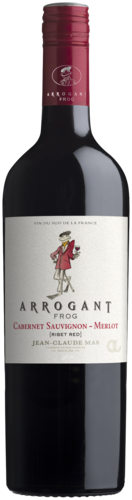
Arrogant Frog Cabernet Sauvignon Merlot
Bordeaux grapes from the Languedoc, made in a fruity, modern style by Jean-Claude Mas.
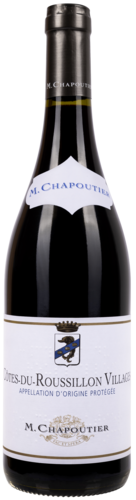
M. Chapoutier Côtes du Roussillon Villages
Red wine from the southernmost part, near the Pyrenees. Full-flavored, with plenty of fruit and spice.

Les Courtelles Picpoul de Pinet
Fresh white wine made from the picpoul grape. Peach, lemon and a lightly saline minerality, made for everything from the sea.

Jardin de Roses Rosé
Grenache, cinsault and syrah, the classic rosé grapes of the south. Floral, with red apple, peach and raspberry.
How does the Languedoc compare with Bordeaux, Burgundy and the Rhône? Read about it on our page about French wine.
Ripe fruit, herbs and sunshine
Black fruit & garrigue
Red Languedoc wine smells of ripe blackberries, cherries and plums, often with aromas of wild herbs such as thyme and rosemary. Syrah adds pepper and violets, while carignan contributes a somewhat rustic, earthy note.
Ripe and juicy
The sun gives ripe grapes, plenty of fruit and a full flavor. The tannins are usually soft. Wine from the higher hills and limestone soils is a little fresher and more structured.
Spicy
The finish is warm and spicy, with a hint of pepper. Picpoul finishes fresh and saline, while rosé is light and fruity.
Flavor profile of an average red wine from the Languedoc. A full-bodied Corbières or La Clape scores higher in power, while a picpoul scores much higher in freshness.
How to serve wine from the Languedoc
Red slightly cooler than room temperature, white and rosé well chilled, and a full-bodied blend given some time to breathe first.
Red at 16 to 18 degrees
Serve a juicy Pays d'Oc red at around 16 degrees, and a full-bodied Corbières or La Clape closer to 18 degrees. On a warm day or in a warm room, put the bottle in the fridge for fifteen minutes first. This will bring out the fruit and soften the alcohol.
More about wine temperature →Let it breathe
Most wine from the Languedoc can be poured straight away. A powerful red from a good estate can sometimes be a little closed when young. In that case, pour it into a decanter half an hour before the meal, so the fruit and herbs have more room to open up.
Decanters →White and rosé chilled
Serve picpoul, sauvignon blanc and rosé at 8 to 10 degrees. A full-bodied chardonnay or viognier can be served slightly warmer, around 10 to 12 degrees. Keep the bottle in a cooler between servings, especially on the terrace.
More about decanting →Wine from the Languedoc at the table
The Languedoc has a Mediterranean cuisine featuring olive oil, herbs, lamb and fresh fish from the sea. The region's wines pair best with these dishes.
Lamb and cassoulet
A full-bodied red blend pairs with leg of lamb with garlic and rosemary, cassoulet, stews and game.
Barbecue and burgers
Juicy red wine pairs with sausages and barbecue spareribs, burgers, pizza and a charcuterie board with salami.
Oysters and mussels
Picpoul de Pinet is the classic wine with oysters and mussels. It also pairs well with grilled fish and shellfish.
Salads and the terrace
A dry rosé pairs with salads, grilled chicken, ratatouille, tapenade and light summer dishes.
The right glass for wine from the Languedoc
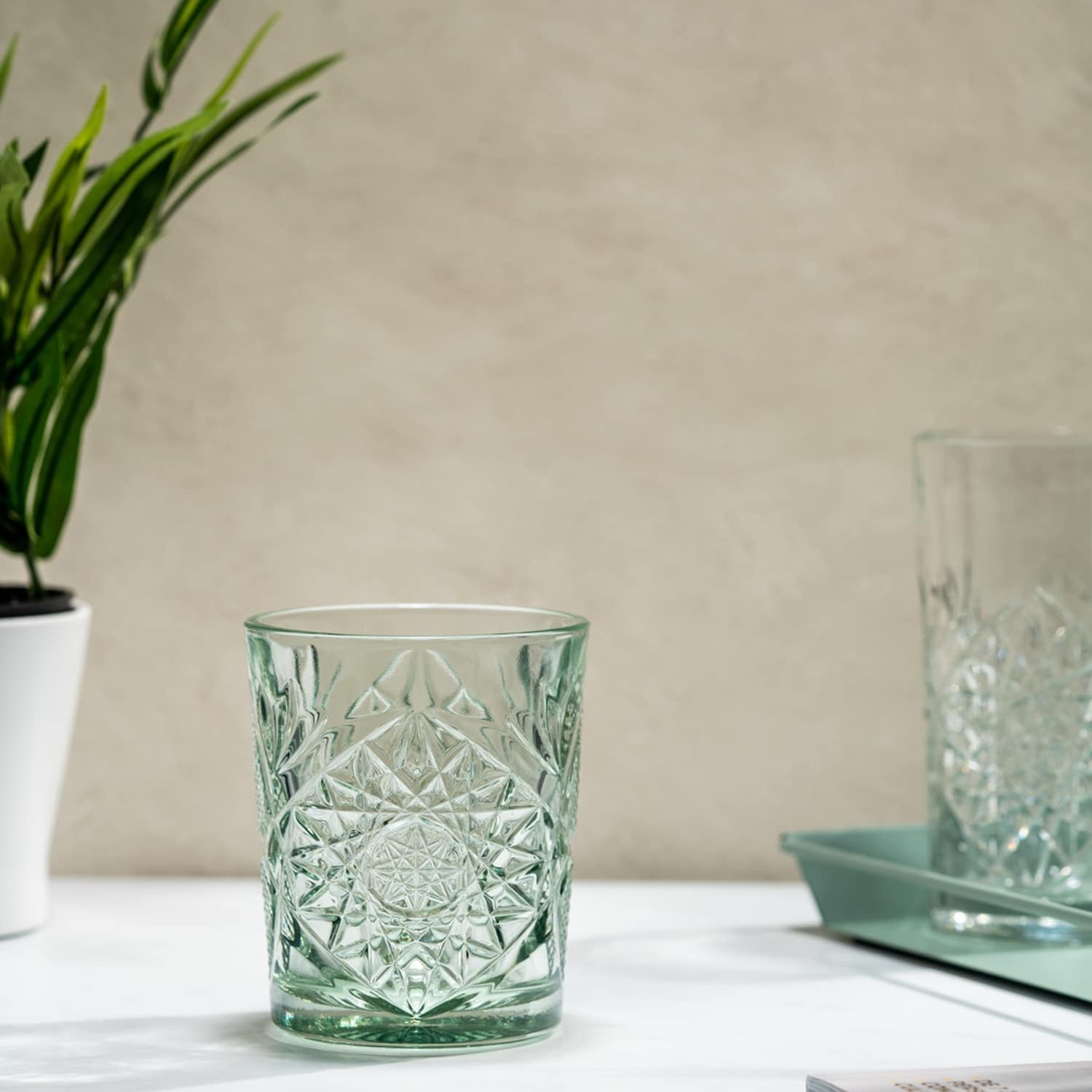
Pour red Languedoc wine into a spacious red wine glass, so the fruit and herbs have room to open up. For picpoul and rosé, choose a smaller glass. These are the glasses we recommend ourselves.


Everything you still wanted to know about wine from the Languedoc
Can't find your question? Read more about wine and food, or get in touch.
To wine and food →What is Languedoc wine?
What is Pays d'Oc?
What is the difference between Languedoc and Roussillon?
What is Picpoul de Pinet?
How much alcohol is in wine from Languedoc?
What do you eat with wine from Languedoc?
Buy wine from Languedoc
Want the bottle delivered right away? Order wine from Languedoc online at Gall & Gall. Gall & Gall has 58, including 10 on offer.
Arrogant Frog Toasty and Buttery Chardonnay
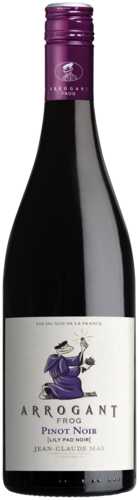
Arrogant Frog Pinot Noir
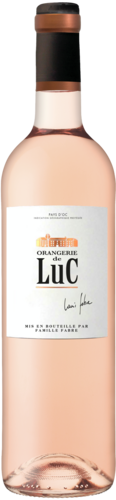
Orangerie de Luc Rosé
Prices as of October 8, 2026, as provided by Gall & Gall. You can find the current price and stock at Gall & Gall. Glazen.nl receives a small commission if you buy something through these links; you pay nothing extra. No 18, no alcohol.