

Merlot
Yes, merlot is red wine: it is a blue grape, and blue grapes make red wine. It is softer than cabernet sauvignon because the grape is fairly large and the skin thin, which means less pigment and tannin.


Red wine by grape and region
Four pages where we take a closer look at red wine: the category itself and three regions where a different grape takes center stage.
Red wine
Where the color and tannin in red wine come from, and which grape suits you best.
About red wine →


Valpolicella
The region in Veneto where corvina, rondinella and molinara come together in the blend.
About Valpolicella →A blue grape with a thin skin
Merlot is a blue grape, and blue grapes make red wines. Each grape gives a wine its own flavor, and merlot produces a smooth, rounded style: soft, fruity wines with a mild structure. That softness does not come out of nowhere. Merlot is a fairly large grape with a relatively thin skin, and compared with cabernet sauvignon, for example, that skin contains less pigment and less tannin. Less skin per grape therefore means less of the substances that make a wine dark and astringent. Merlot also ripens early and is the first of all blue grapes to be harvested.
Merlot originates in Bordeaux, where it is almost always mentioned in the same breath as its big brother, cabernet sauvignon. Especially on the Right Bank, in Saint-Émilion and Pomerol, the grape plays a key role in the blend; there, it provides rounded softness and fruitiness, with notes of plum, truffle and cedarwood. The two grapes complement each other: cabernet sauvignon contains more tannin and gives the blend firmness, power and a longer finish, while merlot gives the robust cabernet a softer side and refinement. Outside France, merlot takes on a style of its own in each country. In Tuscany and Friuli it is fresher and spicier, in Chile soft and fruity with plenty of red fruit, and in California rich and full-bodied with ripe black cherry, chocolate and vanilla.
In brief
From Bordeaux to Italy and Chile
The same grape, four countries and six clearly different bottles. Two from France, including a blend with cabernet sauvignon, one Italian wine that is fresher, and three Chileans that become increasingly fuller-bodied.
Jean-Pierre Moueix Saint-Émilion
Classic Right Bank Bordeaux, dominated by merlot with cabernet franc as well, from the most famous appellation on that bank. Rich and soft, with plum, berries and cedarwood.

Arrogant Frog Cabernet Sauvignon Merlot
The blend that Bordeaux is all about, here from Languedoc: cabernet sauvignon for structure, merlot for softness. Rounded on the palate, with blackcurrant and plum.

Ca'Bolani Merlot Friuli Aquileia
A merlot from DOC Friuli Aquileia, and exactly the fresher, spicier style Italy is known for. Lighter and fruitier than you may be used to, with strawberry, raspberry, spices and soft tannins.

Valdivieso Merlot
Pure merlot where the fruit deliberately takes centre stage: plums, strawberry and berries, with spices, coffee, chocolate and a slight smokiness. The approachable choice on the shelf.

La Palma Merlot
Smooth and approachable, with plum, blackberry, vanilla and liquorice. Beneath that are black cherries and a pleasant, soft palate with clear oak notes.

La Palma Reserva Merlot
Here, the term Reserva refers to ageing in oak, and you can taste it: ripe, concentrated and oak-aged. Note that this is not pure merlot, as it also contains syrah.
Cabernet sauvignon has a thicker skin, more tannin and aromas of blackcurrant and cedarwood. In a blend, it adds power and a longer finish.
Cherry, plum and blackberry, with a velvety finish
Red and black fruit
Soft red and black fruit such as cherry, plum and blackberry, often with a hint of chocolate, liquorice or vanilla. Older merlots also develop earthy truffle notes.
Smooth and rounded
Smooth tannins and moderate acidity make merlot medium-bodied: it sits between light and full-bodied, rounded and not too powerful. Usually dry, but the red fruit makes it seem milder than truly crisp, dry wines.
Warm and velvety
A warm, velvety finish, with some bottles showing hints of smoke or chocolate. Merlot from a cool climate, by contrast, tastes fresh and lively.
An average across the entire range. An Italian merlot from Friuli is fresher and lighter, while a Californian or oak-aged bottle is fuller.
How to serve merlot
Merlot needs little: slightly cooler than room temperature, fifteen minutes open and a large glass. Decanting is rarely necessary.
Chill to 14 to 18 degrees
Serve a young, fruity merlot slightly cooler, around 14 to 16 degrees, as this brings out the fresh fruit more. Fuller merlots are best served at room or cellar temperature, around 18 degrees. Store the wine in the dark and on its side, at a constant temperature of about 12 degrees.
More about red wine →Aerate instead of decanting
If you have a young merlot, open the bottle 15 to 30 minutes before drinking. Often even that is unnecessary, since pouring it into the glass already exposes it to enough oxygen. Decanting literally means pouring the wine from one vessel into another and gives it more oxygen; this is mainly for young, firm red wines, half an hour to three hours beforehand.
To the decanters →Pour to below the widest part
Pour red wine to just below the widest part of the glass, so you can swirl it without spilling. As a rule of thumb, one bottle fills six glasses, so about 12.5 cl per glass. Hold the glass by the stem, because wrapping your hand around the bowl warms the wine.
The right glass →Cocktails with merlot
Merlot is a wine for meals and drinks, not a mixing base: cocktails made specifically with merlot do not exist. However, the first two below are simply made with red wine; the other two are wine cocktails with sparkling wine.

Sangria
Red wine with pieces of fruit and plenty of ice, meant to be served in a pitcher at the table.
Tinto de Verano
Summer red wine: mixed with sparkling lemonade and poured over ice.
Kir Royal
Crème de cassis at the bottom of the glass, gently topped up with a dry sparkling wine.
Aperol Spritz
Aperol, prosecco and sparkling water in a large glass with ice, garnished with a slice of orange.The right glass for merlot
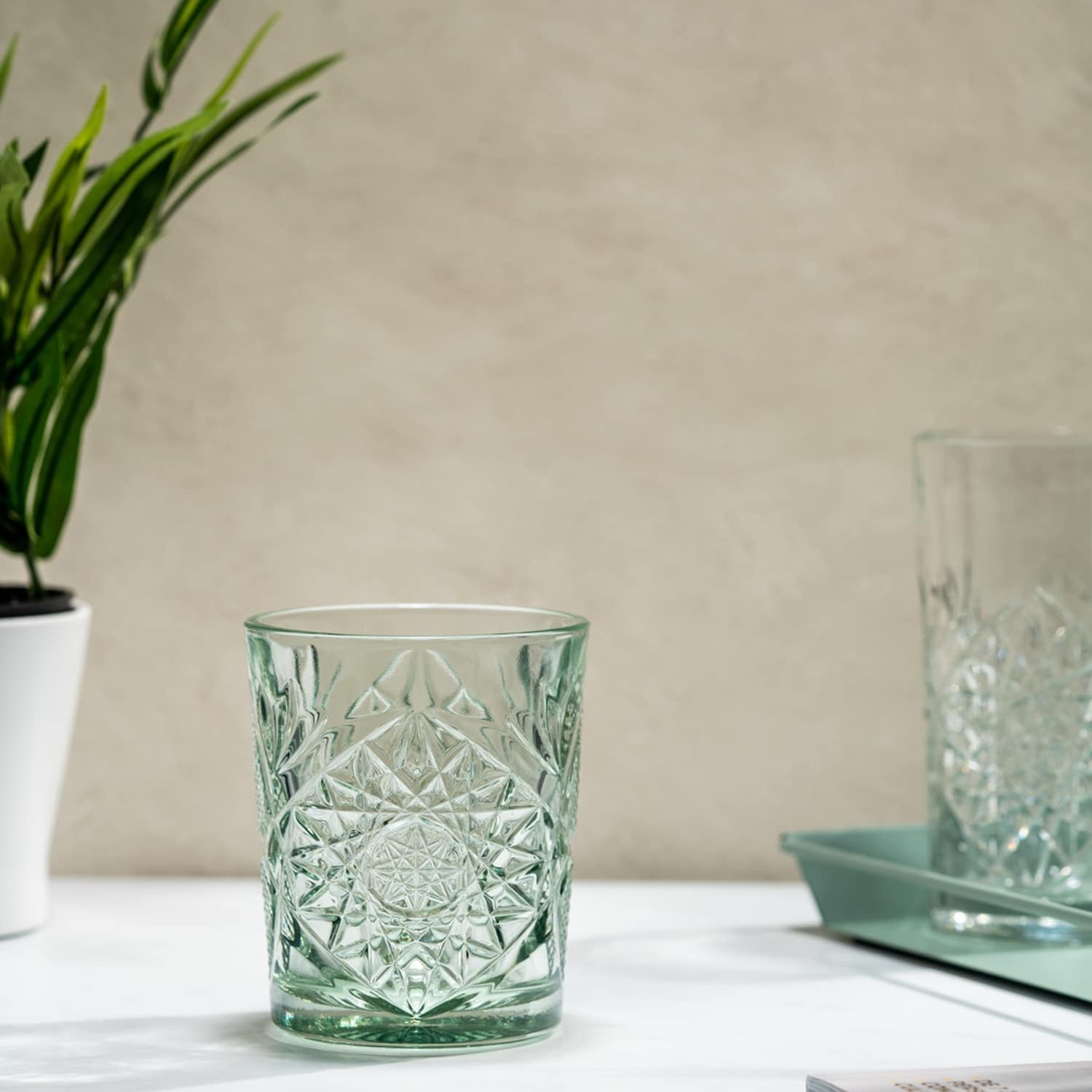
Red wine often benefits from a little extra oxygen, so the glass is larger and wider than one for white or rosé. The bowl should be wide enough to swirl the wine. These are the glasses we recommend ourselves.


Everything you still wanted to know about merlot
Can't find your question? View our cocktail recipes or get in touch.
To the cocktail recipes →