





Wine at the right
temperature
First, look up the range for your wine. Sparkling 6 to 8 degrees, light white 8 to 10, full-bodied white 10 to 12, rosé 8 to 10, light red 12 to 14, full-bodied red 16 to 18, port and madeira 12 to 16, dessert wine 6 to 8. A refrigerator is usually at 4 to 6 degrees, so that’s much too cold for red wine and often just a little too cold for white.
If you’re in a hurry, put the bottle in a bucket with water, ice and a generous handful of salt. Water conducts cold much faster than air, and the salt lowers the temperature of the melting water. A bottle at room temperature will reach serving temperature in about twenty minutes. The freezer works more slowly, cools unevenly and is almost always forgotten.
If the bottle is too cold, hold it with both hands around the body, or pour a glass and hold the bowl for a moment. Don’t put it in warm water or the microwave: the outside will heat up much faster than the core, giving you a wine with an uneven temperature.
Fill the glass to about one-third and put the bottle back in the cooler or refrigerator. The temperature in the glass naturally rises: allow for a few degrees in half an hour, and faster if you hold the bowl. That’s why it’s better to pour a small glass more often than one full glass at once.
What did you think of this explanation?
One click on a star is enough. If you’d like to add something, we’ll read it first before it appears here.
Save this page
Send this page to your own email so you have the instructions at hand when you start serving. You’ll also receive a €5 discount code on orders from €50 for the glasses that go with it.
The story
Room temperature is the best-known misconception in the world of wine. The term comes from a time when a living room in winter was around fifteen degrees, with a stove in one room and cold hallways beside it. A modern living room is kept at twenty to twenty-two degrees, which is too warm for almost every red wine: the alcohol becomes more noticeable, the wine feels heavy, and its freshness disappears. So anyone serving red wine at room temperature is often serving it five degrees too warm. Half an hour in the fridge before the bottle comes to the table usually brings it to just the right temperature.
The right glass
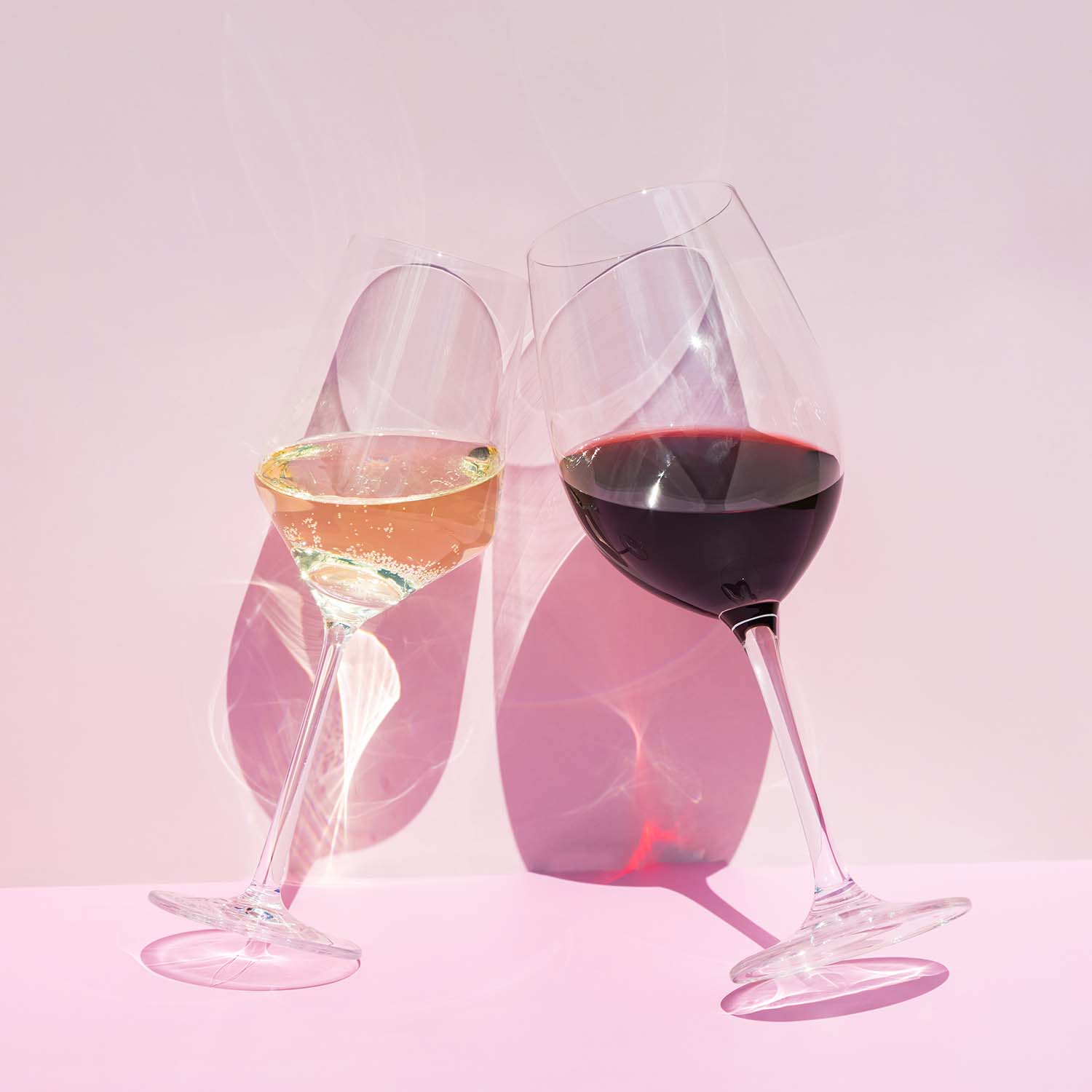
The glass can work for or against you. A bowl that narrows towards the top keeps the cool air above the wine better, while a smaller glass that you drink from more quickly gives the wine less time to warm up. A large bowl is pleasant for the aroma, but a chilled white wine warms up faster in it. Always hold the glass by the foot or stem, because wrapping your hand around the bowl can raise its temperature by a degree or two within just a few minutes. The two below are in the wine glasses collection; if you want to choose by color, see the white wine glasses and red wine glasses.

Chef & Sommelier Open Up Wine Glass 47 cl (6 pieces)

RCR Melodia Wine Glass 28 cl (6 pieces)
Both sets together € 97,90.
The right tools
To keep a bottle of wine at the right temperature, you need more than just the glass: use a wine cooler or an ice bucket tall enough to submerge the bottle up to the neck. The bar tools below help with the ice water: an ice cube tray for large cubes that melt slowly and a bar spoon for stirring the water. These are the bar tools we use ourselves; you can find everything in our bar tools & cocktail sets.


Glass set (our choice 01) + 2 bar tools together € 83,85.
Which wine goes with this?
Each type has its own range. Below are the serving temperatures we use, from ice-cold sparkling wine to a full-bodied red that can be served slightly warmer. On each drink page, you can read the alcohol percentage, what it tastes like, which cocktails it pairs with and which glass you need.


Variations & twists
Serve Port and Madeira at 12 to 16 degrees, so cooler than red wine and warmer than white. Dessert wine should be served at 6 to 8 degrees, because the cold balances the sweetness. Fino sherry should be served at 6 to 8 degrees and oloroso at 12 to 14. And a light red wine, a smooth bottle without heavy tannins, often benefits from being placed in the refrigerator for half an hour before serving. Want to read more? View all drinks and brands.
Servingtip
Do not put the bottle on the table but next to it, in a cooler or bucket, and pour from there. This keeps the wine remaining in the bottle at the right temperature while the wine in the glass slowly warms on the table. If you do not have a cooler, put the bottle back in the refrigerator between rounds; that easily saves a few degrees over the course of an evening.
Good to know
The temperature for each type at a glance
Sparkling wine 6 to 8 degrees. Light white wine 8 to 10. Full-bodied white wine 10 to 12. Rosé 8 to 10. Light red wine 12 to 14. Full-bodied red wine 16 to 18. Port and Madeira 12 to 16. Dessert wine 6 to 8. Being one degree off is something no one will notice; being five degrees off means you taste a different wine.
Why being too cold or too warm is disruptive
Aromatic compounds only evaporate when it is warm enough. In a wine that has just come out of the refrigerator, they remain in the liquid, so you can hardly smell anything and mainly taste sourness and bitterness. As the temperature rises, the alcohol evaporates faster than the rest; it then hits the nose sharply and overpowers the aroma of the fruit. The ideal range lies in between.
Room temperature is an outdated term
The expression dates back to a time of cold houses, when a room in winter was around fifteen degrees. A modern living room is twenty degrees or more, which is too warm for red wine. So interpret room temperature as about sixteen to eighteen degrees, not as the temperature of your living room.
Getting a bottle cold quickly
Ice water works faster than the freezer because water removes heat much better than air. Fill a bucket that is high enough with half water and half ice, add a generous handful of salt and put the bottle in up to the neck. A room-temperature bottle reaches serving temperature in twenty minutes. In the freezer, it takes over an hour, and an unattended bottle can freeze and burst.
What the glass does to the temperature
A poured glass warms by a few degrees over half an hour, and faster if you hold the bowl in your hand or if the glass is in the sun. That is why it is better to pour a small glass more often and hold the glass by the stem or base. A smaller glass and a bowl that narrows toward the top both help keep the wine cool for longer.
Frequently asked questions
At what temperature do you serve red wine?
A full-bodied red wine at 16 to 18 degrees and a light red at 12 to 14. That is cooler than a modern living room, which is usually at twenty degrees or more. Half an hour in the refrigerator before the bottle comes to the table usually brings a full-bodied red to just the right temperature.
How do you chill a bottle of wine quickly?
Place it in a bucket filled half with water and half with ice, adding a generous handful of salt, up to the neck. Water removes heat much faster than air, and the salt lowers the temperature of the melting water. Allow about twenty minutes from room temperature. In the freezer, it takes over an hour.
Can white wine go in the freezer?
You can, but it is the slowest and riskiest method. An unattended bottle will freeze, and because frozen wine expands, the bottle can burst or the cork can be pushed out. Ice water with salt is faster, and you are less likely to forget the bottle. If you do put it in the freezer, set an alarm.
How quickly does wine warm up in the glass?
Expect a few degrees of warming within half an hour at room temperature, and faster if you hold the bowl in your hand or the glass is standing in the sun. That is why you should pour to about one-third full, hold the glass by the stem and put the bottle back in the cooler or refrigerator.
Also delicious
Everything for your bar,
to one address
Glasses in catering quality, delivered per set. Order today, delivered quickly.
Shop the glasses →