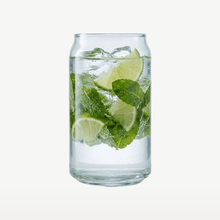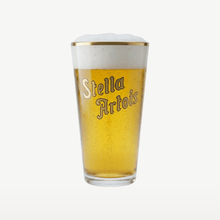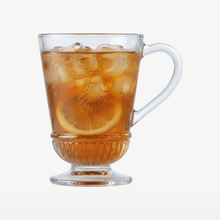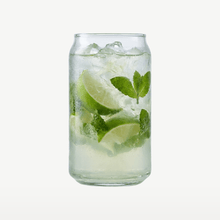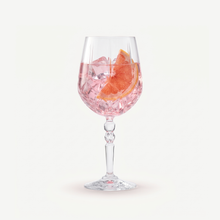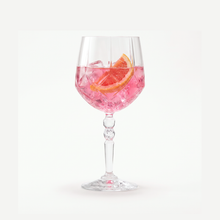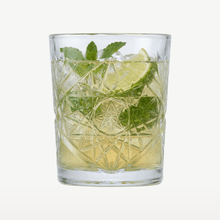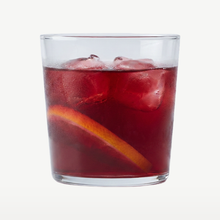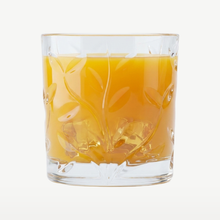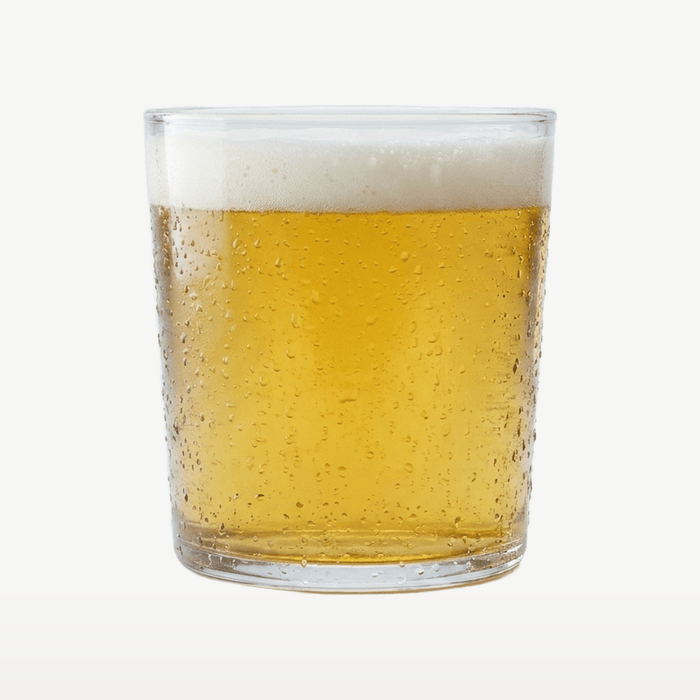
Bormioli Rocco Bodega Beer Glass 35 Cl - 12 Pieces
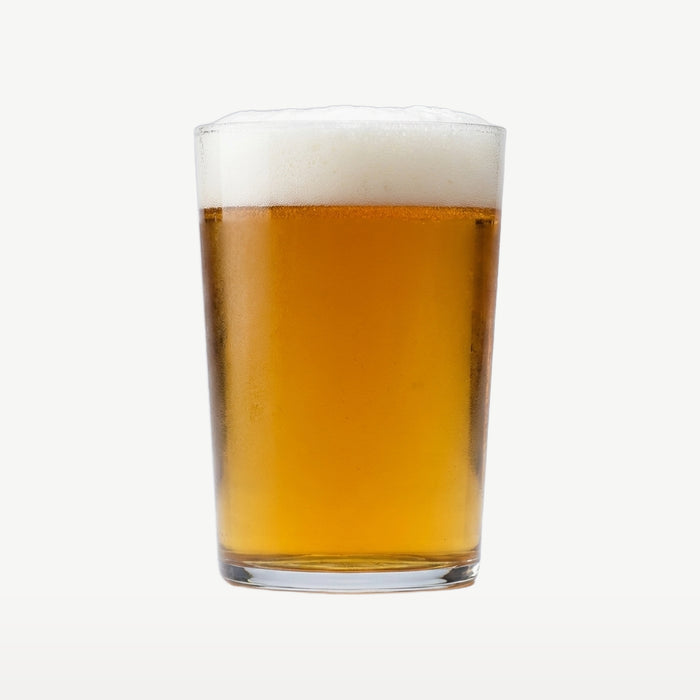
Bormioli Rocco Bodega Beer Glass 50 Cl - 12 Pieces

Mammoet Budgetline Fluitje Beer Glass 19 Cl - 12 Pieces

Mammoet Budgetline Amsterdam Beer Glass / Vase 34 Cl - 12 Pieces

How to pour
an IPA in
Rinse the glass with cold water and shake it out, but don’t dry it. A wet, cold surface slows foam formation just enough to keep the head manageable, and grease or soap residue is the main reason a head collapses right away. Take the bottle out of the fridge fifteen minutes before pouring, because more aroma comes through at 7 to 10 degrees than when it’s ice-cold.
Hold the glass at an angle of about forty-five degrees and slowly pour the beer down the side. This releases the carbonation gradually rather than all at once. Pour until the glass is a little over half full, keeping the bottle close to the rim so no foam forms yet.
Then stand the glass upright and pour the rest from a little higher up, into the middle of the beer. This builds the head of foam. Two to three centimeters is enough: the head seals the beer and keeps the hop aromas lingering above the liquid for longer. Leave a little in the bottle if there’s yeast at the bottom.
Smooth the head with a wet spatula if you want it neat, or just leave it as it is. Smell it before you drink: with an IPA, most of the story is in the aroma. Give the beer two minutes; the temperature will rise just enough to round out the bitterness.
What did you think of this explanation?
Just click a star once. If you'd like to add a comment, we'll review it before it appears here.
Save this page
Email this page to yourself so you have the explanation handy when you pour. You'll also get a € 5 discount code on orders of € 50 or more, for the glasses that go with it.
The story
India Pale Ale takes its name from British beer shipped to India in the nineteenth century. The story that brewers added extra hops because hops work as a preservative is told everywhere, but it's a major oversimplification. Historians add some nuance: heavily hopped, strong pale ales had existed for a long time, other beers survived the journey just fine, and the name itself only caught on later. It's true that hops help prevent spoilage; that this was the reason for the entire style is much less certain. In any case, the IPA you drink today is mainly an American reinterpretation.
The right glass
With an IPA, most of the experience is in the aroma, and you want to let as little of it escape as possible. A tulip shape with a slightly inward-curving rim concentrates the hop aromas above the beer while maintaining a sturdy head. A stem helps too, since your hand won't warm up the beer. Fortunately, that shape is readily available, so we didn't have to compromise. Straight, narrow pilsner glasses do exactly the opposite; you'll find those with the pilsner glasses.

Stölzle Lausitz Craft Beer Glass, 43 cl (6 glasses)

Pasabahce Tulipe Beer Glass with Stem 38.5 cl (6 pieces)
Both sets together € 53,90.
The right tools
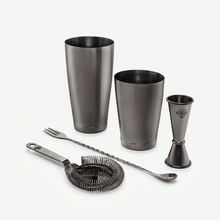
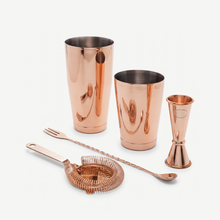
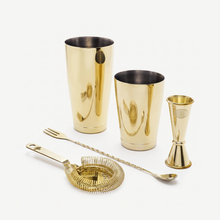
You don't need bar tools for an IPA, just a glass rinsed with cold water. But when there's more on the table, we do like to have a citrus juicer and a set of cocktail picks for the snacks. These are the bar tools we use ourselves; you'll find them all in our bar tools & cocktail sets.


Glass set (our pick 01) + 2 bar tools together € 75,85.
Which spirit goes with this?
With an IPA, the beer itself takes center stage, and spirits are, at most, a companion. If you do serve something alongside it, choose something with its own spicy or woody character: whisky, gin or jenever. Each spirits page tells you the alcohol percentage, what it tastes like, which cocktails it works in and which glass you need.


Variations & twists
Within the style, there's plenty of variety. A session IPA keeps the same hop profile at a lower alcohol percentage, roughly 3 to 5 percent, while a double or imperial IPA reaches around 8 to 10 percent, with more malt underneath. A West Coast IPA is dry and resinous, a hazy New England version is soft and fruity, and a black IPA adds roasted malt without skimping on the hops. Want to read more? See all drinks and brands.
Servingtip
Serve an IPA at 7 to 10 degrees, not colder: ice-cold beer releases hardly any aroma, which takes away the very thing you're drinking it for. Don't set out a second bottle until 15 minutes beforehand. Smell it before your first sip, then again when the glass is half empty, because the aromas change as the beer warms up.
Good to know
What IBU does and doesn't tell you
IBU stands for International Bitterness Units and measures how much iso-alpha acid from hops has dissolved in the beer. A pilsner is often around 20 to 30, while an IPA is usually between 40 and 70. A higher number doesn't automatically mean it tastes more bitter: residual sweetness, alcohol, and a fuller mouthfeel soften the bitterness. So IBU is a measurement, not a judgment of taste.
American versus English
English IPA leans on earthy, spicy, and floral hop varieties and a distinct malt base, resulting in a rounder, drier bitterness. American IPA uses hops with citrus, grapefruit, pine resin, and tropical fruit, with less malt underneath and a sharper finish. Both are called IPA, so check the label or ask rather than going by the name alone.
Session, standard, and double
A session IPA maintains its hop profile at roughly 3 to 5 percent alcohol. A regular IPA is usually between 5.5 and 7 percent. A double or imperial IPA rises to about 8 to 10 percent, with more malt and more hops to balance that strength. These percentages are guidelines, not rules; the label always has the final say.
Freshness makes all the difference with this style
Hop aroma fades quickly. The volatile compounds in hops evaporate and oxidize, and light and heat speed up the process. As a result, an older IPA tastes flatter and develops a cardboard-like note, while the bitterness remains. Check the brewing or best-before date, store the bottle cold, dark, and upright, and preferably drink it within a few months rather than after that.
Why 7 to 10 degrees
At refrigerator temperature, aromatic compounds are less volatile, so you smell less. At 7 to 10 degrees, the hop aromas open up without the bitterness becoming harsh and sharp. So take the bottle out of the fridge 15 minutes beforehand, or pour it and give the glass two minutes.
Frequently asked questions
What is an IPA?
IPA stands for India Pale Ale, a beer style where hops take center stage. They bring aromas of citrus, grapefruit, tropical fruit, or resin, along with a pronounced bitterness. The style originated in England and was reinvented in the United States.
Why is an IPA bitter?
The bitterness comes from the alpha acids in hops, which dissolve and convert into iso-alpha acids during boiling. The longer and the more hops are boiled, the more bitterness ends up in the beer. Hops added later or after fermentation mainly contribute aroma, with very little bitterness.
What glass should you use for an IPA?
A tulip-shaped glass of about 38 to 44 cl, preferably with a stem. The inward-curving rim concentrates the hop aromas and keeps the head in place, while the stem prevents your hand from warming the beer. A 33 cl bottle fits easily, with room for the head.
How long does an IPA keep?
It keeps for a long time, but its best qualities don’t. The hop aroma noticeably fades within a few months, especially if the bottle is stored somewhere warm or in the light. So buy IPA fresh, keep it cold and dark, and preferably drink it within a few months.
Also delicious
Buy IPA
Want the bottle delivered straight to your door? Order IPA online at Gall & Gall. Gall & Gall has 21.
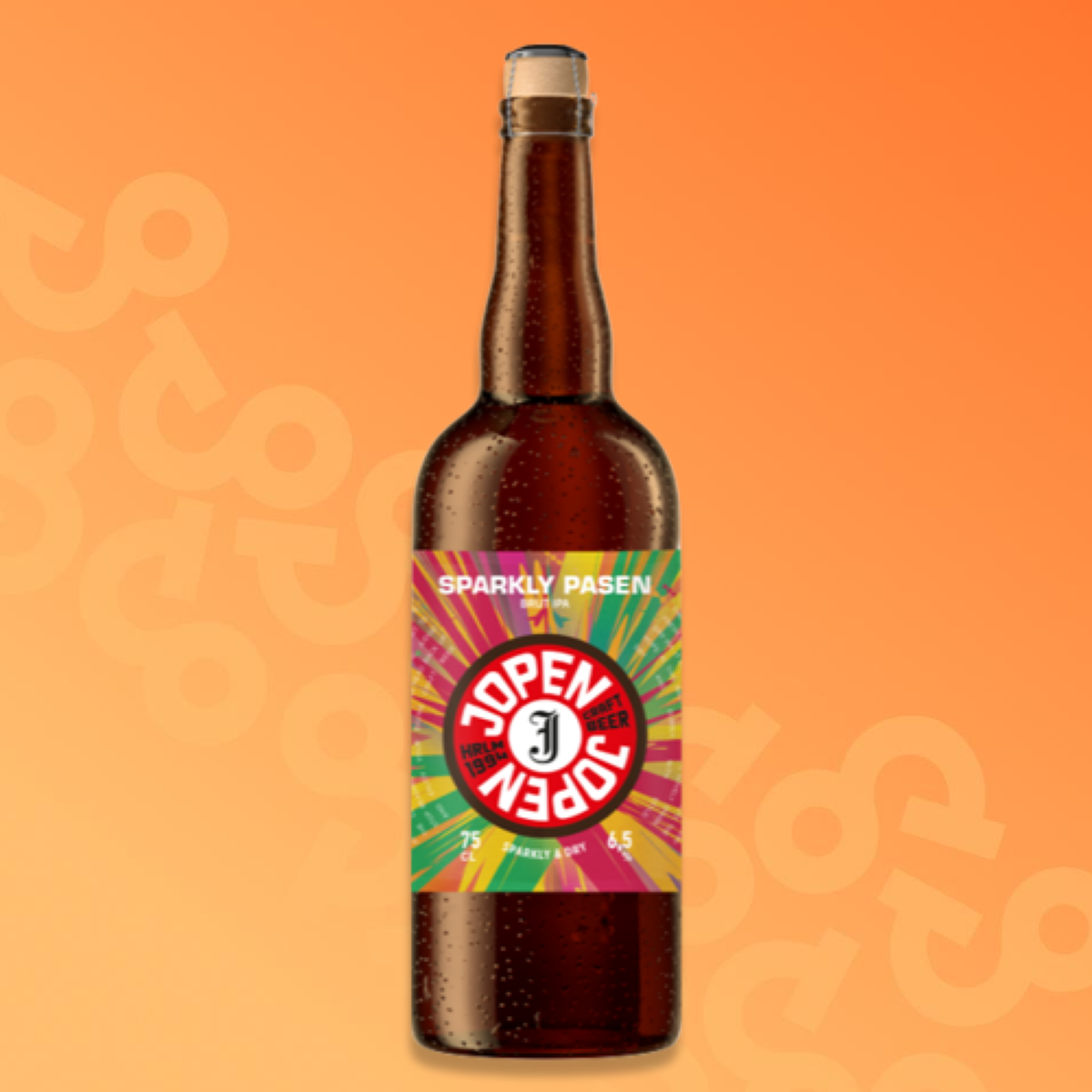
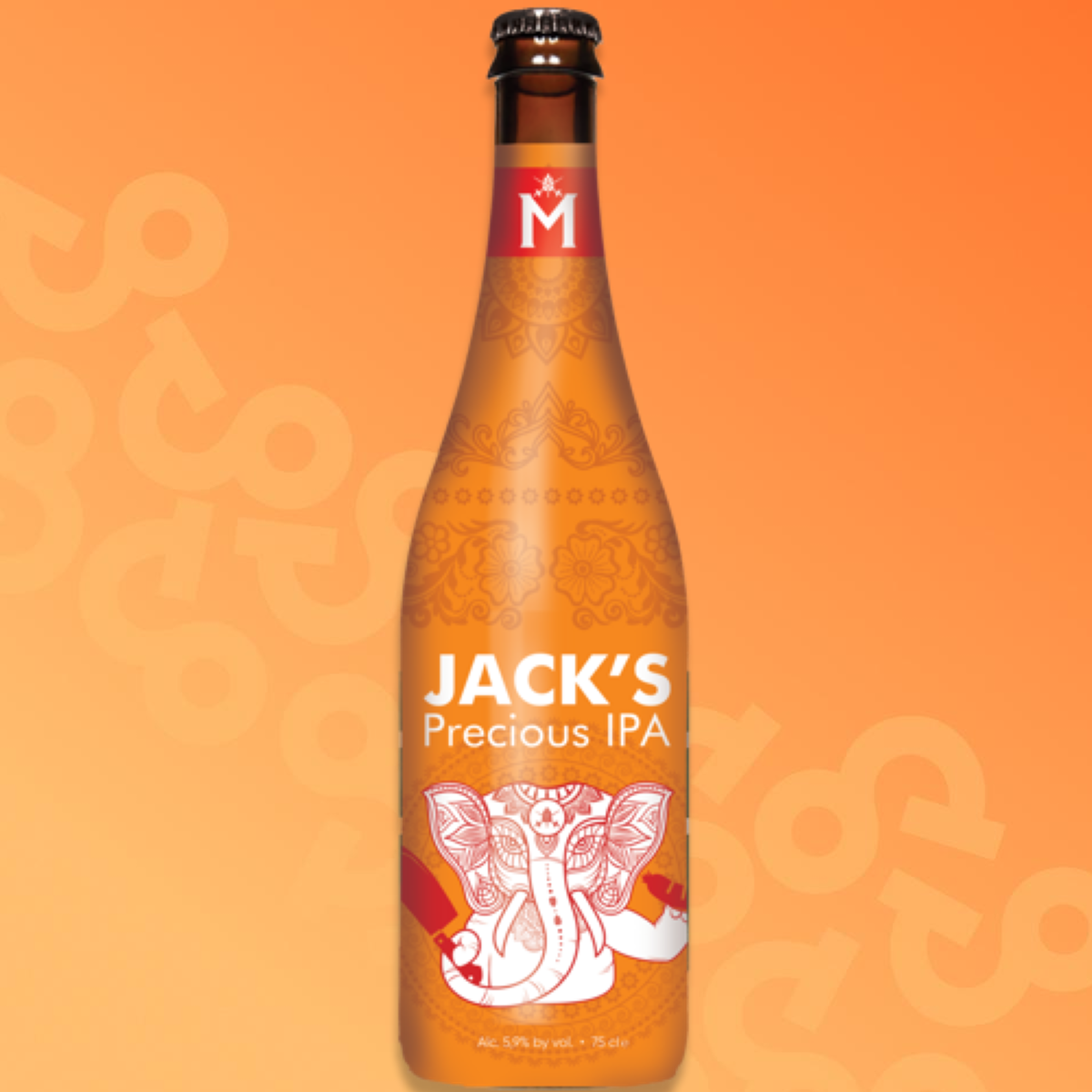
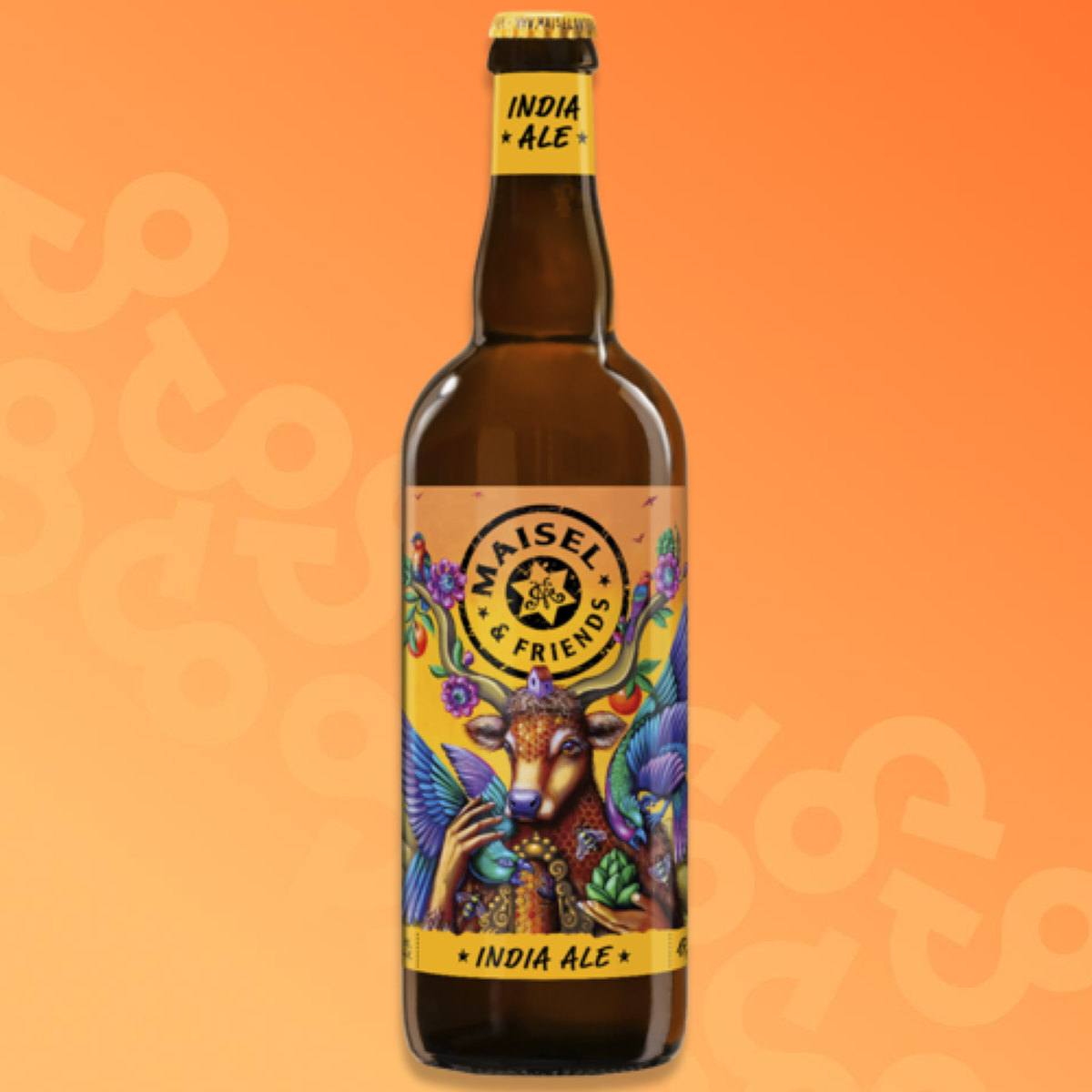
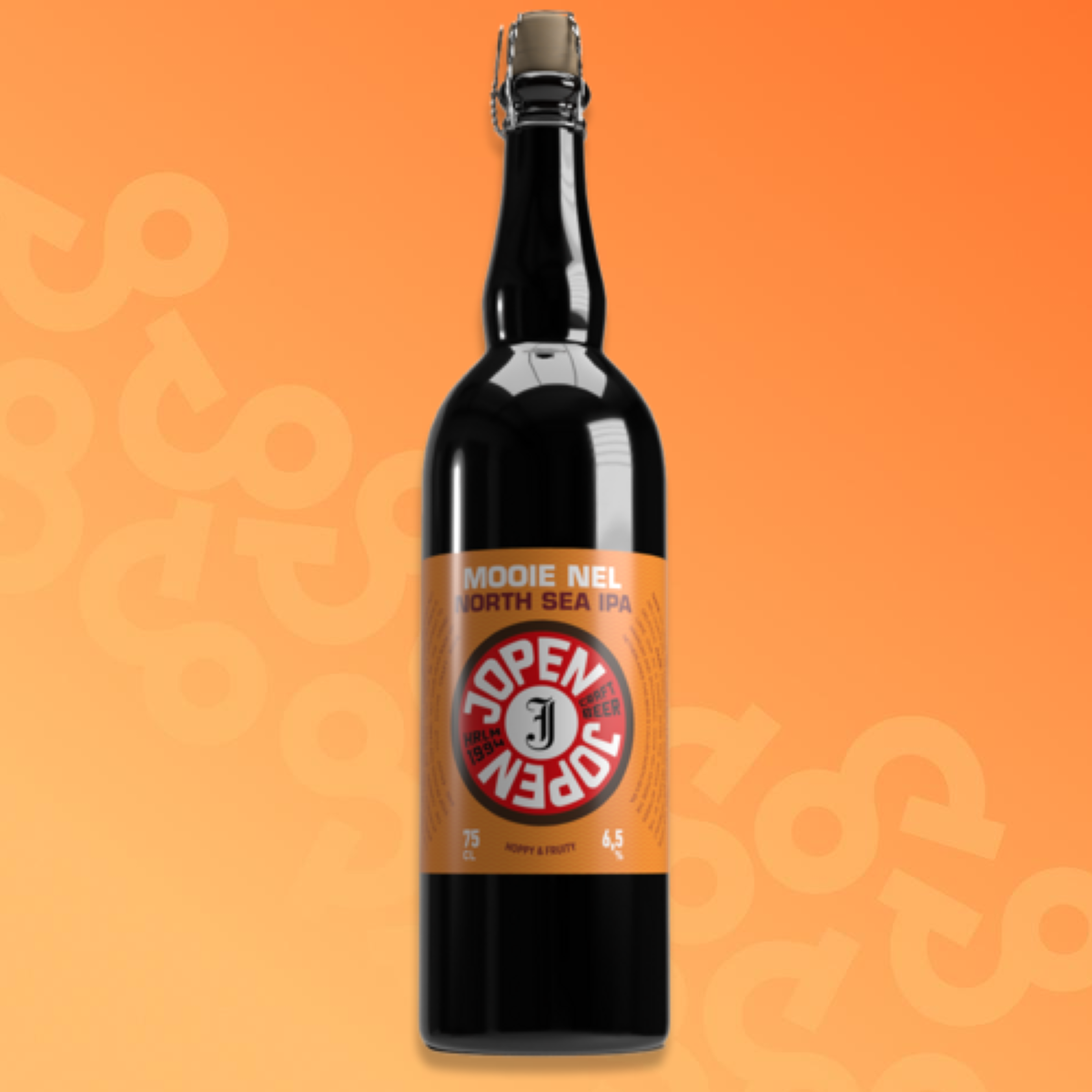
Prices as of November 3, 2026, as provided by Gall & Gall. Check the current price and stock at Gall & Gall. Glazen.nl receives a small commission if you buy something through these links; you pay nothing extra. No one under 18, no alcohol.
Everything for your bar,
at one address
Glasses in hospitality quality, sold in sets. Order today, delivered quickly.
Shop the glasses →