Beerenburg
The Frisian herbal liqueur that was actually invented in Amsterdam. What beerenburg is, where the name comes from, how to drink it, and which glass to serve it in.


The brands behind beerenburg
Two northern family businesses, and the German herbal liqueur it is most often compared with.
Sonnema Berenburg
The Frisian brand from Bolsward that made the category big, and the bottle found in almost every bar in the north.
About Sonnema Berenburg →Hooghoudt
Groningen family business with two beerenburgs: the 74-herb version and the calamus version with three more.
About Hooghoudt →Underberg
The German herbal liqueur in a 2 cl bottle, at 44%. Not beerenburg, but it plays the same role after a meal.
About Underberg →Our liquor page features all the brands we cover, from liqueur to whisky.
Every beerenburg, listed by brand
2 brands and 5 flavors, each with its own page about taste, cocktails, and the right glass.


Frisian liquor, invented in Amsterdam
Beerenburg is jenever with an extract of herbs added: juniper, gentian root, bay leaf, and a range of others, depending on the recipe. The result is a dark, bittersweet herbal bitter that is almost always 30% ABV. It is inseparably linked to Friesland, and rightly so: it is made there and drunk there more than anywhere else. But the herbal blend originally comes from Amsterdam.
The name refers to Hendrik Beerenburg, an Amsterdam pharmacist who sold a mixture of herbs in the eighteenth century that you could steep in jenever yourself. Frisian skippers took it with them, and in Friesland it grew into what it is today. So it has nothing to do with a bear’s den, despite that explanation often being given. You’ll see both spellings: beerenburg with a double e, and berenburg, as Sonnema spells it on its label.
In brief
Four bottles, all around 30%
The alcohol percentage is virtually the same across the board. The difference lies in the number of herbs and how bitter the blend turns out.
Sonnema Berenburg
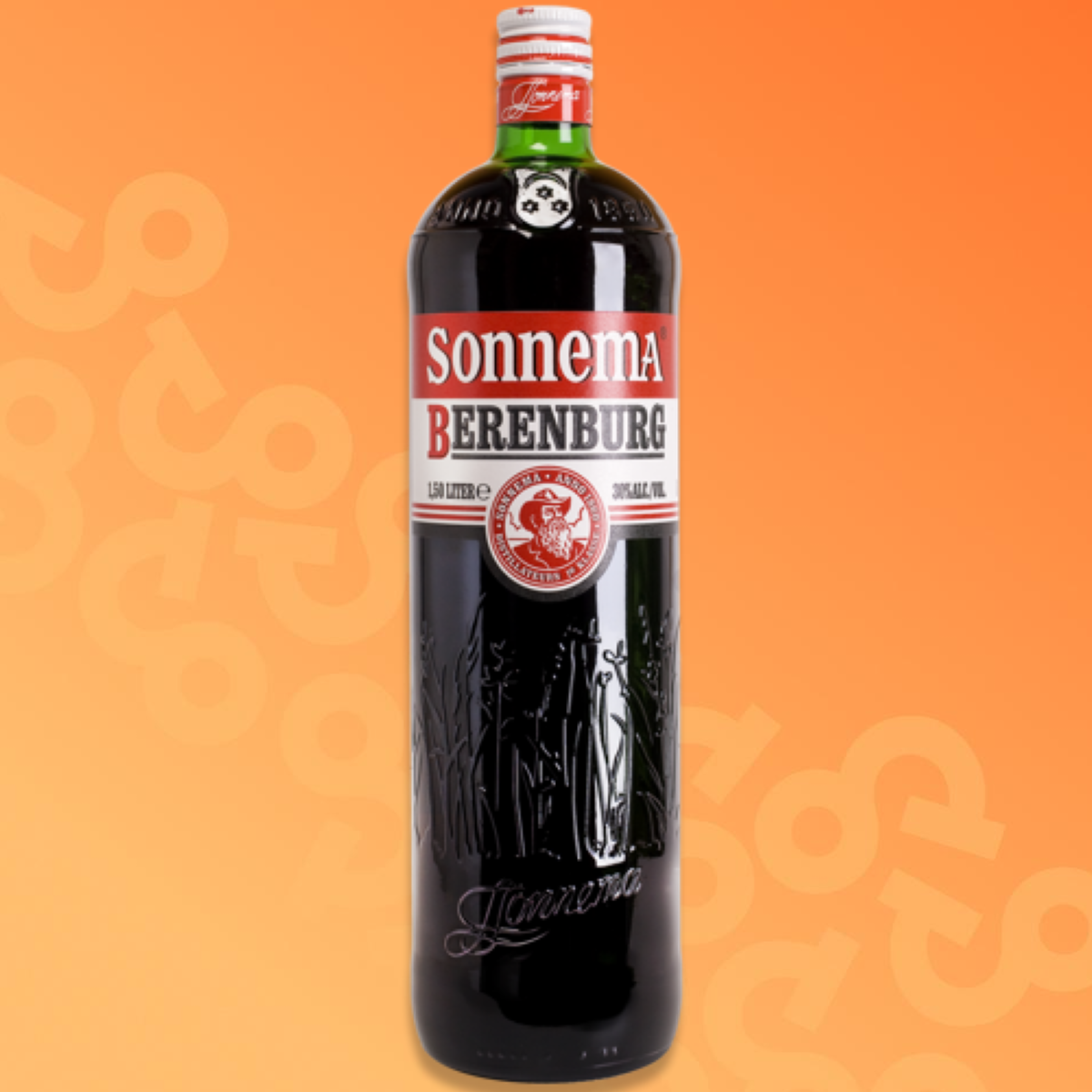
The best-known bottle of all, from Bolsward. Bittersweet and herbal, with a smooth finish. The benchmark for this category.
Hooghoudt Beerenburg 74
From Groningen’s Hooghoudt, with seventy-four herbs in the blend. More complex and more distinctly bitter than most.

Hooghoudt Calamus
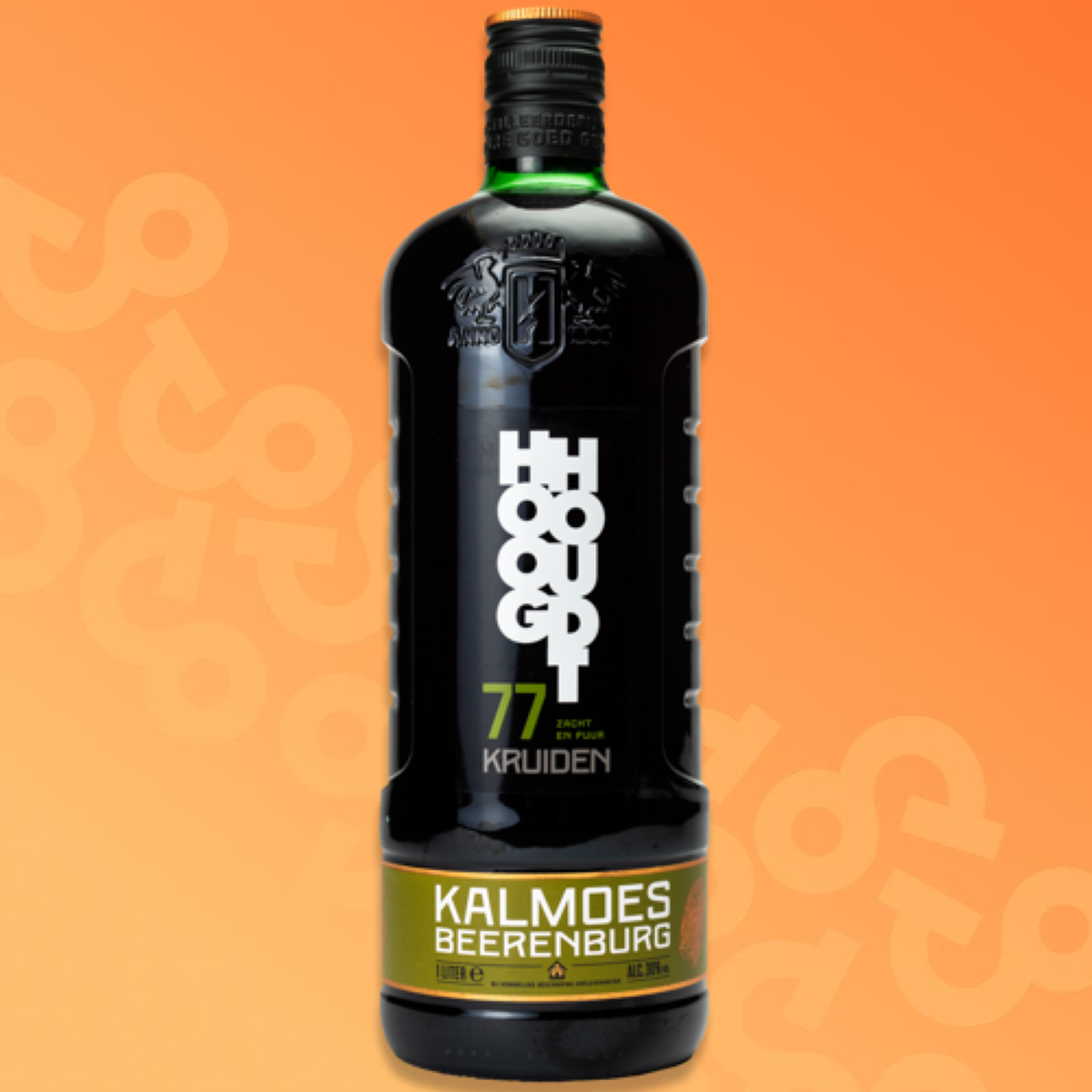
Made with calamus root and seventy-seven herbs. More herbal and slightly sweeter than the 74, with a distinctly warmer finish.
Underberg
Not beerenburg, but its German counterpart, in 2 cl bottles. Much more bitter and considerably stronger; intended as a digestif.
Sonnema if you’re just starting out, Hooghoudt 74 if you’re looking for more pronounced bitterness.
Bittersweet, with gentian and bay leaf
Herbs & juniper
Dried herbs, bay leaf, and juniper, with an earthy note of gentian root underneath. Dark and instantly recognizable.
Bittersweet and warm
Sweet at first, bitter in the middle, with a lingering warmth from the spices. At 30%, it’s much smoother than a German herbal bitter.
Long and bitter
The gentian lingers longest and gives it a dry, bitter finish. That's exactly why it works as a digestif.
Sonnema Berenburg flavor profile. Hooghoudt 74 scores higher on spice and lower on sweetness; Underberg scores more strongly across all points.
Three ways to drink Beerenburg
In Friesland, it's served ice-cold, and there's little to argue with: the cold dulls the bitterness just enough.
Ice-cold from the freezer
3 to 4 cl in a small liqueur glass, straight from the freezer. At 30% ABV, it won't freeze, but it will become syrupy, and the bitter herbs go down much more smoothly.
Glass: liqueur glass →With cola
5 cl in a longdrink glass full of ice, topped up with cola. The sweetness of the cola balances the bitterness; it's a regular order at bars in the north of the country.
Glass: longdrink glass →As a digestif
4 cl at room temperature after a heavy meal. Herbal bitters were made for exactly this purpose, and the gentian does the work here. Served warm, you can taste more of the blend.
About herbal bitters →Cocktails with Beerenburg
Beerenburg isn't a cocktail base but a sipping drink. It does, however, work surprisingly well as a bitter component in a stirred cocktail.

Kopstoot
Usually made with young jenever, but Beerenburg is just as common in the north.
Hot Toddy
Hot water, honey, lemon and cloves. The spices blend seamlessly.
Negroni
Gin, Campari and red vermouth. A splash of Beerenburg adds an earthy note.
Make shots
The full collection of shot recipes, from layered to ice-cold from the freezer.The right glass for Beerenburg
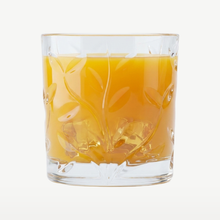
A small liqueur glass that can go in the freezer, and a longdrink glass for mixing with cola. These are the glasses we recommend ourselves.


Everything you wanted to know about beerenburg
Can’t find your question here? Check out our cocktail recipes or get in touch.
Go to the cocktail recipes →What percentage alcohol does beerenburg contain?
Where does the name beerenburg come from?
Is beerenburg Frisian?
What is the difference between beerenburg and berenburg?
What exactly is in beerenburg?
How do you drink beerenburg?
Buy beerenburg
Want the bottle delivered straight to your door? Order beerenburg online at Gall & Gall. Gall & Gall has 19 varieties, 3 of which are on sale.
Prices as of November 16, 2026, as provided by Gall & Gall. You can see the current price and availability at Gall & Gall. Glazen.nl receives a small commission if you buy something through these links; it costs you nothing extra. No 18, no alcohol.