



How to pour it
a specialty beer in
Rinse the glass with cold water and shake it out without drying it. Grease and soap residue flatten the foam collar, and that collar is precisely what does the work in specialty beer. Set the bottle to the temperature appropriate for the style: wheat beer around 5 to 7 degrees, tripel and abbey beer 8 to 12, stout and quadrupel 10 to 14.
Hold the glass at an angle of about forty-five degrees and gently pour the beer against the side until the glass is more than half full. Strong beers with lots of carbonation need more patience here than a pilsner; it is better to go too slowly than too quickly, because you cannot undo a collar that overflows.
Set the glass upright and pour the rest in from slightly higher up, into the middle of the beer, until you have a collar of two to three centimeters. If there is yeast at the bottom of the bottle, choose deliberately: leave the last little bit behind for a clear glass, or swirl it in if you want the fuller, cloudy version.
Smooth the collar if you want it tight, or leave it as it is. If you taste several beers in a row, build up from light to heavy: start with wheat beer or blonde, then amber or dubbel, then tripel, and only afterward quadrupel or stout. Pour about ten centiliters per glass and have water and bread in between.
What did you think of this guide?
One click on a star is enough. If you would like to add something, we will read it first before it appears here.
Save this page
Send this page to your own email so you have the instructions at hand when you are going to pour. You will receive a € 5 discount code on purchases from € 50, for the glasses that go with it.
The story
Specialty beer is a Dutch term, and that is no coincidence. When pilsner dominated virtually the entire market here for decades, everything outside it was pushed into a catch-all category: specialty beer. Abroad, the term does not exist in quite the same way; people simply refer to the style, or talk about craft beer, which says something about the brewery rather than the taste. As a result, specialty beer in a shop can mean anything from a light wheat beer at five percent to a pitch-black imperial stout. So always look beyond the category to the style listed underneath it.
The right glass
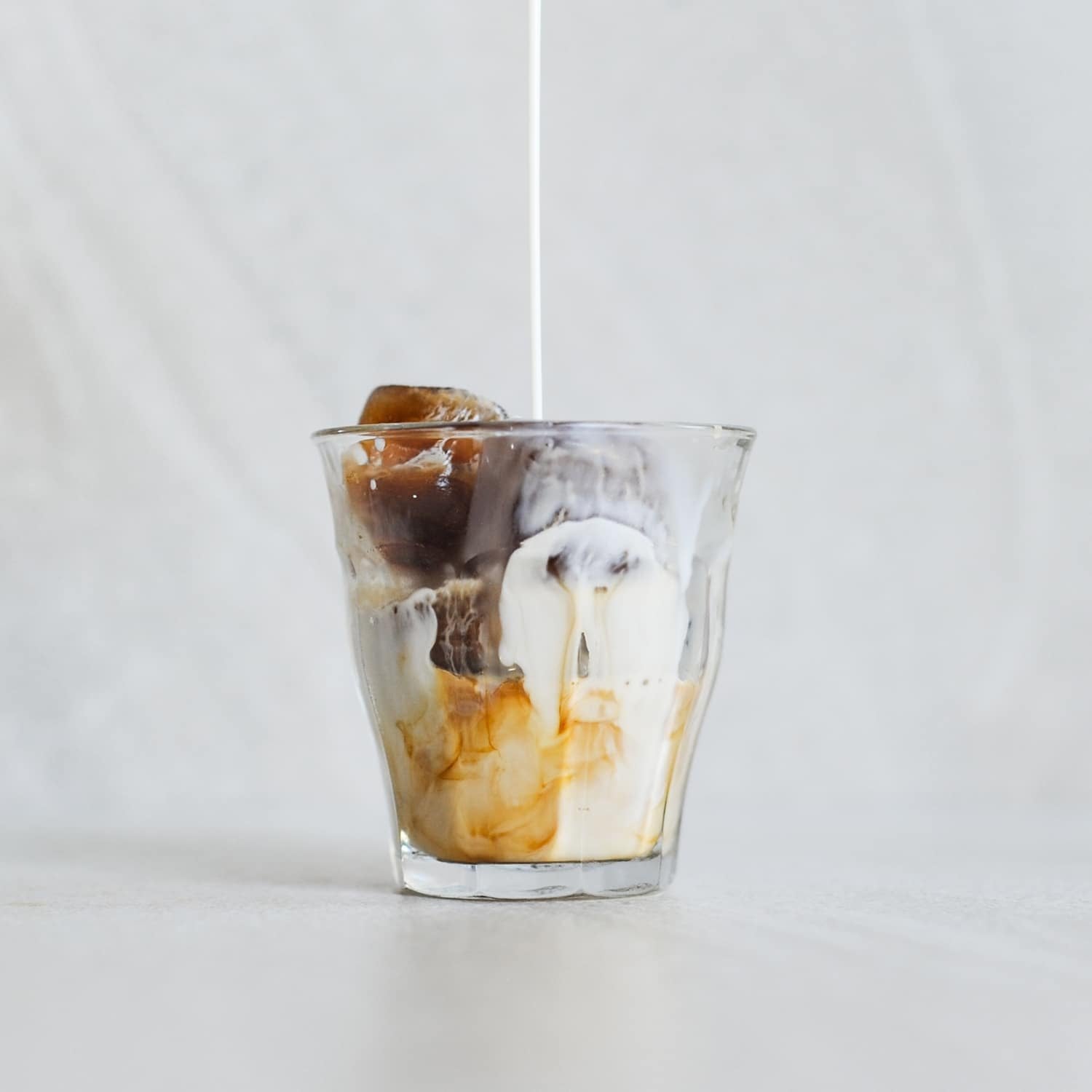
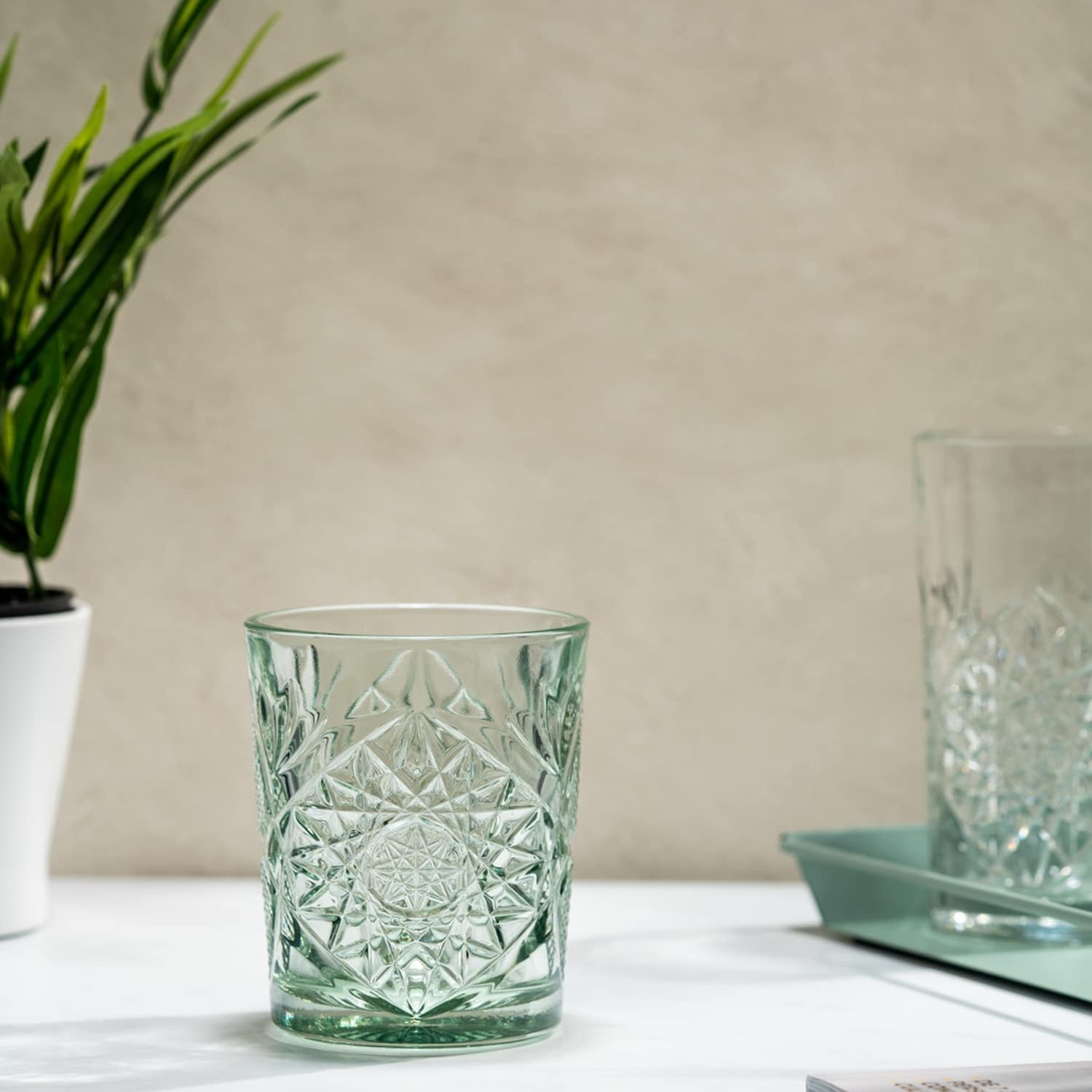
Because specialty beer is not one style but a collection of styles, there is no single glass that suits them all. A tulip glass with a slightly inward-curving rim works for tripel, blond and abbey beers because it concentrates the aroma and keeps the head standing. A bulbous glass with a wide bowl is for the strong, dark beers that you let warm up slowly. That is why these two are shown together here. To be fair, the English nonic pint, that straight glass with the bulge below the rim, is not part of our range, so for stout and porter, the closest option is a straight beer glass of around 40 cl. Belgian models are listed separately with the Belgian beer glasses.

Schott Zwiesel Beer Basic Classico Tulip Beer Glass 30 cl with Measuring Line (4 pieces)

Bormioli Rocco Snifter Beer Glass 53 cl (6 pieces)
Both sets together € 63,90.
The right tools
For specialty beer, you do not need bar tools, just the glass that suits the style. What does sit alongside it at a tasting is usually a set of cocktail picks for the cheese and sausage, and a citrus juicer if wheat beer with lemon is also being served. These are the bar tools we use ourselves; you can find everything in our bar tools & cocktail sets.


Glass set (our choice 01) + 2 bar tools together € 72,85.
Which spirit goes with this?
With specialty beer, the beer itself takes center stage, so there is no need for anything strong on the side. If there is still something served with drinks in the Netherlands, it is usually jenever, vieux or Beerenburg. On every drinks page, you can read the alcohol percentage, what it tastes like, which cocktails it works in and which glass you need.


Variations & twists
The category is so broad that you could spend years exploring it. If you stay on the lighter side, you’ll end up with witbier, blond and saison. In the middle are amber, dubbel and bock. On the heavier side are tripel, quadrupel, barley wine and imperial stout. And then there is the spontaneously fermented corner with lambiek, gueuze and kriek, which tastes sour rather than sweet and is more like wine than beer. Want to read more? View all drinks and brands.
Serving tip
Serve each style at its own temperature: witbier and weizen at 5 to 7 degrees, tripel and abbey beer at 8 to 12, stout and quadrupel at 10 to 14. Too cold and you can taste almost nothing; too warm and the alcohol will dominate. At a tasting, put one glass per guest on the table and rinse it with cold water in between, so you won’t have a cupboard full of glasses to wash.
Good to know
Not a style, but a category
Specialty beer only means that it is not pilsner. It makes no promise about color, flavor, bitterness or alcohol: a witbier of around five percent and a quadrupel of ten to twelve percent both carry that label. So always look for the style name below it, because that is what tells you what you will get in your glass.
Top-fermented, bottom-fermented and spontaneous
The classification starts with the yeast. Top-fermented beer ferments warm, at around 15 to 24 degrees, and the yeast collects at the top; these are ales, with tripel, witbier, saison and stout as well-known examples. Bottom-fermented beer ferments cold, roughly 5 to 12 degrees, and the yeast sinks to the bottom; these are lagers, including pilsner and bock. Spontaneously fermented beer is not inoculated but acquires wild yeasts and bacteria from the air, as with lambiek, gueuze and kriek.
The styles included
In practice, you’ll come across witbier and weizen, blond, amber, saison, dubbel, tripel and quadrupel, bock and winter beer, stout and porter, and hoppy styles such as pale ale. There is also the spontaneously fermented group with lambiek, gueuze and kriek. Alcohol percentages vary widely: pilsner roughly 5 percent, tripel 8 to 9 percent, quadrupel 10 to 12 percent.
Why there are so many different glasses
Each glass guides something different. A narrow, straight glass retains carbonation and keeps the beer cold, which is exactly what a pilsner needs. A tulip with an inward-curving rim concentrates aromas and keeps the head standing, useful for tripel and anything with plenty of hops. A round glass gives heavy, complex beers room to warm up. A tall weizen glass has space for the substantial head that weizen always creates. The shape is therefore not decoration but a choice.
Building a tasting
Work from light to strong, otherwise the first beer will overpower the rest. Start with wheat beer or blonde beer, continue with amber or dubbel, then tripel, and finish with quadrupel or a stout. Pour about ten centilitres of each beer, keep it to four to six beers and put water, bread or neutral crackers on the table to cleanse the palate between tastings. Make a brief note of what you smell and taste for each beer; that way you will remember which ones you want to have again.
Frequently asked questions
What is specialty beer?
Specialty beer is the Dutch umbrella term for all beer that is not pilsner. It is therefore not a style but a category that includes tripel, wheat beer, stout, bock, saison and lambic. The name itself says nothing about colour, taste or alcohol percentage.
Is specialty beer the same as craft beer?
Not quite. Specialty beer is a Dutch category and only means that it is not pilsner, even if it comes from a very large brewery. Craft beer concerns the brewery, as well as its scale and independence. There is considerable overlap, but the terms do not mean the same thing.
Which glass do you use for specialty beer?
It depends on the style. A stemmed tulip glass holding around 30 to 40 cl suits tripel, blonde beer and abbey beer. A round glass with a wide bowl suits quadrupel, stout and other strong beers. Wheat beer and weizen call for a tall half-litre glass because of their substantial head.
How much alcohol is in specialty beer?
That varies considerably, because it is a category rather than a style. Roughly speaking: wheat beer and blonde beer are around 5 percent, dubbel 6 to 8 percent, tripel 8 to 9 percent and quadrupel 10 to 12 percent. The label always gives the exact percentage.
Also delicious
Everything for your bar,
to one address
Hospitality-quality glasses, delivered per set. Order today, delivered quickly.
Shop the glasses →