



A beer tasting
setup
Arrange the beers in order: from light to heavy and from mild to bitter. Start with a pilsner or wheat beer, move on to blonde and amber, then dubbel or tripel, and finish with a stout or quadrupel. Serve them at the right temperature too: pilsner four to six degrees, wheat beer and weizen five to seven, tripel and abbey beer eight to twelve, stout and quadrupel ten to fourteen.
Rinse the glasses with cold water and pour ten to fifteen centilitres per beer. Small pours are the whole idea: with seven full glasses, you won’t get past the third beer. Use each style’s own glass, or use the same neutral stemmed glass for everything, because that lets you compare more accurately.
Look first: colour, clarity and how well the head holds. Then smell with your nose just above the rim and name what you recognise. Take a sip and slurp in a little air, so the aroma reaches your nose as well. Talk about what you tasted before moving on to the next beer.
Fill in the score sheet for each beer with its colour, head, aroma, taste and finish, and note what you thought of it. Take a sip of water and a bite of bread or a neutral cracker before continuing, so you start from zero with each beer. Keep the pace slow and stop whenever you like; anything left over goes back in the fridge.
What did you think of these instructions?
One click on a star is enough. If you’d like to add something, we’ll read it first before it appears here.
Save this page
Send this page to your own email so you have the instructions at hand when you start tasting. You’ll also receive a €5 discount code on orders from €50, for the glasses that go with it.
The story
A tasting is different from an evening of drinking beer: you pour small servings, compare them, and take notes. The order does most of the work. A bitter or heavy beer leaves its flavor on your tongue for a long time, so if you start with a stout, you won't taste a witbier afterward. From light to heavy and from mild to bitter is therefore the standard rule, with water and neutral bread to reset your palate. Five to seven beers is the practical maximum: after that, the differences start to blur and the score sheet says more about your memory than about the beer.
The right glass
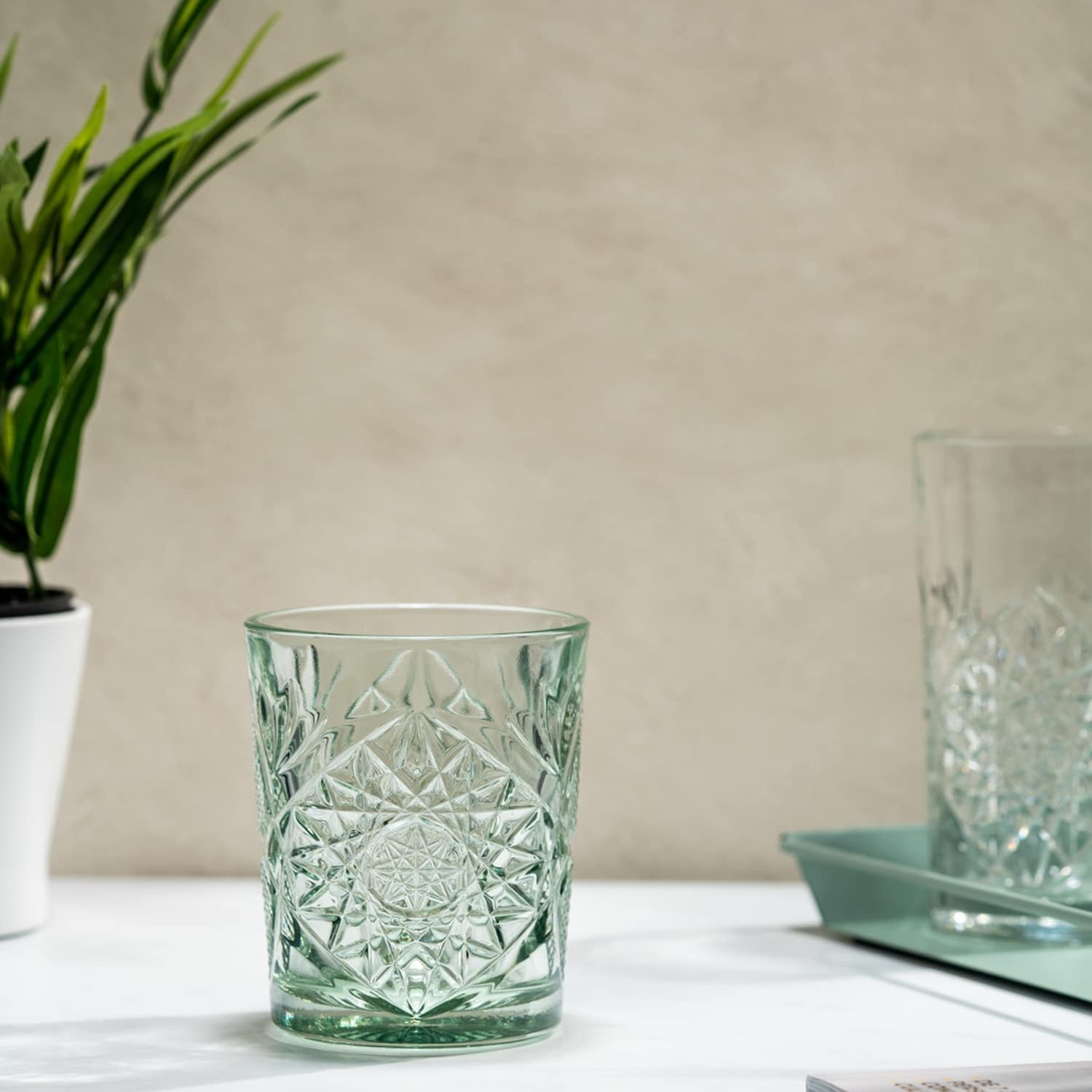
For a tasting, one shape matters more than six different ones, because you can only make a true comparison with identical glasses. The most versatile shape is the tulip: a bowl that narrows slightly toward the rim and stands on a stem, keeping the warmth of your hand away from the beer and trapping the aroma. We don't sell anything under the name tulip glass, but the stemmed bowl comes closest. Twenty-five centiliters is more than enough for a 10- to 15-centiliter tasting pour plus head. Rounder models for strong beers can be found among the specialty beer glasses.

Royal Leerdam Specials Beer Glass 25 cl on Stem (6 pieces)

Bormioli Rocco Snifter Beer Glass 53 cl (6 pieces)
Both sets together € 53,40.
The right tools
For a beer tasting, you need little besides the glass: cocktail picks for snacks between the beers and an ice cube mold for large cubes in the water pitcher. These are the bar tools we use ourselves; you can find everything in our bar tools & cocktail sets.


Glass set (our choice 01) + 2 bar tools together € 67,35.
Which spirit goes with this?
At a beer tasting, the beer takes center stage and no spirits go in the glass. If you want the same setup with spirits, start with whisky, Jameson, or cognac. On each drink page, you'll find the alcohol percentage, what it tastes like, which cocktails it works in, and which glass you need.


Variations & twists
A tasting with one style also works well: six tripels side by side, or six witbiers, because that is when the small differences really stand out. A blind setup, with the bottles in brown bags, keeps the label out of your judgment. With alcohol-free beers, keep the same structure and use identical glasses. A board of cheese, nuts, or neutral bread makes it a longer evening. Want to read more? View all drinks and brands.
Serving tip
Serve each style at the right temperature: pilsner at four to six degrees, witbier and weizen at five to seven, tripel and abbey beer at eight to twelve, and stout and quadrupel at ten to fourteen. So take the stronger bottles out of the refrigerator earlier. Have water, bread, and a score sheet with a pen ready before pouring the first glass, so you do not have to get up later.
Good to know
How many beers and how much per glass
Five to seven beers is the practical amount for a tasting. Pour 10 to 15 centiliters of each: that gives you enough for two or three sips plus a head, while keeping the overall tasting manageable. With seven full glasses, you will not get past the third beer, and your score sheet will no longer tell you anything. So plan on about one 33-centiliter bottle for every two or three people.
From light to strong, from mild to bitter
The order determines what you can still taste. A strong or bitter beer lingers on your tongue, so a light beer afterward fades into nothing. Start with pilsner or witbier, move on to blond and amber, then dubbel and tripel, and finish with stout, porter, or quadrupel. If there is a truly sour beer in the lineup, serve it separately at the end, because sourness affects your tongue differently than bitterness.
One glass for everything or a glass for each style
Either works. Each style's own glass shows how a beer is meant to be served: a vase or flute for pilsner, a tall glass for weizen and witbier, a footed goblet for tripel, and a round glass for quadrupel. But for a fair comparison, one shape is better, because the glass shape noticeably changes the aroma and head. If you choose one shape, go for the tulip.
Water and bread in between
Between two beers, rinse your mouth with cold water and take a bite of bread or a plain cracker. That removes sweetness, bitterness and fat from your tongue, so the next beer starts from zero again. Save spicy, salty or heavily seasoned snacks for later: they impose their own flavor on everything that follows.
Looking, smelling, slurping and discussing
First look at the color, clarity and head. Then smell with your nose just above the rim, and say out loud what you recognize, because naming it helps you remember it. On the first sip, take in a little air as you slurp, so the aroma reaches you through your nose. Then discuss it: the difference between two beers often only becomes clear when someone else describes it differently.
The score sheet
Five columns are enough: color, foam, aroma, taste and finish, with room at the end for a score or a note. Fill it in for each beer before moving on, because after five beers no one remembers which glass was the third. Put the name, style and alcohol percentage from the bottle at the top, and you'll have a list at the end of the evening that's genuinely useful.
Frequently asked questions
How many beers do you need for a beer tasting?
Five to seven. That's enough to make a real comparison and few enough to remember. Arrange them from light to heavy and mild to bitter, and pour ten to fifteen centiliters per beer. Allow for about one 33-centiliter bottle per two or three people.
How much should you pour for each beer?
Ten to fifteen centiliters. That's enough for two or three sips plus a head, and fits comfortably in a 25-centiliter glass. Larger sizes don't work: you won't get through the lineup and the differences will start to blur.
In what order should you taste beer?
From light to heavy and from mild to bitter. Start with pilsner or wheat beer, move on to blonde and amber, then dubbel and tripel, and finish with stout, porter or quadrupel. Set a sour beer aside for the end. Drink water and eat a bite of bread between glasses, so each beer starts from zero again.
Which glass should you buy if you want one set?
A tulip shape is your best choice: a bowl that narrows slightly toward the rim and stands on a foot. That shape keeps the aroma together, keeps the warmth of your hand out of the beer, and looks good with almost every style. We don't sell a glass literally called a tulip glass, but the 25-centiliter beer glass on a stem comes closest.
Also delicious
Everything for your bar,
at one address
Hospitality-quality glasses, delivered as a set. Order today, delivered quickly.
Shop the glasses →