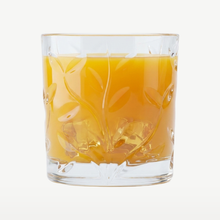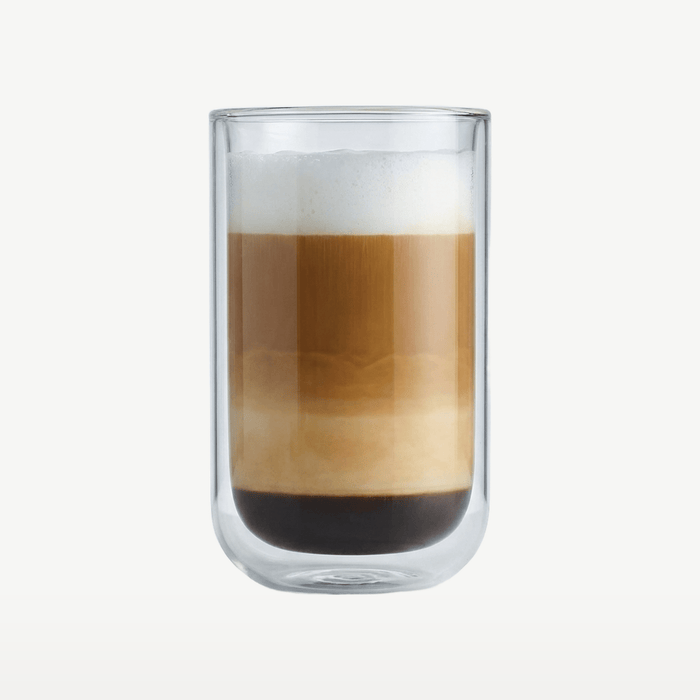
Luigi Bormioli Thermic Glass coffee glass 40 Cl Sublime Beverage - 2 pieces
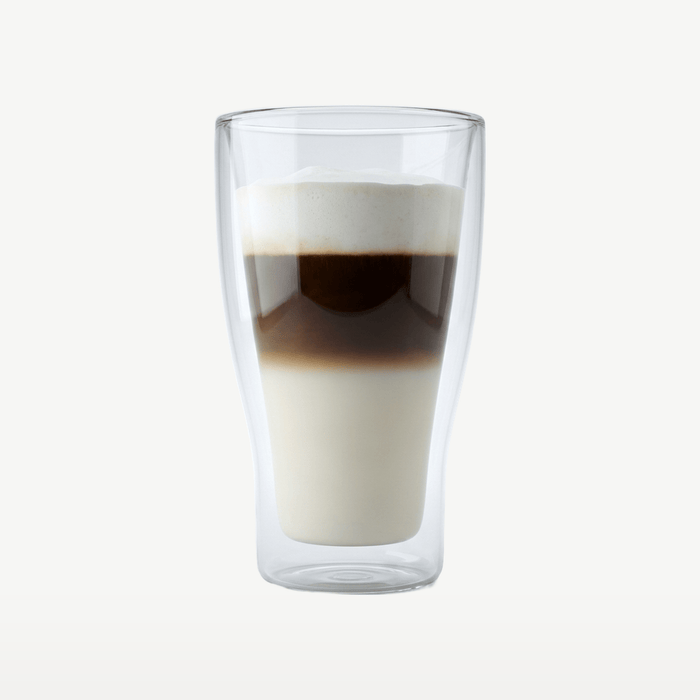
Luigi Bormioli Thermic Glass coffee glass 34 Cl Latte Macchiato - 2 pieces
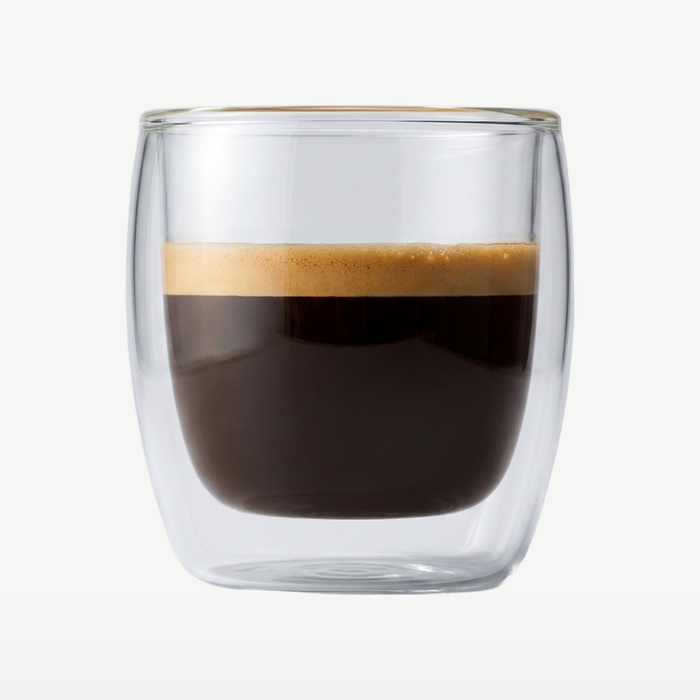
Luigi Bormioli Thermic Glass Coffee Glass 11 Cl Michelangelo - 2 Pieces

Luigi Bormioli Thermic Glass Cappuccino Glass 24 Cl Sublime Cappuccino - 2 Pieces

Making coffee
for your table
Weigh out fifteen grams of beans and grind them to a medium-coarse consistency, about like table salt. Nothing makes as much difference as grinding fresh. Ground coffee loses its aroma within fifteen minutes, while whole beans keep theirs for weeks.
Bring the water to a boil, then let it sit for half a minute. That brings it to around ninety-five degrees. Pour a little through the empty filter and discard the water. That way, you won't taste paper, and the carafe will be warm.
First, pour in twice the weight of the coffee, about thirty milliliters, and wait half a minute. You'll see the coffee bed swell as carbon dioxide escapes. Then pour in more water in circles until you reach twenty-five centiliters. Keep the water level low so the water flows through the coffee for the same amount of time everywhere.
Let it all drain through; this takes three to four minutes in total. Swirl the carafe once, then pour into a preheated glass or cup. Taste it black first. You can always add milk or sugar afterward.
What did you think of this recipe?
One click on a star is all it takes. If you'd like to add something, we'll review it before it appears here.
Save this recipe
Send the filter coffee recipe to your own email so you have it handy when you’re ready to make it. You’ll also get a € 5 discount code on orders from € 50, for the glasses that go with it.
The story
Coffee is the seed of the coffee plant, roasted and ground. Almost everything you drink is arabica or robusta. Arabica is more acidic and has more aroma. Robusta tastes flatter and more bitter, has more caffeine, and produces a thicker crema in an espresso blend. What ends up in your cup depends mostly on how you brew it. Under pressure, you get a few centiliters of concentrated coffee. Through a filter, you get a clear cup of a few hundred milliliters. And with cold water, you get an extract that steeps for hours and is barely acidic. The same bean can give you three completely different drinks.
The right glass
The right glass depends on what you’re making. Espresso is served in a six- to nine-centiliter glass, cappuccino in a sixteen- to twenty-four-centiliter one. A regular cup of filter coffee holds twenty-two to thirty centiliters, while a latte macchiato belongs in a tall glass holding thirty-five to forty-five. Pour cold coffee into a tumbler or highball glass, with room for the ice. We like drinking our coffee from double-walled glass. The coffee stays warm longer, and the outside only feels lukewarm, so you don’t need a handle. Find them in our double-walled coffee glasses collection.

Luigi Bormioli Thermic Glass coffee glass 24 cl Michelangelo (set of 2)

RCR Oasis Mug 22 cl (set of 6)
Both sets together € 42,90.
The right tools
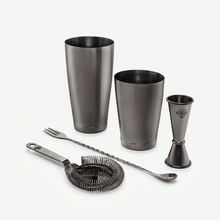
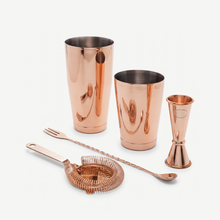
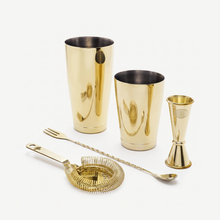
For coffee, you don’t need much besides the glass: a long bar spoon to stir sugar and milk right down to the bottom of a tall mug, a jigger to measure a splash of liqueur precisely, and a nutmeg grater for a little dark chocolate or nutmeg over the foam. These are the bar tools we use ourselves; you’ll find everything in our bar tools & cocktail sets.


Glass set (our pick 01) + 3 bar tools together € 57,80.
Which splash goes in your coffee?
Without alcohol, coffee is just coffee. Stir in a splash of liqueur and in Italy it’s called a caffè corretto; add whiskey and cream and it becomes an Irish Coffee. Classic choices include sambuca, amaretto or Kahlúa. On each drink page, you can read about the alcohol percentage, flavor, cocktails it pairs with and the glass you need.


Variations & twists
You can do all sorts of things with the same beans. Brew them under pressure and you get an espresso. Add steamed milk and it becomes a cappuccino, and served in layers in a tall glass, it’s called a latte macchiato. Prefer it cold? Pour it over ice for iced coffee, or leave coarse grounds in cold water overnight to make cold brew. Want more? Take a look at over 100 cocktail recipes.
Serving tip
First, rinse the glass or cup with hot water and pour it out. For a small serving, that can make a difference of a few degrees. Finish the pot within half an hour. Coffee left on the warming plate for too long turns bitter. If you drink it black, serve a small glass of cold water alongside it. Leave the milk and sugar on the table.
Good to know
Espresso, filter coffee, French press and more
For an espresso, a machine forces hot water under pressure through a compact bed of finely ground coffee. This takes twenty-five to thirty seconds. Filter coffee drips through paper or a permanent filter under its own weight, in three to four minutes. With a French press, coarse grounds steep in water for four minutes, then you press the filter down. A moka pot pushes water up through medium-fine grounds using steam pressure. This makes a strong cup, but no real crema. And you steep cold brew in cold water for twelve to eighteen hours.
How fine should you grind for each brewing method?
The shorter the water is in contact with the coffee, the finer you should grind it. The longer it is, the coarser. For espresso, grind so fine that the grounds stick together. For filter coffee, aim for about the texture of table salt; for French press, coarse sea salt; and for cold brew, a little coarser still. A moka pot falls between espresso and filter coffee. If it’s too coarse for your brewing method, you’ll get a weak, sour cup. If it’s too fine, it’ll brew slowly and turn bitter.
How much coffee for how much water
For filter coffee, start with sixty grams per liter of water. That’s roughly one part coffee to sixteen or seventeen parts water. For a twenty-five-centiliter cup, that comes to fifteen grams. A French press uses about one to fifteen, and espresso about one to two. Cold brew is often made as a concentrate, at one to eight, then diluted. Weigh your coffee instead of scooping it. A level scoop of coarse grounds weighs differently from a scoop of fine grounds.
What the water does
Your cup of coffee is more than ninety-eight percent water. So you’ll taste it right away if the water is hard or smells of chlorine. Filtered or soft water brings out noticeably more aroma from the beans. Aim for ninety-two to ninety-six degrees. Boiling water extracts too many bitter compounds; below ninety degrees, your coffee will be sour and weak. Waiting half a minute after boiling is enough.
How to keep your beans fresh
Buy whole beans and grind them for each cup. Ground coffee loses most of its aroma within fifteen minutes. Store the beans airtight and in a dark place at room temperature, and use them within a month of the roast date. Don’t put them in the fridge, because every time you take the container out, moisture settles on the beans. If you want to stock up, the freezer is fine. Divide them into portions you’ll use all at once.
Which glass goes with which coffee?
For an espresso, six to nine centiliters is enough to keep the crema intact. For a cappuccino, you’ll want sixteen to twenty-four centiliters, leaving room for the foam. Serve a latte macchiato in a tall, narrow glass holding thirty-five to forty-five centiliters, otherwise you won’t see the layers. For iced coffee and cold brew, use a tumbler or highball glass with room for ice. And a regular cup of filter coffee is just right at twenty-two to thirty centiliters.
Frequently asked questions
How much coffee do you use per cup?
Sixty grams of coffee per liter of water, so about 15 grams for a 250-milliliter cup. That works out to one part coffee to 16 to 17 parts water. It's best to weigh it. A scoop of grounds weighs differently depending on the grind size.
How coarse should you grind for each brewing method?
Grind espresso very fine and filter coffee as coarse as table salt. For a French press, use coarse sea salt; for cold brew, even coarser. The moka pot falls between espresso and filter coffee. The longer the water and coffee are in contact, the coarser the grind. That's all you need to remember.
How hot should the water be for coffee?
Somewhere between 92 and 96 degrees. So let the water sit for half a minute after boiling before pouring. Boiling water extracts too many bitter compounds, while below 90 degrees you get a weak, sour cup.
What kind of glass do you drink coffee from?
A regular cup of filter coffee holds between 220 and 300 milliliters. Espresso takes 60 to 90, cappuccino 160 to 240, and latte macchiato is served in a tall glass of 350 to 450. Coffee stays warm longest in double-walled glass, while the outside feels only lukewarm.
Also delicious
Everything for your bar,
to one address
Commercial-quality glasses, sold as a set. Order today, delivered fast.
Shop the glasses →