






The ceviche recipe
for your table
Cut the fish into equal cubes of about one centimetre. Here, equal size is more important than small size: thicker pieces remain raw inside while the smaller ones have already firmed up, so you end up eating two different textures at once.
Juice the limes - for four people, you’ll need about six - and chill the juice. Slice the red onion into thin half rings and leave them in cold water for a few minutes; this takes away the sharpness while keeping them crisp.
Toss the fish with the lime juice, make sure everything is submerged and chill the bowl for ten to fifteen minutes. Add the salt at the very last moment, because salt also draws moisture out of the fish.
Spoon the fish into the glass with the onion, red pepper and coriander, and place the sweet potato or corn alongside it. Pour the cloudy juice left behind into a small glass: that’s the leche de tigre, served separately.
What did you think of this recipe?
One click on a star is all it takes. If you’d like to add something, we’ll review it first before it appears here.
Save this recipe
Send the ceviche recipe to your own email so you have it handy when you’re ready to make it. You’ll also receive a €5 discount code when you spend €50 or more, for the glasses to serve it in.
The story
Ceviche is associated with Peru, where it is considered a national dish, and variations of it are served all along the west coast of South America. What remains the same everywhere is the method: raw fish, plenty of lime or lemon, onion, and chili, with as little else as possible. The acidity changes the proteins in the fish, making the flesh opaque and firmer, much like cooking but without heat. Because there is no heat to turn off, only time determines how the fish turns out. That is why good ceviche is prepared at the last moment, not an hour in advance.
The right glass
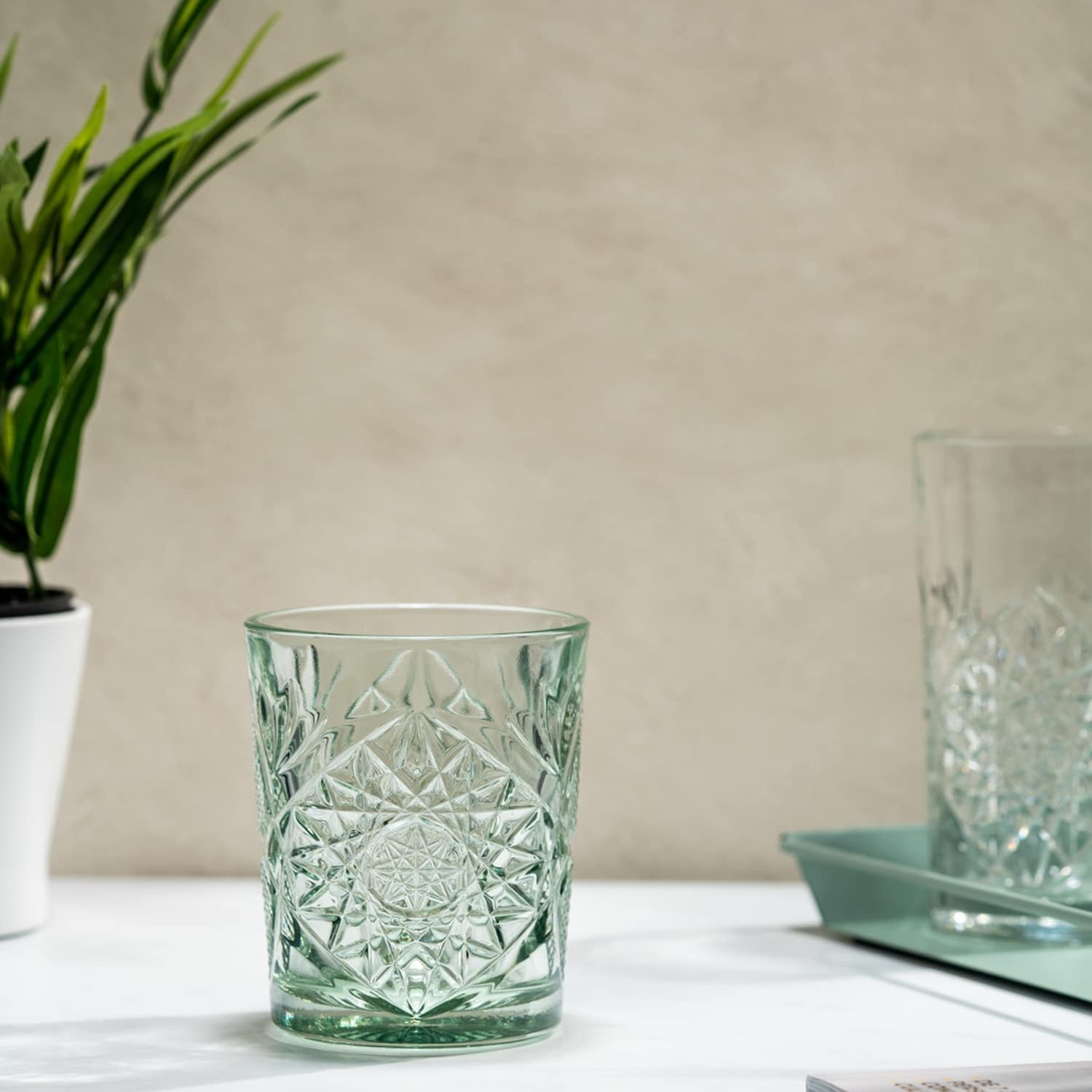
Ceviche needs to lie broad and low: the fish should sit in a shallow layer of juice, not in a pile in a deep glass, because it will marinate more intensely at the bottom than at the top. A truly broad, low glass dish at plate height is not part of our range; the tasting glass, with its generous bowl, comes closest and lets you see the layers along the side. For the leche de tigre, use a separate five-centiliter shot glass, so everyone can drink from it themselves while the fish remains in the glass. That second glass is not decoration; it is how the dish is served in Peru. More small sizes can be found among the shot glasses.

Pasabahce Elysia Tasting Glass 23.5 cl (4 pieces)

Bormioli Rocco Barglass Shot Glass 5 cl (6 pieces)
Both sets together € 28,90.
The right tools
For ceviche, in addition to the glass, use a citrus juicer for the limes and a fine strainer to pour the leche de tigre through. These are the bar tools we use ourselves; you can find everything in our bar tools & cocktail sets.


Glass set (our choice 01) + 2 bar tools together € 40,85.
What will you serve with it?
Ceviche is cold, sour, and salty, so you want a wine that can stand up to it without demanding attention itself. A dry white wine is the easiest choice, and sparkling wine also works well because it breaks up the acidity. Well-known choices include cava and crémant. On each drink page, you can read the alcohol percentage, what it tastes like, which cocktails it pairs with, and which glass you need.


Variations & twists
Use shrimp, scallops, or a mixture of fish and seafood to make ceviche mixto. Adding some orange juice or passion fruit juice alongside the lime makes the whole thing rounder and less sharp. In Mexico, tomato and avocado are often added, and it is eaten with tortilla chips; if you like it spicy, leave the seeds in the red chili pepper. Without fish, marinated mushrooms or hearts of palm work well, although then it is mainly the dressing that you recognize. Looking for more inspiration? Browse more than 100 cocktail recipes.
Serving tip
Chill the glasses and the dish in the refrigerator for half an hour beforehand, so the fish stays cold while you plate it. Serve the leche de tigre separately in a shot glass and place the sweet potato or corn in a bowl alongside it, so everyone can combine them as they like. Do the final step once everyone is already seated at the table.
Good to know
Does lime juice really cook the fish?
Not with heat, but the effect is similar. The acid in lime juice unfolds the proteins in the fish and makes them clump together; this is called denaturing, and at its core it is the same thing heat does. As a result, the fish becomes opaque and feels firmer. The difference is that there is no temperature you can remove: as long as the fish is in the juice, the process continues.
How long should the fish sit in the lime juice?
Ten to fifteen minutes for cubes of about one centimeter. Then the outside is white and firm while the center is still silky soft. Leave it for an hour and the acid will reach the core, making the fish dry and rubbery. To be sure, scoop out a cube after ten minutes and cut it open: you can see exactly how far the acid has penetrated.
What is leche de tigre?
The juice left once the fish has been removed: lime juice containing fish juices, salt, onion and pepper. It is cloudy and much more intense than lime juice alone. In Peru, it is poured into a small glass and drunk separately, which is exactly why a second, small glass is placed on the table with this dish.
Which fish can you use?
Firm white fish with little fat works best: sea bass, cod and tilapia hold their shape in the juice. Salmon and tuna can also be used, but they turn out differently, softer and fuller in flavour. Ask at the shop for fish intended to be eaten raw; the seller will know which piece to choose and how to package it.
Raw fish: what should you look out for?
Buy fish that the seller recommends for eating raw and tell them what you intend to do with it. Keep it cold from the shop to the plate, cut it on a clean board with a clean knife, and eat the ceviche on the day you buy the fish. Do not keep leftovers for the next day.
Frequently asked questions
How long should you marinate ceviche?
Ten to fifteen minutes for one-centimetre cubes. Any shorter and the fish will still be completely raw inside; any longer and it will become firm all the way through and start to feel tough. An hour is definitely too long, so make ceviche shortly before serving.
Which fish do you use for ceviche?
Firm white fish: sea bass, cod or tilapia. It is lean and stays intact in cubes. Buy fish sold as safe to eat raw and use it on the day you buy it.
What is leche de tigre and what do you do with it?
The cloudy juice left after marinating, containing fish juices, salt, onion and pepper. You pour it separately into a small glass and drink it with the ceviche. Throwing it away would be a waste, because it contains the dish's full flavour.
Which glass do you use for ceviche?
A wide amuse-bouche glass with a spacious bowl, so the fish sits in a shallow layer and you can see the onion and coriander on top. Alongside it, a shot glass of around five centilitres for the leche de tigre, so it can be drunk separately.
Also delicious
Everything for your bar,
to one address
Hospitality-quality glasses, supplied in sets. Order today, delivered quickly.
Shop the glasses →