





The bruschetta recipe
for your table
Cut the bread into slices about one and a half centimeters thick. Thinner doesn't work, because the slice will bend under the topping. Toast them on the grill, in a grill pan or under the hot oven grill until they're brown and crisp on both sides.
Cut a garlic clove in half and rub it over the bread while it's still warm. The rough, warm crust will naturally grate the clove open. Then pour a splash of olive oil over it and sprinkle with a pinch of salt.
Mix the diced tomatoes with the basil, a little olive oil, salt and pepper, and let them drain in a sieve for a few minutes. That liquid is exactly what makes your bread go soft within a minute, so throw it away.
Spoon the tomato mixture onto the bread only when you're ready to serve it. Grind pepper over it and optionally add a few more drops of olive oil.
What did you think of this recipe?
One click on a star is enough. If you'd like to add something, we'll read it first before it appears here.
Save this recipe
Send the bruschetta recipe to your own email so you have it at hand when you make it. You'll also receive a €5 discount code for orders from €50, for the glasses that go with it.
The story
Bruschetta comes from Central Italy and was originally a way to taste bread and fresh olive oil. You would toast a slice of bread over the fire, rub it with garlic and pour oil over it; the name comes from the Italian verb bruscare, meaning to toast over coals. Tomato was added much later and is now the best-known topping, but far from the only one. What holds the dish together is the order: toast first, then rub, then oil, and only then the topping. Reverse that order and you have made a tomato sandwich.
The right glass
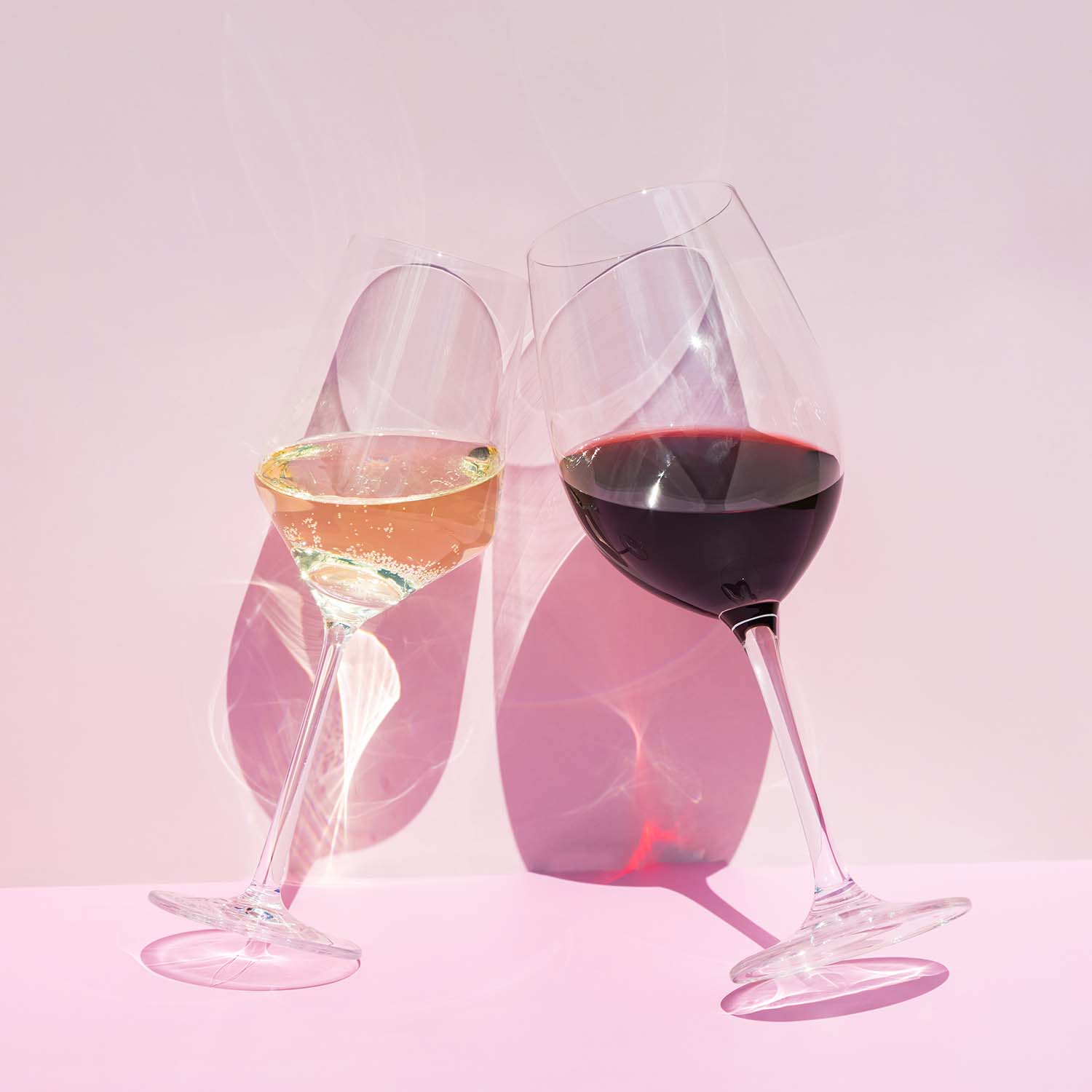
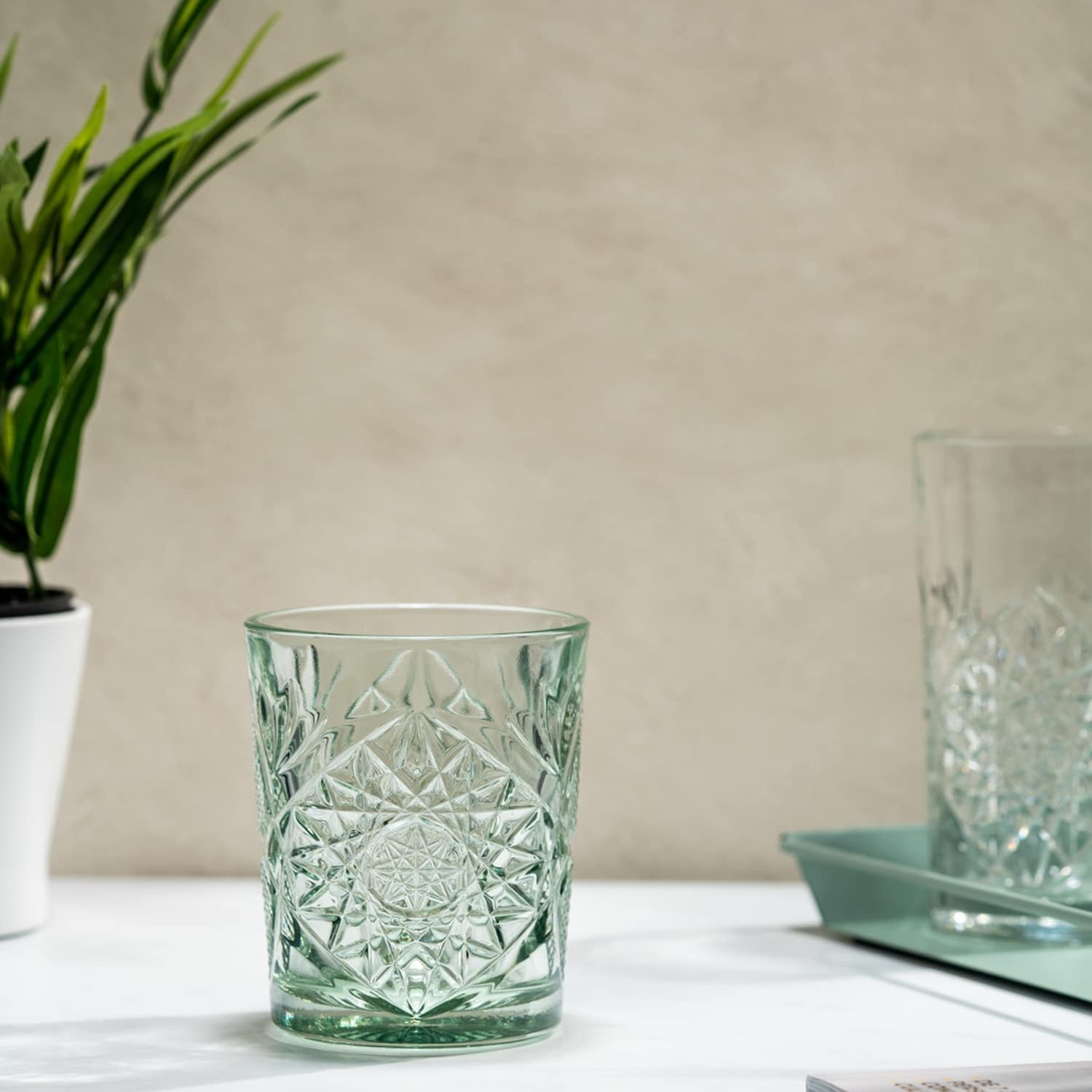
With bruschetta, the glassware serves two purposes. On the table, the wine glass sits alongside it: a bowl with room to spare, so you can swirl the wine and it does not warm up too quickly in your hand. There are also the small glasses, and here they are not decorative. Put the olive oil in a shallow bowl on the table so everyone can add more themselves, and do the same with tapenade or pesto. This keeps the bread crisp all the way to the plate and lets your guest decide how much to add. More sizes of these small bowls can be found among the amuse glasses.

Luigi Bormioli Atelier Wine Glass 61 cl (6 pieces)

La Rochère Bubble Amuse Bowl 5 cl (6 pieces)
Both sets together € 71,40.
The right tools
For bruschetta, in addition to the glass, use a fine strainer to let the tomato mixture drain and a bar spoon to mix it and scoop it onto the bread. These are the bar tools we use ourselves; you can find everything in our bar tools & cocktail sets.


Glass set (our choice 01) + 2 bar tools together € 80,85.
What will you serve with it?
Tomato is acidic and garlic is robust, so you want something fresh and dry alongside it that doesn't try to dominate. A white wine without oak aging is the safest choice, and sparkling wine works just as well with the oil. Prosecco and cava are popular choices. On every drinks page, you can read the alcohol percentage, what it tastes like, which cocktails it pairs with, and which glass you need.


Variations & twists
Adding burrata makes it creamy: tear open the ball over the warm bread and place the tomato alongside it. Roasted bell pepper from the oven, peeled and cut into strips, gives you a sweeter, smokier version. Black olive tapenade works without tomato, and ricotta with a drizzle of honey and some thyme turns it into a sweet bite. In every case, the raw garlic rubbed onto the warm bread remains the foundation. Looking for more inspiration? Browse more than 100 cocktail recipes.
Serving tip
Put the toasted slices of bread on the table and the tomato mixture in a bowl next to them, so everyone can add their own topping at the last moment. Serve the olive oil in a small, shallow glass as well, so anyone can add a drizzle to taste. If you're preparing ahead, let the toasted bread cool on a rack rather than on a plate; otherwise, the bottom will become soggy.
Good to know
Why do you rub the bread with garlic while it's warm?
Because it works better that way. The warm, rough crust scrapes open the cut clove and picks up the garlic; on cold bread, the clove just slides over it. This spreads the flavor throughout the slice without leaving pieces of garlic on it. Do it straight from the pan or grill, so before adding the oil and toppings.
Do you need to peel the tomatoes?
You don't have to, but it helps. The skins come loose from the flesh when you bite into them and stick to your teeth. If you want to do it neatly, score the tomatoes crosswise, dip them in boiling water for thirty seconds, then in cold water; the skins will come off by themselves. Cut them open afterward and scoop out the seed chambers, which also immediately reduces the moisture.
How do you prevent the bread from becoming soggy?
Two things. First let the tomato mixture drain in a sieve for a few minutes and discard the liquid. And only add the topping to the bread when it is about to be served. A layer of olive oil on the toasted bread also helps, because fat and water repel each other. A thick slice holds up longer than a thin one.
Is it pronounced brusketta or brushetta?
As brusketta. In Italian, the letter combination ch sounds like a k, just as in chianti. The name comes from bruscare, roasting over coals, and therefore refers to the bread, not the topping.
What bread is best to use?
A sturdy bread with a firm crumb: ciabatta, pugliese, or a sourdough country loaf. The crumb should be coarse enough to absorb moisture and the crust firm enough to withstand the garlic. Day-old bread is better than fresh because it slices more neatly and is easier to toast until crisp. Finely sliced sandwich bread will not do.
Frequently asked questions
What exactly is bruschetta?
A thick slice of toasted bread that you rub while warm with a raw clove of garlic and drizzle with olive oil. Then you add the topping, usually tomato with basil. Toasting and rubbing it with garlic are essential; without those two steps, it is just a tomato sandwich.
How do you pronounce bruschetta?
Brusketta. The Italian letter combination ch sounds like a k, so not brushetta. The word comes from bruscare, which means roasting over coals.
How do you keep bruschetta crisp?
Let the tomato mixture drain in a sieve, cut the bread thickly, and only add the topping when you serve it. A layer of olive oil on the toasted bread also keeps the moisture at bay for a while, because fat and water repel each other.
What varieties are there besides tomato?
Burrata, roasted bell pepper, black olive tapenade, and ricotta with honey are the best-known varieties. The basic recipe remains the same: toasted bread, rubbed with a raw clove of garlic and drizzled with good olive oil. The topping then determines whether it is savory or sweet.
Also delicious
Everything for your bar,
to one address
Restaurant-quality glasses, delivered as a set. Order today, delivered quickly.
Shop the glasses →