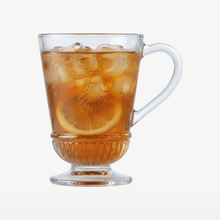
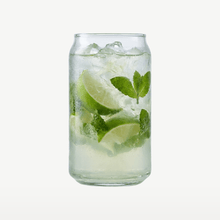
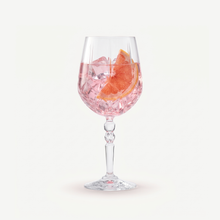
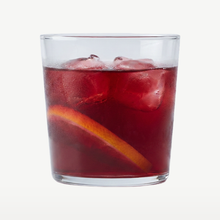
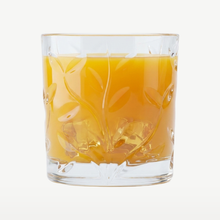
Royal Leerdam Amira Amuse Glass 15 Cl - 6 Pieces

Pasabahce Timeless Amuse Glass 23,6 Cl - 4 Pieces

Pasabahce Elysia Amuse Glass 23,5 Cl - 4 Pieces

RCR Circus Low Tumbler 17 Cl - 6 Pieces

The panna cotta recipe
for your table
Soak 1.5 grams of gelatin, about one sheet per glass, in plenty of cold water. After about five minutes, the sheet will be soft. Then squeeze it out well over the sink, because the water you bring along will dilute the cream and make the panna cotta softer than you want.
Heat 15 cl of heavy cream with 20 grams of sugar and the vanilla in a saucepan. Keep it just below boiling: as soon as bubbles appear around the edge, it’s warm enough. Boiling it further lets moisture evaporate, changing the proportions and increasing the risk of scorching.
Remove the saucepan from the heat, stir in the squeezed-out gelatin, and keep stirring until you can no longer see any strands. Then pour the mixture through a fine sieve to catch any lumps and pieces of vanilla pod, leaving the top smooth.
Divide the cream among the glasses, let them cool on the counter first, then refrigerate them for at least four hours; overnight is fine too. Just before serving, spoon red fruit coulis, caramel sauce, or cold espresso over the top.
What did you think of this recipe?
One click on a star is enough. If you'd like to add a comment, we'll review it before it appears here.
Save this recipe
Send the panna cotta recipe to your own email so you have it handy when you're ready to make it. You'll also get a €5 discount code when you spend €50, for the glasses that go with it.
The story
Panna cotta literally means cooked cream, and that's exactly what it is: cream, sugar, and vanilla, nothing more. In Italy, the dessert is said to come from Piedmont, the region in the northwest where cream and butter define the cuisine. It contains no egg, unlike crème brûlée, and it isn't baked. That difference explains the texture. Custard with egg sets because the egg coagulates; panna cotta sets because gelatin holds in the moisture. That's why it melts cold on the spoon, and why the amount of gelatin needs to be just right.
The right glass
Serving it in a glass isn't a workaround, but the easiest way. You don't have to unmold it, so you can use less gelatin and keep that soft texture that would collapse in a mold. Plus, you can see the layers: white at the bottom, with a neat red or caramel-brown band above. A glass holding twenty to twenty-five centiliters is the right size for one serving; much bigger and the dessert becomes heavy. More important still is the opening, because your spoon needs to reach the bottom without scraping along the rim. So both a wide footed coupe and a low, broad tumbler work well. Find smaller glasses for a pre-dinner bite in the amuse glasses.

RCR Timeless Dessert Coupe 26 cl (6 pieces)

Pasabahce Elysia Amuse glass 23.5 cl (4 pieces)
Both sets together € 56,90.
The right tools
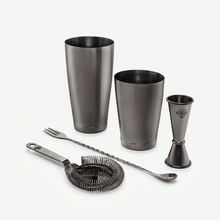
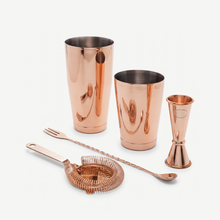
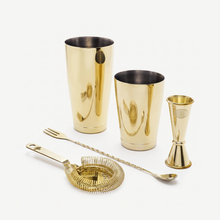
For panna cotta, as well as a glass, you’ll need a fine strainer to pour the warm cream through and a citrus juicer for the splash of lemon juice in the coulis. These are the bar tools we use ourselves; you can find them all in our bar tools & cocktail sets.


Glass set (our choice 01) + 2 bar tools together € 63,85.
What should you pourwith it?
Panna cotta is sweet and rich, so pair it with something light. A glass of moscato or prosecco works better than a heavy red wine. If you prefer to stick with an Italian finish, pour a small glass of limoncello or amaretto. Each drink page tells you the alcohol percentage, what it tastes like, which cocktails it works in and what glass you need.


Variations & twists
Replace half the cream with full-fat yogurt or buttermilk to make it fresher and less rich. Use coconut milk and agar instead of cream and gelatin to make a plant-based version; it will be slightly firmer and will set at room temperature. Infuse the cream for 15 minutes before heating with coffee beans, a strip of lemon peel or a sprig of thyme, then strain them out. Red fruit coulis is the classic choice, but salted caramel or a spoonful of cold espresso work just as well. Looking for more inspiration? Browse more than 100 cocktail recipes.
Serving tip
Place the glasses on a flat tray in the refrigerator so they stay upright and the tops remain smooth. Take them out fifteen minutes before serving, because you can barely taste the vanilla when it’s ice-cold. Pour the coulis over them just before serving; otherwise, it will sink into the cream.
Good to know
How much gelatin do you need?
Use one and a half grams per 15 cl of cream, about one sheet per glass. That’s less than in recipes where you unmold it, and that’s exactly the point: in a glass, the panna cotta doesn’t have to hold its shape. Use two grams or more and you’ll get a firm, almost springy dessert. Use less and it will stay like a thick custard: delicious, but not what you’re after.
Sheets or powder?
Gelatin sheets don’t all weigh the same, so it’s better to weigh them than count them. Powdered gelatin works just as well: sprinkle it over a few spoonfuls of cold water, leave it for five minutes until it swells, then stir it into the warm cream. Not the other way around, because adding the powder directly to warm liquid will make it clump, and you won’t be able to dissolve those clumps.
Why shouldn’t the cream boil?
Gelatin dissolves well below boiling point, so there’s no reason to bring the cream to a boil. If you do boil it, moisture evaporates and the ratio of cream to gelatin changes from what you calculated; cream also scorches easily. Just below boiling, as soon as bubbles appear around the edge, is warm enough.
How can you tell if it has set enough?
Four hours in the refrigerator is the minimum, and overnight is better. It’s ready when the surface springs back after you tap the glass and immediately settles again. Let the glasses cool on the counter before putting them in the refrigerator; otherwise, condensation will form and water droplets will run into the cream.
How long does panna cotta keep?
Covered in the refrigerator, it keeps for three days. Cover it with plastic wrap or a lid, because cream quickly absorbs odors from the refrigerator and you’ll taste yesterday’s cheese in it. Freezing is pointless: when it thaws, the gelatin releases the liquid, leaving a watery layer at the bottom.
Frequently asked questions
How much gelatin goes into panna cotta?
One and a half grams per 15 cl of cream, or about one sheet per glass. This makes it just firm enough to hold its shape while still wobbling on the spoon. If you’re unmolding it onto a plate, you’ll need more, about two grams per 15 cl.
What glass should you use for panna cotta?
A 20- to 25-centiliter glass with a wide opening: a stemmed dessert coupe or a low, wide tumbler. The opening matters more than the shape, since your spoon needs to reach the bottom. In glass, you can also see the layers of cream and coulis, which is half the fun.
How long does panna cotta need to set?
At least four hours in the fridge, though overnight is fine too. First let the glasses cool on the counter, then put them in the fridge. It’s ready when the surface springs back if you tap the glass.
Can you make panna cotta without gelatin?
Yes, with agar from seaweed. Use half to one gram per 15 cl of cream and let it simmer for half a minute, since agar needs that heat to set. The result is a little firmer and less melt-in-your-mouth than with gelatin, and it sets at room temperature.
Also delicious
Everything for your bar,
to one address
Glasses in professional quality, delivered in sets. Order today, delivered quickly.
Shop glasses →