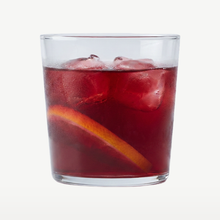
Royal Leerdam Carre Wine Glass 28 Cl - 6 Pieces
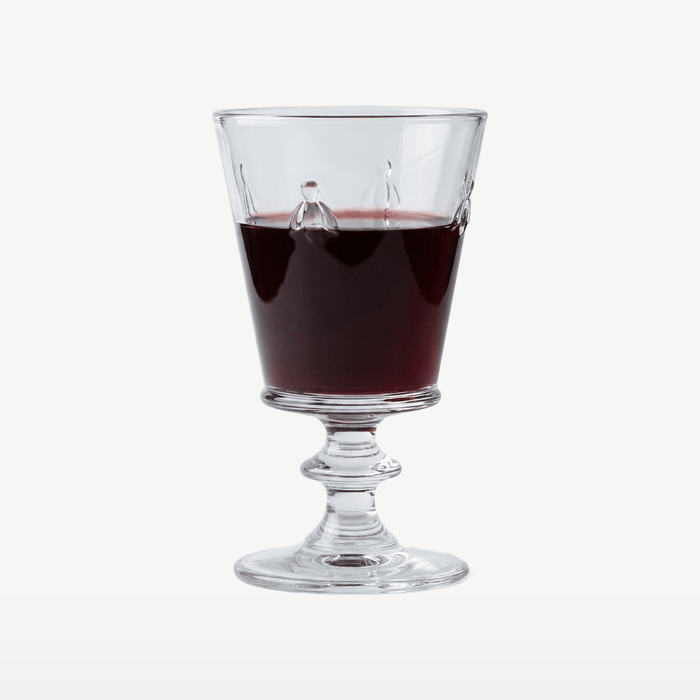
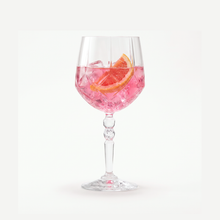
La Rochère Abeille Wine Glass 24 cl - 6 Pieces
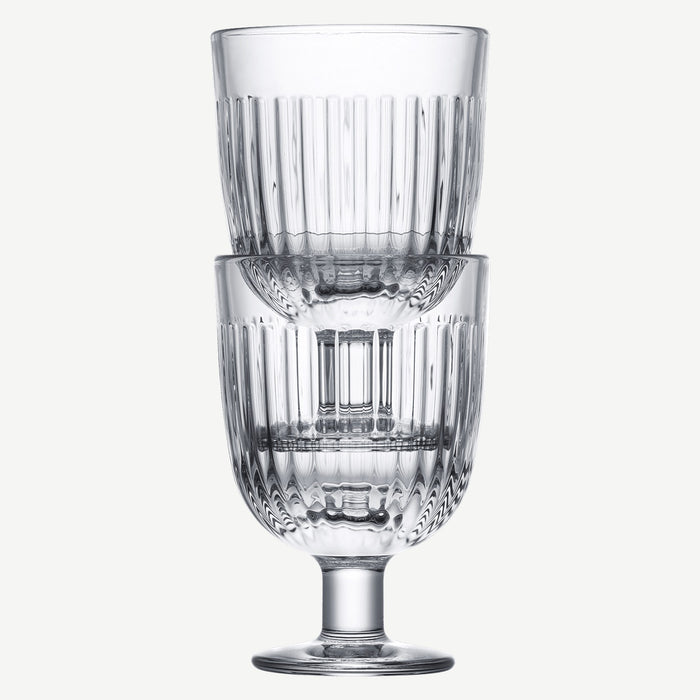
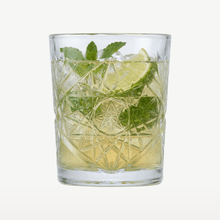
La Rochère Ouessant Stackable Wine Glass 22 Cl - 6 Pieces
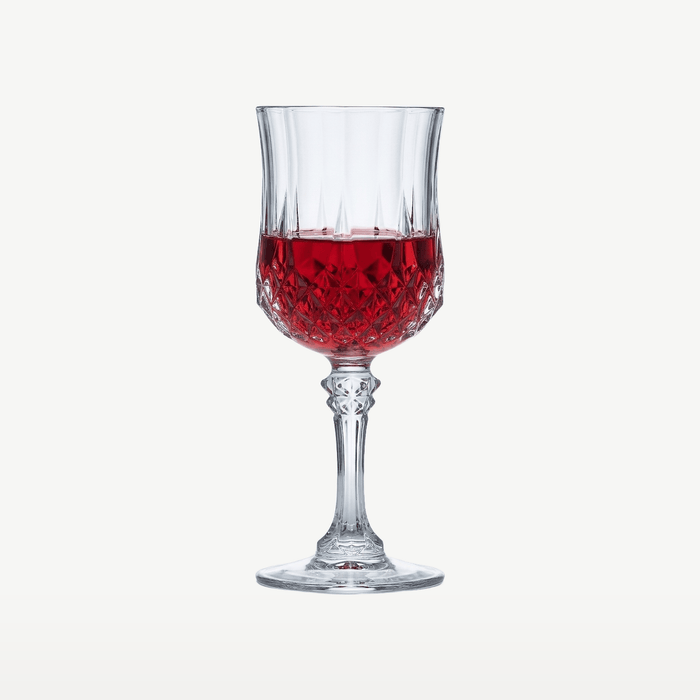
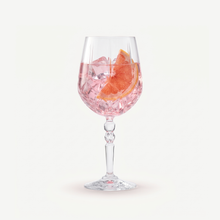
Eclat Longchamp Wine Glass 25 Cl - 6 Pieces

The Oyster Recipe
for your table
Make the vinaigrette first, as it improves when left to sit for a while. Stir the shallot into the red wine vinegar, grind pepper over it and set it aside for 15 minutes; the raw shallot’s sharpness will mellow during that time, and the vinegar will absorb its flavor.
Check that each oyster is still alive before opening it. Tap your fingernail against a shell that is slightly ajar: if it closes, it’s fine. If it stays open, discard it, along with any oyster that smells of anything other than the sea.
Cover your hand with a tea towel and hold the oyster with the rounded side facing down. Insert the oyster knife into the hinge at the narrow end and twist briefly until it pops open. Then cut along the top shell to release the adductor muscle, and remove the top shell.
Cut through the lower adductor muscle too, so the oyster lies loose in its shell, and place it on a plate of crushed ice. Pour the vinaigrette into a small glass, arrange the lemon wedges alongside, and chew the oyster once or twice instead of swallowing it whole.
What did you think of this recipe?
Just click a star to rate. If you'd like to add a comment, we'll review it before it appears here.
Save this recipe
Email the oyster recipe to yourself so you'll have it handy when you're ready to make it. You'll also get a €5 discount code for orders over €50, toward the glasses that go with it.
The story
Oysters have a reputation in the Netherlands for being expensive and difficult, and that's only half true. They're expensive mainly on a restaurant bill; at the fishmonger, you can buy them individually or by the dozen, and the price per oyster is reasonable. They're only difficult the first time, because once you understand where the hinge is, opening them is just a matter of practice. What really gets in the way is the idea that you have to enjoy them to fit in. You don't. People who like them usually know straight away, and if you don't, you don't have to force yourself.
The right glass
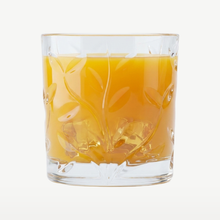
With oysters, the glass comes into play twice. Serve the vinaigrette in a small, straight-sided 5-centiliter glass instead of a bowl: it holds just enough for half a dozen oysters, and the thick base of the Barglass below keeps it in place when someone dips in with a small spoon. We don't offer a proper dimpled oyster plate; just use a plate covered with crushed ice. For the drink alongside, there's a 29-centiliter wine glass, described as an easy-to-hold bowl for a neat pour without overdoing it. Find more glasses for dry white wine in our white wine glasses.

Bormioli Rocco Barglass Shot Glass 5 cl (6 pieces)

RCR Brillante Wine Glass 29 cl (6 pieces)
Both sets together € 45,40.
The right tools
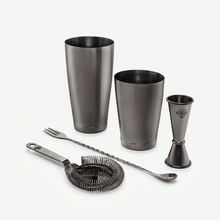
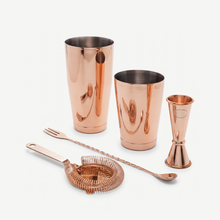
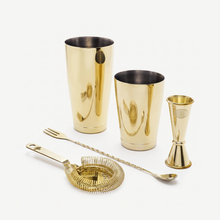
For oysters, besides a glass, you'll mainly need an oyster knife, which we don't carry, as well as a citrus juicer for the lemon juice and a jigger to evenly distribute the vinaigrette among the glasses. These are the bar tools we use ourselves; you'll find them all in our bar tools & cocktail sets.


Evenly distributes the vinaigrette among the glasses
Glass set (our choice 01) + 2 bar tools together € 36,85.
What should you pour alongside?
With oysters, pour something dry and crisp, because sweet clashes with salty. Champagne is the classic choice, a dry white wine from Burgundy does the same for less, and if you want something stronger, pour ice-cold genever or vodka into a small glass alongside. On each drinks page, you can read the alcohol percentage, what it tastes like, which cocktails it goes with, and which glass you need.


Varieties & twists
Shallot vinaigrette is the classic accompaniment, but it’s not the only option. Swap the red wine vinegar for rice vinegar with a little lime for a fresher version, or skip the vinaigrette and stick with lemon. If raw oysters aren’t for you, briefly gratinate them under the broiler with a spoonful of herb butter; the flavor changes completely, though. Looking for more inspiration? Browse more than 100 cocktail recipes.
Serving tip
Serve on a plate of crushed ice so the shells stay upright and retain their liquid. Open the oysters only when your guests arrive, as they dry out once opened. Set out one small glass of vinaigrette for every two people, with a small spoon.
Good to know
Flat or cupped: what’s the difference?
The oyster you’ll find everywhere is the cupped oyster, called creuse in France: elongated, with a deep lower shell and usually a fresh, salty flavor. The flat oyster is round like a disk, rarer and more expensive, and tastes fuller and a little more metallic. Start with a cupped oyster, since they’re always available and cost less while you’re still learning to open them.
Should you pour off the first liquid?
There are two camps on this, and both have a point. One camp pours off the first liquid because it may contain bits of shell, and the oyster then produces its own, cleaner liquid. The other camp thinks you’re throwing away some of the flavor. We leave it in if it’s clear and pour it off if it has grit floating in it; it’s not a rule, but at least it saves you from crunching between your teeth.
How can you tell if an oyster is still good?
A live oyster is closed, or closes when you tap the shell. If it stays open, discard it. Once opened, it should smell of the sea and be full of water. Buy from a fishmonger with a good turnover, store them flat with the rounded side down under a damp cloth in the fridge, and eat them the day you open them.
Chew or swallow?
Chew. Swallowing them whole is a habit picked up from eating contests, and you miss all the flavor. Chewing once or twice is enough to release the taste; then you’ll notice the difference between a salty and a creamy oyster, and between a flat and a cupped one.
Why wrap a tea towel around your hand?
Because the knife can slip. An oyster shell is full of jagged edges, and you use more force than you think; if the knife slips, it can land in your palm. A folded tea towel or an oyster glove protects your hand. It’s not excessive caution; it’s why every fishmonger does it this way.
How many oysters do you count per person?
Six per person as a starter and twelve if it is the whole meal, with bread and butter on the side. At the fishmonger, you buy them by the dozen, so one dozen is a starter for two. For drinks, plan on fewer: not everyone eats them, and those who like them usually eat more than six.
Frequently asked questions
How do you open an oyster?
Cover your hand with a tea towel, hold the oyster with the rounded side facing down, and place the oyster knife in the hinge at the narrow end. Twist briefly until the hinge pops open, then cut along the inside of the top shell to release the adductor muscle, and remove the top shell.
What do you serve with oysters?
Something dry and fresh: champagne, a dry white wine, crémant, or cava. Sweet wine clashes with the saltiness. If you want something stronger, serve ice-cold gin or vodka in a small glass.
How can you tell if an oyster is fresh?
It is closed, or closes when you tap the shell. It feels heavy, is full of water, and smells of the sea. Buy them from a good fishmonger, store them flat in the fridge with the rounded side facing down, and eat them on the day you open them.
Do you eat an oyster with lemon or vinaigrette?
Both are common. Lemon is more straightforward and makes the oyster taste fresher; shallot vinaigrette, made with shallot, red wine vinegar, and pepper, adds more bite and lets the oyster itself shine through. Put them side by side and let everyone choose.
Also delicious
Everything for your bar,
at one address
Hospitality-quality glasses, sold in sets. Order today, delivered fast.
Shop glasses →