


How to pour it
a zinfandel in
Place the bottle in the refrigerator for half an hour before opening it. A room temperature of around twenty degrees is too warm for a wine with this alcohol level; at 16 to 18 degrees, the dark fruit and pepper stay at the forefront and the alcohol won’t sting your nose.
Cut around the capsule below the ridge of the neck and wipe the rim clean. Place the spiral in the center of the cork, turn it straight down, and gently pull out the cork. Californian bottles often also have a screw cap, which says nothing about the quality of the wine.
A young zinfandel benefits from half an hour in a decanter: the air tightens up the sweet, jammy side and brings the pepper forward. Leave a bottle that has been aging for years undisturbed and pour it straight from the bottle, with the sediment left behind in the shoulder of the neck.
Pour until the glass is about one-third full. A large bowl gives the alcohol room to evaporate instead of collecting under your nose, and this wine benefits from that. It’s better to top up with a small amount more often than to fill the glass all at once.
What did you think of this explanation?
One click on a star is enough. If you’d like to add something, we’ll read it first before it appears here.
Save this page
Send this page to your own email so you have the information at hand when you are about to pour. You’ll also receive a €5 discount code on purchases from €50 for the glasses that go with it.
The story
Zinfandel has become California's signature grape, but it does not originate there. Research into the grape's DNA has shown that zinfandel, the Italian primitivo and the Croatian crljenak kaštelanski are the same grape, originating in Croatia. In California, it is grown mainly in Lodi, Napa and Sonoma, and the style varies by region: from generous and approachable to concentrated and full-bodied. What they all have in common is that the bunches ripen unevenly, so some of the berries have already dried out while the rest are not yet ready. Those raisins give the wine its jammy character and high alcohol content.
The right glass
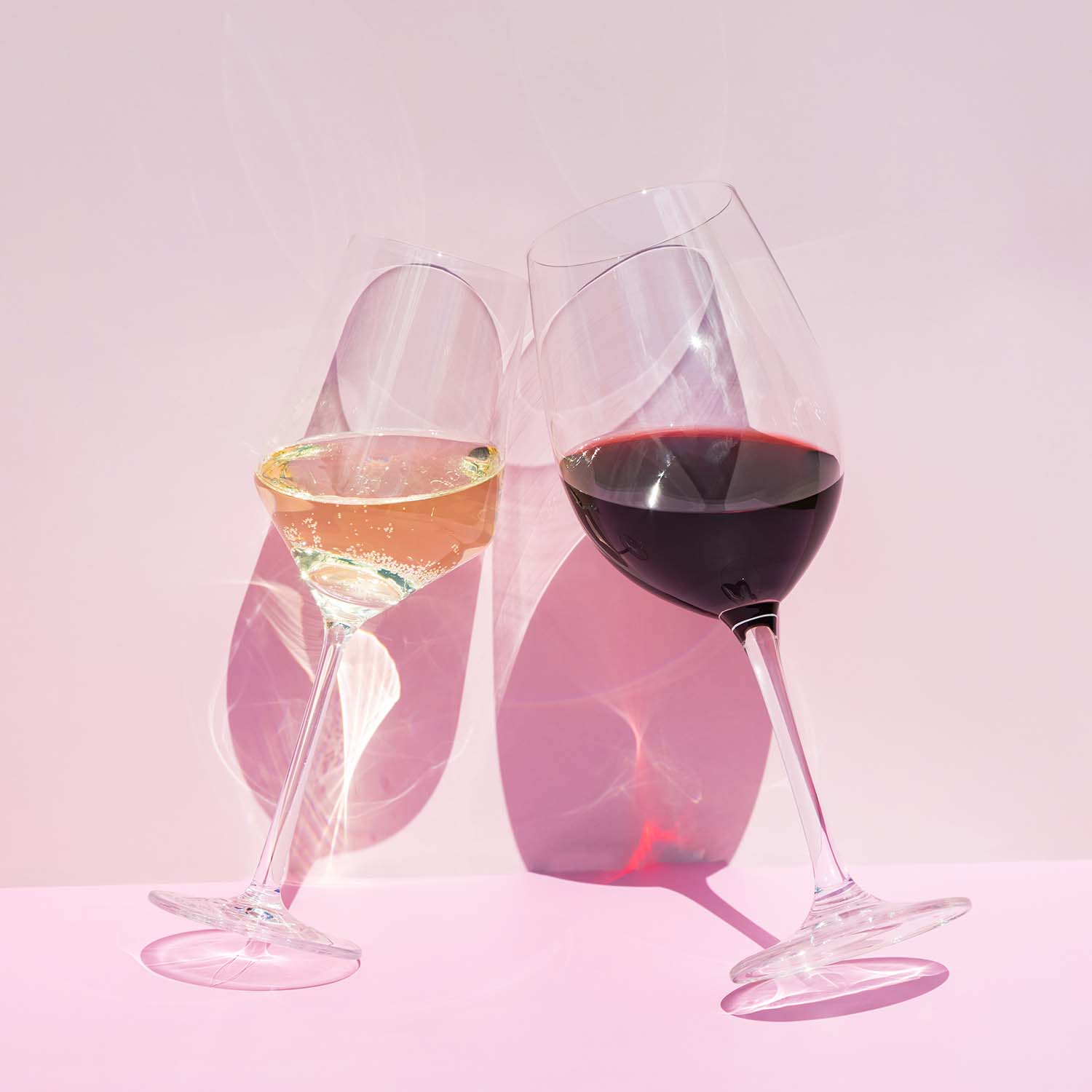
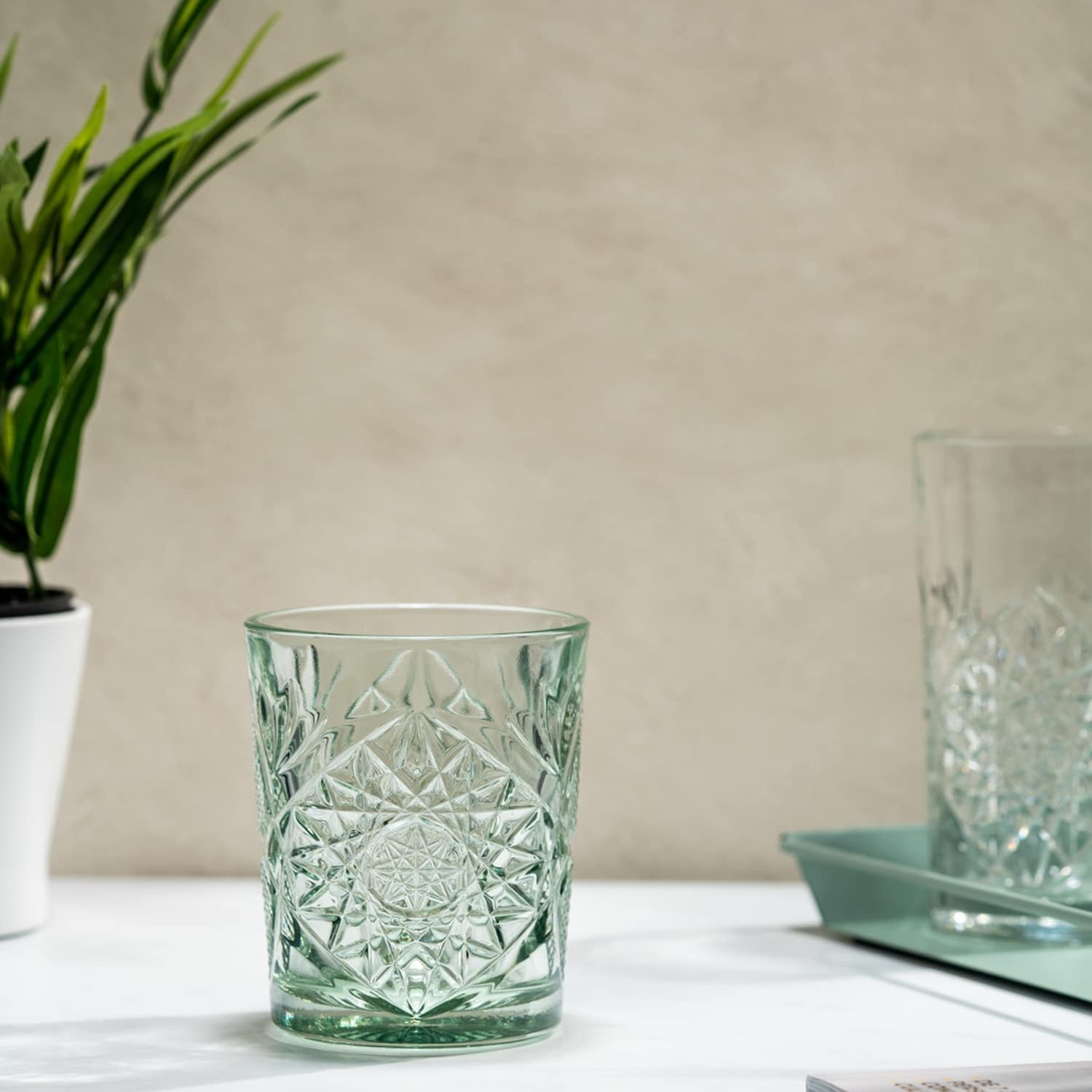
A zinfandel with 14 to 16 percent alcohol needs room. In a tight glass, the alcohol gathers under your nose and overwhelms the fruit; in a tall, spacious bowl, the wine gets air and the blackberry, pepper and liquorice come to the fore. A glass sold as a zinfandel glass is not available; the spacious Bordeaux and all-round bowls in the large wine glasses range come closest. If you decant a young bottle, also take a look at the decanters.

Zwiesel Glas Vervino Bordeaux Glass 74.2 cl in Gift Box (2 pieces)

Stölzle Lausitz Power Wine Glass 52 cl (6 pieces)
Both sets together € 83,85.
The right tools
For a bottle of zinfandel, besides the glass, you mainly need a corkscrew and, for a young bottle, a decanter. The bar tools below only come into play when a pitcher of sangria is made from the rest of the bottle: a bar spoon for stirring and a jigger for measuring. These are the bar tools we use ourselves; you can find everything in our bar tools & cocktail sets.


Glass set (our choice 01) + 2 bar tools together € 55,80.
What do you serve alongside it?
A bottle of zinfandel rarely stands alone on the table. These are the wines served before, alongside or after it, from a glass of champagne beforehand to a moscato with dessert. On each drinks page, you can read the alcohol percentage, what it tastes like, which cocktails pair well with it and which glass you need.


Variations & twists
Pay attention to two things that are often confused. White zinfandel is a sweet rosé made from the same grape variety, with low alcohol and a pink colour, and has nothing to do with serious red zinfandel. And old vine on the label is not a protected term: there is no established minimum age, so what one producer calls old vines may mean something quite different at the next. If you want to know what is in the bottle, read the back label and look at the region: Lodi, Napa and Sonoma each produce their own style. Want to read more? View all drinks and brands.
Serving tip
Serve at 16 to 18 degrees and do not leave the bottle in the sun or next to the barbecue, because above that temperature the alcohol will dominate. With zinfandel, that fire works well in the dish itself: spareribs with a sweet marinade, pulled pork, grilled burgers or a piece of meat from the barbecue. The sweetness of the sauce and the jammy character of the wine balance each other, while the pepper in the wine keeps everything crisp.
Good to know
Zinfandel, primitivo and crljenak kaštelanski
These are three names for the same grape variety. Zinfandel is the Californian name, primitivo the name in southern Italy and crljenak kaštelanski the Croatian one. This was established through DNA research; Croatia is its place of origin. They do not taste identical in the glass, because the climate and winemaking methods differ, but the plant material is the same.
White zinfandel is not red wine
White zinfandel is a sweet rosé made from the same blue grape variety, with little time on the skins. It is light, pink and sweet, and otherwise has nothing to do with full-bodied red zinfandel. So anyone who reads white zinfandel on a label is holding neither a white wine nor a red wine.
What “old vine” does and does not mean
Old vine is not a protected term. There is no minimum vine age attached to it and no authority that checks it, so one producer uses it for vineyards that are decades old and the next for something much younger. It can be an indication of a more concentrated wine, but it is no guarantee.
Why there are raisins among the berries
Zinfandel bunches ripen remarkably unevenly. While some berries are still hard, others have already dried into raisins. The producer therefore has to choose: pick early and include green notes, or pick late and accept the shriveled berries. The latter usually happens, which explains both the jammy flavor and the high alcohol percentage.
How much alcohol it contains
Californian zinfandel is often between 14 and 16 percent, making it one of the strongest red wines you encounter in stores. This is due to the shriveled berries, which bring a lot of sugar. The exact percentage is always stated on the label.
Frequently asked questions
Are zinfandel and primitivo the same grape?
Yes. DNA research has established that Californian zinfandel, southern Italian primitivo and Croatian crljenak kaštelanski are the same grape, and that Croatia is its place of origin. The wines do not taste identical because the climate and winemaking differ, but the grape is the same.
What is white zinfandel?
A sweet rosé made from the same dark-skinned grape, which has spent only a short time on the skins. It is light, pink and sweet, and has nothing to do with full-bodied red zinfandel. The name causes confusion, but these are two entirely different wines.
Does old vine mean anything on the label?
Not in the legal sense. There is no established minimum age for the vines and no oversight of the term's use, so every producer can interpret it in their own way. Sometimes it indicates old, low-yielding vineyards and a more concentrated wine, but you cannot take it for granted.
At what temperature and in what glass should you serve zinfandel?
At 16 to 18 degrees, in a generous glass of roughly 55 cl or more. With 14 to 16 percent alcohol, the wine quickly smells harsh in a cramped or overly warm glass. Half an hour in the refrigerator brings the bottle to the right temperature.
Also delicious
Everything for your bar,
to one address
Horeca-quality glasses, delivered as a set. Order today, receive them quickly.
Shop the glasses →