Verdejo
Verdejo is the white grape of Rueda, the Spanish region along the Duero River, and produces dry wine with citrus, green apple and fennel notes. The grapes are often picked at night there, which helps preserve freshness in the bottle.


Wine by type
Verdejo isn't alone on the shelf. Four closely related pages, from white wine in general to Spain's other great name.
White wine
Where Verdejo fits on the shelf: the whole story, from dry to dessert-sweet white wine.
About white wine →Sauvignon blanc
The grape Verdejo is most often compared to, with a crisper, sharper character.
About Sauvignon Blanc →

Chardonnay
Oak-aged, full-bodied and buttery smooth, making it the opposite of a young bottled Verdejo.
About Chardonnay →The grapes are harvested from the vine at night
The most distinctive thing about verdejo happens in the dark: the grapes are often harvested at night in Rueda. There is a practical reason for this. Hot summer days produce ripe fruit, while cool nights preserve the grapes' fresh acidity, and picking during the coolest part of the day prevents the winemaker from having the juice start fermenting too early due to oxygen. This preserves the freshness and fruitiness all the way to the cellar. At Faustino, this practice even became the name of the bottle: Vendimia Nocturna means night harvest. Verdejo itself is a white grape grown almost exclusively in Rueda, the region along the Duero River that received D.O. status in 1980.
Rueda has a continental climate with hot summers and cold winters, and soil made up of limestone, clay, and sand; the vineyards themselves also have plenty of pebbles. Verdejo is the region's most iconic grape variety, producing dry, expressive wine with good acidity. Most bottles are bottled young and served as they are, but some verdejos are aged in oak. These are fuller in flavor, with hints of honey and nuts; they become more complex and keep for longer. Unopened, a bottle is usually best enjoyed within two to four years of the harvest, depending on the style.
In brief
Six bottles, from punchy and fresh to oak-aged
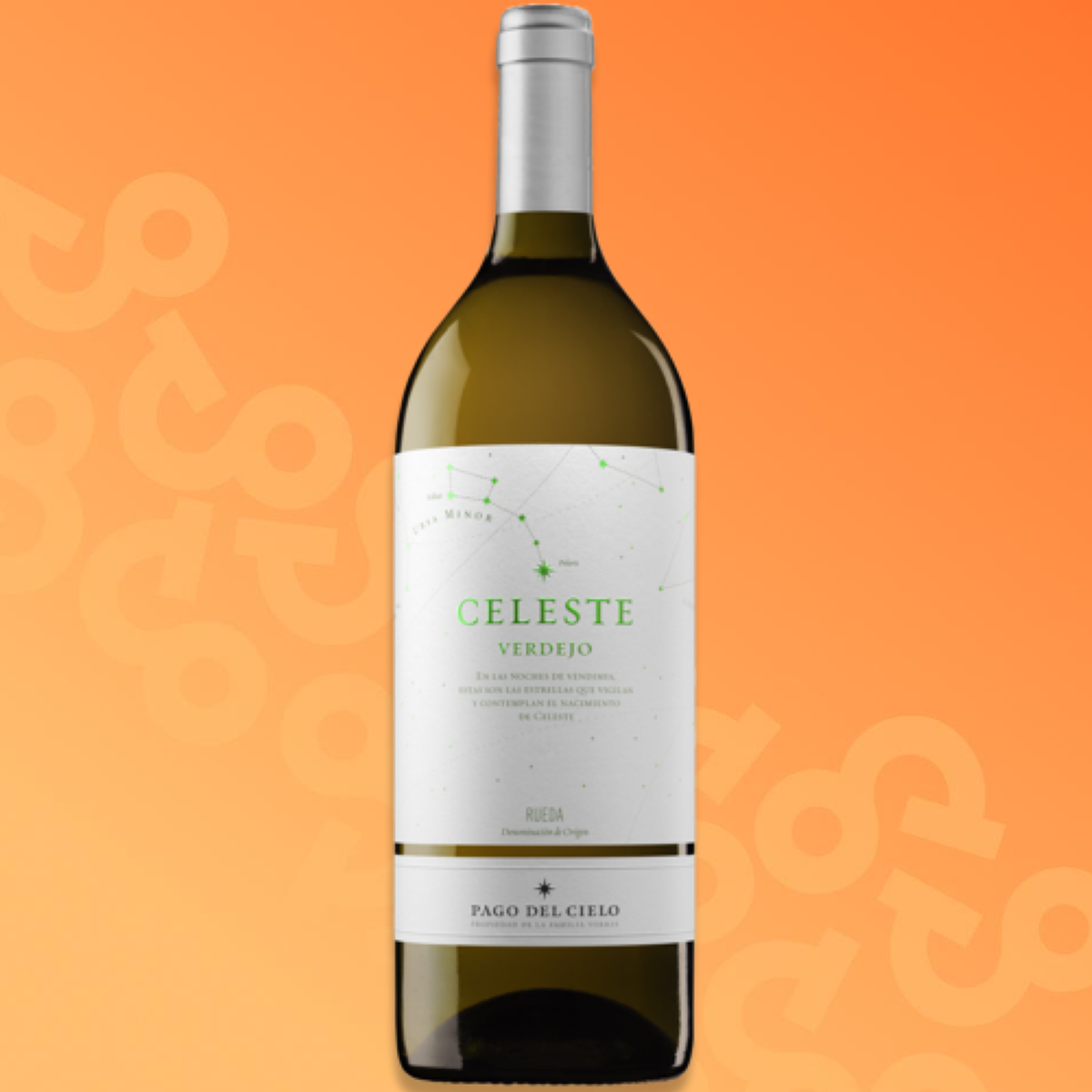
Four classic Ruedas, one oak-aged wine, and one organic wine from another region. From top to bottom, the wines become fuller-bodied and the emphasis on pure freshness fades.
Cune Rueda Verdejo
Fruity, juicy, and approachable, with tropical fruit, lemon, green herbs, and fennel. One of the easiest ways to discover what this grape is known for.

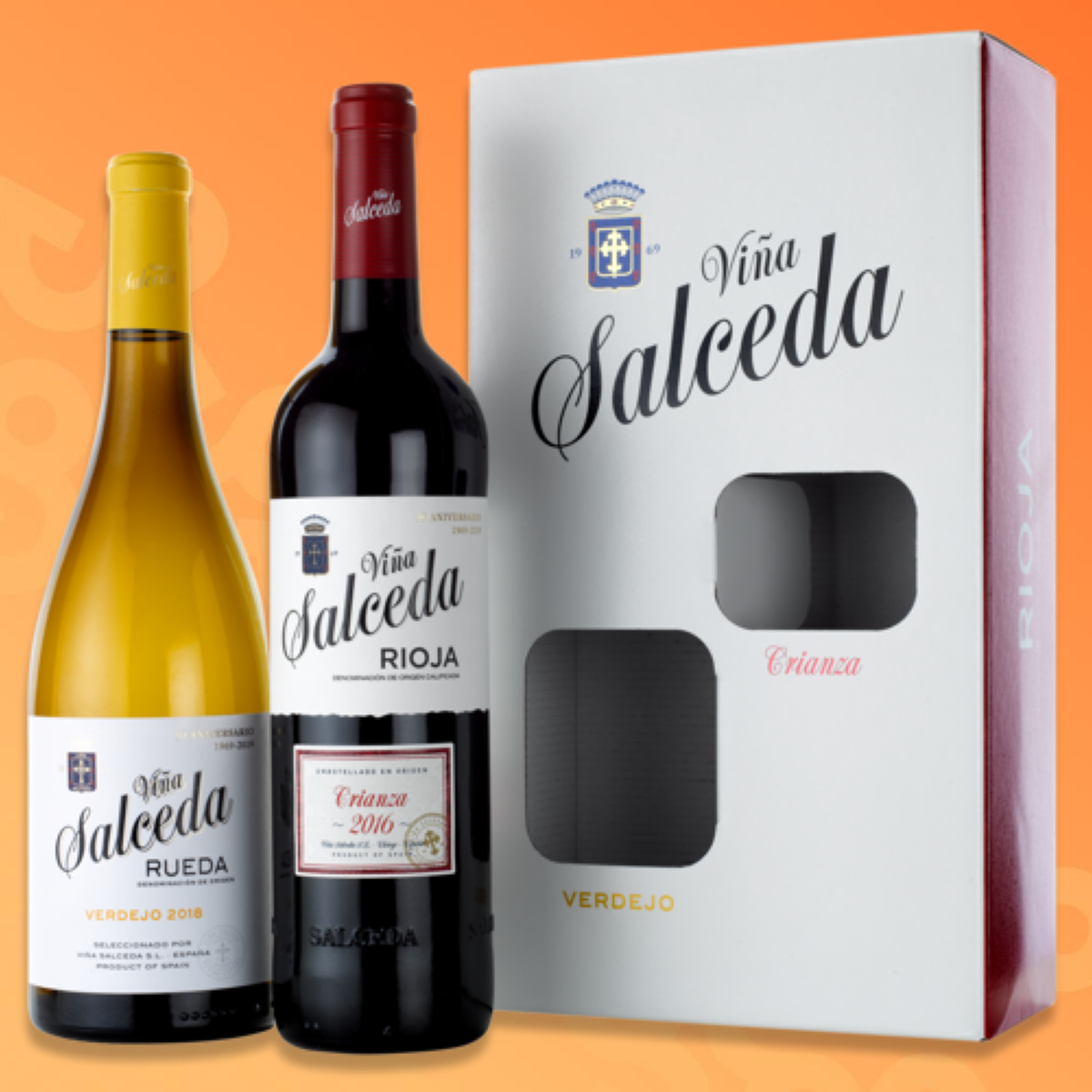
Viña Salceda Rueda Verdejo
Here too, the grapes are harvested at night, and the result is a punchy, fresh white wine with mango, pineapple, and papaya. It also has aromas of lemon and fennel.

Marqués de Riscal Rueda Verdejo
Bursting with tropical fruit, from one of Spain's best-known producers. More exuberant than most of the bottles in this lineup.

Faustino Vendimia Nocturna
Vendimia Nocturna means night harvest, and this bottle's label tells the story of the region. Fresh aromas of tropical fruit and apricot with a touch of spice, and a flavor that's powerful yet fresh.

Marqués de Riscal Limousin Reserva
This verdejo is aged in oak barrels; the name Limousin refers to the French region where the oak grows. Complex and elegant, with yellow fruit, almonds and a hint of vanilla.

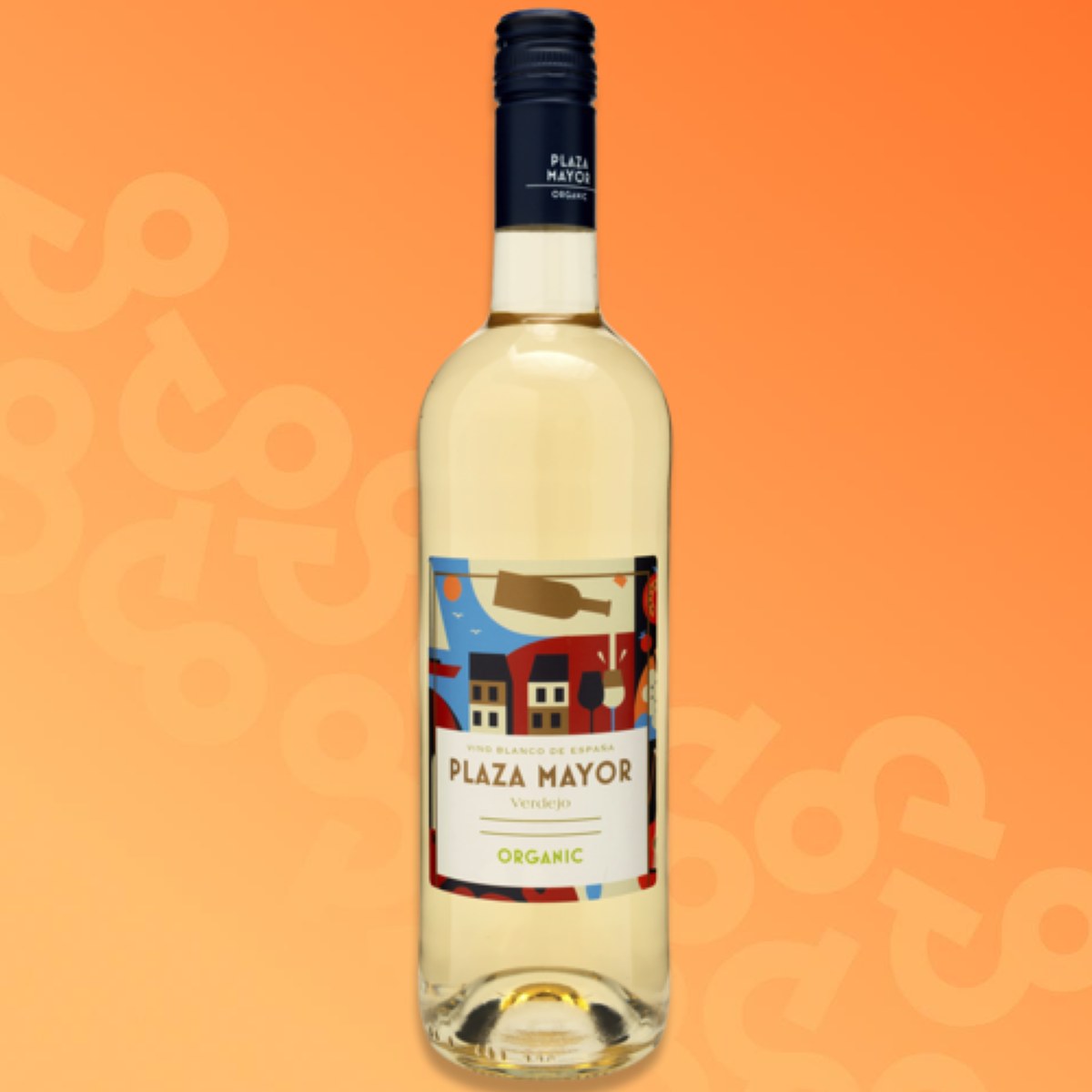
Plaza Mayor Verdejo Organic
An organic bottle that shows verdejo also grows outside Rueda. Straightforward and approachable, with spicy fruitiness and a distinctive mild almond-like bitterness.
If you're looking for the same freshness but with more precision and a sharper edge, sauvignon blanc is the way to go.
Fresh and aromatic, and softer than you'd expect
Citrus & fennel
Fresh and aromatic, with lime, green apple and white peach, and an underlying fennel-like spice. An oak-aged bottle adds honey and nuts.
Dry and rounded
Dry, with good acidity and yet a rounded texture; you can taste citrus fruits, green melon and white peach. This combination of freshness and softness is why verdejo is so easy to drink.
Almond
The finish is slightly spicy and often has a mild almond note. That almond-like bitterness comes through most clearly in the organic bottle from Castilla La Mancha.
Flavor profile of a typical young-bottled verdejo. An oak-aged bottle scores higher on intensity and much lower on freshness.
How to pour verdejo
Verdejo likes to be poured cold and doesn't need much else. The grape does the work; you just take care of the temperature and the glass.
Chill at 8 to 10 degrees
At this temperature, verdejo is at its best: cold enough to bring out its fresh acidity, but not so cold that the aromas are muted. About three hours in the fridge is enough. Decanting isn't necessary; only fuller-bodied or oak-aged bottles benefit from a few minutes of air.
To the glasses →In a standard white wine glass
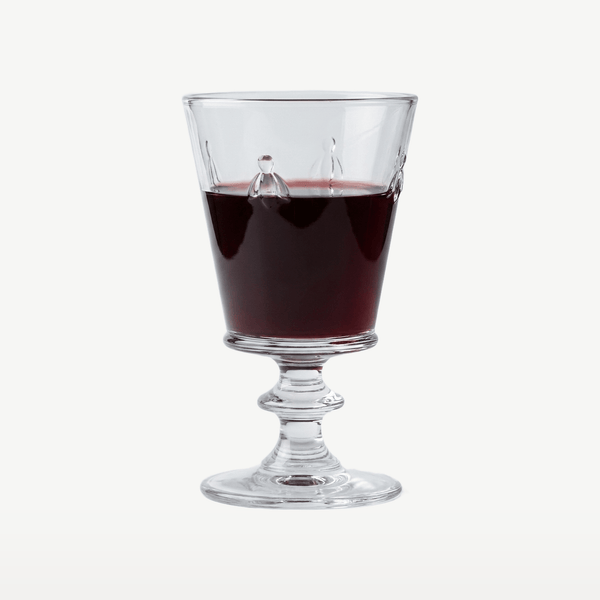
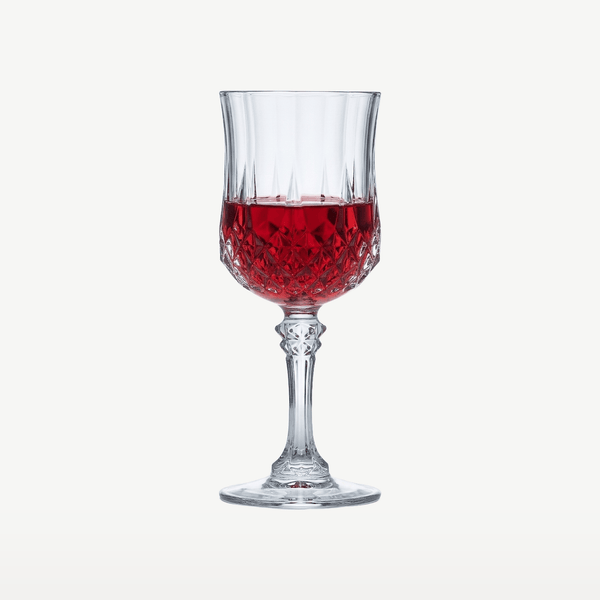
A regular white wine glass is just right, as it best brings out the fresh aromas and fruity scents. The bowl captures and distributes the aromas, and holding the glass by the stem keeps your hand from warming the wine. Pour white wine just above the widest part of the bowl; as a rule of thumb, a bottle serves six glasses.
More about serving →With food
Goat cheese, white fish such as cod or sea bass, shellfish and salads with a fresh citrus dressing. From the region itself, grilled fish such as salmon or swordfish, paella, sashimi and fish croquettes are also popular. An oak-aged verdejo is better served with richer dishes.
To the bottles →White wine cocktails
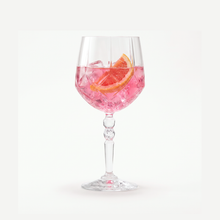
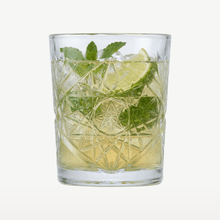
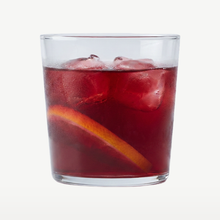
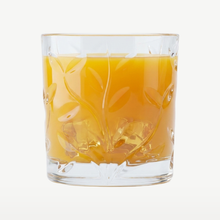
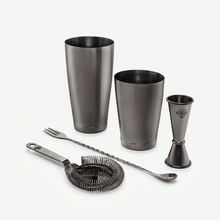
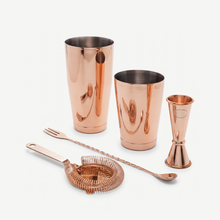
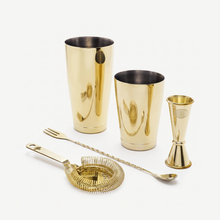
Verdejo is hardly ever used in a cocktail; it's served chilled in a glass. These four come closest: two Spanish wine drinks and two spritzes made with sparkling wine.

Sangria
Wine with fruit, orange and ice, the best-known way to mix wine.
Tinto de Verano
Wine topped up with fizz and lemon, the summer drink of Spanish terraces.
Hugo Spritz
Elderflower syrup, sparkling wine, sparkling water and mint over plenty of ice.
Aperol Spritz
Aperol, sparkling wine and a splash of sparkling water, with a slice of orange.The right glass for verdejo
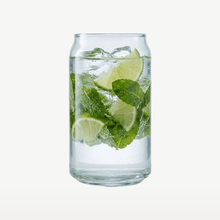
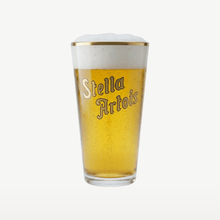
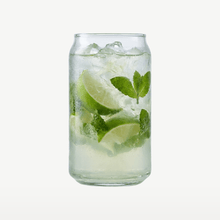
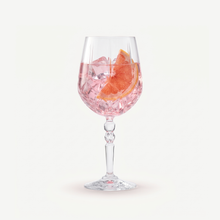
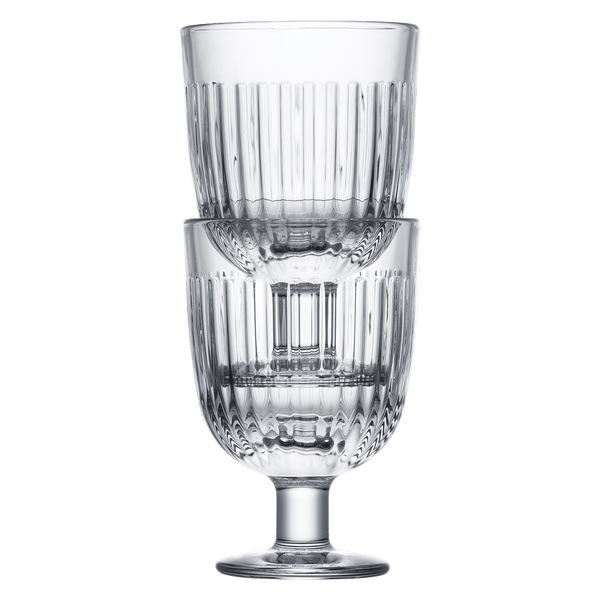
A standard white wine glass brings out the fresh aromas best while keeping the wine cool. These are the glasses we recommend ourselves.


Everything else you wanted to know about verdejo
Can’t find your question here? Browse our cocktail recipes or get in touch.
Go to the cocktail recipes →What is verdejo wine?
Why are the grapes harvested at night?
What does verdejo taste like?
What’s the difference between verdejo and sauvignon blanc?
Is verdejo dry or sweet?
At what temperature should you serve Verdejo, and in what glass?
How long does a bottle of Verdejo keep?
Buy Verdejo
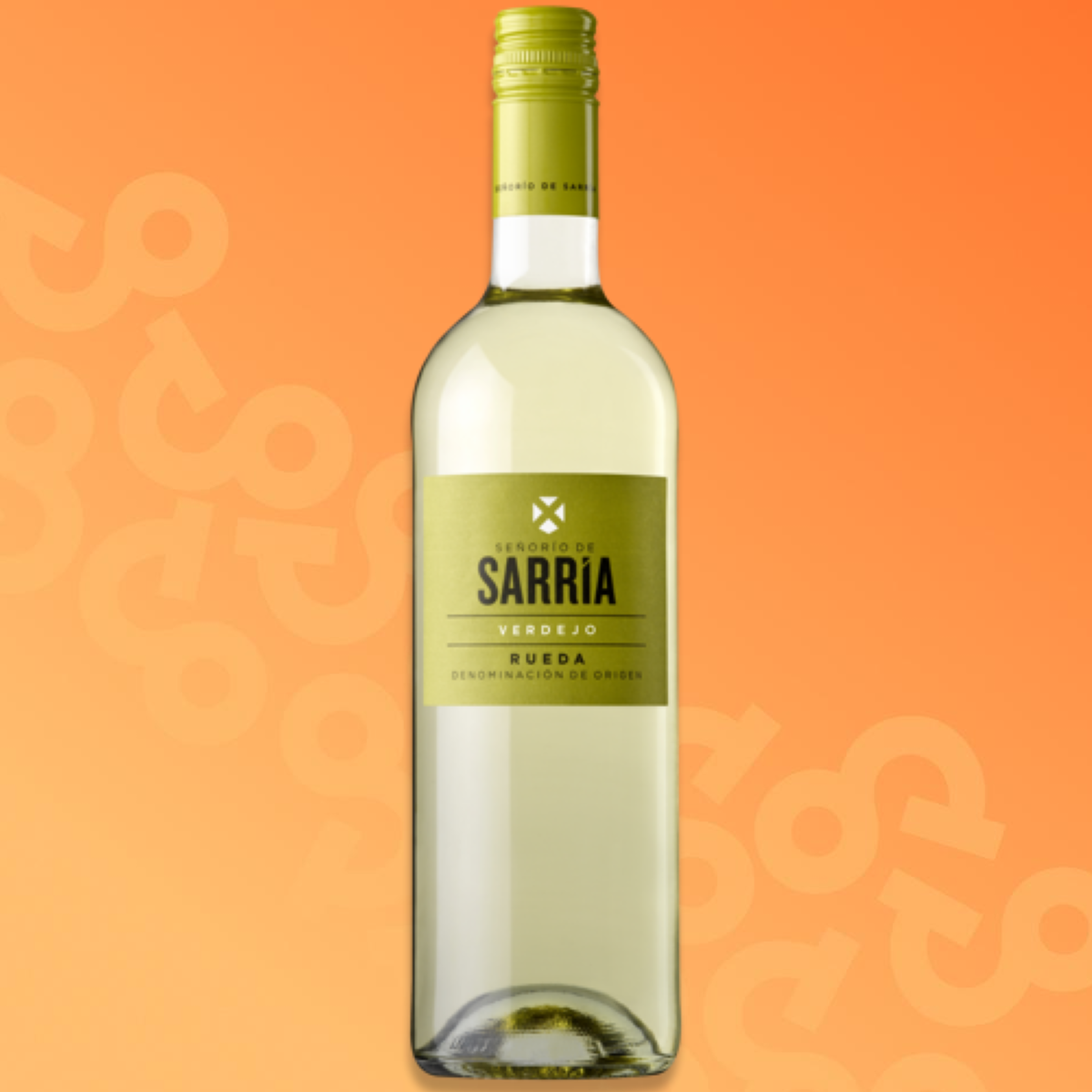
Want the bottle delivered to your home right away? Order Verdejo online at Gall & Gall. Gall & Gall has 11, including 3 on sale.
Prices as of November 16, 2026, as provided by Gall & Gall. You can see the current price and stock at Gall & Gall. Glazen.nl receives a small commission if you buy something through these links; you pay nothing extra. No 18, no alcohol.