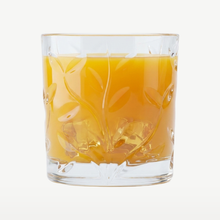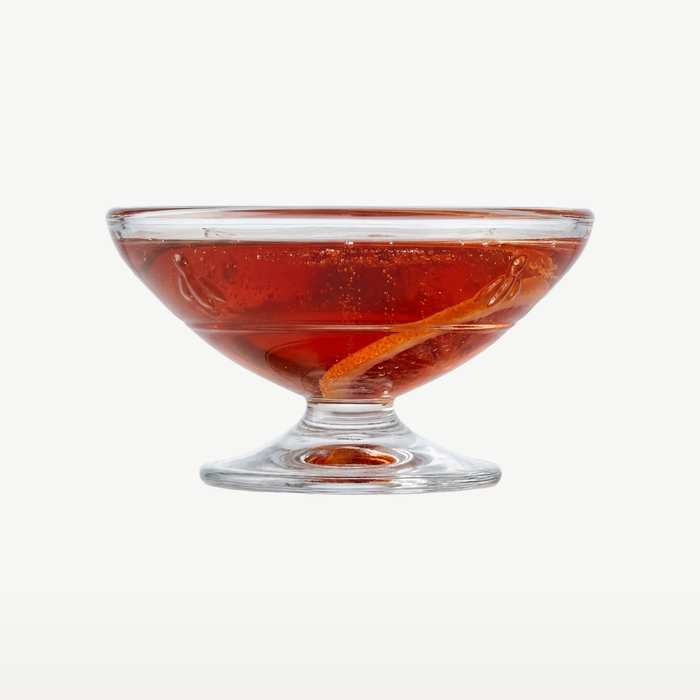
La Rochère Abeille Coupe 20 cl - 6 Pieces
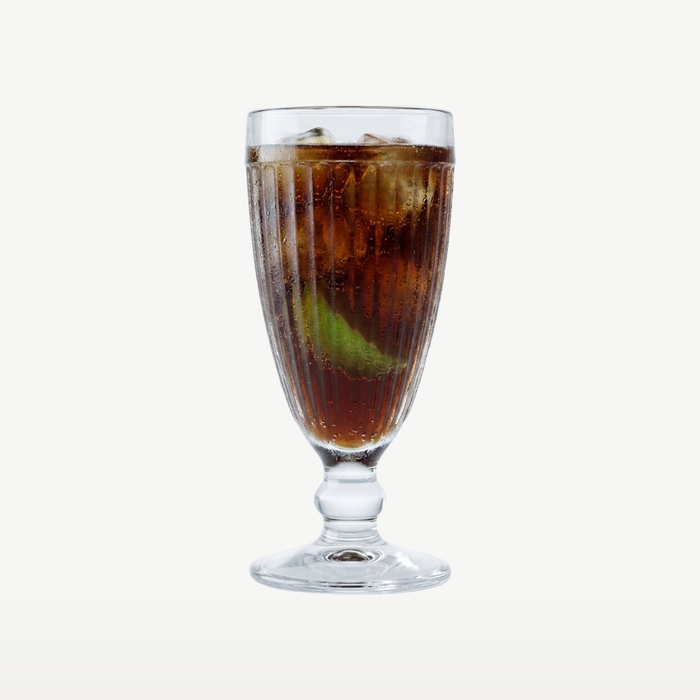
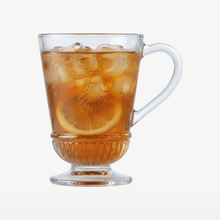
La Rochère Antillaise Iced Tea Glass 29 cl - 6 Pieces
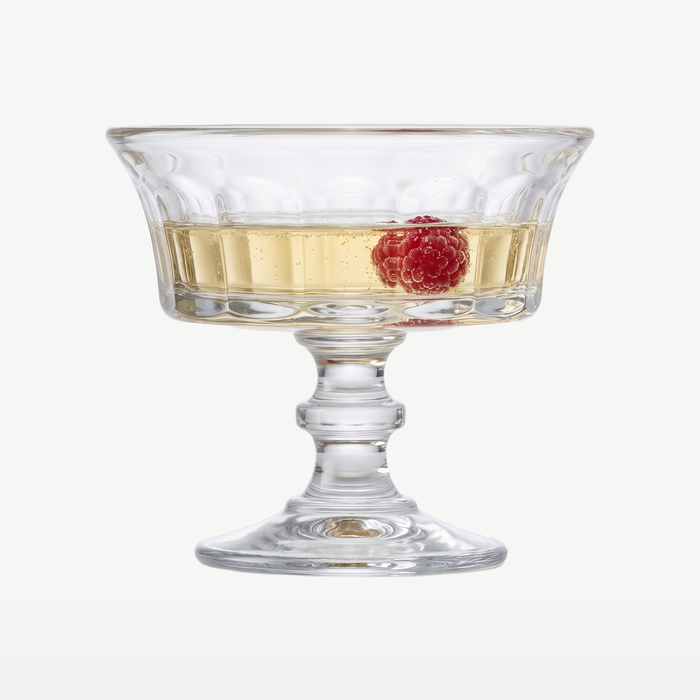
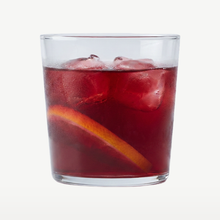
La Rochère Perigord Coupe 22 Cl - 6 Pieces
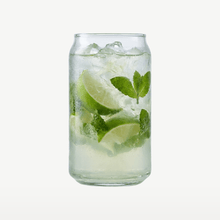
Bormioli Rocco Fortuna Iced Tea Glass 32 Cl - 6 Pieces

The vanilla ice cream recipe
for your table
Split the vanilla pod lengthwise and scrape out the seeds with the back of a small knife. Put the seeds, empty pod and milk together in a pan. Heat until just below boiling, turn off the heat and leave the pod to infuse for half an hour.
Whisk the yolks with the sugar and salt until the mixture turns lighter in color. Remove the pod from the milk and heat the milk again. Then pour it in a thin stream into the yolks while continuing to whisk. This prevents the egg from being shocked.
Return everything to the pan over low heat. Bring the mixture to 82 to 84 degrees, until it coats the back of a spoon and you can draw a line through it with your finger. If it goes above 85 degrees, the egg will set and the custard will curdle. So take it off the heat in time and strain it immediately.
Stir the cold heavy cream into the strained custard. Cover and refrigerate overnight. Then churn it in the ice cream maker. No machine? Put the container in the freezer and scrape the ice cream loose four times, once every half hour. Let it firm up for at least three hours before scooping.
What did you think of this recipe?
One click on a star is all it takes. If you’d like to add a comment, we’ll review it before it appears here.
Save this recipe
Send the recipe for this vanilla ice cream to your own email so you have it handy when you’re ready to make it. You’ll also get a €5 discount code for purchases of €50 or more, to use on the matching glasses.
The story
If you see black specks in your ice cream, a vanilla bean has been used. Those are the seeds, or the pulp. But whether the ice cream really tastes like vanilla depends on how they got into it. The aromatic compounds dissolve in fat and barely in water. So warm milk and cream extract them best. If you stir the pulp into the cold mixture at the end, some of the flavor remains trapped in the grains. And that empty pod? Don’t throw it away. It contains more aroma than the pulp itself. Let it steep, and remove it only once the milk has cooled.
The right glass
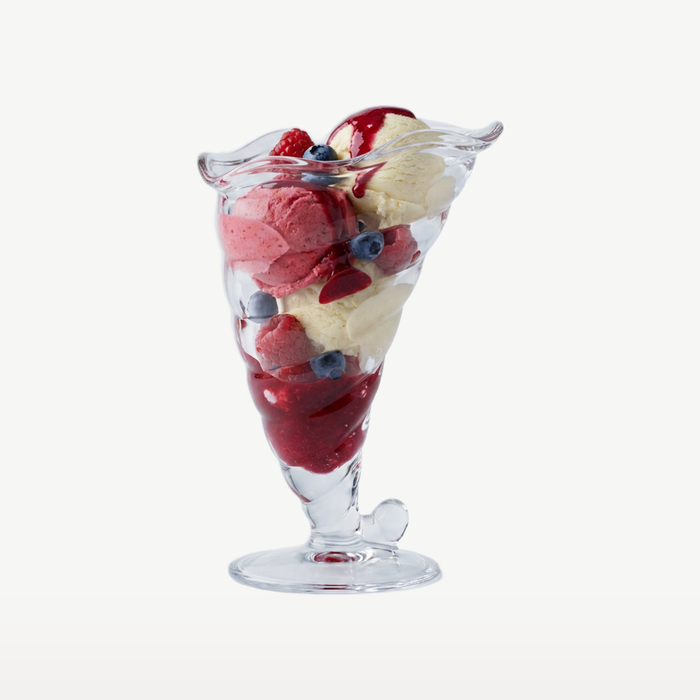
Vanilla ice cream is rarely served plain. A dame blanche is topped with chocolate sauce, while an affogato gets hot espresso. So the glass needs to handle something warm without the ice cream melting straight away. We start with the classic sundae glass. A stemmed coupe keeps your hand away from the bowl, so the scoops melt more slowly. The stem elevates the dessert, making the whipped cream and sauce rise nicely above the rim. A 25 cl glass fits two scoops with toppings. Our second glass is a little smaller and taller. It’s also meant for two scoops with toppings, and is made for a single-serving dame blanche or an affogato with espresso poured over the ice cream. The glass is tempered and can handle the temperature difference. You can find other sizes in our ice cream coupe collection.

Royal Leerdam Desserts Ice Cream Coupe 25 cl (6 pieces)

Bormioli Rocco Primavera Ice Cream Glass 24 cl (6 pieces)
Both sets together € 78,90.
The right tools
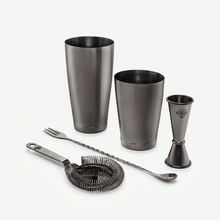
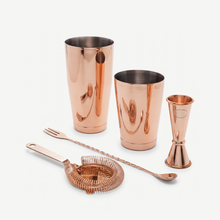
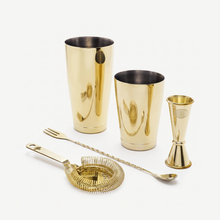
For vanilla ice cream, alongside the glass, use a fine strainer to strain the custard as soon as it thickens, removing the peel and any curdled bits all at once, and a bar spoon with a long handle to stir the warm milk into the yolks without having to reach into a deep bowl. These are the bar tools we use ourselves; you’ll find everything in our bar tools & cocktail sets.


Glass set (our choice 01) + 2 bar tools together € 58,85.
What should you pour with it?
Vanilla and oak share a sweet, woody note, which makes a brown spirit with vanilla ice cream less strange than it sounds. Pour whisky and bourbon over a scoop by the spoonful; amaretto and sambuca are the classics at the table. On each drink page, you’ll find the alcohol percentage, what it tastes like, which cocktails go with it, and what glass you need.


Variations & twists
One stick, three kinds of ice cream. Leave out the yolks and you have milk ice cream. It’s lighter and whiter, quicker to make, and you don’t need a pan. That’s how they do it in America. Double the yolks instead and you move toward the French style, deep yellow and almost like custard. If you use a spoonful of vanilla paste instead of a stick, you keep the specks, but skip the steeping in milk. Want to mix something in? Stir in toasted sliced almonds or a ribbon of caramel while the ice cream churns, just before it’s done. Looking for more ideas? Check out more than 100 cocktail recipes.
Serving tip
This ice cream is the base for a dame blanche, an affogato, and the old-fashioned ice cream sundae. So serve generous scoops and keep the toppings simple. Pour anything warm over it only at the table. If you do it in the kitchen, the contrast between hot and cold will already be gone by the time the sundae reaches the table. Chill the glass beforehand; that helps more than a cold spoon.
Good to know
Why does the vanilla go into the warm milk?
Vanilla dissolves in fat, but barely in water. So warm milk and cream draw out the flavor well, while a cold mixture does so much less effectively. Split the pod lengthwise, scrape out the pulp, and steep the pulp and pod for half an hour in the milk. You can smell it after five minutes, but the real flavor only comes through after that half hour.
Pod, extract, paste, or vanilla sugar?
A vanilla pod gives you the most flavor and those black specks, but it’s also the most expensive. Vanilla paste is reduced extract with the pulp in it. The specks and flavor remain, but there’s no steeping in the milk. Extract is an alcohol-based infusion, without specks. It works well in a cold mixture, but stir it in right at the end, because the alcohol and aroma evaporate when heated. Vanilla sugar is sugar with a single flavoring compound. The cheapest option, but also the most one-dimensional in flavor.
What are those black specks, anyway?
They’re the seeds from the vanilla pod, the pulp you scrape out. They show that a pod or paste has been used. They say little about the flavor, because you can also buy them separately and stir them into an otherwise flavorless mixture. The flavor comes from what has steeped in the milk. You only see the specks.
Why exactly 82 to 84 degrees?
At this temperature, the egg yolks thicken the mixture without curdling. If you stay below it, you’ll have a thin custard that runs off the spoon. If you go above it, the proteins in the yolk coagulate and you get lumps. The custard has curdled. Don’t have a thermometer? Try the spoon test and take the pan off the heat as soon as a line drawn through the coating on the back of the spoon stays visible. If it does curdle, a fine-mesh strainer can usually still save quite a bit.
French style with eggs or American without?
For the French style, you cook a custard with egg yolks, milk, and sugar. It thickens and tastes rich and yellow, but you need a saucepan and a thermometer. The American style has no egg yolks: you simply whisk cream, milk, and sugar together while cold. It’s fresher, whiter, and ready in ten minutes. For vanilla, though, we usually choose the French style, because the fat in the yolk carries the flavor.
What is vanilla ice cream used for?
It’s the base of a Dame Blanche with warm chocolate sauce and an affogato, where you pour espresso over the scoop. It’s also found in the classic ice cream sundae with whipped cream and fruit. The ice cream is always the understated part. The better the vanilla flavor, the less you need to add.
Frequently asked questions
Why steep the vanilla pod in warm milk?
Vanilla dissolves in fat and barely at all in water. The flavor comes out in warm milk and cream, while in a cold mixture it largely remains trapped in the grains. Split the pod, scrape out the seeds and let the empty pod steep too. It still contains plenty of aroma.
Can I make vanilla ice cream with extract instead of a pod?
You can. Just be sure to stir in the extract right at the end, since the alcohol and aroma evaporate when heated. You’ll miss the black specks, though. Vanilla paste is somewhere in between and gives you the specks and much of the flavor.
My custard has split. What now?
Remove the pan from the heat and pour the mixture through a fine sieve into a cold bowl. If it stays grainy, the egg has reached over 85 degrees. An immersion blender can often smooth it out again, although the texture will never be quite the same as before.
What is the difference between French and American vanilla ice cream?
French vanilla ice cream is made with a cooked custard of egg yolks. This makes it richer and more yellow. American vanilla ice cream contains no yolks, only cream, milk and sugar. It tastes fresher, is whiter and is quicker to make.
Also delicious
Everything for your bar,
to one address
Glasses in restaurant quality, sold in sets. Order today, delivered quickly.
Shop the glasses →