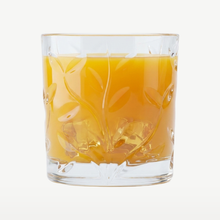
Nude Glass Savage Pony Glass 13.5 Cl - 6 Pieces

RCR Invino Liqueur Glass 10 Cl - 6 Pieces

Nude Glass Primeur Liqueur Glass 10 Cl - 6 Pieces

RCR Melodia Coupette Glass 16 Cl - 6 Pieces

How to pour it
a sherry in
Chill the bottle of fino in the fridge for three hours, until the wine is at 6 to 8 degrees. Oloroso doesn’t need to be as cold and is best enjoyed at 12 to 14 degrees.
Take the bottle out only when you’re ready to pour. Fino warms up quickly and loses its fresh, briny character.
Uncork the bottle and fill the copita about one-third full, around 5 cl. The empty space above the wine is where the aromas collect.
Serve the olives and almonds alongside, and reseal the bottle right away. Once opened, fino should be kept in the fridge and is best within a few days.
What did you think of this guide?
Just click a star once. If you’d like to add a comment, we’ll review it before it appears here.
Save this page
Email this page to yourself so you have the guide on hand when it’s time to pour. You’ll also get a €5 discount code when you spend €50 on the glasses that go with it.
The story
Sherry comes from a small area in southwestern Andalusia, with Jerez de la Frontera, El Puerto de Santa María, and Sanlúcar de Barrameda as its three corners. It is almost always made from the Palomino grape, a white grape with a fairly neutral flavor; Pedro Ximénez and Moscatel are used for the sweet styles. What makes sherry sherry happens only after fermentation. The wine is fortified with grape spirit and then put into barrels that are not completely full. Whether a layer of yeast develops in that space determines whether you get a fino or an oloroso.
The right glass
Sherry is served in a copita, also called a catavinos in Jerez: a small tulip-shaped glass on a stem, holding about 12 to 15 cl. Its shape concentrates the aromas, and you only fill it one-third full, leaving air above the wine. We carry this style under the name port and sherry glass; a catavinos from a bodega is often a little slimmer, so these are the glasses that come closest. More small goblets can be found among the liqueur glasses.

Royal Leerdam Bouquet Port / Sherry Glass 14 cl (6 pieces)

Chef & Sommelier Spirits Sherry Liqueur Glass 12 cl (6 pieces)
Both sets together € 61,90.
The right tools
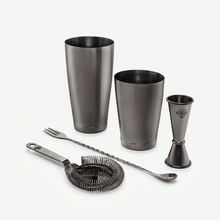
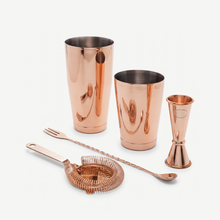
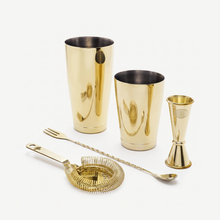
For sherry, alongside the glass, use cocktail picks for the olives and almonds, and a zester for a strip of orange peel. These are the bar tools we use ourselves; find everything in our bar tools & cocktail sets.

For the olive, the almond, or a piece of cheese on the side

Glass set (our pick 01) + 2 bar tools together € 69,85.
What do you pour alongside it?
Sherry is wine itself, fortified with grape spirit. These are the bottles that go well alongside it at the table, from a dry cava beforehand to a cognac after the meal. On each drink page, you can read about the alcohol percentage, how it tastes, which cocktails pair well with it, and which glass you need.


Varieties & twists
Fino and manzanilla are the pale, dry styles; amontillado falls somewhere in between, and oloroso is dark and nutty. Palo cortado starts out as a fino and ends up as an oloroso. Then there's the sweet side: pedro ximénez made from dried grapes, and cream, an oloroso sweetened with PX. In Andalusia, fino is mixed with lemon soda to make a rebujito. Want to read more? See all drinks and brands.
Serving tip
Serve fino and manzanilla at 6 to 8 degrees, in a copita filled only one-third of the way. Oloroso and amontillado are best enjoyed at 12 to 14 degrees. Serve them with olives, almonds or a piece of aged cheese, and store an opened bottle of fino upright in the fridge.
Good to know
What exactly is flor?
Flor is a layer of yeast that forms on the surface of the wine in the barrel. This layer shields the wine from the air while feeding on the alcohol and other substances. As a result, the wine stays pale and develops its dry, almost saline note. This is called biological aging, and it's what makes a fino or manzanilla.
Why do amontillado and oloroso taste so different?
Once the flor layer disappears, or the wine is fortified to the point where the yeast can no longer live, the wine comes into contact with oxygen. This oxidative aging makes it darker and brings out notes of nuts, caramel and dried fruit. Oloroso ages this way from the start, amontillado begins under flor and then continues without it, and palo cortado falls somewhere in between.
How does the solera system work?
The barrels are stacked in layers. The solera at the bottom holds the oldest wine, with criaderas containing progressively younger wine above it. Only some of the wine is ever drawn off from the bottom layer, and it is topped up from the layer above. This keeps everything blended and the style consistent year after year. That's why a year is almost never shown on a bottle of sherry.
Which grapes are used?
The base is palomino, a white grape that is quite neutral on its own and therefore takes on the character of the aging process well. Pedro ximénez and moscatel are used for the sweet styles. For PX, the grapes are first dried in the sun, which greatly concentrates their sugar.
How much alcohol is in sherry?
Sherry is fortified with wine alcohol, which gives it a higher alcohol content than regular wine. The dry, pale styles are usually around 15 to 17 percent, while the oxidative styles are roughly between 17 and 22 percent. The exact alcohol content of your bottle is on the label.
How long does an opened bottle keep?
Fino and manzanilla are essentially just wine and deteriorate quickly after opening; allow a few days, refrigerated and upright. Oloroso, amontillado and PX have already undergone a long oxidative aging process, so they last for weeks to months.
Frequently asked questions
What is the difference between fino and manzanilla?
Both are pale, dry sherries aged under a layer of flor. Manzanilla is the name used only for wine aged in Sanlúcar de Barrameda, by the sea. Fino comes from Jerez de la Frontera and El Puerto de Santa María. Many people find manzanilla a little lighter and saltier.
At what temperature should you serve sherry?
Serve fino and manzanilla at 6 to 8 degrees, so they should be really cold from the fridge. Amontillado and oloroso should be served at 12 to 14 degrees; they become flat and heavy when too warm, but also closed when too cold. Serve sweet Pedro Ximénez at around 6 to 8 degrees.
Why isn't there a year on a bottle of sherry?
Because the wine comes from a solera. In this system, young wine is repeatedly blended with older wine, so each bottle is a blend of several years. A year on the label would therefore be meaningless. There are exceptions, but the rule is that sherry does not carry a vintage year.
What glass do you use for sherry?
A copita or catavinos: a small tulip-shaped glass on a stem, holding around 12 to 15 cl, filled about one-third full. A port or sherry glass from our catalog has the same shape. A wide wine glass works less well because the aroma dissipates.
Buy sherry
Want the bottle delivered straight to your door? Order sherry online from Gall & Gall. Gall & Gall has 24.
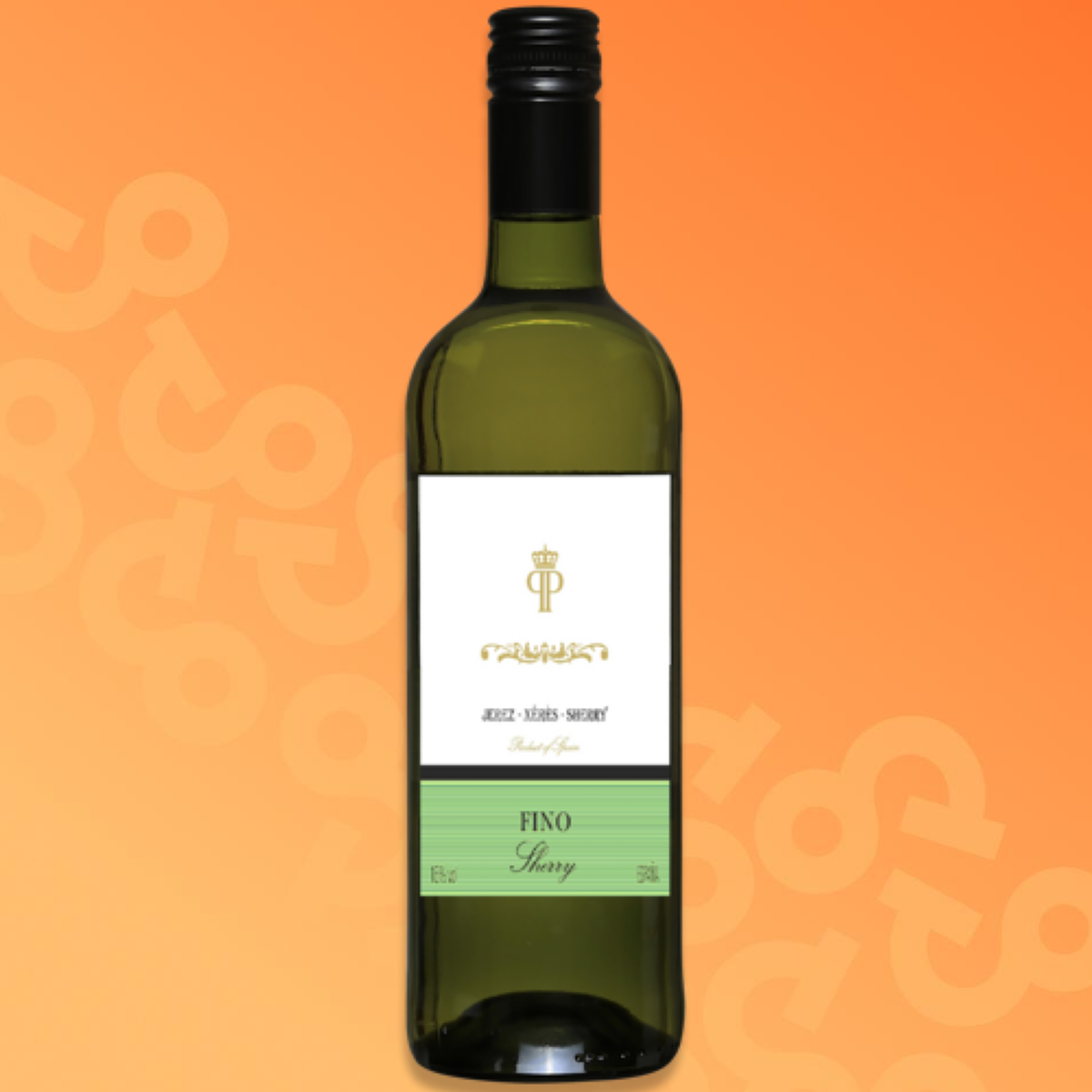
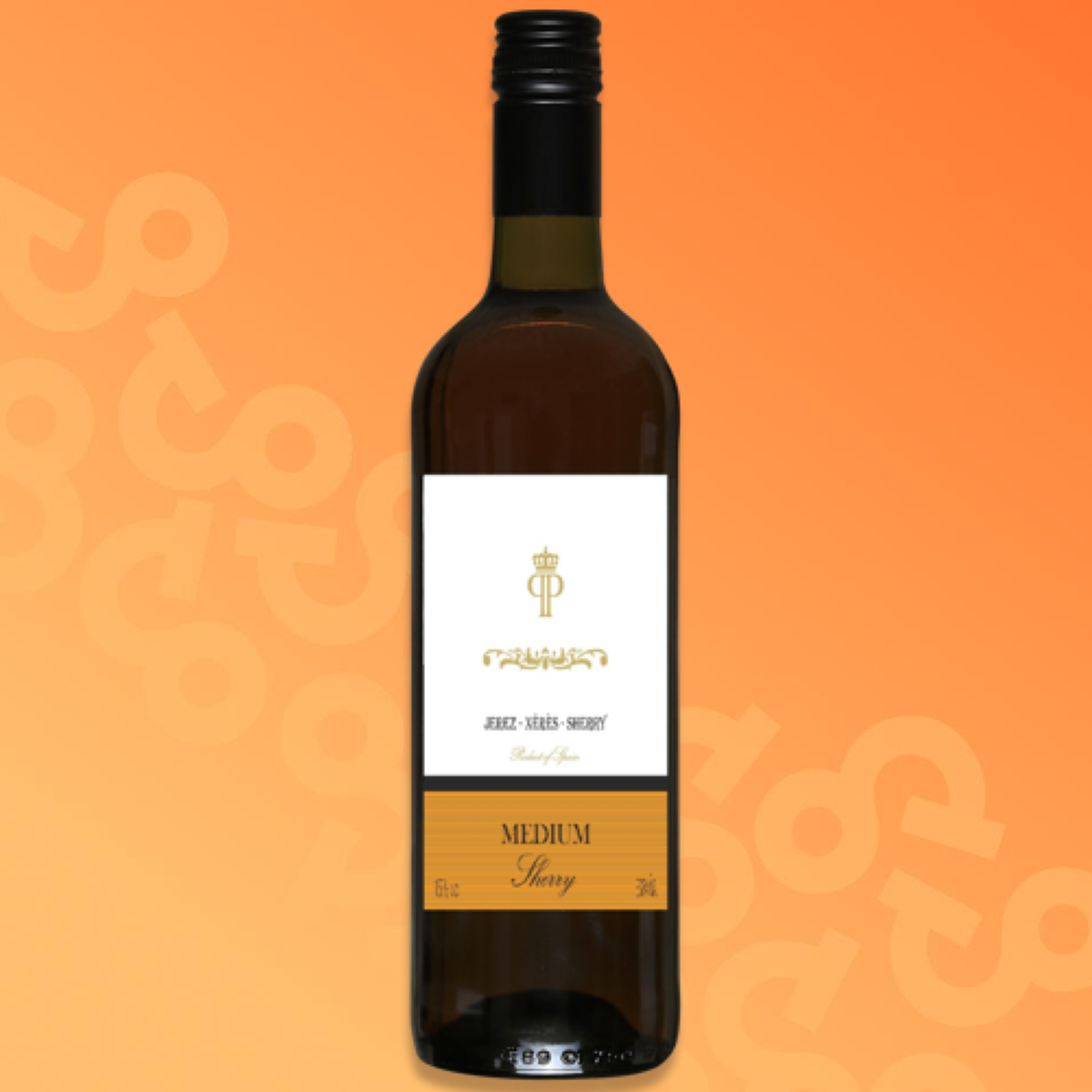
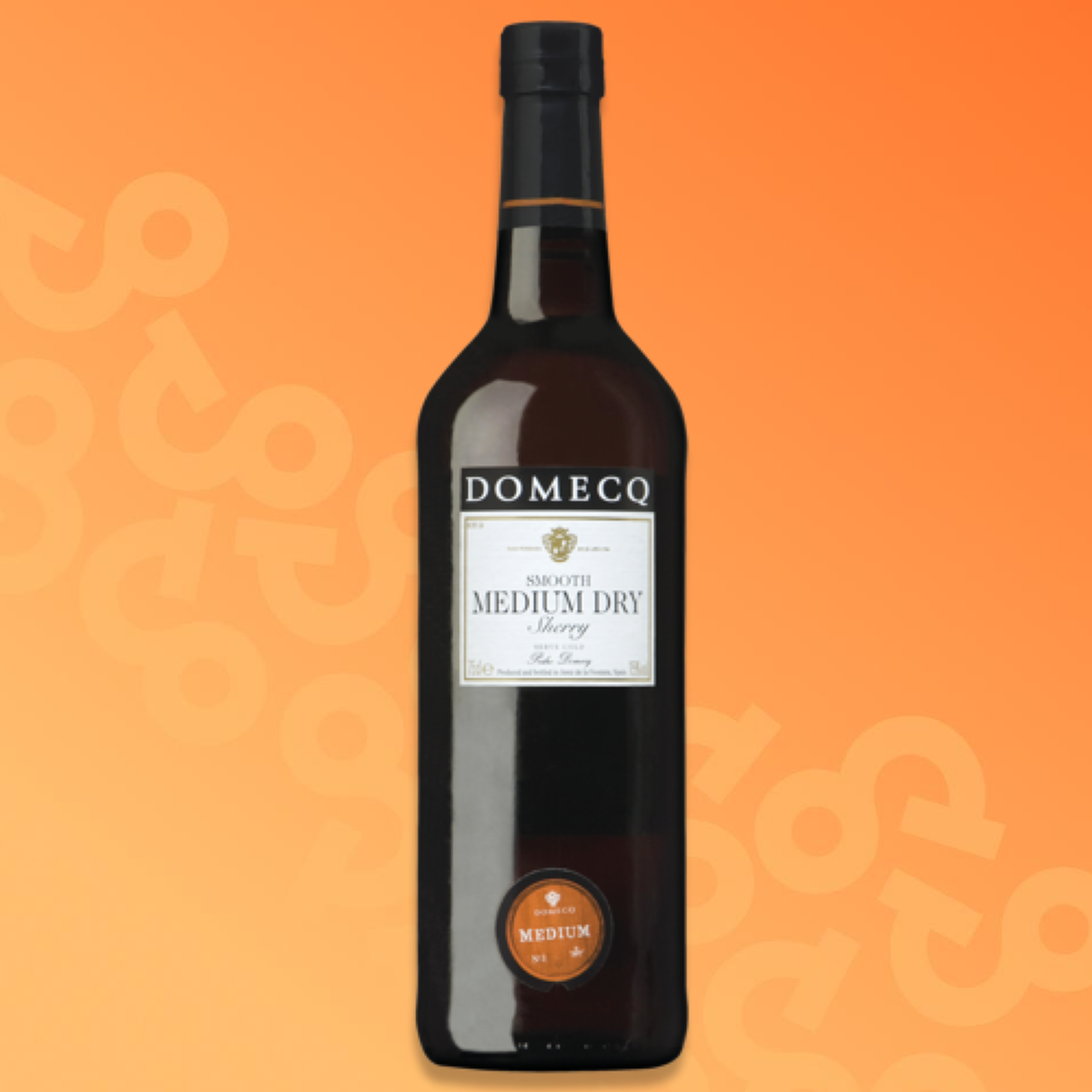
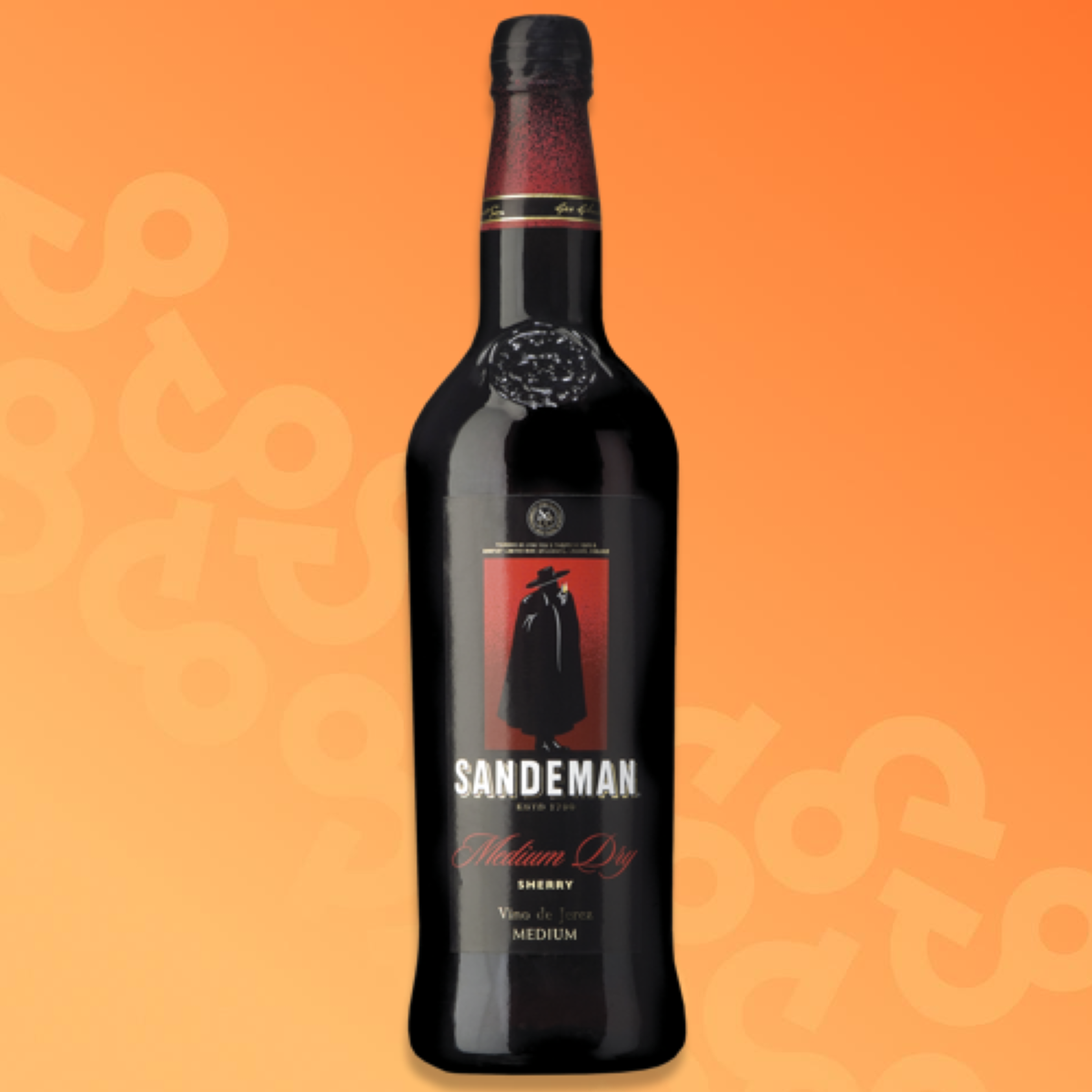
Prices as of November 19, 2026, as provided by Gall & Gall. You can see the current price and stock at Gall & Gall. Glazen.nl receives a small commission if you buy something through these links; it costs you nothing extra. No one under 18, no alcohol.
Everything for your bar,
to one address
Horeca-quality glasses, sold in sets. Order today, delivered fast.
Shop for glasses →