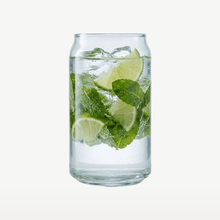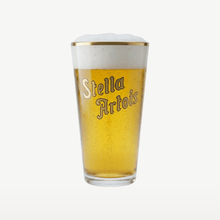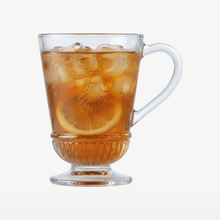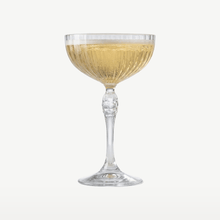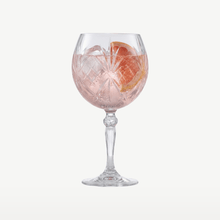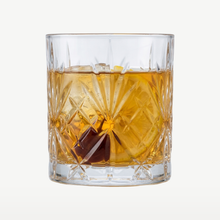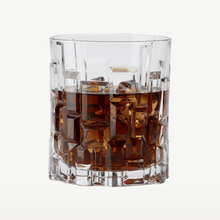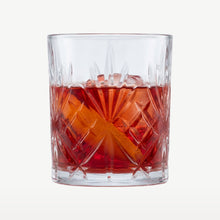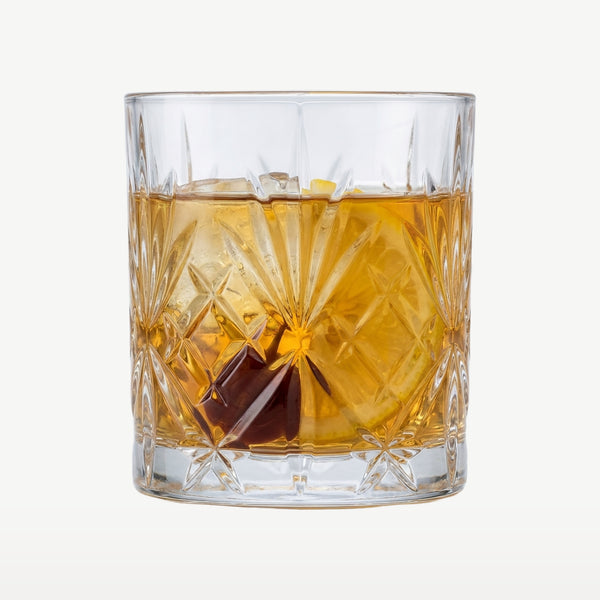
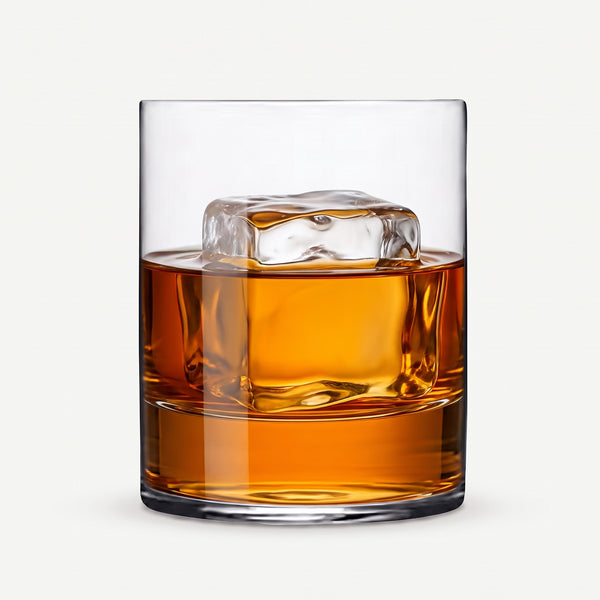
Luigi Bormioli Top Class D.O.F. tumbler 36,5 Cl - 6 pieces
Pastis
Pastis comes from the south of France and tastes of anise. Add ice-cold water and it turns milky white. Here you can read about what pastis is, how Ricard and Pernod differ, and which glass to use.


Ricard, Pernod and other anise drinks
Everyone knows Ricard and Pernod. But around the Mediterranean, they serve many other anise drinks, each with its own character.
Ricard
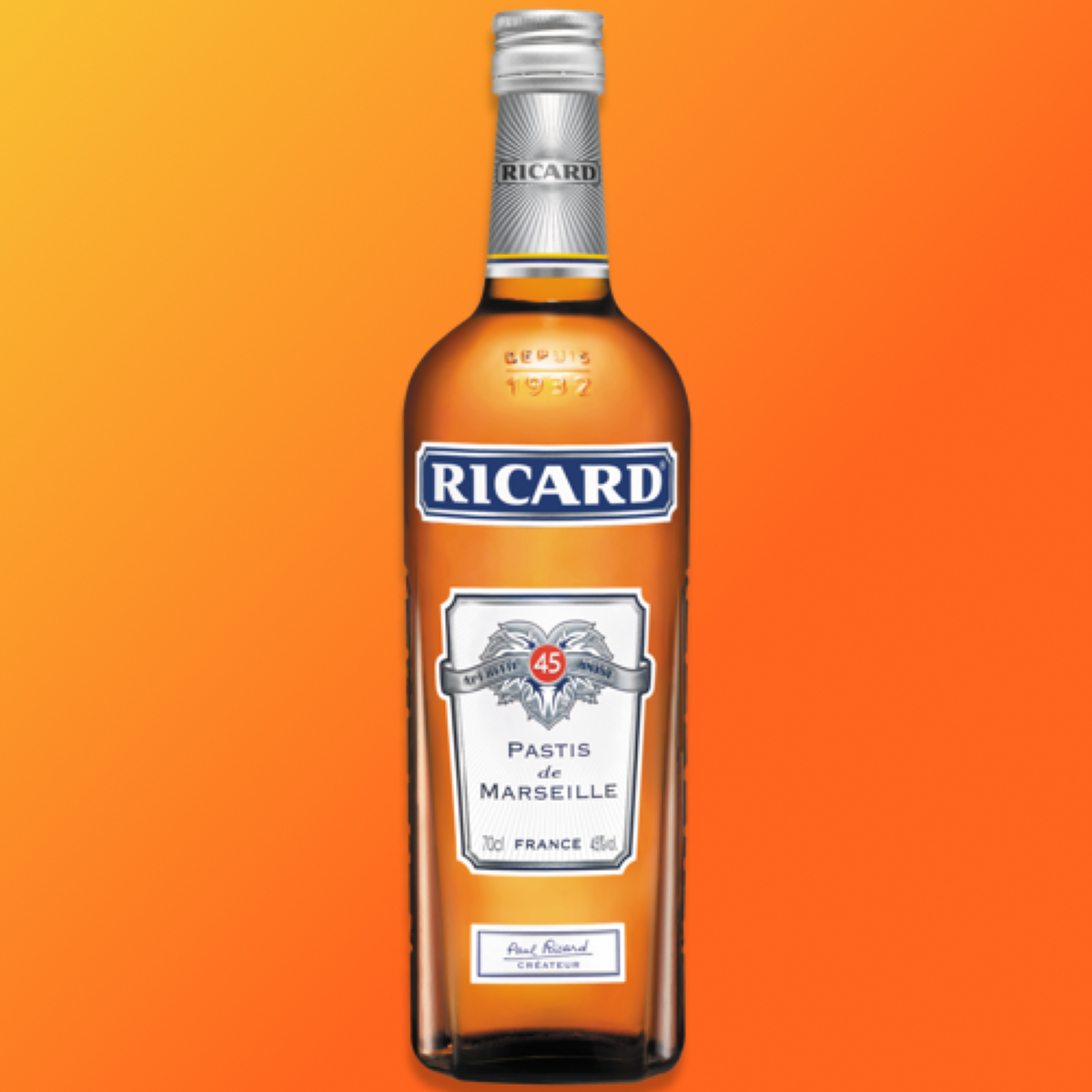
The pastis from Marseille, still made according to Paul Ricard’s 1932 recipe. Golden yellow and full-bodied.
Browse the bottles →
Pernod
Started out as an absinthe distillery, later switching to an anise drink made with star anise. A little lighter than Ricard.
Browse the bottles →
Ouzo
The Greek anise drink. Also clear in the bottle, and also turns white when water is added.
About ouzo →Absinthe
A green anise drink with wormwood, the drink pastis evolved from. Much stronger.
About absinthe →A French anise drink served with cold water
Pastis is an anise-flavored aperitif from France. It’s made with alcohol, star anise and licorice, often with a few other herbs and spices. The drink originated as a substitute for absinthe, when absinthe was banned in France at the beginning of the twentieth century. You’ll find it mainly in Marseille and Provence. Served cold, with plenty of water, on a sunny terrace.
On its own, pastis is too strong and sharp, so it’s always mixed with cold water. Usually, one part pastis to five parts water. You’ll see the clear drink turn cloudy and milky white. That’s the oil from the anise. It dissolves in alcohol, but not in water, and when water is added, the oil forms tiny droplets that scatter the light. It’s useful in the kitchen, too. A splash in fish soup adds a gentle anise flavor.
In brief
Two names, slightly different character
Gall & Gall sells three anise drinks in this style. Ricard and Pernod have long been competitors, but since 1975 they’ve belonged to the same company: Pernod Ricard.
Ricard Pastis
Golden-yellow pastis from Marseille, still made according to Paul Ricard’s 1932 recipe. You can taste plenty of licorice and a full anise flavor.
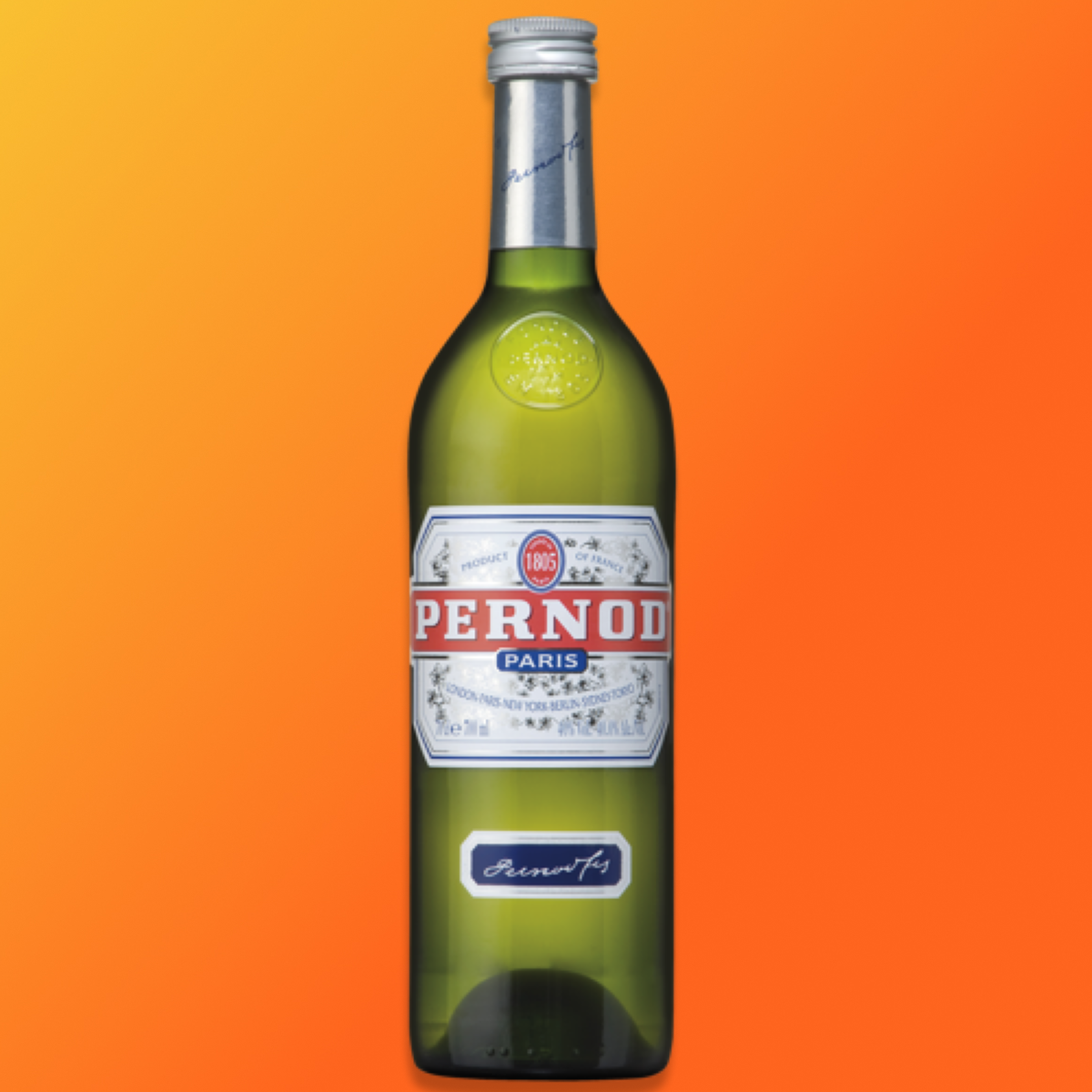
Pernod
Pernod made its name with absinthe and later created an anise drink with star anise. At 40%, it’s a little lighter than Ricard.
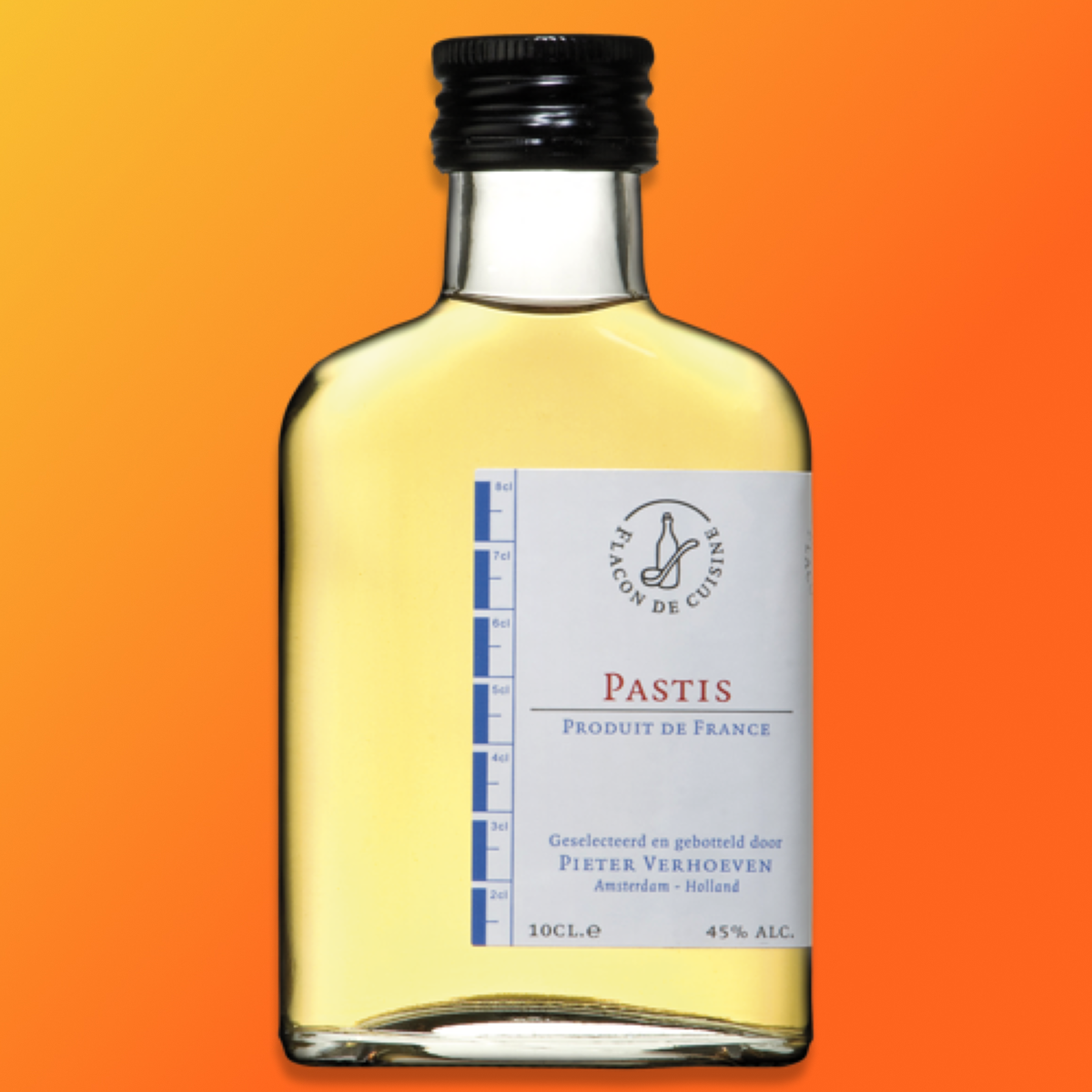
Pastis 10 cl
A small bottle of pastis. Enough to try it or add a splash to fish soup.
Pastis came about after France banned absinthe. Read about how that happened on our absinthe page.
Anise and licorice, refreshing once you add water
Anise & licorice
You mainly smell anise, a little like licorice or fennel. With Ricard, the licorice comes through clearly.
Fresh and smooth
With water, pastis is refreshing and lightly sweet. You barely notice the alcohol; the anise takes center stage.
Long and herbal
The anise lingers and feels a little cool. That’s why the French love drinking it when it’s warm.
This is what Ricard tastes like with five parts water. Neat, pastis is much stronger.
How do you drink pastis? Three ways
Never drink pastis neat. The water matters just as much as the pastis, and the colder it is, the better.
The classic way
Pour 2 cl of pastis into a tumbler and add about 10 cl of ice-cold water from a carafe. It turns white right away. If you want ice, add it only after the water.
Glass: pastis glass →With syrup
The French often add a splash of syrup. Mint syrup, grenadine, or almond syrup makes the drink sweeter and adds color.
Mix pastis →In the kitchen
A splash of pastis in fish soup or a sauce served with fish adds a mellow anise flavor. The alcohol cooks off, but the flavor remains.
French wine →Colorful pastis
In a French café, just order these three by name. Always 2 cl of pastis and 1 cl of syrup, topped up with cold water.
Perroquet
Pastis with mint syrup. Green and refreshing. If you have Monin Mojito Mint, you already have the syrup.
Tomate
Pastis with grenadine. Rosy red, a little sweeter, with a hint of red fruit.
Mauresque
Pastis with almond syrup (orgeat). Creamy and smooth, rounding out the anise.
The right glass for pastis
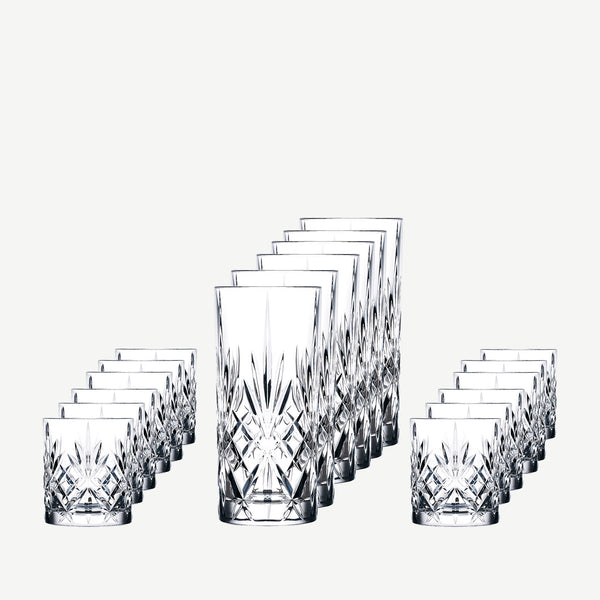
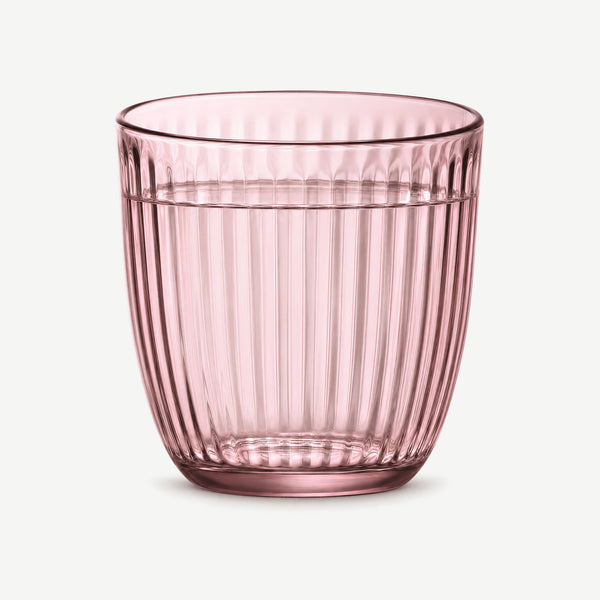
A small, sturdy tumbler like you'd get on a French terrace, with a carafe of ice-cold water beside it. These are the glasses we recommend ourselves.


Questions about pastis
Can't find your question here? Check out our cocktail recipes or get in touch.
Go to the cocktail recipes →What is pastis (pastis drink)?
How much alcohol does pastis contain?
What's the difference between Pernod and Ricard?
How do you drink Ricard and other pastis?
Why does pastis turn white when you add water?
What glass do you use for pastis?
Buy pastis
Want the bottle at home right away? Order pastis online at Gall & Gall.
Prices as of November 24, 2026, as provided by Gall & Gall. You can check the current price and stock at Gall & Gall. Glazen.nl receives a small commission if you buy something through these links; you pay nothing extra. No 18, no alcohol.