


The Monkey Gland recipe
gin, orange, absinthe and grenadine
Chill a coupe in the freezer or with ice and water.
Juice an orange and measure out 4.5 cl of juice.
Pour gin, orange juice, absinthe and grenadine into a shaker filled with ice.
Shake vigorously for twelve seconds, until the outside of the shaker feels ice-cold.
Discard the melting ice from the coupe and double-strain through a fine strainer, leaving behind pulp and ice chips.
What did you think of this recipe?
One click on a star is all it takes. If you’d like to add something, we’ll review it first before it appears here.
Save this recipe
Send the Monkey Gland recipe to your own email, so you have it at hand when you’re ready to make it. You’ll also receive a €5 discount code on orders from €50, for the glasses to serve it in.
The story
The Monkey Gland is attributed to Harry MacElhone, the Scottish bartender who became best known for Harry's New York Bar in Paris. In an early edition of his book Harry's ABC of Mixing Cocktails, he calls himself the inventor. The name refers to Serge Voronoff, a surgeon born in Russia who transplanted monkey gland tissue into men in France, believing this would rejuvenate them. These treatments were widely discussed in the 1920s, and MacElhone capitalized on that. Voronoff's theory has long since been disproven; the cocktail remained. The White Lady is also attributed to MacElhone, and according to tradition, the Bloody Mary took shape in his bar, although those stories are less well documented.
The right glass
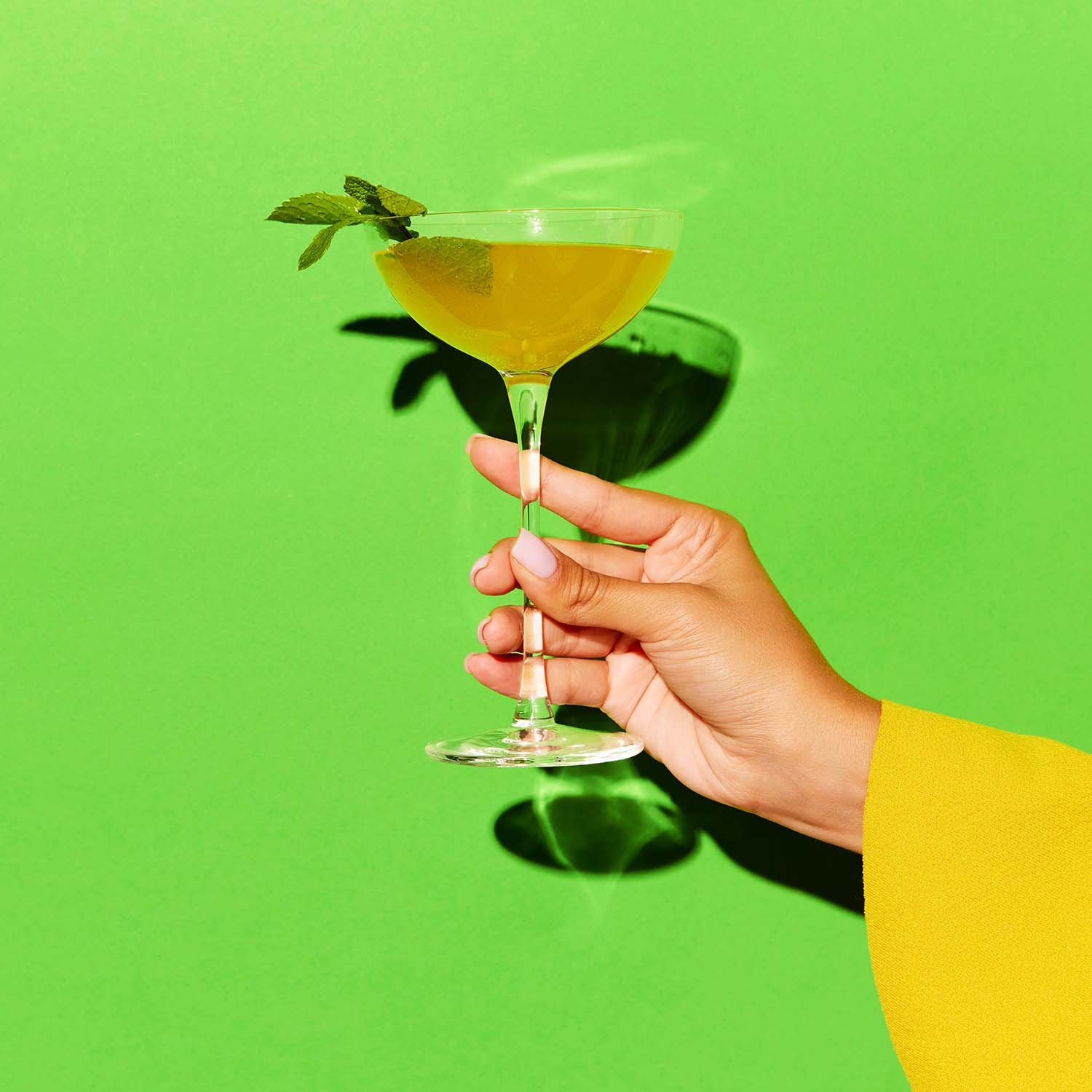
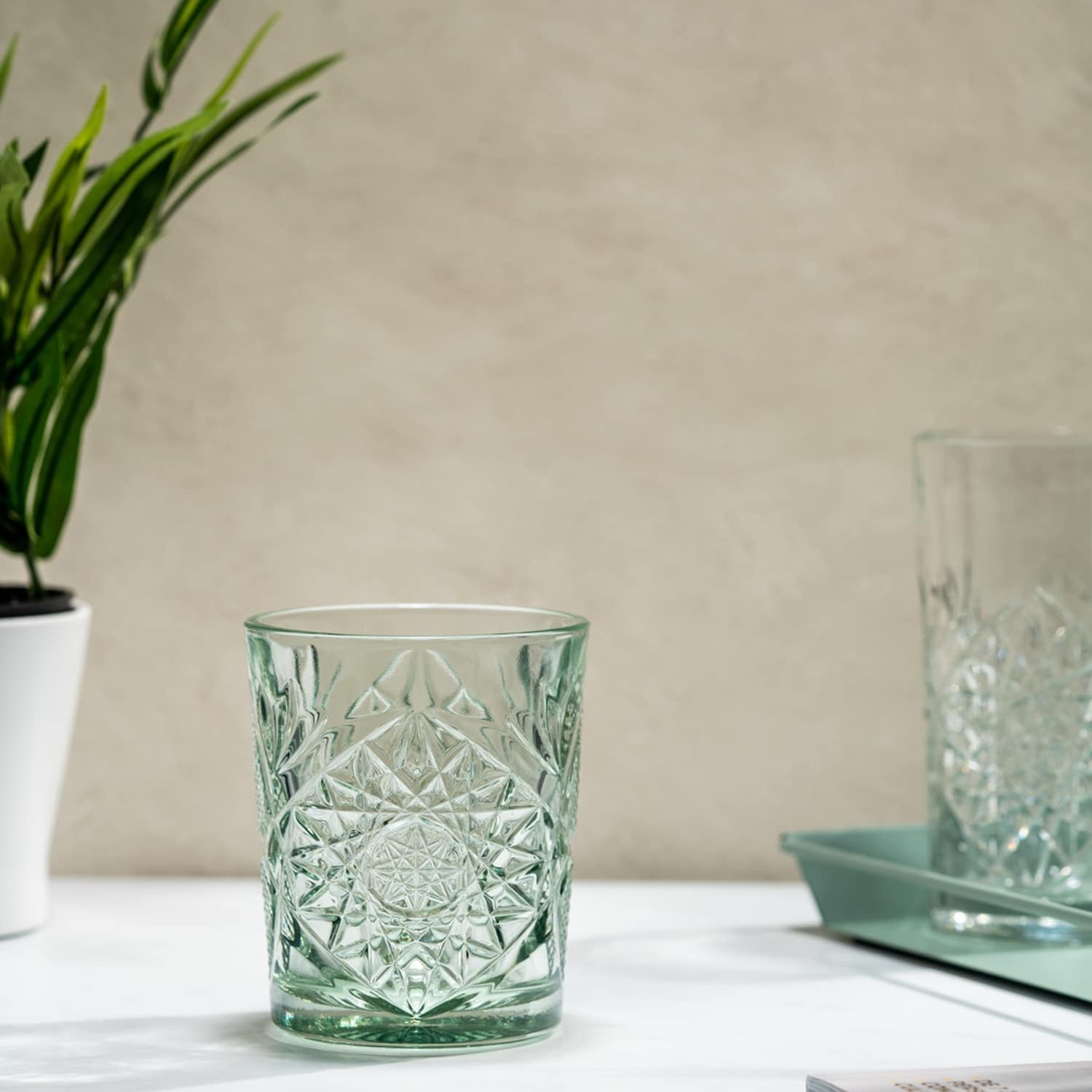
The IBA calls for a chilled cocktail glass. A coupe of 22 to 26 cl is the most convenient choice: after shaking, you have about 15 cl of drink, which fits comfortably with plenty of room to spare. The wide bowl releases the anise aroma of the absinthe, which you smell with every sip before tasting it. A classic martini glass is also suitable, but with this quantity it is more likely to overflow. You can find suitable glasses in our coupe glasses collection.

RCR Timeless Champagne Glass / Coupe 26 cl (6 pieces)

Bormioli Rocco America'20S Champagne Glass / Coupe 22 cl (6 pieces)
Both sets together € 79,90.
The right tools
For a Monkey Gland, in addition to the glass, you need a shaker, a jigger for precise measuring, a fine strainer for double straining, and a citrus juicer. These are the bar tools we use ourselves; you can find everything in our bar tools & cocktail sets.


Glassware set (our choice 01) + 4 bar tools together € 130,75.


Variations & twists
The amounts above follow the IBA, which calls for one tablespoon of absinthe and one tablespoon of grenadine. MacElhone himself used much less: a dash of absinthe and a teaspoon of grenadine with equal parts gin and orange juice. If you find the anise too strong, start with 0.5 cl of absinthe. Some recipes replace the absinthe with pastis or Bénédictine. A related classic with gin and orange, but without absinthe, is the Paradise; if you specifically want to taste the absinthe, try the Corpse Reviver No. 2.
Serving tip
Squeeze the orange just before shaking: juice from a carton is sweeter and flatter, which makes the drink sticky. Choose a pomegranate-based grenadine, not the bright red syrup made only from sugar and coloring. The grenadine determines the color here and contributes some of the flavor.
Good to know
What is a Monkey Gland cocktail
A Monkey Gland is a shaken gin cocktail with fresh orange juice, grenadine and absinthe. Gin and juice go in equal parts, 4.5 cl of each, with, according to the IBA, one tablespoon of absinthe and one tablespoon of grenadine. Serve it without ice in a chilled coupe. The flavor is fresh and fruity with a spicy anise note, and the color is somewhere between orange and pink. The IBA counts the Monkey Gland among The Unforgettables, its list of established classics. The name refers to a controversial rejuvenation treatment from the 1920s, not to the ingredients.
How much absinthe goes in
This is where the recipes differ most. The IBA calls for a tablespoon, or 1.5 cl, which gives a distinct anise flavor that you notice from the first sip. MacElhone wrote only a dash in his own book, and many modern bars fall somewhere in between, using a bar spoon or three dashes. Absinthe is strong, usually between 45 and 70 percent ABV, so every half-centiliter noticeably changes the drink. If you're unsure, rinse the chilled coupe with a few drops of absinthe and discard the excess. That way, you smell the absinthe more than you taste it.
Which gin should you use
A classic London Dry works best because the juniper is robust enough to stand up to the orange, grenadine, and anise. MacElhone named Gordon's in his recipe, and it's still an excellent choice. A soft, floral, or strongly citrusy modern gin can easily disappear beneath the juice. Choose a gin around 40 percent ABV so the drink doesn't become thin. Old Tom gin works too, but makes the whole drink sweeter, so use a little less grenadine. Taste before straining and adjust with a few drops of juice.
Grenadine: why it makes a difference
Grenadine is traditionally a pomegranate syrup; its name comes from the French word for that fruit. Supermarket shelves are mostly stocked with bottles containing sugar, flavoring, and red coloring, with little or no fruit juice. They make the Monkey Gland bright pink and sweet, but lacking depth. Grenadine made with real pomegranate juice gives it a deeper color, a slightly tart note, and a hint of bitterness that pairs well with the absinthe. It's the same syrup that gives the Tequila Sunrise its color. You can make it yourself too: heat pomegranate juice with an equal amount of sugar until the sugar dissolves, then let it cool.
Making a Monkey Gland without a shaker
Don't have a shaker? Use a jam jar with a tightly fitting lid. Fill it two-thirds full with ice, add all the ingredients, and shake for twelve seconds. The orange juice really must be shaken: that's the only way it blends properly with the gin and syrup and gives the drink a light layer of foam. Then strain through a tea strainer into the chilled glass, leaving the pulp and ice shards behind. You can stir it, but then the drink misses the airiness and freshness that a cocktail with juice needs. You can find a fine strainer in our cocktail strainers.
Monkey Gland for a group
For six glasses, mix 27 cl gin, 9 cl grenadine, and 9 cl absinthe in a bottle and chill it. If you want less anise, halve the absinthe. Squeeze the orange juice, 27 cl, just before serving; count on four to five oranges. Shake two glasses at a time: 15 cl of the mix and 9 cl of juice in a shaker filled with ice. Double-strain into chilled coupes. This keeps the juice fresh and gets a round for six guests ready in a few minutes.
Frequently asked questions
What is in a Monkey Gland?
A Monkey Gland consists of 4.5 cl gin, 4.5 cl fresh orange juice, 1.5 cl absinthe, and 1.5 cl grenadine, as prescribed by the IBA. Shake everything with ice and strain it without ice into a chilled coupe. There is no fixed garnish; an orange zest is optional.
Why is the cocktail called Monkey Gland?
The name refers to Serge Voronoff, a surgeon who transplanted tissue from monkey glands into men in the 1920s to rejuvenate them. His treatments were widely discussed at the time. Harry MacElhone, who is credited with the cocktail, named his drink after him. Voronoff's theory has since been completely disproven.
Can you make a Monkey Gland without absinthe?
Yes, but then you lose the spicy layer that makes the drink special. Pastis is the most commonly used substitute, while Bénédictine gives a sweeter, spicier version. If you leave out the anise altogether, you are left with a fairly simple gin and orange drink. In that case, choose the Paradise instead, where apricot liqueur provides the extra layer.
Which glass do you use for a Monkey Gland?
A chilled coupe with a capacity of 22 to 26 cl. The cocktail goes into the glass without ice, so the stem keeps it cool, and the wide bowl lets the aromas of absinthe and orange escape. A martini glass works too, but with over 15 cl of liquid, it quickly fills up.
Everything for your bar,
to one address
Glasses in hospitality quality, delivered per set. Order today, delivered quickly.
Shop the glasses →