


The death in the afternoon recipe
for your table
Chill the champagne glass and the bottle of champagne well in advance. The colder the glass, the longer the drink stays at the right temperature and the finer the bubbles remain.
Pour 1.5 cl absinthe into the chilled glass. The absinthe goes in first, so that the champagne will sink through it later and everything will mix by itself without having to stir.
Top up very slowly with approximately 12 cl of ice-cold champagne, along the side of the glass or over the rounded side of a bar spoon. You will see the drink turn milky white before your eyes.
Serve immediately, without ice or garnish. Taste it first; if you find the anise too overpowering, use 1 cl absinthe next time and top it up a little more generously with champagne.
What did you think of this recipe?
One click on a star is enough. If you would like to add something, we will read it first before it appears here.
Save this recipe
Send the death in the afternoon recipe to your own email, so you have it at hand when you are about to make it. You will also receive a € 5 discount code for orders from € 50, for the glasses that go with it.
The story
The drink is attributed to Ernest Hemingway, and the name refers to one of his books about bullfighting. That is the generally accepted reading, and the story cannot be made any more definitive than that. The original description also specified a number of glasses; we do not include that here, because this is a strong drink and this page gives the proportions for one glass. What does remain is the construction itself. Two bottles, a cold glass and a reaction you can watch happen - that is all there is to it. It is precisely that simplicity that makes the proportions and temperature decisive.
The right glass
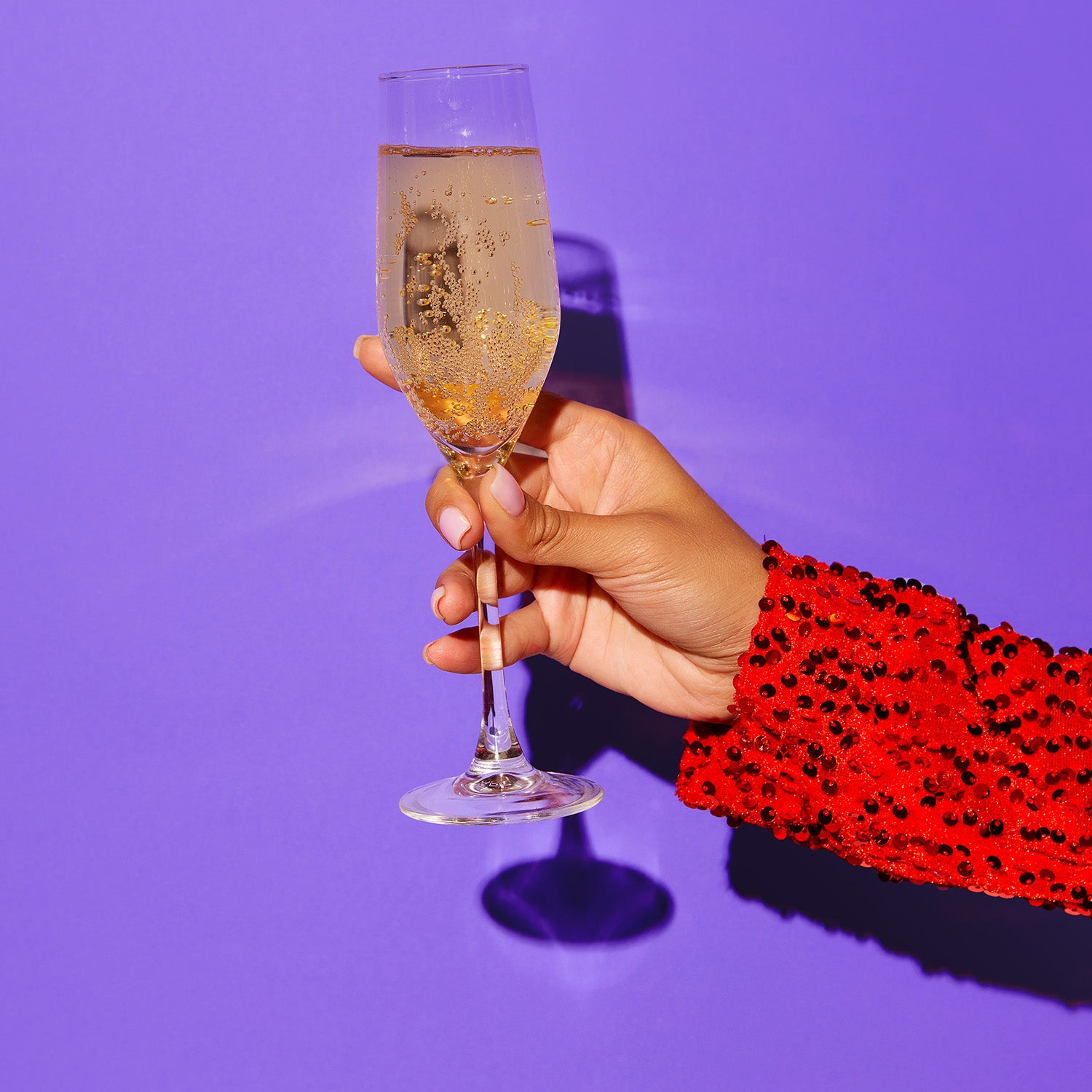
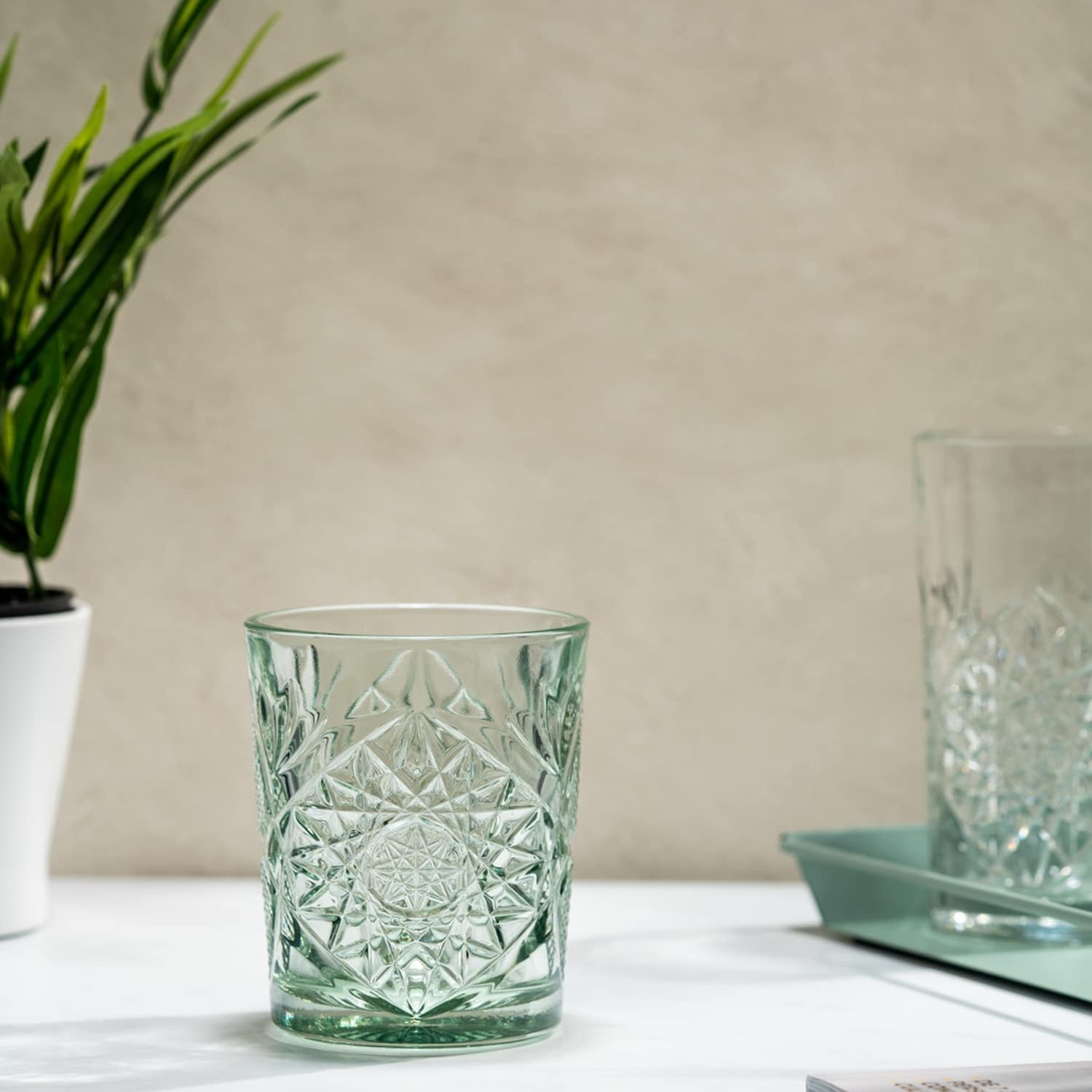
A death in the afternoon belongs in a champagne glass, and the shape mainly determines how much of the louche you see. A wide coupe lets the milky white color spread over a large surface, making it easy to follow the transformation; a slender flute retains the carbonation for longer and shows the color as a narrow column. Allow for a glass of roughly twenty to thirty centiliters, as it needs to hold 13.5 centiliters of drink without being filled to the rim. If you want to compare the two shapes, also take a look at our champagne flute glasses.

Royal Leerdam Doyenne Champagne Glass / Coupe 30 cl (6 pieces)

Bormioli Rocco Nexo Champagne Glass / Flute 24 cl (6 pieces)
Both sets together € 66,90.
The right tools
For a death in the afternoon, in addition to the glass, you use a jigger to measure out exactly 1.5 cl of absinthe and a bar spoon to pour in the champagne along the side. These are the bar tools we use ourselves; you can find everything in our bar tools & cocktail sets.


Glass set (our choice 01) + 2 bar tools together € 58,85.
What do you use to make a death in the afternoon?
For a death in the afternoon, you need absinthe and champagne. Well-known bottles include Moët & Chandon and, as a more affordable alternative, a crémant. On each drink page, you can read the alcohol percentage, what it tastes like, which cocktails it works well in, and which glass you need.


Variations & twists
If you find the anise too strong, go back to 1 cl of absinthe per 12 cl of champagne; that is the most pleasant ratio for most people. With a crémant or a cava, the drink holds its own and becomes slightly softer in acidity. If you want it drier, choose a brut nature; if you prefer a little more roundness, choose a regular brut. Leave out the absinthe and you simply have a glass of sparkling wine, because there is nothing else in it to give the drink structure. Looking for more inspiration? Browse more than 100 cocktail recipes.
Serving tip
Chill both the glass and the bottle beforehand, and pour only when both are properly cold, because lukewarm champagne makes the louche look gray and knocks the bubbles out. Pour slowly in one continuous motion so the milky white color spreads evenly instead of forming streaks. Serve immediately, because this drink does not wait.
Good to know
What the louche actually is
Absinthe contains aromatic compounds from anise and fennel that dissolve in strong alcohol but not in water. As long as the absinthe is pure in the glass, it remains clear. As soon as you pour in champagne, the alcohol percentage of the mixture drops, and those compounds separate and form tiny droplets. The droplets scatter the light, which appears milky white. You get the same change with ouzo, raki, and sambuca when you add water or ice. So it is neither a trick nor a sign of quality, but simply what happens when the ratio shifts.
Why the absinthe goes into the glass first
If you pour in the champagne first and add the absinthe on top, the heavy, sweet absinthe sinks straight to the bottom and stays there; your first sip is champagne and your last is pure anise. The other way around works naturally: the champagne flows through the absinthe and carries it along, so the glass tastes the same from top to bottom. An added benefit is that you do not need to stir, and every stir costs you bubbles.
Brut, not demi-sec
Absinthe is already sweet and quite spicy. If you pair it with a sweet champagne, the two intensify each other and the result becomes syrupy. A brut brings acidity and dryness instead, keeping the drink balanced. A brut nature goes one step further and makes it crisp; that works well if you use a generous amount of absinthe. A crémant, cava, or prosecco brut does the same job, so there is no need for an expensive bottle here.
Adjusting the ratio downward
The 1.5 cl on this page is already considerably less than what you find in some recipes, yet it is still strong for many people. Anise quickly becomes overpowering, and after a few sips little else can be tasted. So feel free to use 1 cl of absinthe and top up to about 13 cl; the louche will still form and the champagne will remain recognizable. If you do not know what the guests are used to, start low.
Without ice and without garnish
There should be no ice in this drink. Meltwater dilutes the champagne, removes the carbonation and makes the louche cloudy grey instead of milky white. Chill the drink by cooling the glass and bottle beforehand, not with ice cubes. For the same reason, leave out the garnish: a slice of citrus or a sprig of herbs overpowers the anise, and the drink does not need it visually, because the change to milky white is the image.
Frequently asked questions
What is a death in the afternoon?
A cocktail made with two ingredients: absinthe and ice-cold champagne. Pour 1.5 cl of absinthe into a chilled champagne glass and top up very slowly with about 12 cl of champagne. No ice goes in, and there is no garnish. The drink is attributed to Ernest Hemingway, and the name refers to one of his books about bullfighting.
Why does a death in the afternoon turn milky white?
That is called the louche. The aromatic compounds from anise and fennel in absinthe dissolve in strong alcohol, but not in water. As soon as the champagne lowers the alcohol percentage, those compounds separate and form tiny droplets that scatter the light. You can see this change happen within a few seconds as you pour.
How much absinthe goes into a death in the afternoon?
This page uses 1.5 cl absinthe with 12 cl champagne. That is deliberately on the cautious side, because anise quickly becomes overpowering. If you find it too strong, use 1 cl and top up a little more generously with champagne; the louche will still form normally.
Which glass do you serve a death in the afternoon in?
In a champagne glass of roughly twenty to thirty centilitres. A coupe shows the milky white colour across a broad surface, while a flute keeps the carbonation longer. Both work; see our champagne glasses for suitable models.
Everything for your bar,
to one address
Glasses in hospitality quality, supplied by the set. Order today, delivered quickly.
Shop the glasses →