



How to pour it
an orange wine in
Place the bottle in the refrigerator for an hour. Serve orange wine cooler than red and warmer than white: at 10 to 14 degrees, it stays fresh without the tannins feeling harsh. Straight from the refrigerator is too cold, as the dried fruit aromas then disappear.
Cut around the capsule below the ridge of the neck and wipe the rim clean. Place the spiral in the center of the cork, turn it straight down and gently pull the cork out. Much orange wine is unfiltered, so let the bottle stand upright for a moment before pouring.
A young orange wine with firm tannins often benefits from half an hour in a decanter, as this softens its sharp edges. If the wine is light in color and has spent only a short time on the skins, leave it alone and pour it straight from the bottle. If necessary, leave any sediment behind in the shoulder of the neck.
Fill the glass to about one-third of the bowl. This leaves room for swirling, and especially with orange wine, the aroma in the glass changes noticeably: dried apricot, black tea and nutty notes emerge only after a few minutes. It is better to top up with a small amount more often than to fill the glass all at once.
What did you think of this explanation?
One click on a star is enough. If you would like to add something, we will read it first before it appears here.
Save this page
Send this page to your own email so you have the explanation at hand when you are about to pour. You will also receive a €5 discount code on orders from €50, for the glasses that go with it.
The story
Orange wine is not a new discovery but an old way of working: when white grapes are harvested and fermented on their skins just like blue grapes, they naturally develop color and tannins. In Georgia, this happens in qvevri, large earthenware amphorae buried up to the neck so that the temperature remains fairly constant naturally. This way of making wine has never disappeared there. Its revival elsewhere in Europe began in Friuli in northeastern Italy and neighboring Slovenia, where winemakers returned to skin maceration and developed a style of their own.
The right glass
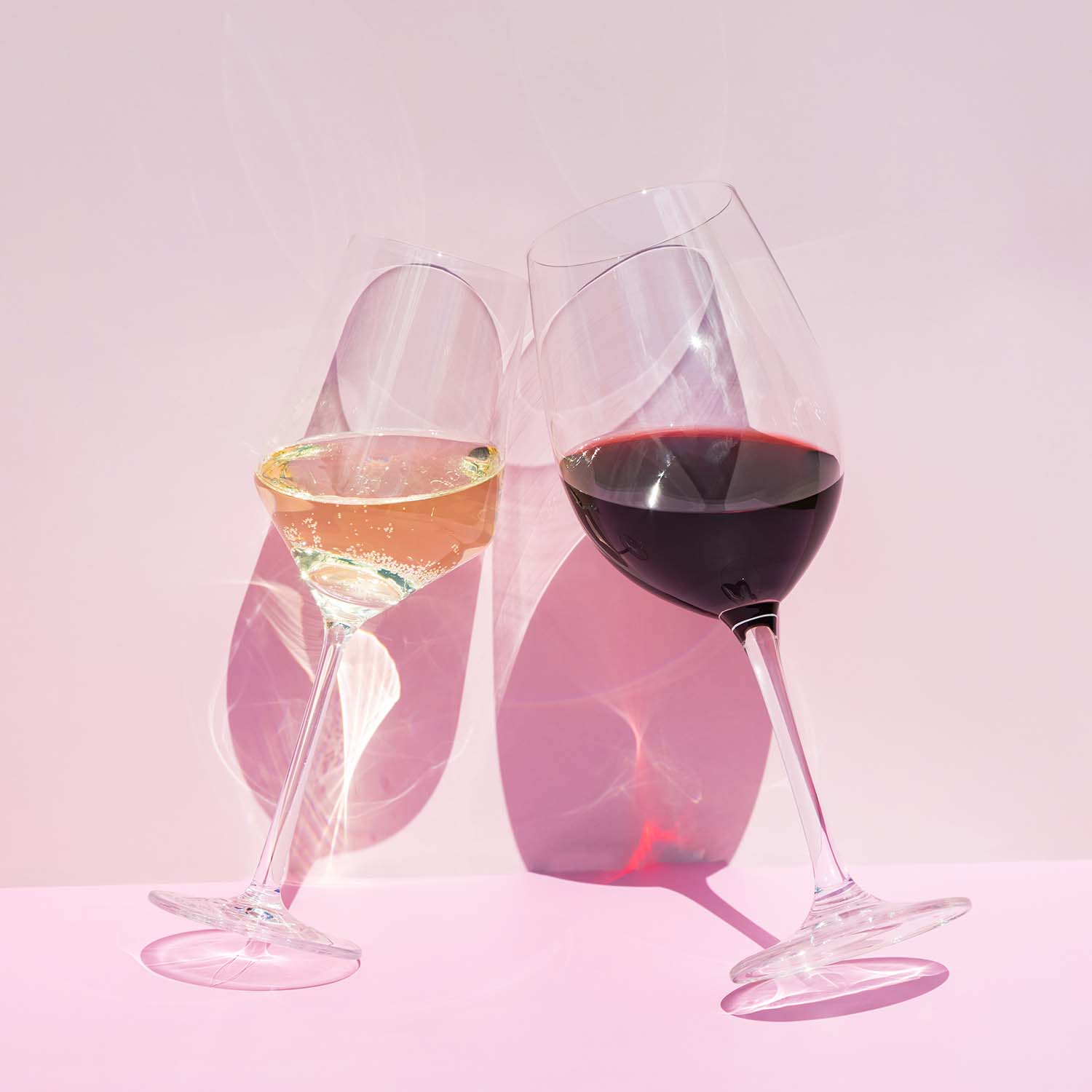
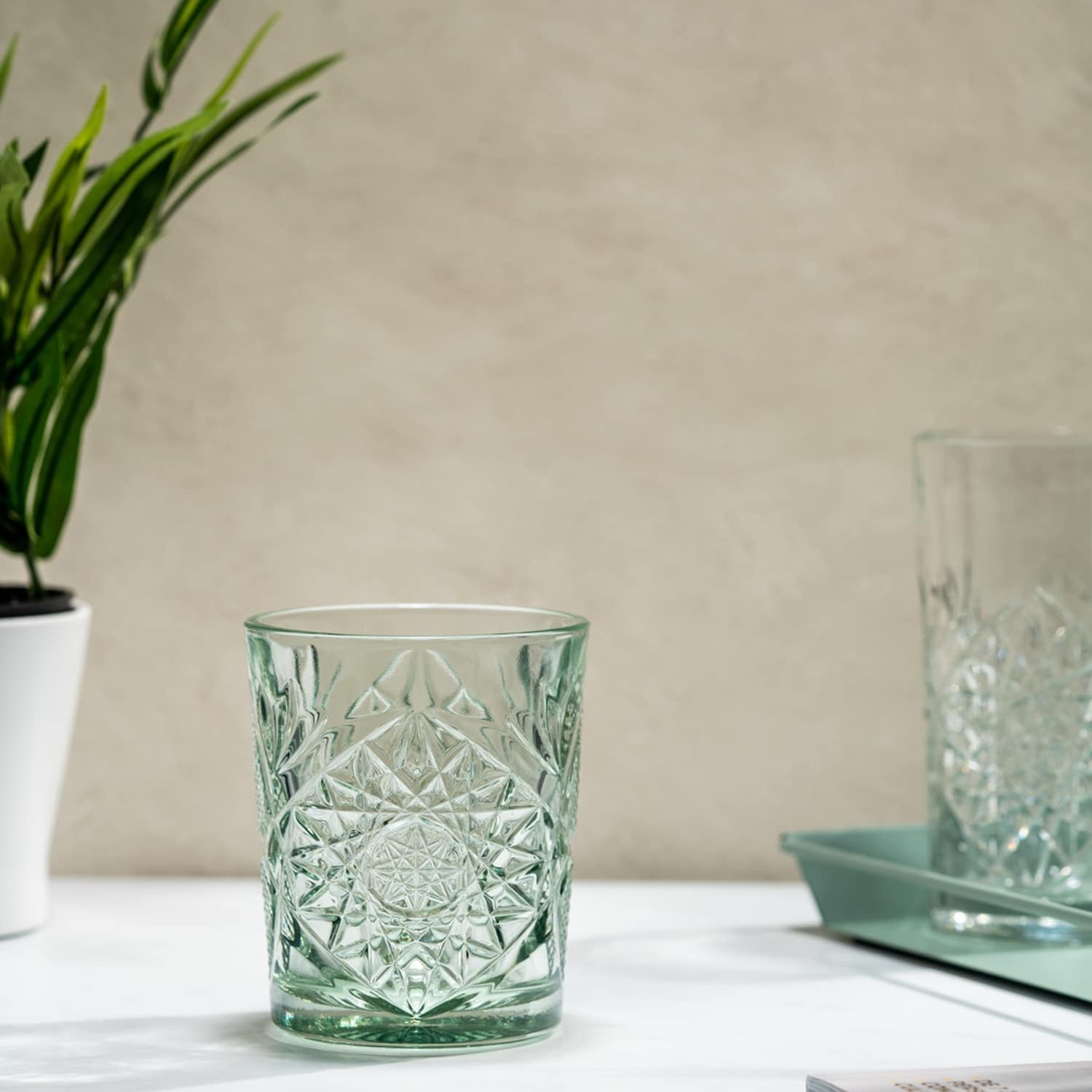
Orange wine has tannins, and tannins need room. A bowl of 45 cl or more lets the wine breathe, softening its bitter edge and bringing out aromas of dried fruit and nuts. There is no dedicated orange wine glass, neither in this range nor as a specific model; the bowls in the large wine glasses collection come closest. If you want to give a young bottle some air first, also take a look at the decanters.

Luigi Bormioli Talismano Wine Glass 55 cl Chardonnay Grand Cru (4 pieces)

Luigi Bormioli Speakeasies Swing Wine Glass 70 cl (6 pieces)
Both sets together € 92,90.
The right tools
For a bottle of orange wine, besides the glass you mainly need a corkscrew and, for a young bottle with firm tannins, a decanter. The bar tools below only come into play when the bottle goes into a spritz or a sangria: a bar spoon for stirring and a zester for a strip of orange peel. These are the bar tools we use ourselves; you can find everything in our bar tools & cocktail sets.


Glass set (our choice 01) + 2 bar tools together € 63,85.
Which wine goes with this?
Orange wine rarely stands alone on the table. These are the types and styles that come before, alongside or after it, from a glass of cava beforehand to a moscato with dessert. On every drink page, you can read the alcohol percentage, what it tastes like, which cocktails pair with it and which glass you need.


Variations & twists
The skin contact time determines almost everything. A few days produces a wine that still resembles white wine, with a little extra grip and a straw-yellow to light amber color. Weeks or months produce a deep amber-colored wine with tannins you can feel on your tongue, like strong tea. In Georgia, the skins often remain in the qvevri for months, while in Friuli and Slovenia, the choices vary widely by producer. The longer the wine stays on the skins, the firmer it feels in the mouth. Want to read more? Explore all drinks and brands.
Serving tip
Serve at 10 to 14 degrees and take the bottle out of the fridge well in advance if it has been in there for a long time. Orange wine pairs with food that white wine cannot handle: grilled vegetables, dishes with turmeric, cumin or coriander, aged cheese and oily fish. It also works well with a tagine with dried apricots or Georgian food with walnuts.
Good to know
How orange wine is made
White grapes go into the fermentation vat or amphora with their skins on, just as with red wine. During fermentation, pigments, tannins and flavor compounds are extracted from the skins into the juice. The longer this contact lasts, from a few days to a few months, the deeper the color and the firmer the structure. The wine is then separated from the skins and continues to mature in a barrel, amphora or tank.
Why it is also called amber wine or skin contact wine
All three names describe the same thing. Skin contact wine says what happens: the juice remains on the skins. Amber wine says what you see, because the color ranges from straw yellow through apricot to deep amber. Orange wine is the name most commonly used in the Netherlands. Which name appears on the label depends on the producer and the country.
Qvevri in Georgia
A qvevri is a large earthenware pot that tapers to a point at the bottom, is finished with beeswax on the inside, and is buried up to the neck. Grapes, juice and skins are placed in it together. Because the pot is underground, the temperature remains fairly constant during fermentation. This Georgian winemaking method is on Unesco's Intangible Cultural Heritage list.
How it tastes
Dried apricot, orange peel, black tea, nuts and sometimes a honey note, with a bitter streak at the end and a firm mouthfeel. The fruit is less fresh than in white wine, and the wine feels drier even when it contains no sugar. That bitter side comes from tannin in the skins and is characteristic of the style.
How much alcohol it contains
Orange wine usually contains roughly 11 to 14 percent alcohol, about the same range as white wine from the same region. Long skin maceration gives the wine a firmer structure, but does not automatically make it stronger. The percentage is always stated on the label.
Frequently asked questions
What is orange wine?
Wine made from white grapes in the same way as red wine: the juice remains on the skins for days to months. This gives the wine color, tannin and a tea-like structure. It is also called skin contact wine or amber wine. So it is not a blend of white and red wine, nor is it rosé.
What does orange wine taste like?
It tastes of dried apricot, orange peel, black tea and nuts, with a bitter streak and a firm mouthfeel. The longer the juice remains on the skins, the deeper the color and the firmer the tannin. A short skin maceration produces a wine that remains closer to white wine.
At what temperature and in what glass do you serve orange wine?
Between 10 and 14 degrees, so cooler than red and warmer than white, in a large 45 cl glass or larger. Too cold suppresses the fruit, while too warm makes the tannin harsh. The space in the glass is needed because the aromas only open up after a few minutes and once swirled.
What do you eat with orange wine?
It pairs with dishes that are too much for white wine: grilled vegetables, dishes with turmeric, cumin or coriander, aged cheese, oily fish, and Georgian or Middle Eastern food. The tannin and bitter streak cut through fat and spices, just like a full-bodied red wine, but without the dark fruit.
Also delicious
Everything for your bar,
to one address
Glasses in hospitality-grade quality, supplied per set. Order today, delivered quickly.
Shop the glasses →