



The Angel Face recipe
gin, apricot, and apple in equal parts
Place a coupe in the freezer or fill it with ice and water to pre-chill it.
Pour the gin, apricot brandy, and Calvados into an ice-filled shaker.
Shake vigorously for fifteen seconds so the drink becomes thoroughly chilled and slightly diluted.
Discard the chilling ice from the coupe and double-strain the cocktail through a fine strainer into the glass.
What did you think of this recipe?
One click on a star is enough. If you would like to add something, we will review it first before it appears here.
Save this recipe
Send the Angel Face recipe to your own email so you have it at hand when you are ready to make it. You will also receive a €5 discount code on purchases from €50, for the glasses that go with it.
The story
The oldest known recipe for the Angel Face appears in The Savoy Cocktail Book, compiled by Harry Craddock in 1930 while he was a bartender at the American Bar in the Savoy Hotel in London. He recorded the drink in its simplest form: one-third dry gin, one-third apricot brandy, and one-third Calvados, shaken well and strained into a cocktail glass. The book does not mention who created the Angel Face or where the name came from, and reliable sources on the matter are lacking. Apricot brandy appears more often in cocktail books from those years, for example in the Paradise, which is also featured in the Savoy. The International Bartenders Association included the Angel Face in its list of official cocktails, in the category The Unforgettables.
The right glass
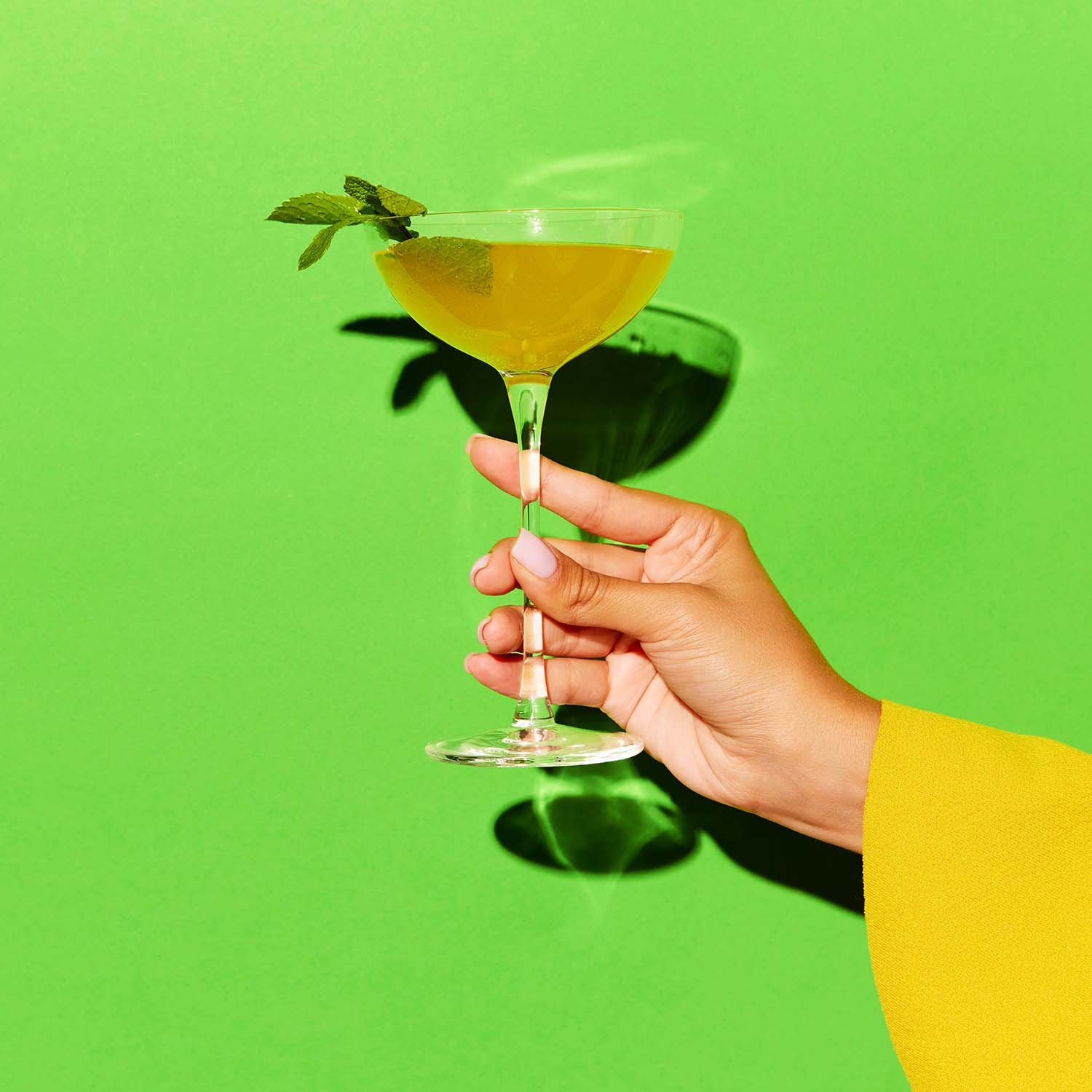
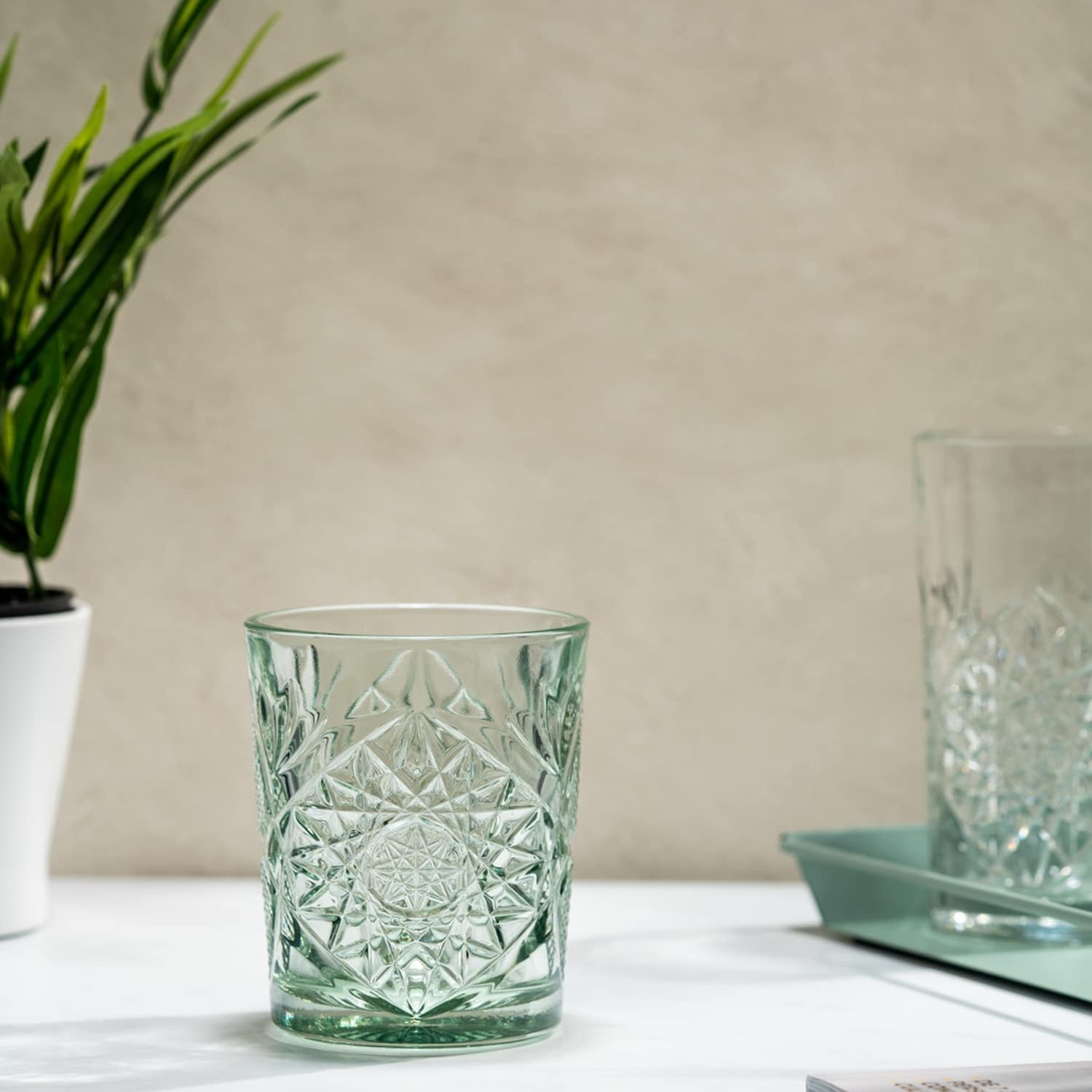
The IBA specifies a chilled cocktail glass, and a coupe is the most practical choice for this. After shaking, you have about 12 cl in the glass, so a coupe of 22 to 24 cl leaves enough room to carry it without spilling. The rounded bowl keeps the aroma of apple and apricot together, and the stem prevents your hand from warming the drink. That is important because there is no ice in the glass. Take a look at our coupe glasses.

RCR Opera Champagne Glass / Coupe 24 cl (6 pieces)

Bormioli Rocco America'20S Champagne Glass / Coupe 22 cl (6 pieces)
Both sets together € 79,90.
The right tools
For an Angel Face, besides the glass, you use a Boston shaker, a jigger for precise measuring, a cocktail strainer and a fine strainer for double straining. These are the bar tools we use ourselves; you can find everything in our bar tools & cocktail sets.


Glassware set (our choice 01) + 4 bar tools together € 144,75.


Variations & twists
Many modern bars stir the Angel Face instead of shaking it and express a lemon zest over the top: this produces a bright, silky drink. Want it fresher? Add 1 cl of fresh lemon juice; it then moves towards a sour. With orange juice instead of calvados, you get the Paradise. If you like brandy with citrus, try the Sidecar, with cognac, triple sec and lemon.
Serving tip
The IBA does not specify a garnish, but a thin apple slice on the rim or a lemon zest expressed over the glass works well. A young calvados is sufficient; save older bottles for drinking neat, since the apricot liqueur will flatten the finer nuances anyway.
Good to know
What is an Angel Face cocktail
An Angel Face is a short, strong cocktail of gin, apricot brandy, and calvados in equal parts, so three times 3 cl. It contains no juice, syrup, or bitters, just three spirits that complement one another. The gin brings juniper and herbs, the calvados apple and woody warmth, and the apricot brandy the sweet, fruity side. Like the Negroni, it is a drink made with three equal parts, and it is about equally strong: more than two standard drinks' worth of alcohol. Shake it with ice and serve it without ice in a chilled cocktail glass.
What exactly is apricot brandy
In cocktail recipes, apricot brandy usually means an apricot liqueur: a sweet liqueur made from apricots and neutral alcohol or brandy, at around 20 to 25 percent ABV. It is therefore not a dry apricot brandy like Hungarian barack pálinka, which is much stronger and barely sweet. For the Angel Face, you need the sweetness of the liqueur; otherwise the drink turns out sharp and hollow. Bols and De Kuyper both make an affordable apricot brandy. An opened bottle keeps well for a long time, and you can also use it in other classics from the same period.
Calvados: which one should you choose
Calvados is apple brandy from Normandy, sometimes made partly with pears, that is aged in oak for at least two years. The age appears on the label: Fine or VS for the youngest, VSOP or Vieille Réserve for at least four years, and XO and Hors d'Age for six years and older. For the Angel Face, a young or VSOP calvados is enough: fresh, distinctly apple-forward, and slightly woody. If you don't have calvados, an American applejack or another apple brandy works too. Regular brandy or cognac lacks the apple flavor that gives the Angel Face its character.
Difference between Angel Face and Paradise
Both cocktails appear in The Savoy Cocktail Book from 1930, and both combine gin with apricot brandy. The Paradise adds fresh orange juice, making it lighter, fresher, and fruitier. The Angel Face replaces that juice with calvados, making it fuller, warmer, and considerably stronger. You can think of them as a summer and winter version of the same idea. If you bought a bottle of apricot brandy for one, you already have the foundation for the other at home. Serve both without ice in a small, chilled cocktail glass.
Making an Angel Face without a shaker
Because the Angel Face contains no juice, you can also stir it, and many bartenders now prefer that. Fill a mixing glass or a large measuring cup with ice, add the three spirits and stir for thirty seconds with a long spoon. This chills the drink just as much, while keeping it clear and giving it a softer feel. Shaking adds more air and a slightly fresher first sip. Strain into a chilled glass either way and taste it: if it is too sweet, a few drops of lemon juice will help. You can find a good mixing glass in our mixing glasses.
Angel Face for a group
The equal parts make the Angel Face easy to mix ahead of time. For eight glasses, pour 24 cl gin, 24 cl apricot brandy and 24 cl calvados into a clean bottle and refrigerate it. When serving, shake 18 cl of the mixture, enough for two glasses, with plenty of ice for fifteen seconds and double-strain into chilled coupes. Because the mixture is already cold, the drink reaches the right temperature faster. Keep the glasses in the freezer until the last moment so every glass stays equally cold.
Frequently asked questions
What is in an Angel Face cocktail?
An Angel Face consists of equal parts gin, apricot brandy and calvados, 3 cl of each according to the IBA. You shake the three spirits with ice and strain them without ice into a chilled cocktail glass. There is no juice or syrup, and the IBA does not specify a garnish either.
Is an Angel Face sweet?
It is sweeter than a Dry Martini, but less sweet than you might expect from apricot liqueur. The gin and calvados are dry, so only one third of the drink contributes sugar. The result is rounded and fruity with a warm, dry finish. If you still find it too sweet, add 0.5 cl lemon juice.
Can you replace calvados in an Angel Face?
Yes, with another apple brandy such as American applejack. Cognac or regular brandy can also work, but then you lose the apple note that distinguishes the Angel Face from other drinks with gin and apricot. If you leave out the calvados entirely and add orange juice, you are essentially making a Paradise.
Which glass do you use for an Angel Face?
A chilled coupe holding 22 to 24 cl, or a classic martini glass. The drink goes into the glass without ice, so a stem is important to keep it cold. A smaller Nick & Nora glass of around 15 cl also works well, because the portion is only about 12 cl after shaking.
Everything for your bar,
to one address
Glasses in hospitality quality, delivered as a set. Order today, have them delivered quickly.
Shop the glasses →