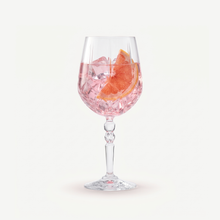
Bormioli Rocco Uno Inalto Wine Glass 47 Cl - 6 Pieces

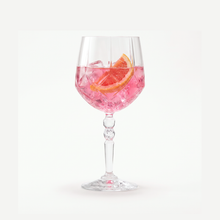
Spiegelau Definition Wine Glass 55 Cl - 6 Pieces

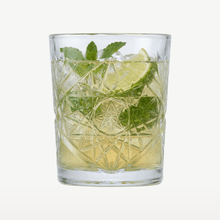
Lehmann Grand Blanc Wine Glass 54 Cl - 6 Pieces
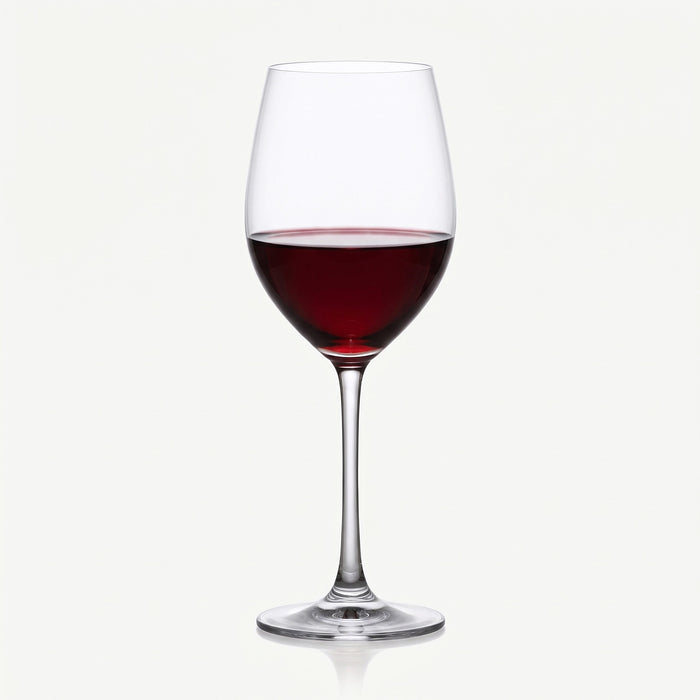
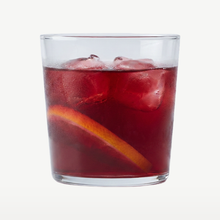
Spiegelau Vino Grande Wine Glass 42 cl - 2 Pieces

How to pour
a chianti in
Put the bottle in the fridge for half an hour. In a heated home, a bottle can quickly reach twenty-one degrees, and above that chianti can smell heavy and alcoholic. Between 16 and 18 degrees, the sour cherry and herbs hold their own, and the tannins feel smooth.
Cut all the way around the capsule below the ridge of the neck and wipe the rim of the bottle clean. Center the corkscrew on the cork, turn it straight down until just before the end, then pull the cork out in one smooth motion.
A young annata can go straight into the glass. A riserva or gran selezione that smells closed often opens up after twenty minutes to half an hour in a decanter. With an older bottle, pour slowly and leave the sediment behind in the bottle.
Pour to about a third of the glass, leaving room to swirl. This makes a big difference with Chianti: without air, you mainly taste the acidity; with air, the cherry, herbs, and tea-like notes come through.
What did you think of this guide?
One click on a star is all it takes. If you’d like to add a comment, we’ll review it before it appears here.
Save this page
Send this page to your own inbox so you have the explanation handy when you’re ready to pour. You’ll also get a €5 discount code on purchases of €50 or more, for the matching glasses.
The story
Chianti is a large area in Tuscany that stretches from north of Florence to south of Siena, with a number of surrounding subzones. At its heart is Chianti Classico, the oldest area between Florence and Siena, with its own regulations and the black rooster as its emblem on the neck of the bottle. Chianti without that designation comes from the broader area around it. Within Classico, the tiers progress from annata to riserva to gran selezione, with the wine aging longer at each level before it can be sold. So the difference lies in origin and aging, not in a different grape.
The right glass
A Chianti glass is a medium-sized bowl with a rounded base and a rim that narrows slightly: enough room to swirl the wine and release the cherry and herbal notes, but not so much that the wine gets lost in it. Our first pick is even named for Chianti and Pinot Grigio; the second is a classic tulip glass whose description explicitly mentions Chianti. Compare them with our red wine glasses, and if you want one large glass for everything, take a look at our large wine glasses.

Luigi Bormioli Supremo Wine Glass 45 cl Chianti Pinot Grigio (6 pieces)

Schott Zwiesel Tulip Taste Red Wine Glass 49.7 cl (4 pieces)
Both sets together € 70,90.
The right glass
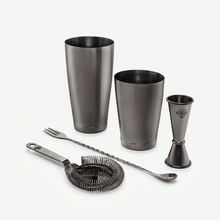
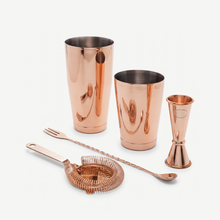
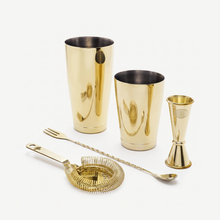
For Chianti, besides a glass, you mainly need a corkscrew, and for a riserva or gran selezione, a decanter to let the wine breathe for half an hour. A wine stopper keeps an opened bottle tasting good for another day or two. The bar tools below only come in handy when making a cocktail: a jigger for measuring and a zester for a citrus twist. These are the bar tools we use ourselves; find them all in our bar tools & cocktail sets.


Glass set (our choice 01) + 2 bar tools together € 74,85.
Which wine goes with this?
Chianti and Brunello come from the same grape, but from different parts of Tuscany. These are the bottles that go with Chianti at an Italian meal, from Prosecco beforehand to a glass of Moscato with dessert. Each drinks page tells you the alcohol percentage, what it tastes like, which cocktails pair well with it, and which glass you need.


Variations & twists
One word on the label makes all the difference. Chianti comes from the wider region, while Chianti Classico comes from the historic heartland and bears the black rooster. Within that region, annata is the standard vintage, riserva is aged longer, and gran selezione is the top tier. The bottle in the straw basket, the fiasco, has become mostly folklore: charming on a trattoria table, but serious wines have long been bottled in regular bottles. Read more? Browse all drinks and brands.
Serving tip
Chianti is made for the Tuscan table. Pasta with tomato sauce is the most obvious pairing, because the acidity in the sauce and the acidity in the glass balance each other. A step up is bistecca alla fiorentina, a thick grilled beef steak that stands up well to the tannins. Pecorino, salami, and white beans with olive oil also pair well. Serve at 16 to 18 degrees.
Good to know
Chianti or Chianti Classico
Chianti Classico is the older heart of the region, between Florence and Siena, with its own regulations and a higher minimum percentage of Sangiovese. Chianti without the Classico designation comes from the much wider area around it, which is divided into subzones. You can recognize Classico by the black rooster on the neck of the bottle. It isn’t a brand belonging to one producer, but the emblem of the consortium as a whole.
Annata, riserva, and gran selezione
Annata is the regular vintage, the wine that reaches the market soonest. Riserva must be aged longer before it can be sold and is usually fuller and firmer. Gran selezione is the top tier within Classico and comes from grapes grown in the producer’s own vineyards, with the longest aging of the three. The tier is stated in full on the label.
Which grapes are allowed
Sangiovese is required and must make up a prescribed minimum percentage, which is higher in Classico than elsewhere. The rest can be made up of native grapes such as Canaiolo and Colorino, or international varieties such as Merlot and Cabernet Sauvignon. The proportions and grape choices vary by producer, which explains why one Chianti tastes lighter and another rounder.
The bottle in the wicker basket
The fiasco, a bulbous bottle in a woven marsh-grass basket, was once practical packaging: the basket protected the thin glass and kept the bottle upright. These days, it’s mostly decorative, familiar from candle wax on the table in a trattoria. The wines in question come in regular wine bottles, and the price of a fiasco says little about what’s inside.
How much alcohol it contains and how long it keeps
Chianti is roughly 12.5 to 14 percent alcohol; the percentage is shown on the label. An annata is best enjoyed within a few years, while a riserva or gran selezione can be aged longer. Once opened, a bottle will keep its flavor for two to three days in the refrigerator with a stopper; take it out a little before serving so it isn’t too cold.
Frequently asked questions
Is Chianti a grape or a region?
A region. Chianti is an area in Tuscany, roughly between Florence and Siena, divided into subzones. Its main grape is Sangiovese, which must make up a prescribed minimum percentage of the wine and can be blended with Canaiolo, Colorino, or international grape varieties.
What is the difference between Chianti and Chianti Classico?
Classico comes from the older heart of the region, between Florence and Siena. It has its own regulations and a higher minimum percentage of Sangiovese. You can recognize it by the black rooster on the neck of the bottle. Chianti without the Classico designation comes from the wider area around it.
What do annata, riserva, and gran selezione mean?
These are three levels within Chianti Classico, each requiring a longer aging period. Annata is the standard vintage version, riserva is aged longer before being sold, and gran selezione is the top tier, made from grapes grown in the producer's own vineyards.
Why does Chianti sometimes come in a bottle with a wicker basket?
That bottle is called a fiasco. The woven basket used to protect the thin glass and keep the rounded bottle upright. Today, it's mostly folklore: the region's serious bottles come in regular wine bottles, and the basket says nothing about quality.
Also delicious
Buy Chianti
Want the bottle delivered right away? Order Chianti online from Gall & Gall. Gall & Gall has 23.
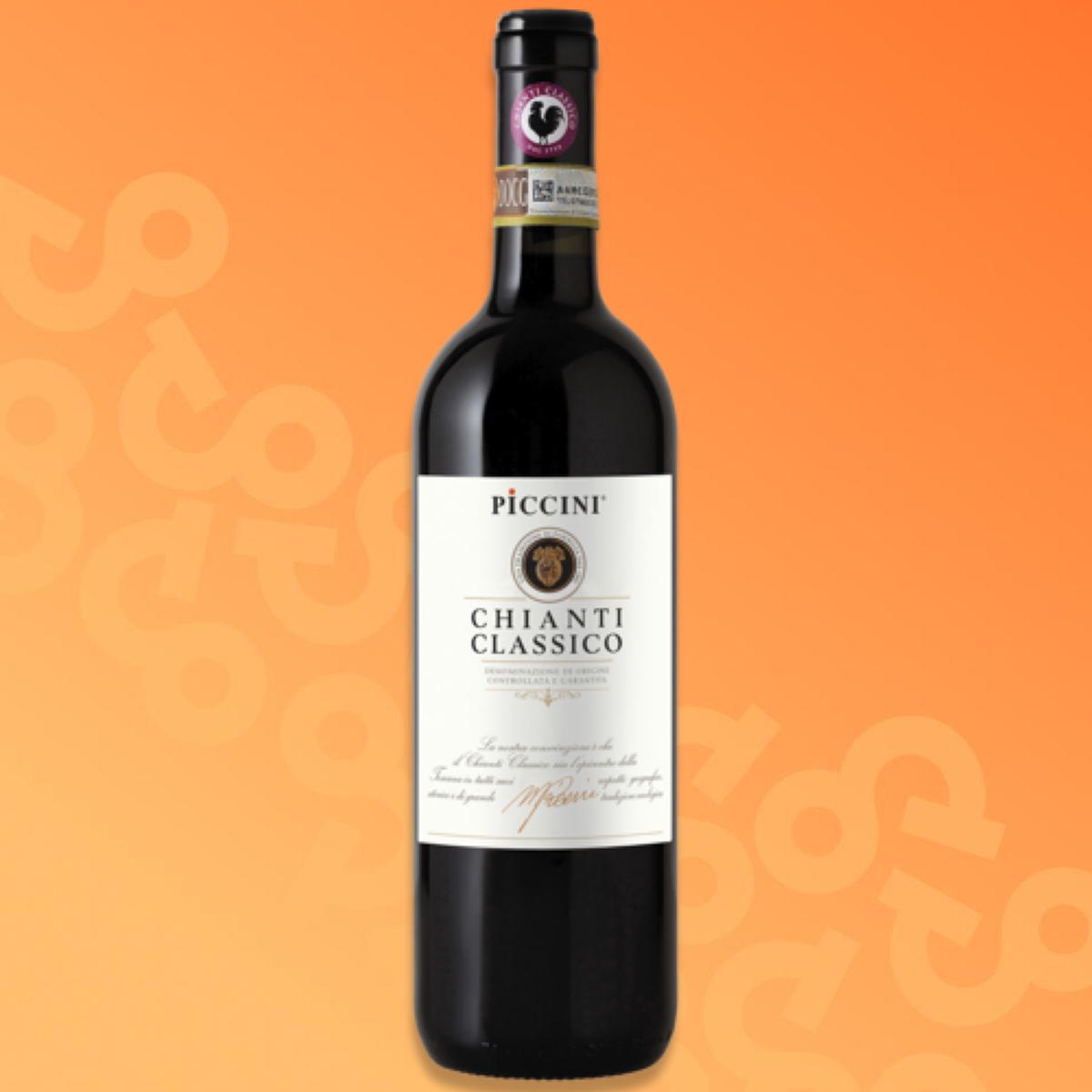
Piccini Chianti Classico
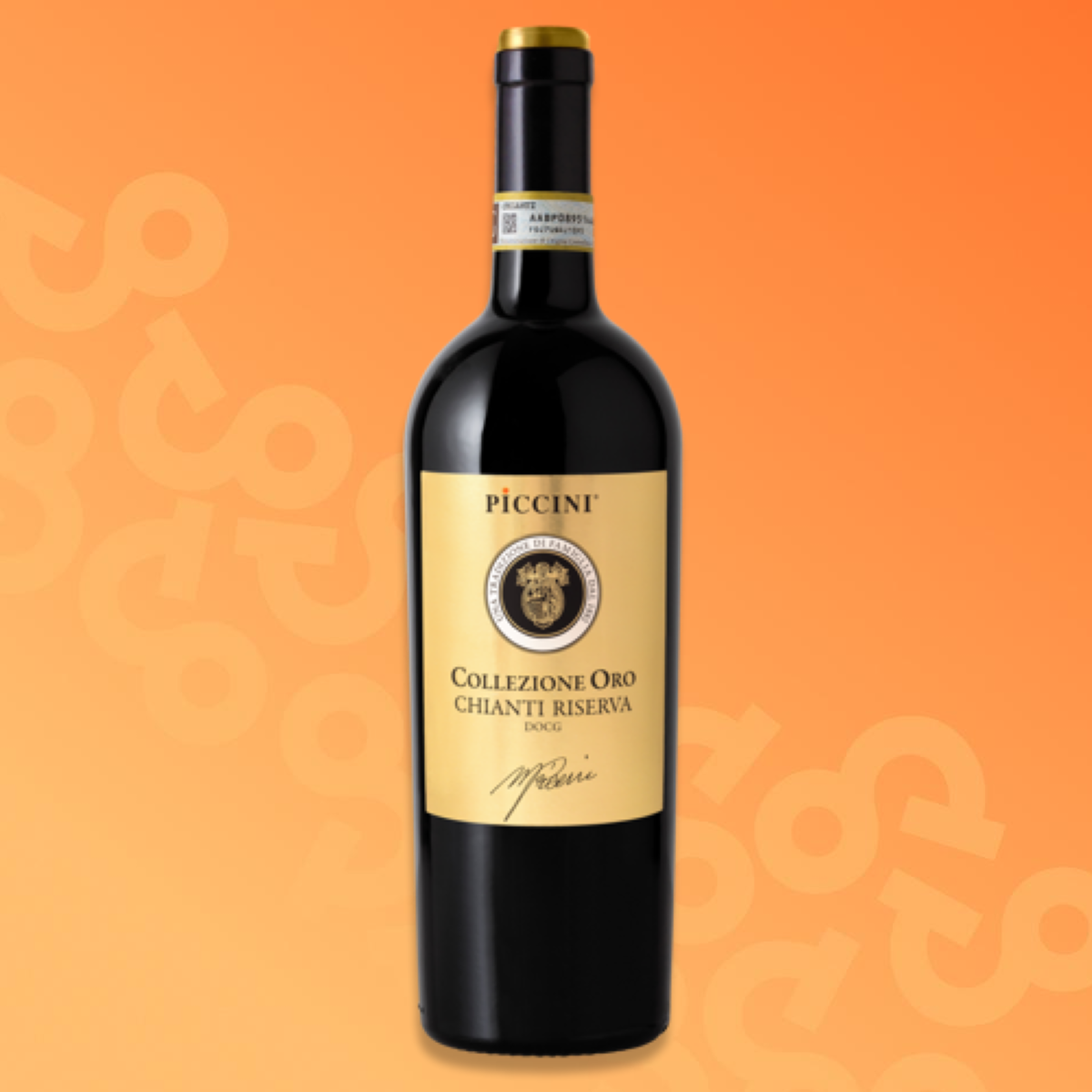
Piccini Collezione Oro Chianti Riserva
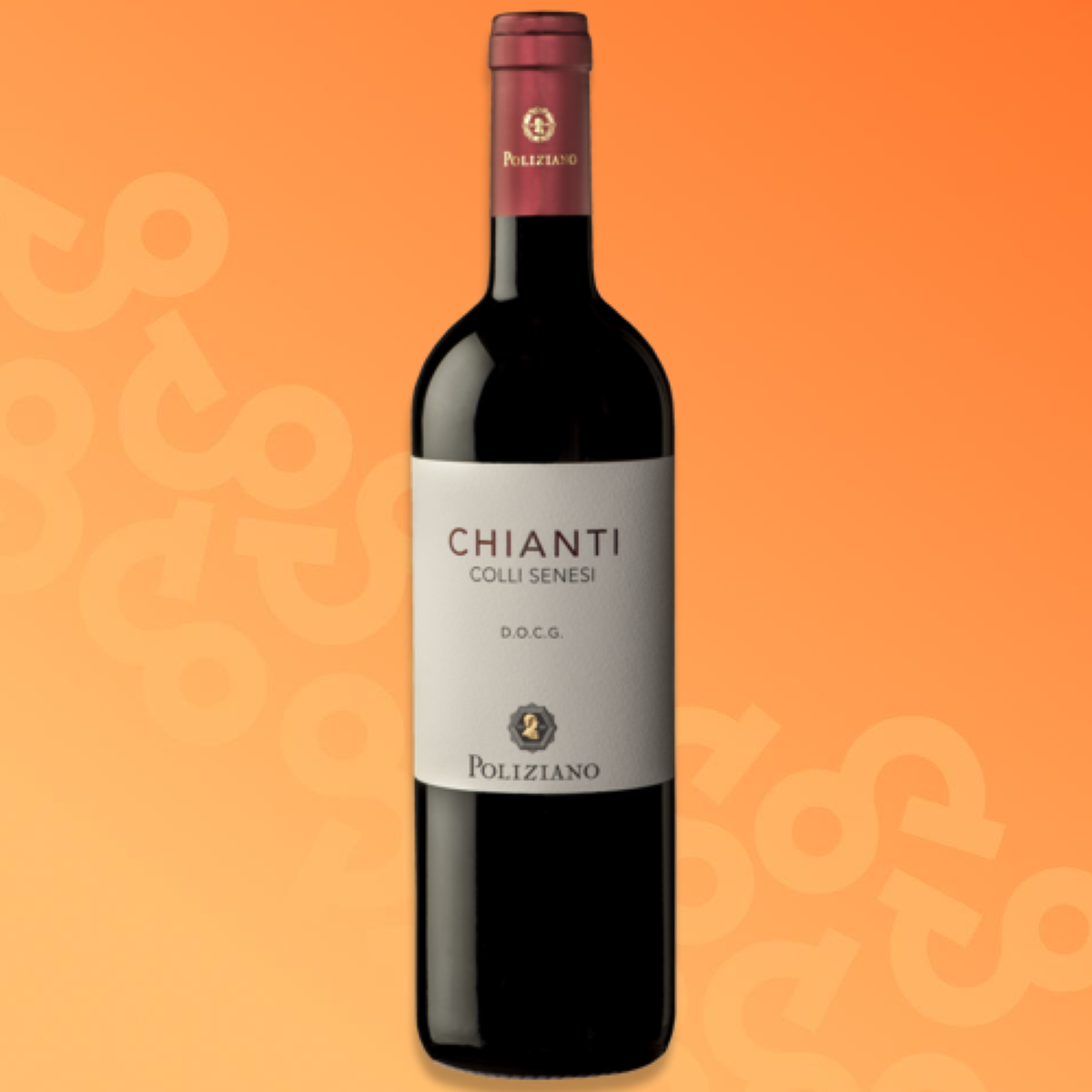
Prices as of November 20, 2026, as reported by Gall & Gall. You can see the current price and stock at Gall & Gall. Glazen.nl receives a small commission if you buy something through these links; it costs you nothing extra. You must be 18 or older to buy alcohol.
Everything for your bar,
at one address
Hospitality-quality glasses, sold in sets. Order today and get them delivered quickly.
Shop for glasses →