Luigi Bormioli Thermic Glass Cappuccino Glass 24 Cl Sublime Cappuccino - 2 Pieces
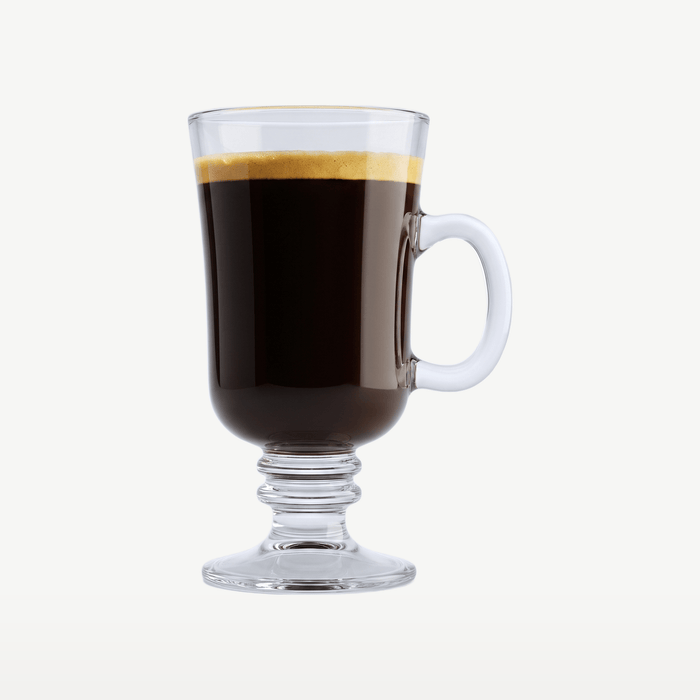
Onis Bill Irish Coffee Glass 24 Cl - 6 Pieces
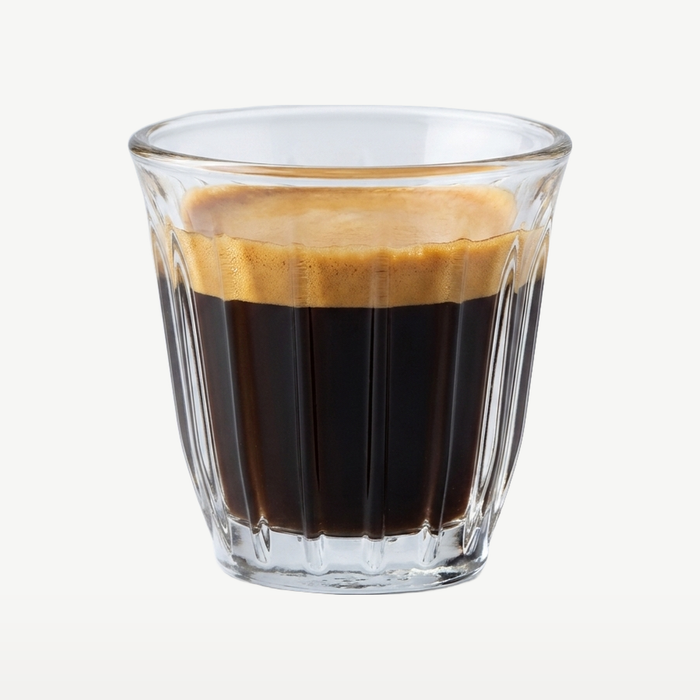
La Rochère Zinc Espresso Glass 10 Cl - 6 Pieces
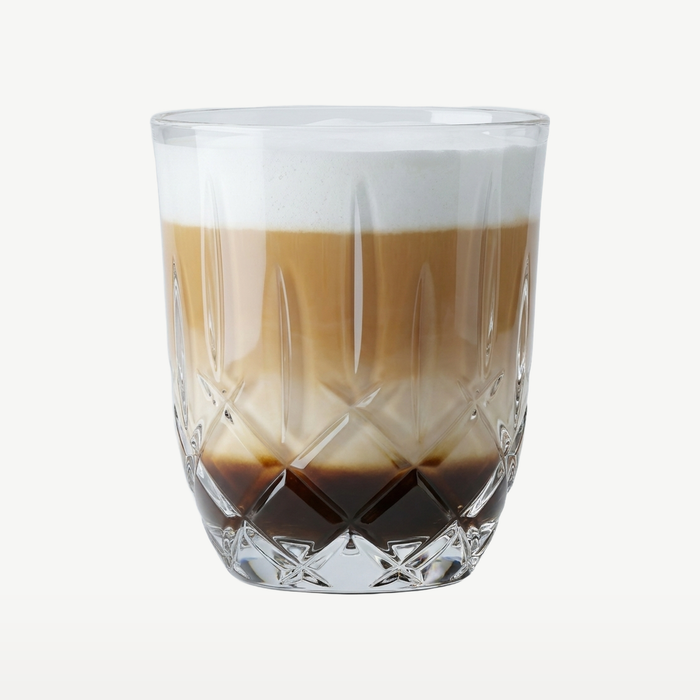
Nachtmann Noblesse Barista Cappuccino Glass 23.5 Cl - 2 Pieces

The white tea recipe
for your table
Fill the glass with hot water, let it sit for half a minute, then pour it out. White tea is brewed with water that’s already not very hot, so a cold glass will draw too much heat from it right away. Dry the outside before continuing.
Boil the water, then let it stand for five to eight minutes, or add a generous splash of cold water until it’s around 70 to 80 degrees. Boiling water burns the fine fuzz on the buds, leaving the tea tasting flat.
Put six grams of leaves in the glass or a roomy strainer and pour the water over them. Let steep for four to six minutes. White tea hardly turns bitter, so a few extra minutes won’t hurt; you’ll just get more flavor.
Remove the strainer or pour out the tea so the leaves don’t keep steeping. You can steep the same leaves two or three more times, adding a minute each time. You can add honey, but only stir it in if you really want it sweeter.
What did you think of this recipe?
One click on a star is all it takes. If you’d like to add anything, we’ll review it before it appears here.
Save this recipe
Send the White Tea recipe to your own email so you have it handy when you're ready to make it. You'll also get a € 5 discount code on purchases of € 50 or more, for the glasses that go with it.
The story
White tea comes mainly from Fujian province in China and consists of the buds and youngest leaves of the tea plant. They're picked, dried outdoors or indoors, then sorted; nothing else is done to them. That's precisely why the timing of the harvest matters so much. Picking only the unopened buds gives you Silver Needle, while picking the bud with the first leaves makes White Peony. The name comes from the fine white down on a young bud, which remains visible after drying.
The right glass
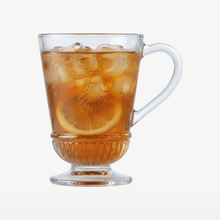
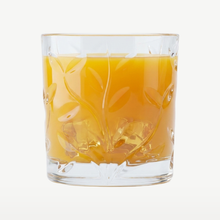
White tea is so pale in color that you want a clear glass for it; otherwise, it looks like hot water even though it has flavor. Choose a roomy glass of 31 to 34 centiliters, because you're working with generous leaves and a long steeping time, and the leaves need room to settle. A sturdy handle is handy when the glass is full, and both of these glasses can withstand freshly boiled water. If you also serve coffee in a glass, take a look at the coffee glasses.

Pasabahce Timeless Tea Glass 31 cl (2 pieces)

Pasabahce Basic Some Like It Hot Tea Glass 34 cl (6 pieces)
Both sets together € 40,90.
The right tools
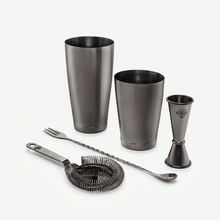
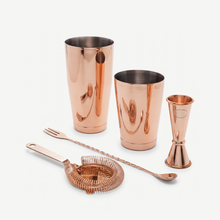
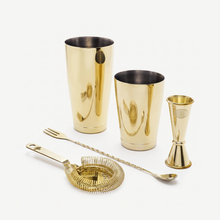
Alongside the glass, use a fine cocktail strainer to keep the buds out of your pour, and a jigger to measure a precise pour if you're adding something to your white tea. These are the bar tools we use ourselves; find everything in our bar tools & cocktail sets.


Glass set (our pick 01) + 2 bar tools together € 40,85.
Which pour goes with white tea?
White tea is light, so keep the pour light too. Stick to something clear or fruity, like gin, vodka or limoncello. On each drinks page, you can read the alcohol percentage, what it tastes like, which cocktails it works in and what glass you need.


Variations & twists
Cold brewing works well with white tea: use six grams of leaves per half liter of cold water, leave it in the fridge overnight, and you’ll have a very light tea. A few mint leaves or a slice of cucumber can be added without overpowering the tea. Milk doesn’t do it any favors, as it completely masks the flavor. A thin slice of peach or half a teaspoon of honey is as far as I’d go. Want more inspiration? Browse more than 100 cocktail recipes.
Serving tip
Serve white tea in a clear glass and place the loose dry leaves beside it so guests can see how little processing they’ve undergone. Pair it with something neutral, such as a piece of cake or unsalted nuts; strong cheeses and spicy snacks overpower the tea. Don’t leave the leaves in the glass if you’re sipping it slowly.
Good to know
Why white tea is the least processed tea
For green tea, the leaf is heated to stop oxidation; for black tea, it’s rolled and fully oxidized; and for oolong, oxidation is stopped halfway. White tea goes through none of those steps: pick, dry, sort, and it’s ready. As a result, the finished product looks most like the fresh leaf.
The down that gives it its name
A young, still-unopened tea bud is covered in fine white hairs. This down remains after drying and gives a batch of white tea its silvery-white appearance; that’s where the name comes from. In the cup, you can sometimes see the hairs suspended in the tea like a light haze, and that’s normal.
Silver Needle and White Peony
Silver Needle, called Bai Hao Yin Zhen in Chinese, consists only of unopened buds and is the most carefully selected pick. White Peony, Bai Mu Dan, consists of a bud plus the first one or two leaves and produces a fuller, slightly darker infusion. Silver Needle is lighter and softer, while White Peony is more robust.
Why it’s so light in color and flavor
The leaf isn’t bruised or rolled, so far fewer compounds are released from its cells than with black tea. It’s also brewed with water that isn’t boiling. The result is an infusion that stays almost straw-yellow and leans mainly toward flowers, fresh hay, and a little melon, without the dryness of black tea.
Plenty of leaves and a long steep
White tea contains little of the compounds that quickly make tea bitter, so a long steep won't punish you. Use one and a half to two grams per deciliter, quite a bit more than you would for black tea, and let it steep for four to six minutes. The leaves are fluffy, so a teaspoon weighs almost nothing.
Caffeine in white tea
White tea contains caffeine. How much ends up in your cup depends on the amount of leaves, the water temperature, and the steeping time. So the assumption that white tea always contains less caffeine than black tea doesn't hold; with plenty of leaves and a long steep, it can just as easily be the other way around.
Frequently asked questions
What is white tea?
White tea is the least processed tea: the young buds and leaves are picked and dried, and nothing else is done. No bruising, no rolling, no induced oxidation. That gives the infusion its very light color and flavor.
How hot should the water be for white tea?
70 to 80 degrees. Boil the water and let it sit for five to eight minutes, or add a splash of cold water. Boiling water burns the fine down on the buds, leaving the tea flat.
How long should you steep white tea?
Four to six minutes, using plenty of leaves: one and a half to two grams per deciliter. It hardly turns bitter, so a few extra minutes are fine. You can steep the same leaves two or three more times, adding a minute each time.
What is the difference between Silver Needle and White Peony?
The picking. Silver Needle consists only of unopened buds and produces the lightest, gentlest infusion. White Peony consists of the bud with one or two leaves attached and is fuller and darker. Both are simply picked and dried.
Also delicious
Everything for your bar,
to one address
Hospitality-grade glasses, sold in sets. Order today, delivered fast.
Shop glasses →