


Cider
Fermented apple juice, made like wine but served like beer. What is in the bottle, why the selection in the store keeps changing, and which glass brings out cider's best qualities.


What else sparkles
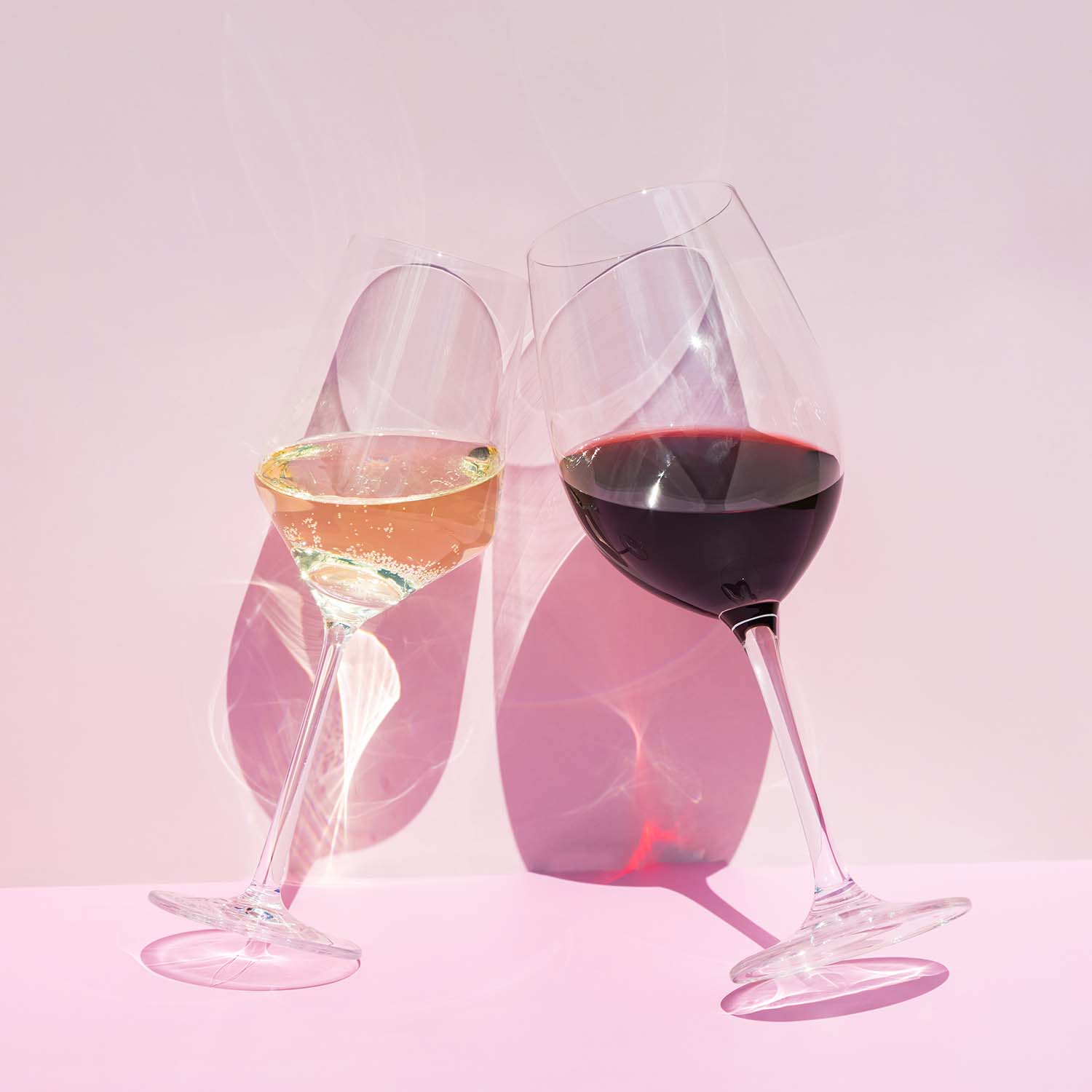
Cider shares its bubbles and its second fermentation with a few drinks that are made from grapes.
Wine
The same production process, only using grapes: how white, red, and rosé wines are made and what appears on the label.
About Wine →Champagne
The sparkling wine that gets its carbonation in the same way as cider with bottle fermentation, and where brut and demi-sec come from.
About Champagne →
Prosecco
The Italian sparkling wine that undergoes its second fermentation in a tank rather than in the bottle.
About Prosecco →
Lambrusco
As light in alcohol and lightly sparkling as cider, only red and from Emilia-Romagna.
About Lambrusco →Made like wine, served like beer
Cider is made by fermenting apple juice, sometimes with pear juice added. No malt or hops are involved, which is exactly why cider is not beer, even though it is often shelved with specialty beer in many stores. The production process is that of wine, only using apples instead of grapes. The apples the maker chooses determine the flavor: sweet apples produce a higher alcohol percentage, tart apples a fresher cider, and firm unripe apples a fresh, tart aroma. Different varieties are usually blended.
The process starts by chopping and grinding the apples into a coarse applesauce, pommage. It goes into jute cloths, in wooden crates with mesh bottoms, stacked up to fifteen crates high, and only then does pressing begin. The juice ferments slowly at 4 to 6 degrees, because cool fermentation preserves the fresh apple flavor, and oxygen is the enemy. This is followed by aging, which can last from three months to as long as three years. Like champagne, many bottles undergo a second fermentation in the bottle, with a little yeast and sugar, producing the bubbles.
In het kort
What to look for when choosing
Cider has not yet filled an entire shelf with brands, so the label says more than the name. These are the four things that make the difference.
Extra brut, from Brittany
Made from bittersweet apples, with natural freshness and a higher alcohol percentage than most. Dry enough to serve with a platter of fruits de mer.
Dry or sweet
A dry cider has less than 0.9 percent residual sugar, while a sweet one has more than 4 percent. Between them lies a broad middle range without a fixed name.
French, English, or Spanish
In Normandy, cider is served with meals and crêpes; in English pubs, it comes from the tap; and in Spain, it is called sidra and is poured from a great height.
Apple or pear
Cider made from pears is called poiré in France and perry in England. There is also fruit-flavored cider: apple cider with fruit juice added later.
Champagne, prosecco, and cava get their bubbles in a similar way, only from grape juice.
Fresh, fruity, and easy to drink
Apple, instantly recognizable
The natural aroma of fermented fruit, without the malt and hops you smell in beer. The more acidic the apples, the fresher the nose.
From bone-dry to soft
The range is broad: dry cider is crisp and almost wine-like, while sweet cider is soft and rounded. The maker's choice of apples determines where a bottle falls.
Short and refreshing
At 4 to 6 percent, little warmth lingers. That makes cider a drink you can easily keep drinking throughout an entire meal.
Flavor profile of a dry cider. A sweet bottle, with more than 4 percent residual sugar, shifts significantly to the right on the sweetness scale.
This is how you serve cider
Cider asks for little, except space in the glass. The more the drink comes into contact with air, the more of the apple remains.
From a wide glass
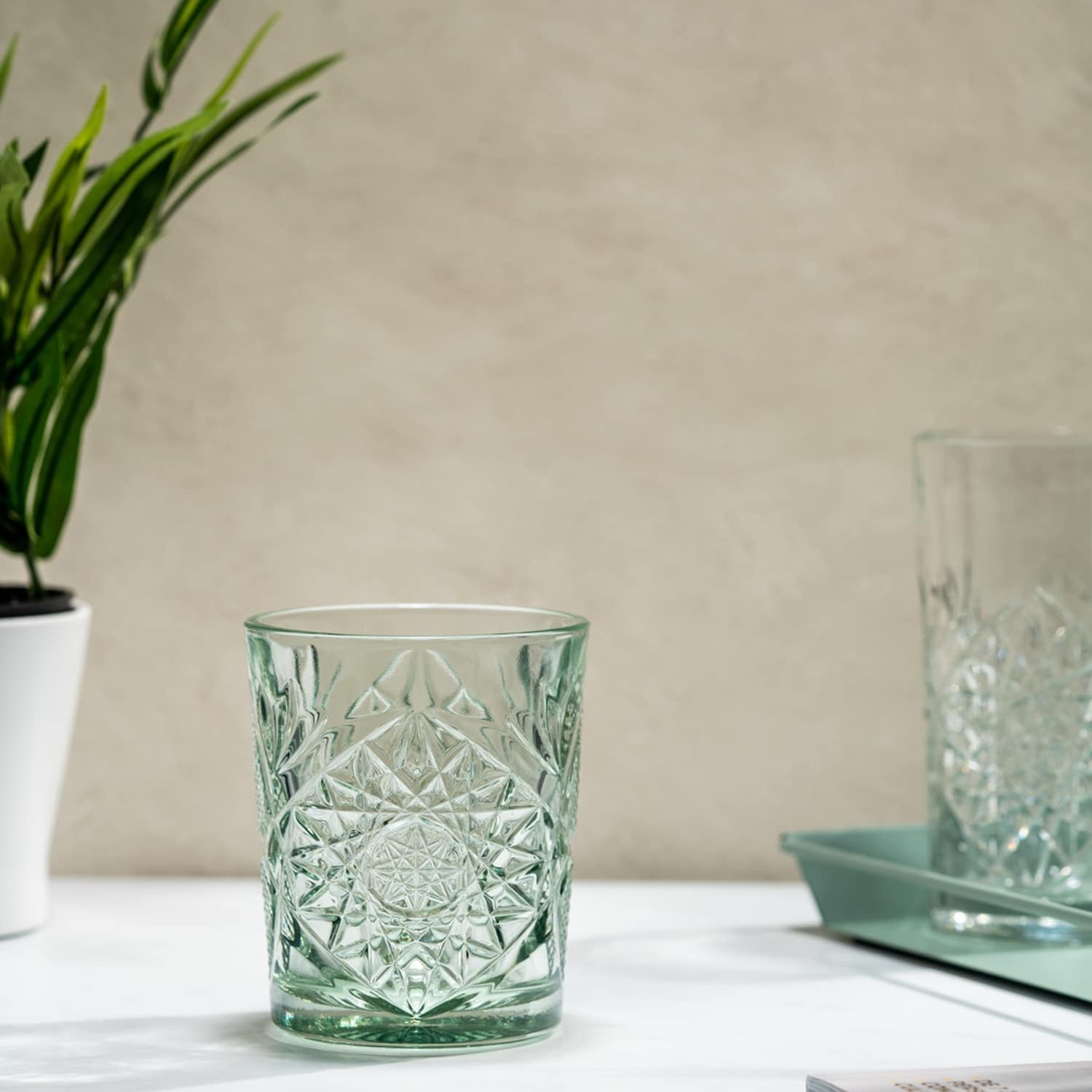
A glass with a generous opening allows the cider to come into contact with oxygen, which is what really releases its aromas. In France, it is also served in a white wine glass or a flute, and in Norman crêperies in a low earthenware bowl.
To the glasses →Pouring from a height
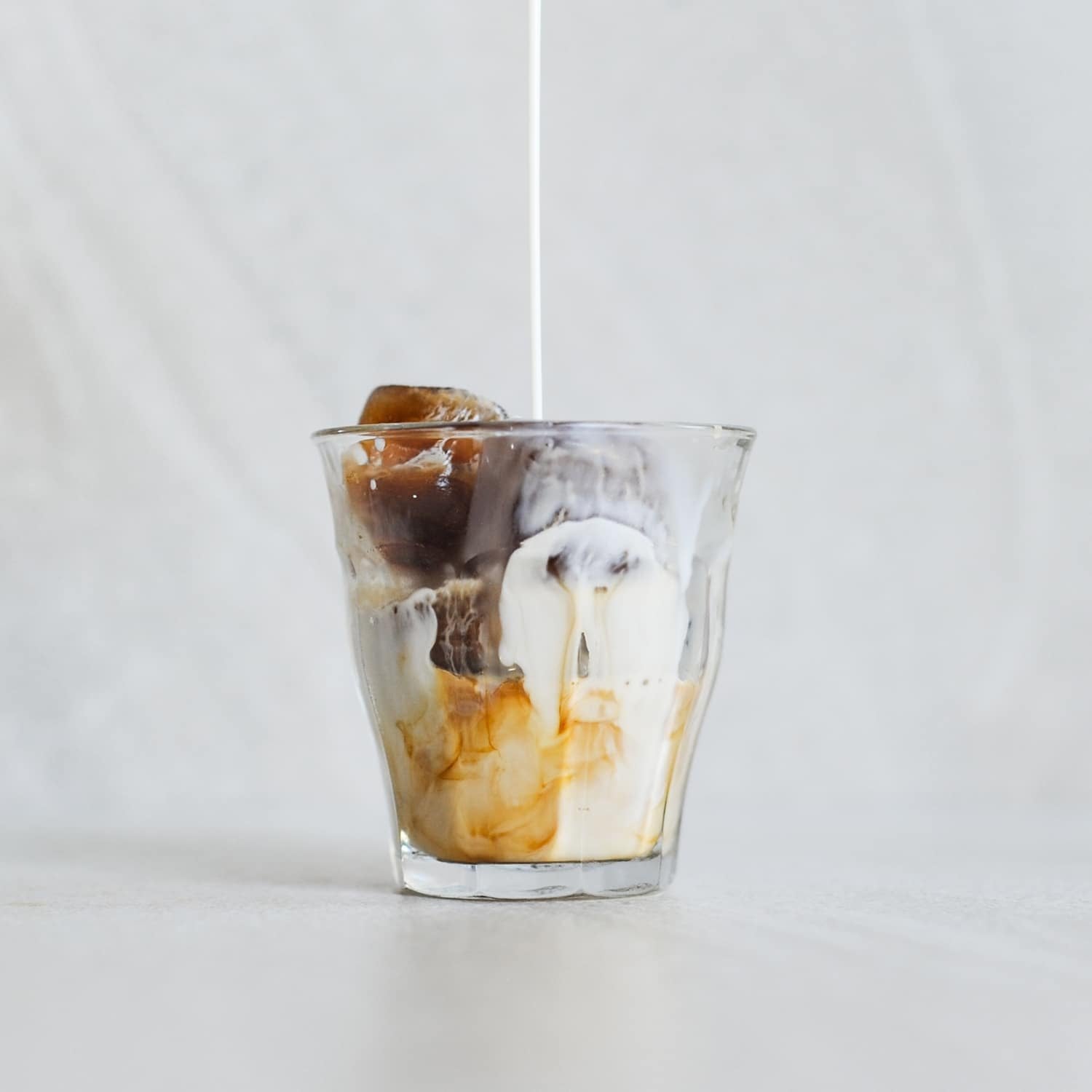
In Spain, sidra comes with a centuries-old ritual: cider is poured into the glass in a thin stream from a great height. This provides maximum aeration, allowing the flavors to open up better. You do not need to go that far at home, but do not pour it carefully down the side of the glass.
More about cider →With a meal or as a drink
In France, cider is drunk as an aperitif and with meals, traditionally with crêpes and pork with apple. A dry bottle goes well with fish and shellfish, while a sweeter one pairs well with creamy cheese.
To the cocktails →Cocktails with cider
Cider rarely goes into a cocktail, but in Paris they make a Kir Normand with it: cider with a splash of blackcurrant liqueur. The same idea as a Kir Royal, only with apple.

Kir Normand
Cider with a splash of blackcurrant liqueur. In a Kir Royal, replace the bubbles with cider.
Bellini
Peach purée topped with bubbles. Using cider instead of prosecco makes it fruitier.
Aperol Spritz
Aperol with bubbles and sparkling water over plenty of ice, in a generous glass.
Hugo Spritz
Elderflower syrup, mint and lime with bubbles. Works just as well with cider.The right glass for cider
A wide glass with a generous opening is most important: it allows the cider to absorb oxygen and release its aromas. These are the glasses we recommend ourselves.


Everything you still wanted to know about cider
Can't find your question here? Browse our cocktail recipes or get in touch.
To the cocktail recipes →