


Lagavulin
The heavily peated single malt from southern Islay, with the smoke and iodine the region is known for. Everything about the 16 and 8 Years, the taste and the right glass to serve it in.


Peat smoke from a bay in southern Islay
Lagavulin has stood since 1816 on the bay that gives it its name, on the southern coast of Islay, the Scottish island known for its peated whisky. The barley is dried over burning peat, and it is this smoke that permeates the grain and gives the whisky its character: peat fire, seaweed, iodine and tar.
What also sets Lagavulin apart is its pace. The distillery uses exceptionally slow distillation and a long fermentation, producing a heavy, oily whisky that can withstand many years in cask. The 16 Years has been the house's standard reference for decades and was included in the Classic Malts, the six whiskies with which Diageo put single malt on the map in the 1980s.
In brief
What types of Lagavulin are there?
The range is small, and deliberately so: Lagavulin would rather release a few bottles than a long series.
Lagavulin 16 Years
The house classic: sixteen years in oak and sherry casks. Dense peat smoke with seaweed, iodine, dried fruit and a sweet, long finish.

Lagavulin 8 Years
Launched for the 200th anniversary and here to stay: younger, sharper and fresher, with citrus and pepper alongside the smoke. Even at 48%, notably more direct.

Lagavulin Feis Ìle 15 Years
The special bottling for Feis Ìle, the annual whisky festival on Islay. Cask strength and in limited quantities; a bottle for collectors.
The 16 Years is the classic; the 8 Years is younger, livelier, and cheaper.
Peat smoke, iodine, and sweet sherry
Peat smoke & seaweed
Dense peat smoke with seaweed, iodine, and tar, followed by sweet sherry and dried fruit. Unmistakably Islay.
Full and oily
Full and almost oily, with smoke, salt, dried fruit, and a sweet core. The smoke is dominant but never harsh.
Very long and smoky
One of the longest finishes you will encounter in whisky: smoke, salt, and a light sweetness linger for minutes.
Flavor profile of Lagavulin 16 Years. The 8 Years is fresher and more citrusy and scores higher in intensity; the Feis Ìle at cask strength scores higher in both.
Three ways to drink Lagavulin
Peated whisky is best enjoyed neat or with a few drops of water. Ice closes off the aromas, which would be a shame with this whisky.
Neat at room temperature
4 cl in a tulip-shaped tasting glass. Let it stand for two minutes before smelling it: the first impression is mainly smoke, followed by seaweed, dried fruit, and sweet sherry.
Glass: tasting glass →With a few drops of water
Add two to three drops of cold water, especially to the 8 Years at 48% or the Feis Ìle at cask strength. The water opens up the alcohol and reveals the sweet and fruity layers beneath the smoke.
Glass: tasting glass →As a Penicillin
50 ml blended whisky with lemon and honey-ginger syrup, shaken and strained, topped with a 10 ml Lagavulin float. The smoke floats on the cocktail and comes through first with every sip.
Penicillin recipe →Cocktails with Lagavulin
Such a distinctive whisky does not disappear in a cocktail: use it sparingly, as a float or as a small part of the base.

Penicillin
Whisky, lemon, honey, and ginger with a smoky float. Made for a whisky like this.
Smoky Old Fashioned
Whisky, sugar, and bitters over a large ice cube, with some peated whisky mixed in.
Smoky Sour
Whisky, lemon, sugar, and egg white. The smoke gives the sour a completely different character.
Hot Toddy
Whisky with hot water, honey, lemon and cloves. Smoke and honey go surprisingly well together.The right glass for Lagavulin
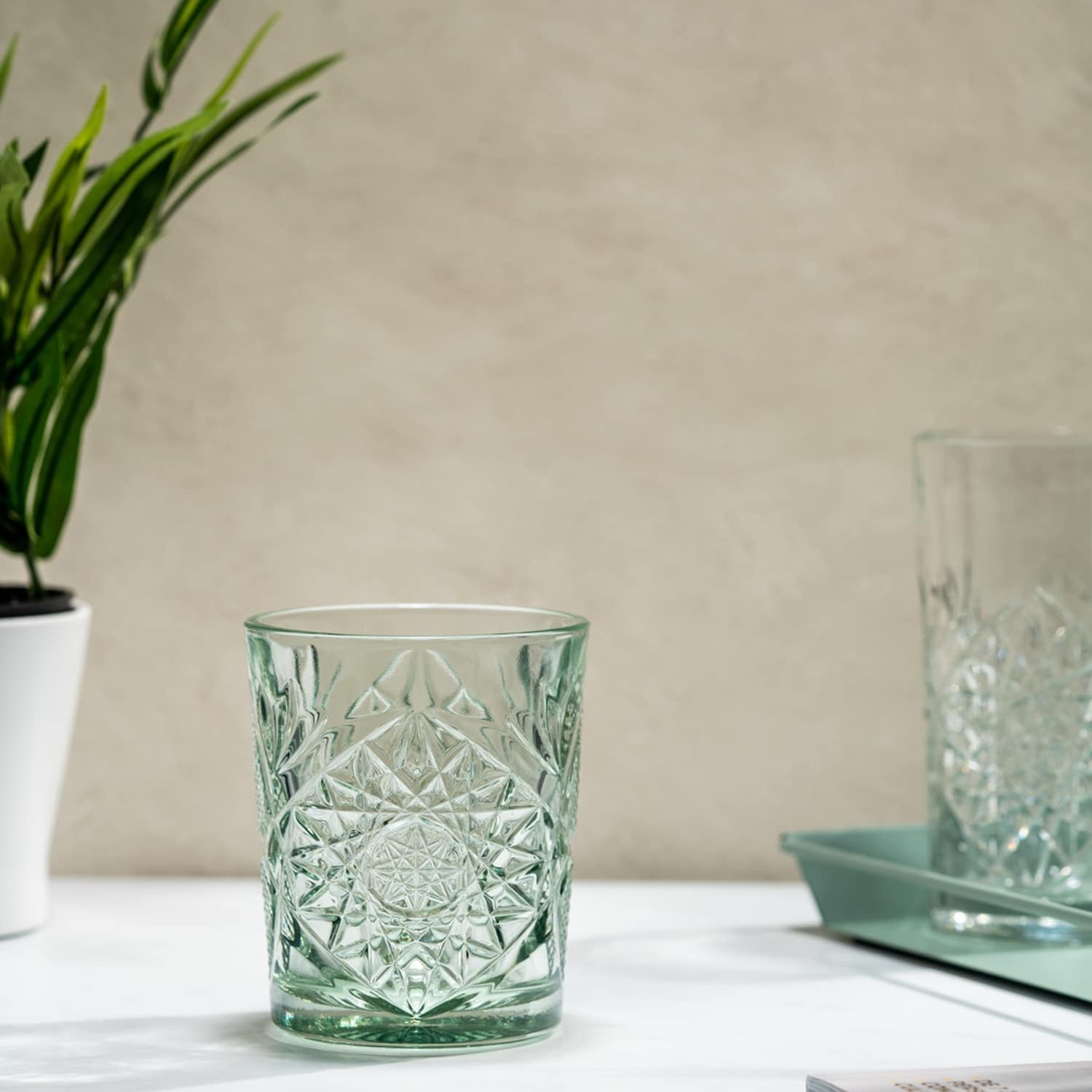
A tulip-shaped tasting glass gathers the smoke and underlying sweet notes; a heavy tumbler is for those who still want an ice cube. These are the glasses we recommend ourselves.


Everything you still wanted to know about Lagavulin
Can't find your question here? Check out our cocktail recipes or get in touch.
To the cocktail recipes →