






Esbjærg
The vodka with the Scandinavian name that is actually made in Leeuwarden. Everything about the alcohol percentage, wheat base, cocktails and the glass it belongs in.


A Danish name, a Frisian distillery
The name sounds Scandinavian, but Esbjærg comes from Leeuwarden: the vodka is made by Boomsma, the Frisian distillery that also brings Glen Talloch to market. It is a grain vodka made from wheat alcohol filtered over activated charcoal. This filtration removes the final sharpness and produces a vodka that is remarkably smooth to drink.
In the world of vodka, such details matter more than you might think. Vodka is neutral by definition, so the distinction lies in the raw material and filtration. Wheat provides a smooth, slightly sweet base; rye is pepperier, while potato is fuller and creamier. Esbjærg opts for the smooth side, placing it in the category where vodka is primarily used as a base for cocktails.
In brief
What types of Esbjærg are there?
The range is straightforward: one vodka in three sizes, plus a variant distilled in copper.
Esbjærg Vodka
The standard bottle: wheat vodka, filtered over activated charcoal. Smooth and neutral, making it an excellent base for any vodka cocktail.

Esbjærg Copper
The house's copper version. Copper binds sulfur compounds during distillation, making the vodka a little smoother.

Esbjærg Vodka 1 liter
The one-liter bottle. More economical per glass if you regularly make cocktails or host a party.

Esbjærg Vodka 50 cl
The smaller bottle, handy if you only use vodka occasionally or want to keep it in the freezer.
The standard bottle for cocktails; the Copper when you want to drink it neat.
Neutral, smooth and without sharpness
Almost neutral
Barely any aroma, with at most a light grain note. That is how it should be: vodka with a pronounced aroma is usually not well filtered.
Soft and rounded
Soft and lightly sweet from the wheat, without the burn that cheap vodka can have. The charcoal filtration is clearly noticeable.
Short and clean
A short, clean finish with a lightly peppery edge. Just enough character to drink neat, yet neutral enough to disappear into any cocktail.
Tasting profile of Esbjærg Vodka. A neutral grain vodka should score low on everything except strength; that is the point of the category.
Three ways to drink Esbjærg
Vodka is the most versatile bottle in the cabinet: it adds alcohol and body without overpowering the rest.
Ice-cold from the freezer
Put the bottle in the freezer for a few hours and pour 3 cl into a chilled glass. The cold makes the vodka syrupy and removes the last hint of sharpness. In Scandinavia and Poland, something salty is traditionally served with it: herring, pickles or smoked fish.
Glass: shot glass →As an Espresso Martini
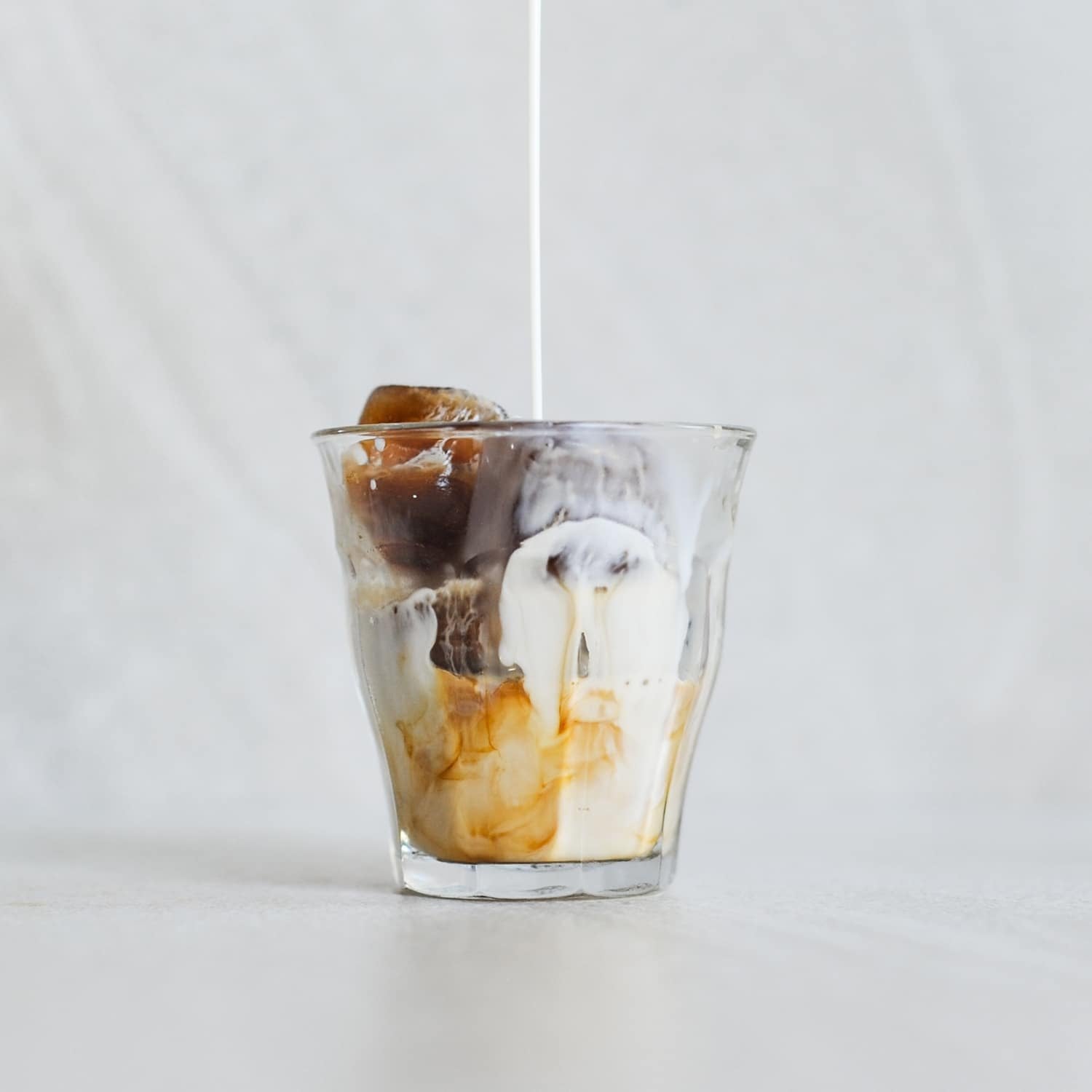
50 ml vodka, 30 ml fresh espresso, 20 ml coffee liqueur and half a bar spoon of sugar syrup shaken very hard with ice, then strained into a chilled glass. Hard shaking creates the foam; fresh espresso cannot be replaced with cold coffee.
Espresso Martini recipe →With tonic or sparkling water
4 cl vodka with 150 ml tonic or sparkling water over plenty of ice in a highball glass, with a lime wedge. The simplest way to discover how smooth or sharp a vodka really is.
Glass: highball glass →The best cocktails with Esbjærg

Espresso Martini
Vodka, fresh espresso and coffee liqueur, shaken hard to create the foam.
Cosmopolitan
Vodka, triple sec, lime and cranberry. Fresh, pink and ready in five minutes.
Moscow Mule
Vodka with ginger beer and lime in a copper mug. Fresh and spicy.
Bloody Mary
Vodka with tomato juice, lemon, Worcestershire sauce and Tabasco. The brunch classic.The right glass for vodka
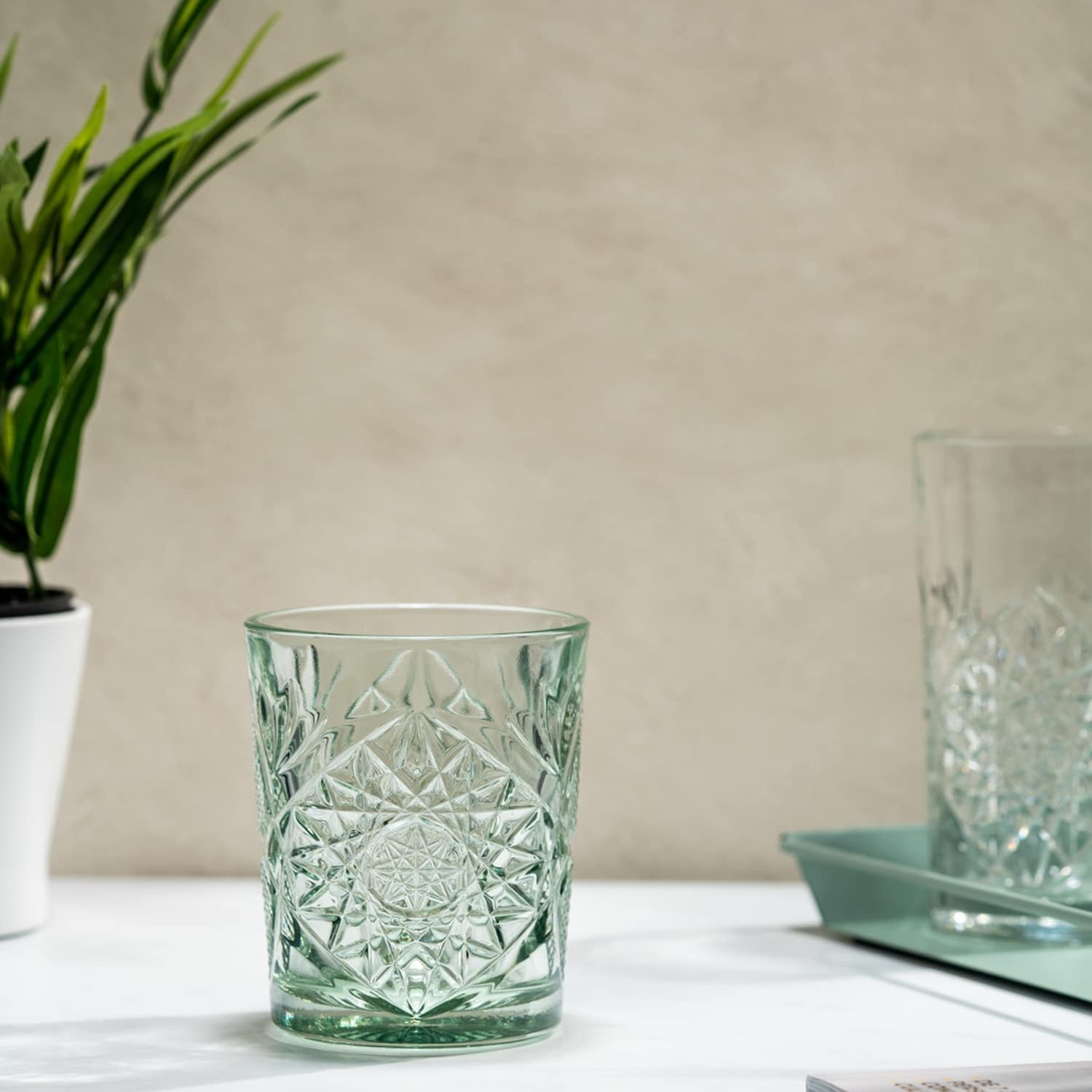
A small glass for drinking spirits neat and ice-cold, a martini glass for shaken cocktails, and a long drink glass for simple mixed drinks. These are the glasses we recommend ourselves.


Everything you still wanted to know about Esbjærg
Can't find your question here? Check out our cocktail recipes or contact us.
To the cocktail recipes →