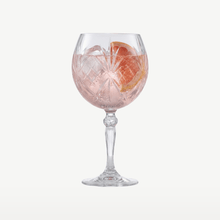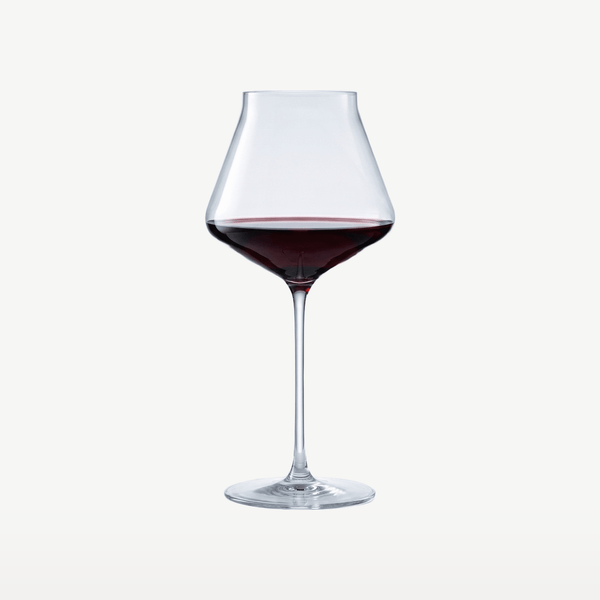
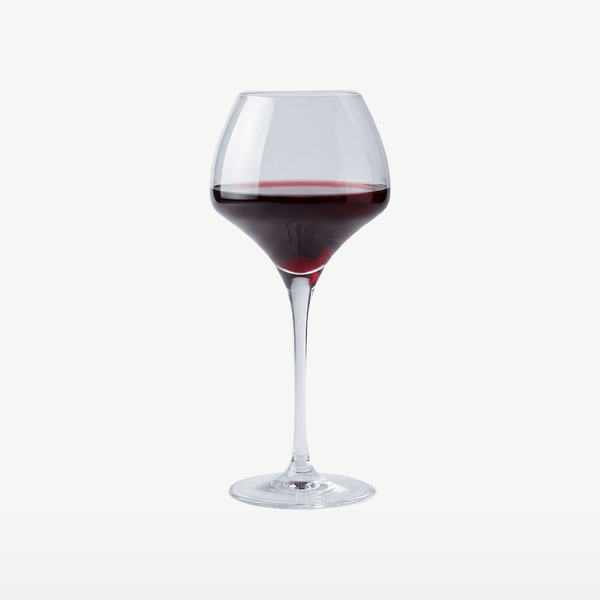
Chef & Sommelier Reveal Up Intense Wine Glass 55 Cl - 6 Pieces


German wine
German wine comes from a cool-climate wine region, with vineyards along rivers such as the Rhine and the Moselle. Riesling is the main grape, ranging from bone dry to sweet. Germany is also producing more and more good Spätburgunder, the German name for Pinot Noir.


German wine, by grape variety
German wine is chosen mainly by grape variety. We have a dedicated page about the main grape varieties, as well as one about alcohol-free wine, a specialty of German producers.

Riesling
From bone dry to sweet, with citrus, peach and crisp acidity that can age for years.
About Riesling →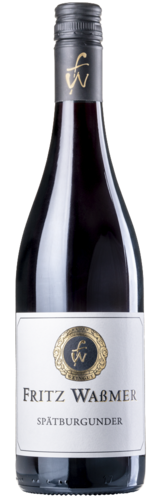
Pinot noir
The blue grape from Burgundy, which produces elegant red wine in Baden, the Palatinate and the Ahr.
About Pinot Noir →
Pinot blanc
A soft, round white wine with pear and nutty notes. Delicious with asparagus and quiche.
About Pinot Blanc →
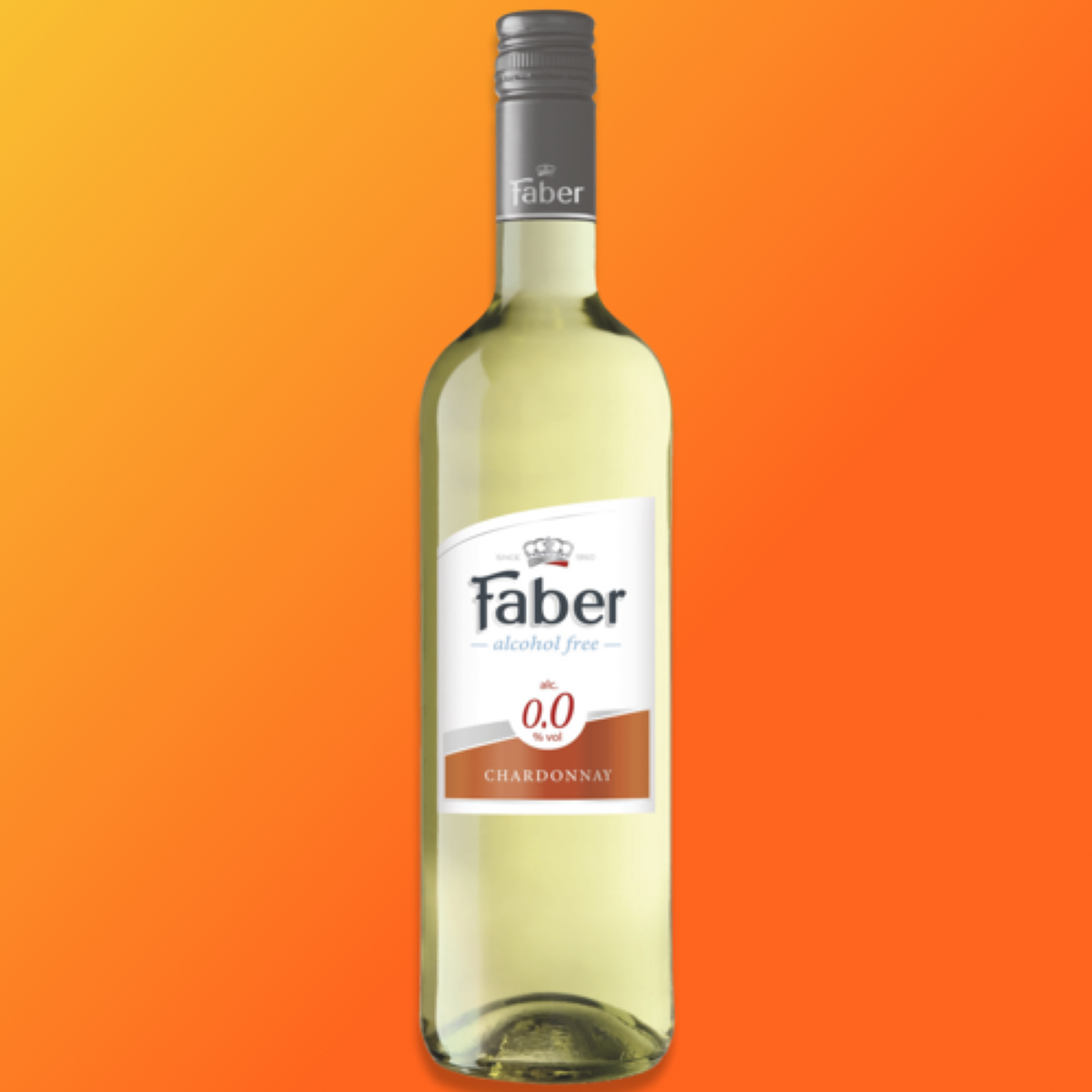
Non-alcoholic wine
German wine producers are among the best-known makers of wine with the alcohol removed.
About alcohol-free wine →Cool vineyards by the river
Germany lies at the northern limit for reliably ripening grapes. That's why the best vineyards are often on steep, sun-facing slopes along rivers. The water and stony soil retain heat. The country has thirteen wine regions. The Mosel is famous for Riesling from steep slate slopes. The Rheingau and Nahe also produce mainly Riesling. Rheinhessen is the largest region, with a wide variety of grapes. The Pfalz and Baden, in the south, are warmer and known for Pinot Noir and the white Burgundy grapes. In Franken, people drink Silvaner from the distinctive flat, round bottle.
Riesling is Germany's most important grape. It makes aromatic wines with plenty of fresh acidity, found in dry, off-dry and sweet styles. On the label, you'll see this indicated by words such as trocken (dry), halbtrocken or feinherb (off-dry) and lieblich (sweet). There are also sometimes classifications such as Kabinett, Spätlese and Auslese. These indicate how ripe the grapes were at harvest: Kabinett is the lightest, while Auslese is riper and often sweet. Above these are rare sweet wines such as Beerenauslese, Trockenbeerenauslese and Eiswein, made from grapes picked frozen from the vine. Pinot Noir is the most important red grape, while Dornfelder makes soft, dark red wine.
In brief
Seven bottles, from dry Riesling to Auslese
Three Rieslings show how versatile the grape is: dry from the Mosel, off-dry as a Kabinett and full-bodied from the Rheingau. Then a Pinot Noir, a Pinot Blanc, a sweet Auslese and an alcohol-free Riesling.
Dr. Loosen Blauschiefer Riesling
Dry Riesling from vineyards with blue slate along the Mosel. Crisp and fresh, with citrus, green apple and a mineral note.

Dr. Loosen Wehlener Sonnenuhr Riesling Kabinett
A classic Mosel Kabinett from the renowned Wehlener Sonnenuhr vineyard. Low in alcohol, with pear, white flowers and herbs, and lively acidity.

August Kesseler Rüdesheim Riesling
Riesling from old vines around the town of Rüdesheim on the Rhine. Rich and full-bodied, with ripe apple, white pear, and stone fruit, and fresh acidity.

Fritz Wassmer Spätburgunder Alte Reben
Spätburgunder, the German pinot noir, from vines over 45 years old in Baden. Elegant, with red cherries and a soft, delicate structure.
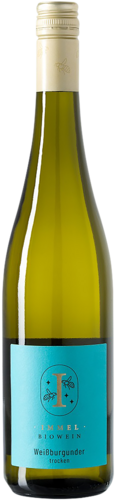
Immel Weissburgunder
Dry weissburgunder, also known as pinot blanc. Ripe fruit, a touch of mandarin, and herbs, with a rounded structure and a nutty finish.

Karl Kaspar Auslese
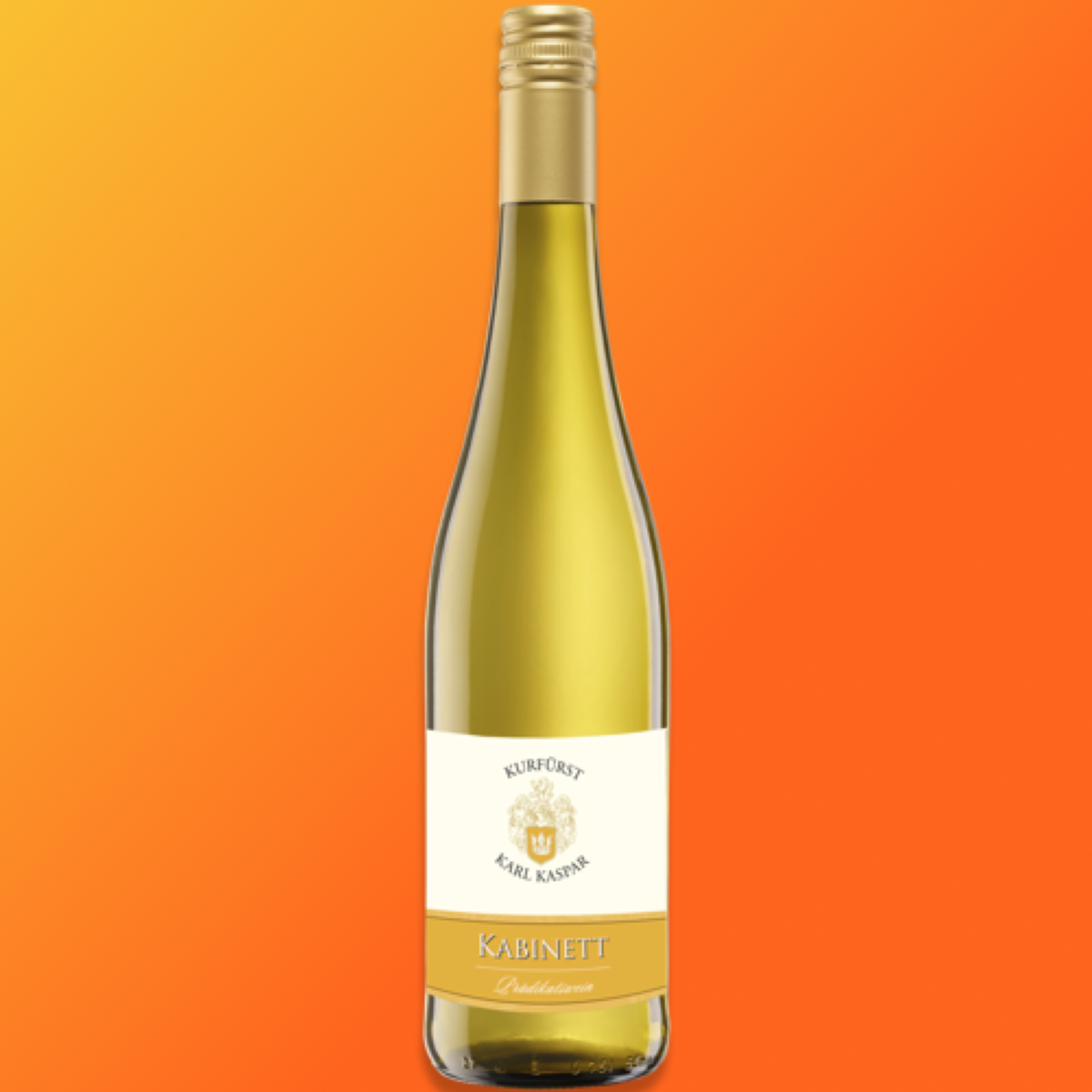
Sweet wine made from carefully selected, ripe grapes. Tropical fruit, orange marmalade, and honey, yet still fresh.

Leitz Motiv Riesling
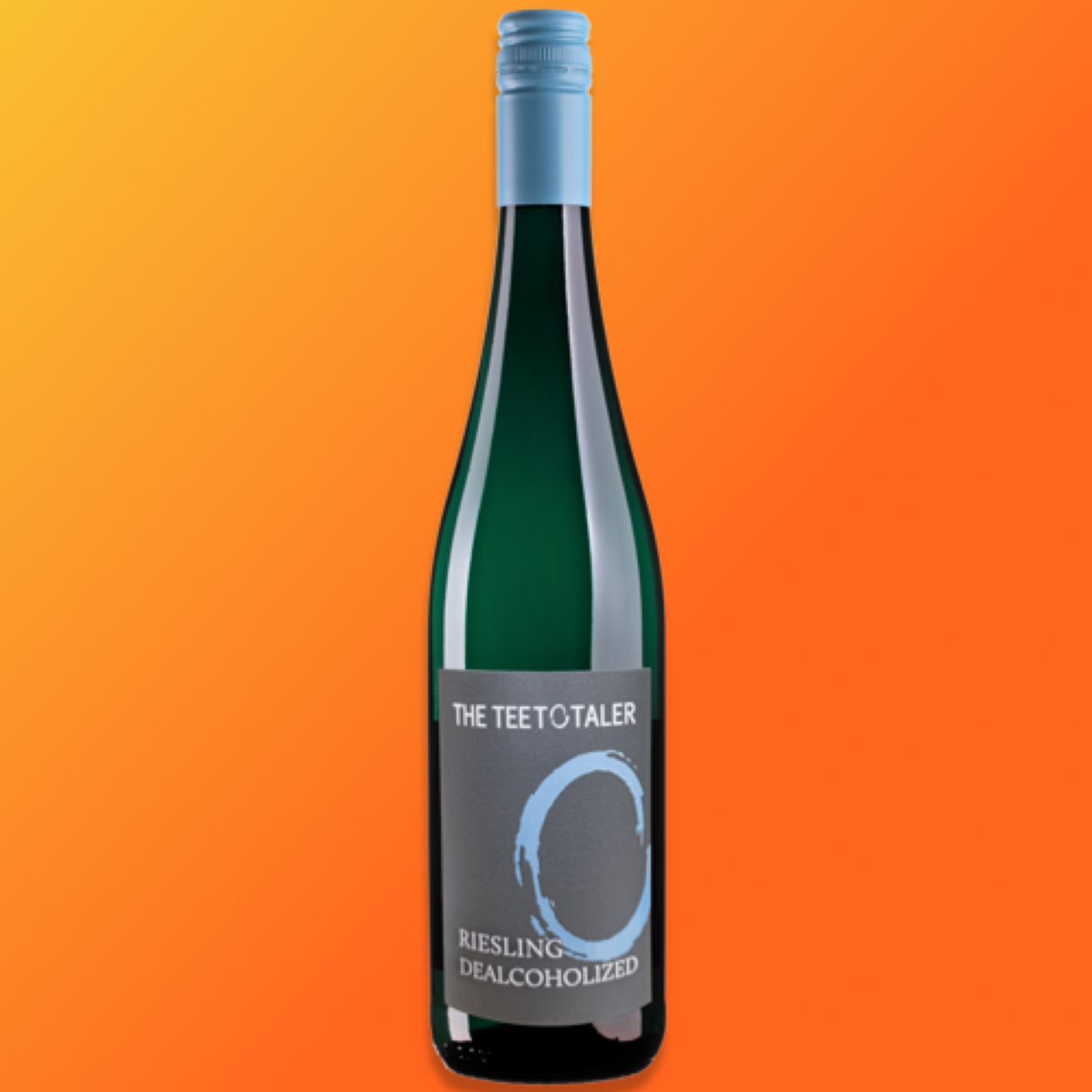
Riesling with the alcohol gently removed after production. Lime, lemon, and red apple. For those who want the taste of wine without the alcohol.
How can you tell whether a riesling is dry or sweet, and why does an older riesling sometimes smell of petroleum? Find out on our riesling page.
Fresh, aromatic, and often light
Citrus, peach & blossoms
Riesling smells of lemon, lime, green apple, peach, and white flowers. After a few years, honey and sometimes a note of petroleum develop. Spätburgunder smells of red cherries and strawberries.
Bright acidity
German white wine has plenty of fresh acidity. In off-dry wine, the acidity balances the sweetness, so the wine doesn't taste cloying. Many wines are low in alcohol.
Fresh and mineral
A good riesling finishes long and fresh, often with a mineral, slightly stony note from the slate soil. Spätburgunder finishes soft and fruity.
Flavor profile of a typical Mosel riesling. A trocken scores lower on sweetness, while an Auslese scores much higher. Spätburgunder scores lower on freshness and slightly higher on body.
How to serve German wine
White and sweet wines well chilled, spätburgunder lightly chilled.
Spätburgunder at 14 to 16 degrees
German pinot noir is light and fresh and is at its best when lightly chilled. Put the bottle in the refrigerator half an hour before serving. This keeps the fruit fresh and prevents the alcohol from standing out.
More about serving temperature →Extra-chilled sweet wine
Pour an Auslese or other sweet wine at 6 to 8 degrees, in a small glass. The chill keeps the sweetness fresh. An opened bottle of sweet wine will keep for a few days in the refrigerator with a stopper.
More about dessert wine →Riesling at 8 to 10 degrees
Serve dry and off-dry Riesling, Weissburgunder, and other white wines at 8 to 10 degrees. A full-bodied Riesling from the Rheingau or an oak-aged Chardonnay can be served a little warmer, around 10 to 12 degrees.
More about decanting →German wine at the table
Thanks to its refreshing acidity, German wine is an easy match for food. An off-dry Riesling is also one of the best wines with spicy Asian food.
Fish and shellfish
Fried or steamed fish, sushi, oysters, and mussels. Dry Riesling also goes well with German classics such as sauerkraut and pork.
Spicy Asian food
Thai curry, Indian dishes, and sushi with wasabi. A touch of sweetness tempers the heat, while the acidity keeps it fresh.
Asparagus and quiche
During asparagus season, a dry Weissburgunder is a go-to choice. It also pairs well with quiche, chicken, and creamy pasta.
Duck and dessert
Spätburgunder pairs well with duck, game birds, and mushrooms. Serve an Auslese with pâté, blue cheese, or a fruit dessert.
The right glass for German wine
Pour Riesling into a slightly smaller white wine glass to keep the aromas of citrus and blossoms together and the wine cool. Spätburgunder calls for a more generous red wine glass. Serve a sweet Auslese in a small glass. These are the glasses we recommend ourselves.


Everything you wanted to know about German wine
Can’t find your question here? Learn more about wine and food, or get in touch.
Wine and food →What is German wine?
What do Kabinett, Spätlese, and Auslese mean?
What does trocken mean?
What is Spätburgunder?
How much alcohol is in German wine?
What do you eat with Riesling?
Buy German wine
Want the bottle delivered straight to your door? Order German wine online at Gall & Gall. Gall & Gall has 56, including 2 on sale.
Prices as of November 24, 2026, as provided by Gall & Gall. You can see the current price and stock at Gall & Gall. Glazen.nl receives a small commission if you buy something through these links; it costs you nothing extra. No 18, no alcohol.