



How to pour
a carmenère in
Place the bottle in the refrigerator for half an hour before opening it. A room temperature of twenty degrees or more is too warm: the alcohol then takes center stage and the spicy note becomes sharp. At 16 to 18 degrees, the dark fruit remains dominant.
Cut all the way around the capsule below the raised part of the neck and wipe the neck clean. Place the spiral in the center of the cork, turn it straight down, and pull it out in one motion. Most carmenère is less than ten years old, so the cork is usually still firm.
A young bottle benefits from twenty to thirty minutes in a decanter. This softens the tannins and lets the savory, green note recede a little, giving the dark fruit more room. If you don't have a decanter, pour it in advance and let the glass sit for a while.
Pour until the glass is about one-third full, so you can swirl without spilling. With this grape, you can really notice the difference: after a few minutes of air, the plum comes forward and the peppery side becomes milder. It's better to top up with a small amount more often.
What did you think of this guide?
One click on a star is enough. If you'd like to add something, we'll read it first before it appears here.
Save this page
Send this page to your own email so you have the instructions at hand when you're ready to pour. You'll also receive a €5 discount code when you spend €50 or more, for the accompanying glasses.
The story
Carmenère originally belonged to Bordeaux, where it was one of the permitted blue grape varieties. After the phylloxera epidemic, it was hardly replanted there, partly because it ripens late and often failed to mature in time during a cool autumn. In Chile, however, it had been planted, but it grew among the merlot and was also harvested and sold as merlot. It was not until a vineyard survey in the 1990s that researchers established that a substantial portion of that merlot was actually carmenère. Since then, it has been harvested separately in Chile and bottled under its own name.
The right glass
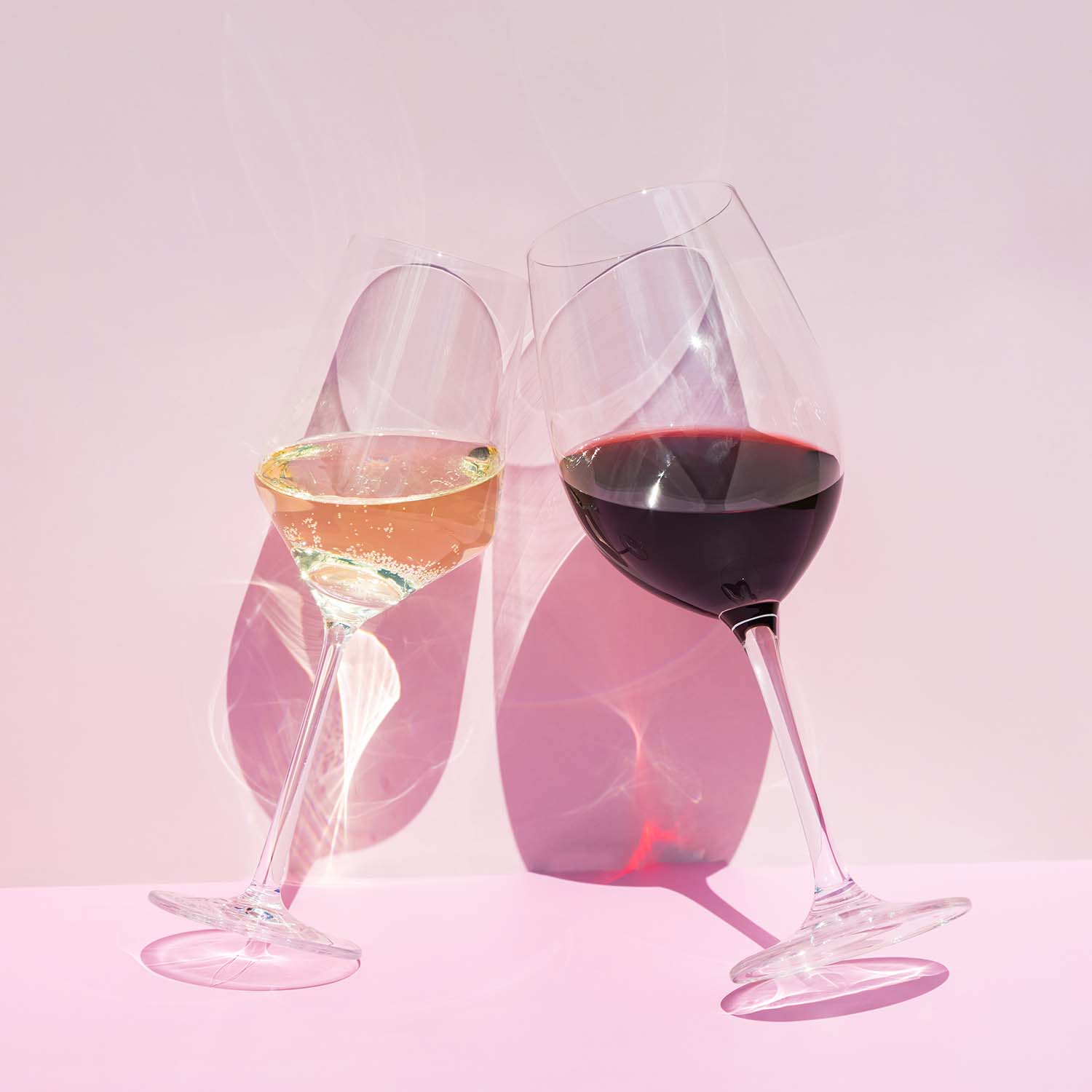
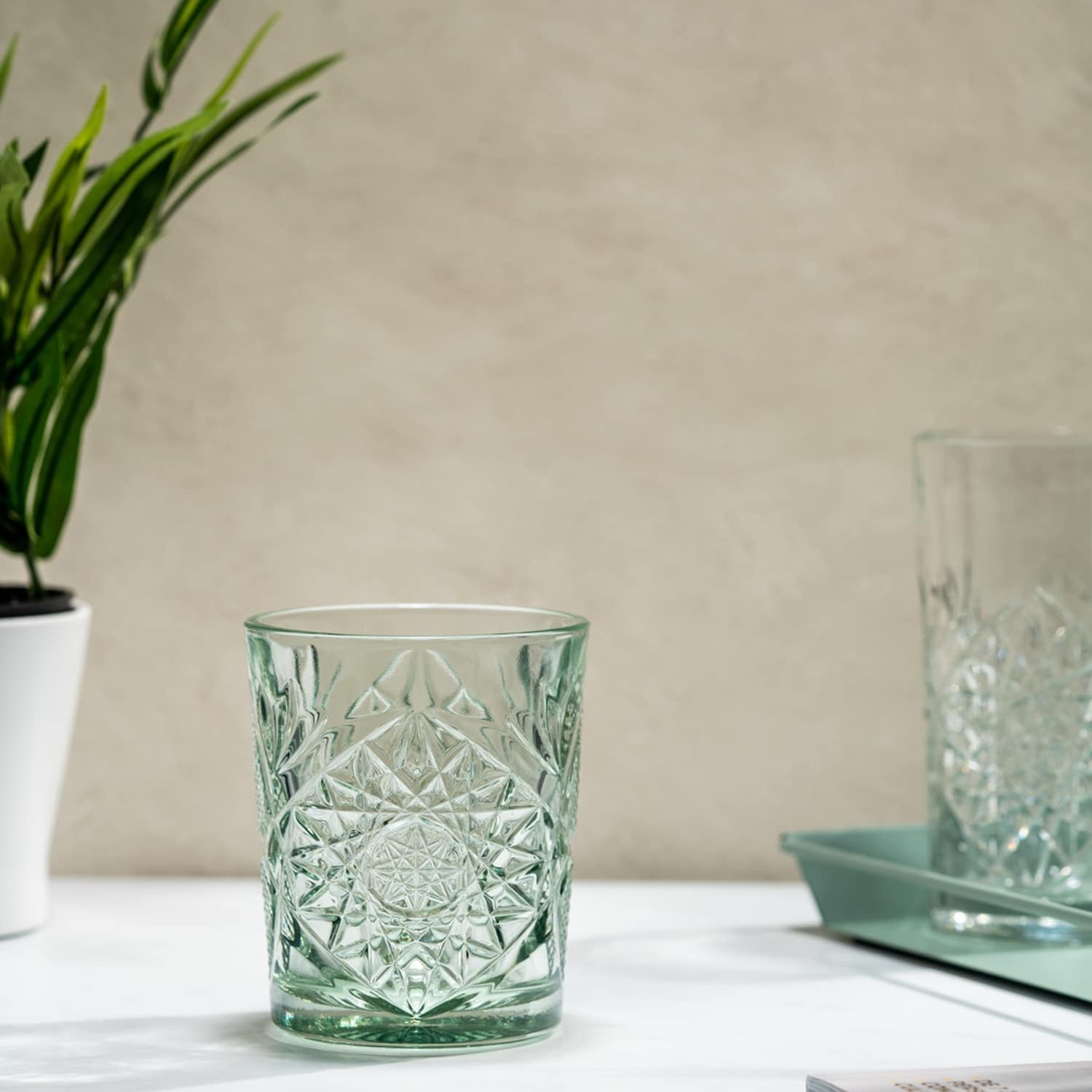
Carmenère is full-bodied and spicy and needs room, so choose a bowl of sixty centilitres or more and fill it only one-third full. That space lets you swirl the wine, and precisely that contact with air pushes the savoury, green notes into the background and brings the dark fruit forward. There is no glass sold specifically as a carmenère glass; because the grape comes from Bordeaux, a tall Bordeaux bowl from the wine glasses collection is the closest match. If you want to decant, take a look at the decanters.

Royal Leerdam Grandeur Wine Glass 60 cl (6 pieces)

Nude Glass Reserva Wine Glass 70 cl (6 pieces)
Both sets together € 70,90.
The right tools
For a carmenère, besides the glass, you mainly need a corkscrew and, for a young bottle, a decanter. The bar tools below only come into play when red wine goes into a sangria or a tinto de verano: a bar spoon for stirring and a citrus juicer for fresh juice. These are the bar tools we use ourselves; you can find everything in our bar tools & cocktail sets.


Glass set (our choice 01) + 2 bar tools together € 57,85.
What do you serve alongside it?
Carmenère is usually served with the main course, so there is often something before or after it. These are the wines that appear alongside it at the table, from a glass of prosecco beforehand to a white wine with the starters. On each drink page, you can read the percentage, what it tastes like, which cocktails pair with it and which glass you need.


Variations & twists
Most Chilean carmenère comes from the valleys south of Santiago, such as Colchagua, Cachapoal and Maipo, where summers are dry and autumn stretches on for a long time. You also find the grape as a small component in a blend with cabernet sauvignon or merlot, where it mainly adds spiciness and color. Outside Chile, plantings are limited; there are some in Italy, and in Bordeaux itself it has never disappeared completely but has remained rare. Want to read more? View all drinks and brands.
Serving tip
Serve at 16 to 18 degrees and let a young bottle breathe for twenty minutes. Grilled meat is the logical choice: the smoke from the grill and the savory character of the wine enhance each other. Peppers, roasted or grilled, are almost a direct echo of the green pepper in the glass. Braised beef with tomato and cumin also works well.
Good to know
How it passed for merlot for decades
Carmenère and merlot look alike in the vineyard, and in Chile the vines were planted among each other. The difference is most noticeable at harvest: carmenère ripens weeks later. Those who harvested the entire plot at once therefore picked the carmenère too early, which explains the pronounced green note in many older Chilean merlots. In the 1990s, vineyard research established that they were two different grapes.
Why the bell pepper note disappears as the grapes ripen
The green bell pepper or pepper note comes from aromatic compounds that are present in high concentrations in an unripe grape and decrease during ripening. When carmenère is harvested fully ripe, at most a spicy undertone remains, while plum and dark berry take over. If it is picked too early, the green character dominates the entire glass.
Why Chile's long autumn is necessary
Carmenère ripens late, later than cabernet sauvignon and merlot. It therefore needs a growing season that remains warm and dry well into autumn. In the Chilean valleys, autumn is long and almost rain-free, allowing the grapes to hang for weeks longer without the bunches rotting. In wetter Bordeaux, that was far from successful every year, and that is one of the reasons it disappeared there.
How to recognize it in the glass
You see a deep, almost opaque color with a purple rim. The aroma has dark berries and plum, with hints of soy sauce or sun-dried tomato and a peppery, green thread over it. On the palate, it is full but usually softer in tannins than cabernet sauvignon, with a spicy finish.
How much alcohol it contains
A Chilean carmenère usually falls roughly between 13 and 14.5 percent. Because the grape hangs on the vine for a long time and ripens extensively in the warm valleys, it tends to be toward the upper end of that range rather than below it. The percentage is always stated on the label.
Frequently asked questions
Why was carmenère mistaken for merlot in Chile?
The vines stood intermixed in the same plots and looked very similar in the vineyard. Because everything was picked at the same time, the carmenère also kept arriving too early, which further obscured the difference. In the 1990s, research into Chilean vineyards established that a significant portion of the merlot was actually carmenère.
What does carmenère taste like?
Full and dark, with blackcurrant and plum, along with a savory note reminiscent of soy sauce or sun-dried tomato. Over this lies a spicy, peppery thread that comes through as green bell pepper in an unripe harvest. The tannins are usually softer than those of cabernet sauvignon.
Why does the green bell pepper note disappear when it is ripe?
That note comes from aroma compounds found mainly in unripe grapes and that diminish as they ripen. Carmenère ripens late, so it needs a long, dry autumn to reach that point. When it does, a spicy undertone remains instead of a green glass full of bell pepper.
At what temperature and in what glass do you serve carmenère?
Between 16 and 18 degrees, in a 60-centiliter glass or larger, filled one-third full. Half an hour in the refrigerator brings a bottle from a warm room to the right temperature, and the space in the glass gives you room to swirl it.
Also delicious
Everything for your bar,
to one address
Hospitality-quality glasses, supplied as a set. Order today, delivered quickly.
Shop the glasses →