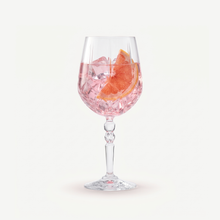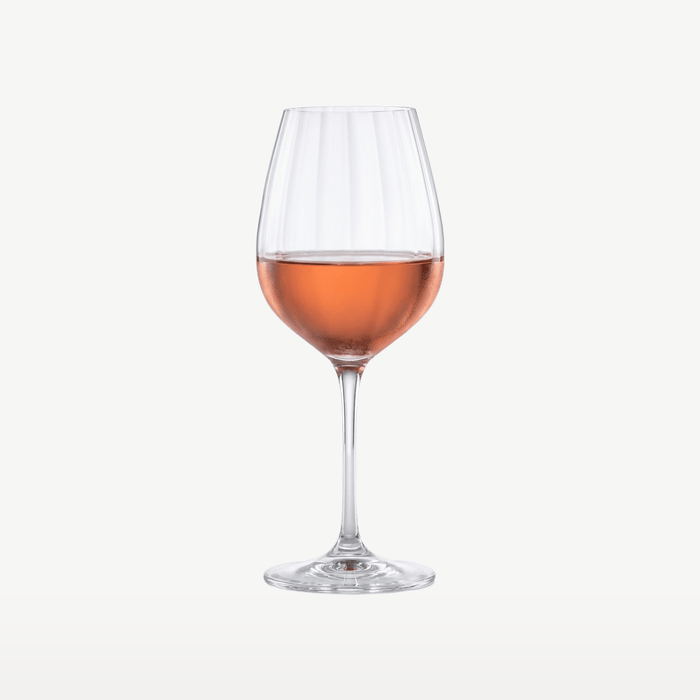
RCR Optiq Wine Glass 45 Cl - 6 Pieces
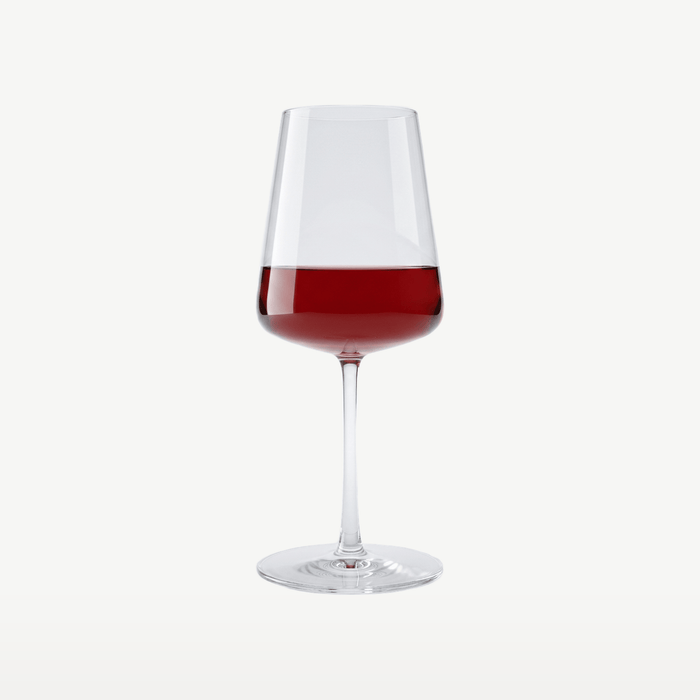
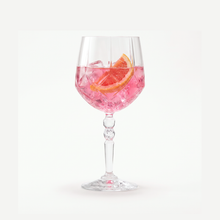
Stölzle Lausitz Power Wine Glass 40 Cl - 6 Pieces
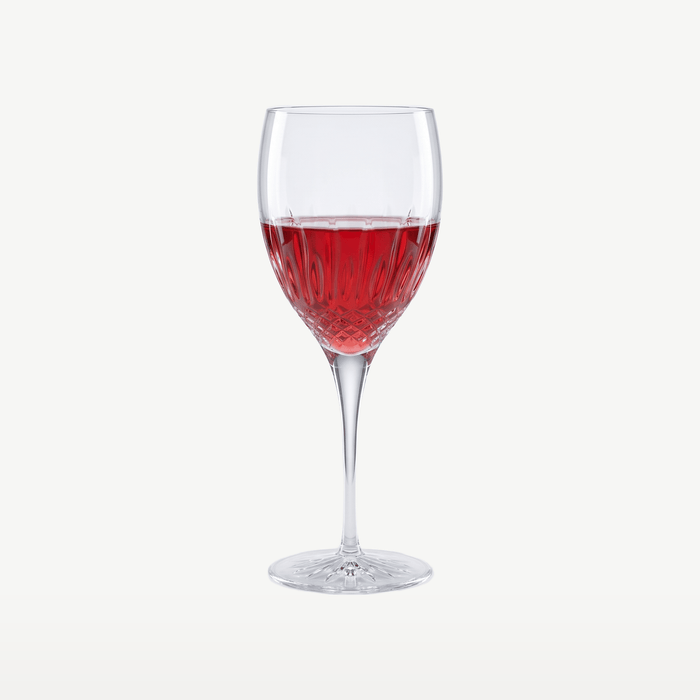
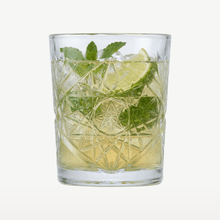
Luigi Bormioli Diamante Wine Glass 52 Cl Chianti - 4 Pieces
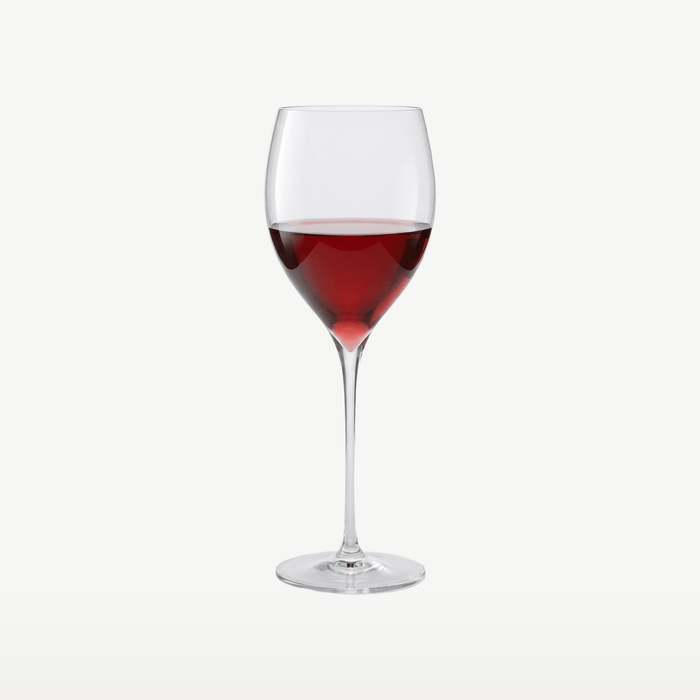
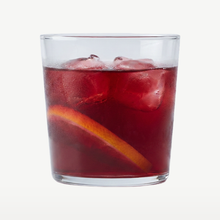
Luigi Bormioli Magnifico Medium Wine Glass 46 Cl - 4 Pieces

How to pour
an Amarone in
Amarone should be served at 16 to 18 degrees, which is cooler than a heated room. Put the bottle in the refrigerator about an hour before serving. If served too warm, the alcohol will dominate and the fruit will fade into the background.
Cut around the capsule below the raised ridge on the neck and wipe the rim clean. Center the corkscrew on the cork and twist it straight down. Older bottles often have more brittle corks, so pull slowly and straight up.
Decant the wine. A young Amarone opens up noticeably with air and reveals its fruit sooner; allow half an hour to an hour. With an older bottle, the main thing is to leave the sediment behind, so pour carefully and stop as soon as you see cloudiness.
Fill the glass to about a third full. This leaves room to swirl, which this wine needs: its aroma is full of dried fruit and spice, and only opens up when exposed to air. It’s better to pour a little at a time, more often.
What did you think of this explanation?
One click on a star is all it takes. If you’d like to add something, we’ll review it before it appears here.
Save this page
Send this page to your own email so you have the information handy when it's time to pour. You'll also get a €5 discount code for purchases over €50, to put toward the glasses that go with it.
The story
Amarone comes from Valpolicella, the hills north of Verona, and uses the same native grapes as the region's regular wine: primarily Corvina and Corvinone, with Rondinella as well. The difference lies in what happens after the harvest. The bunches don't go straight to the press, but spend months on drying racks or in shallow crates, in airy spaces where they slowly lose moisture. What's left is smaller, sweeter, and more concentrated. If all the grape sugars are then converted, the result is a dry, full-bodied wine called Amarone. If some sugar remains, the same wine is called Recioto.
The right glass
Amarone calls for a large glass. The wine is high in alcohol and full of aroma, and needs room to swirl without spilling over the rim. A bowl of 70 cl or more provides that surface area, while a tapered rim concentrates the aromas of dried fruit, spice, and chocolate instead of letting them dissipate. Browse our large wine glasses for sizes; if you're decanting the bottle first, you'll find a model with a wide base among our decanters.

Luigi Bormioli Talismano Bordeaux Wine Glass 70 cl (4 pieces)

RCR Aria Burgundy Wine Glass 72 cl (6 pieces)
Both sets together € 83,90.
The right tools
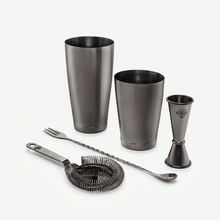
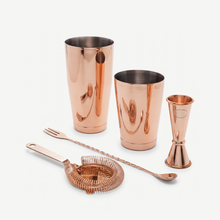
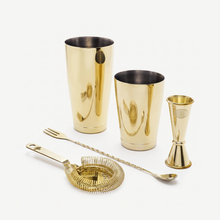
For an Amarone, besides a glass, you mainly need a corkscrew and a decanter, because this wine really opens up with air. Use the bar tools below as soon as you add a glass of red wine to a mix: a bar spoon for stirring and a jigger for measuring. These are the bar tools we use ourselves; you'll find everything in our bar tools & cocktail sets.


Glass set (our pick 01) + 2 bar tools together € 63,85.
What do you pour alongside it?
Amarone is a wine for the later part of the evening, so there’s usually more on the table: something lighter beforehand and something sweet afterward. These are the wines that go well alongside it, from a glass of champagne beforehand to a moscato with dessert. Each drink page tells you the alcohol percentage, what it tastes like, which cocktails it works in and what glass you need.


Variations & twists
Three neighbors share the same hills. Ripasso is regular Valpolicella that, after fermentation, goes over Amarone’s skins and lees once more, picking up color, tannins and flavor and becoming slightly fuller-bodied. Recioto is made from exactly the same dried grapes as Amarone, but fermentation is stopped before all the sugar has converted, leaving a sweet wine. And at the bottom is regular Valpolicella, light and juicy, with no drying and no second fermentation. Read more? Browse all drinks and brands.
Serving tip
Serve at 16 to 18 degrees and don’t keep the bottle next to the heater. Amarone isn’t a wine for a light lunch: it goes with stews, game, braised oxtail and dishes that take a long time to cook. It also works just as well after dinner, on its own with a piece of aged cheese, where its bitter finish contrasts with the saltiness.
Good to know
What appassimento is exactly
Appassimento is the drying of grapes before they are made into wine. The bunches are harvested and then laid out for months on racks or in shallow crates, in rooms where air can circulate around them. During that time, they lose a significant amount of moisture, leaving sugars, acids, pigments and flavor compounds more concentrated in smaller berries. The juice pressed from them is therefore thicker and sweeter than juice from fresh grapes.
Why Amarone is so full-bodied
Drying concentrates the sugar in the juice, and fermentation converts that sugar into alcohol. Since virtually all the sugar is converted in Amarone, the result is a dry wine with a high alcohol content: usually roughly 15 to 16 percent, sometimes a little more. That is higher than in almost any other dry red wine, and it is why even a small glass feels substantial.
The difference from Ripasso
Ripasso starts out as regular Valpolicella. After fermentation, the young wine is passed over the skins and lees left over from Amarone once more, which triggers a second fermentation. The wine picks up color, tannins, aroma, and flavor and becomes fuller than the base wine, but it does not match Amarone: the grapes themselves are never dried.
The difference from Recioto
Recioto della Valpolicella is made from exactly the same dried grapes as Amarone. The difference is in the fermentation: for Recioto, it is stopped before all the sugar has converted, so the wine retains some sweetness. Amarone is the dry version of the same idea, and its name says as much, since amaro is Italian for bitter.
Why the name means amaro
Amaro is the Italian word for bitter, and Amarone is its augmentative form. The name sets the wine apart from the sweet Recioto made from the same grapes. You can taste it in the finish: after the ripe, almost jammy fruit comes a dry, slightly bitter tail, and that is what keeps the wine in balance.
Frequently asked questions
What exactly is Amarone?
Amarone della Valpolicella is a dry red wine from Veneto, north of Verona, made from Corvina, Corvinone, and Rondinella. After harvest, the grapes are dried on racks or in small crates for months before being pressed. This concentrates the juice, and the wine reaches roughly 15 to 16 percent alcohol, with flavors of dried cherry, plum, fig, and chocolate.
What is the difference between Amarone and Ripasso?
For Amarone, the grapes themselves are dried first. Ripasso is regular Valpolicella that, after fermentation, is passed over Amarone skins and lees once more, picking up color, tannins, and flavor. This makes Ripasso fuller than the base wine, but lighter than Amarone.
Is Amarone sweet?
No, Amarone is dry. That’s precisely the point of the name: amaro means bitter, distinguishing the wine from Recioto, which is made from the same dried grapes but remains sweet because fermentation is stopped. The ripe fruit can taste sweet, but virtually no sugar remains in the wine.
What temperature should you serve Amarone at, and in what glass?
Serve at 16 to 18 degrees, in a large glass of 70 cl or more. So, cooler than room temperature: put the bottle in the fridge an hour before pouring. The large glass gives it room to breathe, which this wine needs to release its aroma.
Also delicious
Buy Amarone
Want the bottle delivered straight to your door? Order Amarone online at Gall & Gall. Gall & Gall has 11, including 2 on sale.
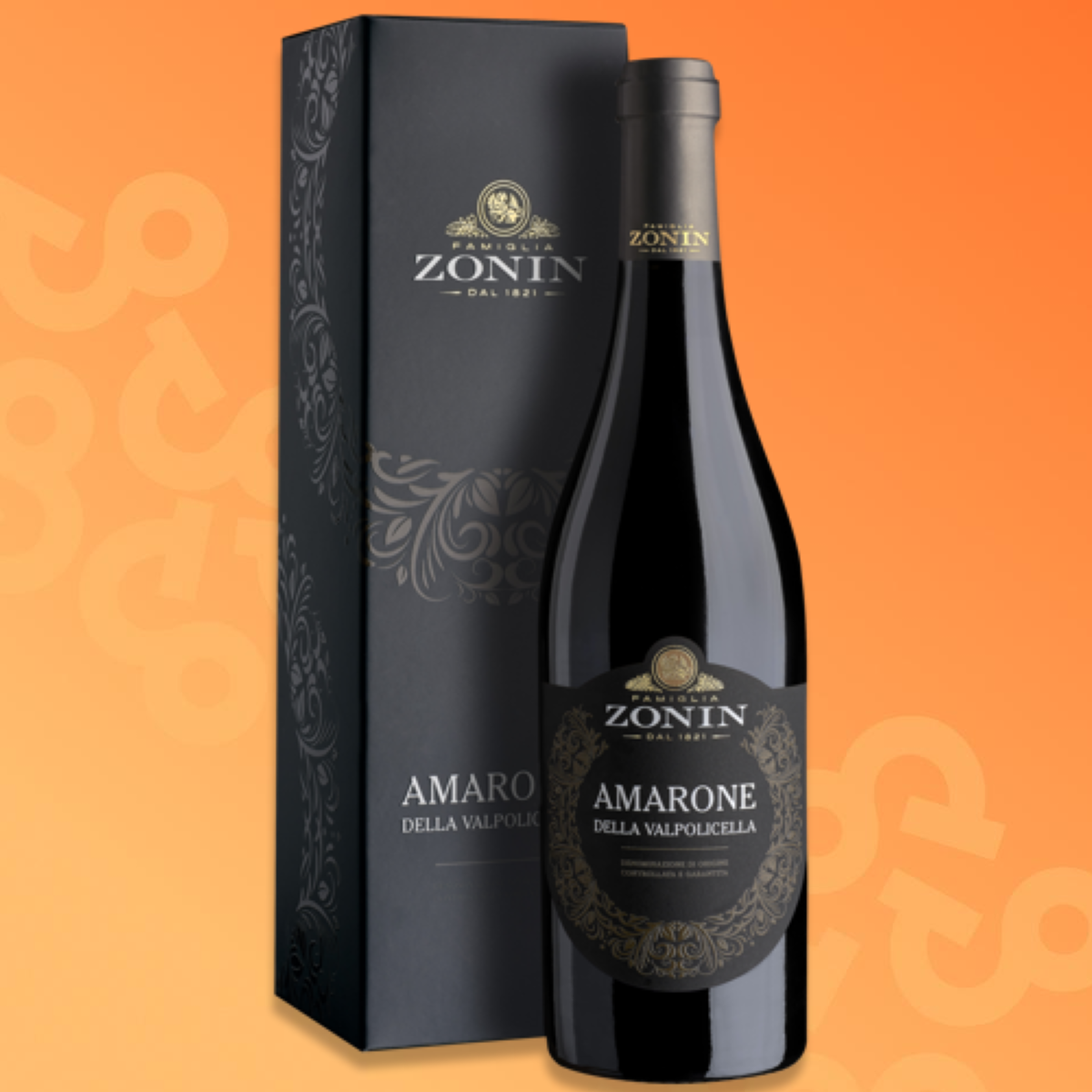
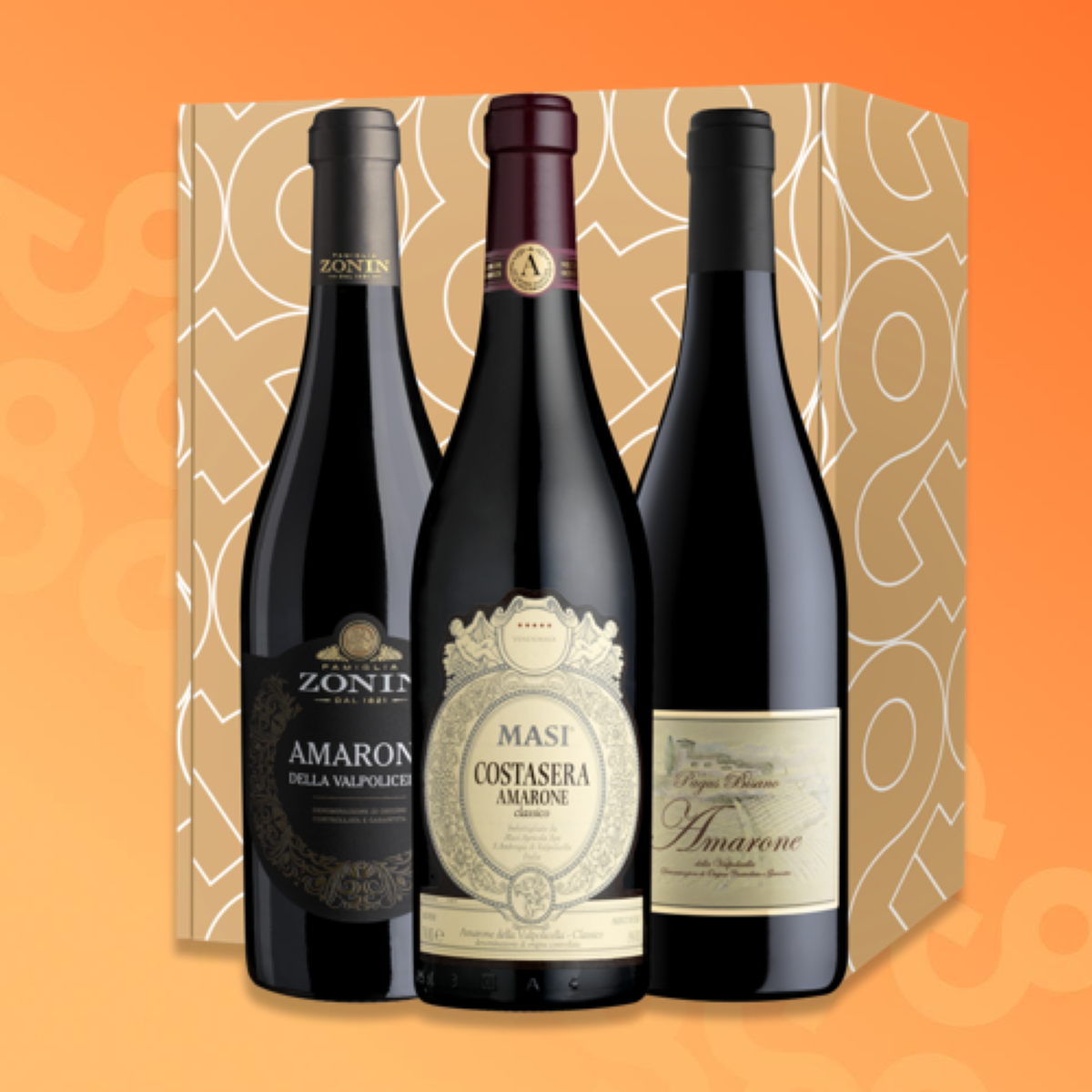
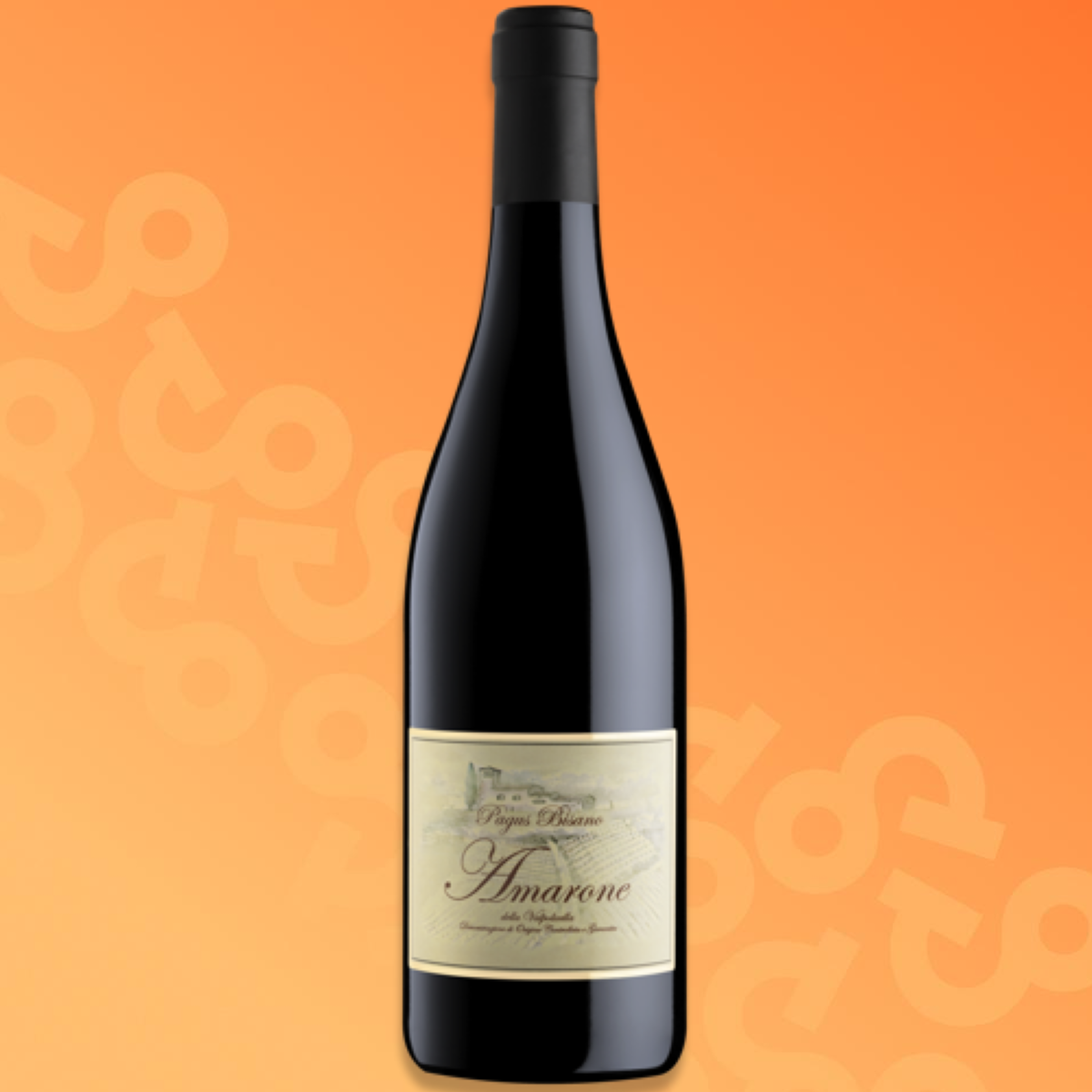
Pagus Bisano Amarone della Valpolicella
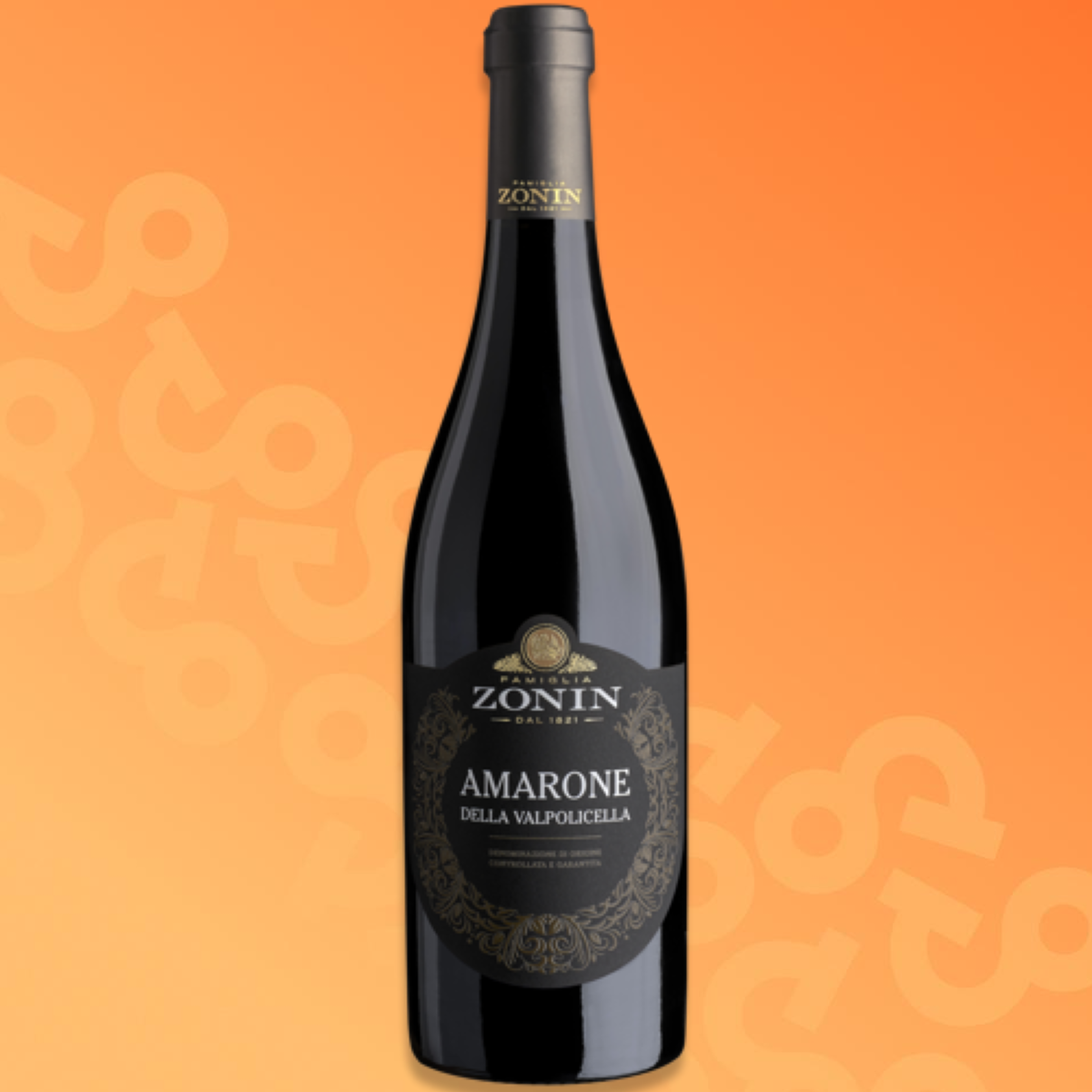
Zonin Amarone della Valpolicella
Prices as of November 18, 2026, as provided by Gall & Gall. You can see the current price and stock at Gall & Gall. Glazen.nl receives a small commission if you buy something through these links; it costs you nothing extra. No alcohol under 18.
Everything for your bar,
to one address
Hospitality-quality glasses, sold in sets. Order today, delivered quickly.
Shop the glasses →