





Nikka Coffey Grain
Nikka's sweet, fruity introduction. Distilled in an old-fashioned column still, packed with melon, grapefruit, and vanilla, making it the whisky that disappears into highballs in Japan and is often someone's first Japanese bottle here.


Grain whisky from a nineteenth-century still
Nikka Coffey Grain is a single grain whisky: not malted barley from a copper pot still, but grain, mainly corn, distilled in a Coffey still. This is a continuous column still, invented by Irish inventor Aeneas Coffey. Most distilleries switched to more modern columns long ago; Nikka still uses the old Coffey stills, and precisely because of that, the whisky retains more flavor and a soft, creamy texture.
While grain whisky elsewhere mainly disappears into blends as a filler, Nikka bottles it here as the star, at 45%. The result is sweet and fruity, with melon, grapefruit, and vanilla, and without the smoke or heaviness of a single malt. Masataka Taketsuru, who founded Nikka in 1934, learned the craft in Scotland; this bottle shows that Japan gave it its own twist too.
In brief
Sweet, fruity, and surprisingly smooth
Melon and vanilla
Ripe melon and vanilla take center stage, with a fresh touch of grapefruit. Sweeter and lighter than you would expect from a 45% whisky.
Creamy and fruity
Soft and creamy on the palate, with sweet fruit and vanilla. The column still gives it a round, almost smooth texture.
Fresh and sweet
A medium-length finish in which the grapefruit returns and the sweetness rounds things off nicely. No smoke, no bitterness.
Flavor profile of Nikka Coffey Grain neat. In a highball, it becomes lighter and the grapefruit comes through more.
Three ways to drink Coffey Grain
This is the Nikka for mixing. It is sweet enough to drink neat, but it truly comes into its own with sparkling water and ice.
The Coffey highball
40 ml Nikka Coffey Grain in a tall glass full of ice, topped with 120 ml of ice-cold sparkling water. Stir once from bottom to top and add a strip of grapefruit peel: it brings out the fruit in the whisky.
To the recipe →Neat with a drop of water
3 cl in a tulip-shaped tasting glass and a few drops of water. The vanilla and melon then emerge, and the 45% feels much softer.
Glass: tasting glass →In a Whisky Sour
50 ml Coffey Grain, 25 ml lemon juice, 15 ml sugar syrup, and optionally an egg white, shaken hard and served over ice in a tumbler. The sweet grain whisky makes it fruitier than bourbon.
Whisky Sour recipe →Refreshing cocktails with Coffey Grain
Coffey Grain works best in light, refreshing cocktails with citrus, bubbles, or mint, where its sweet fruitiness can shine.

Japanese Highball
Whisky with ice-cold sparkling water in a tall glass. With Coffey Grain, it is sweet and fruity.
Whisky Sour
Whisky, lemon, and sugar, optionally with egg white. The grapefruit and vanilla complement the sourness.
Mint Julep
Whisky, sugar, and fresh mint over crushed ice. The smooth grain makes it light and summery.
Whisky Cocktails
All whisky cocktails in one overview, from highball to sour.The right glass for Nikka Coffey Grain
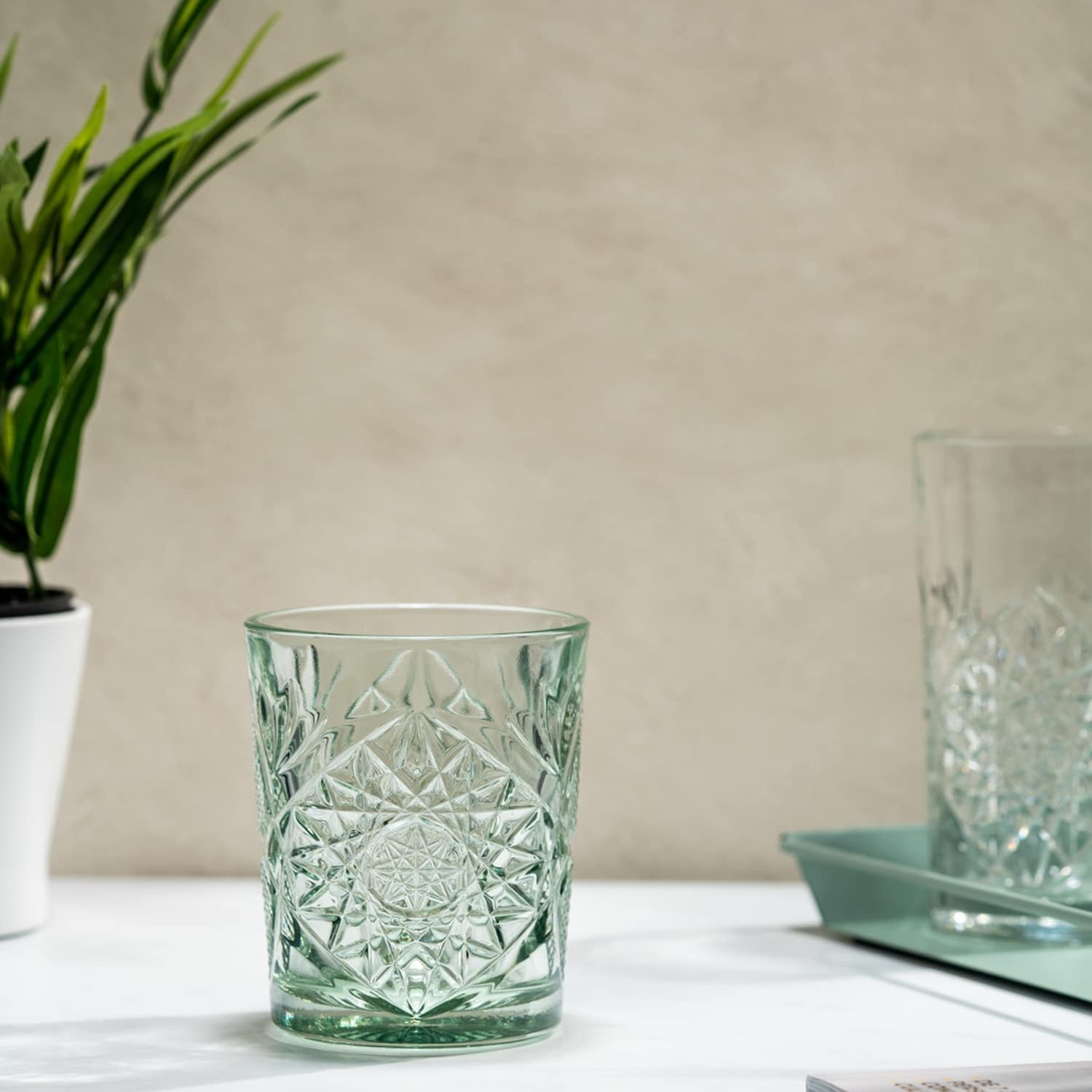
A tall, slim highball glass, a tulip glass for tasting neat, and a tumbler for a sour.


More Nikka flavors

Nikka
Where it began. On the brand page, discover everything about Nikka: its origins, varieties, and classic cocktails.
Go to Nikka →
Nikka Coffey Malt
Malted barley from a column still: rich and creamy, with raisin, caramel and cinnamon. Ideal after dinner.
View Nikka Coffey Malt →
Nikka Taketsuru Pure Malt
Malts from Yoichi and Miyagikyo, aged for an average of ten years. Smooth and fruity, with cherry and mint.
View Nikka Taketsuru Pure Malt →
Nikka Yoichi Single Malt
Full-bodied and robust from the coast of Hokkaido: peach and honey, with peat on the finish.
View Nikka Yoichi Single Malt →
Nikka Miyagikyo Single Malt
Smooth and fresh from the mountains near Sendai: tropical fruit, mango and chocolate, with sherry in the background.
View Nikka Miyagikyo Single Malt →Everything about Japanese whisky: the types, the best-known brands and the cocktails.
Questions about Nikka Coffey Grain
Can't find your question here? Read more on the page about Nikka or explore our cocktail recipes.
Everything about Nikka →