


Gavi
Gavi is a fresh, dry white wine from southern Piedmont, close to the border with Liguria. It is made only from the cortese grape and carries Italy's highest quality label, DOCG. Here you can read how gavi tastes, which bottles are available and what to eat with it.

Gavi and its neighbors
Gavi is one of Italy's best-known white wines. Four pages closely related to it.
Piedmont
The region at the foot of the Alps, famous for red wine, but with gavi as its best-known white.
About Piedmont →
Italian wine
An overview of Italian wine regions, grapes and quality labels such as DOC and DOCG.
About Italian wine →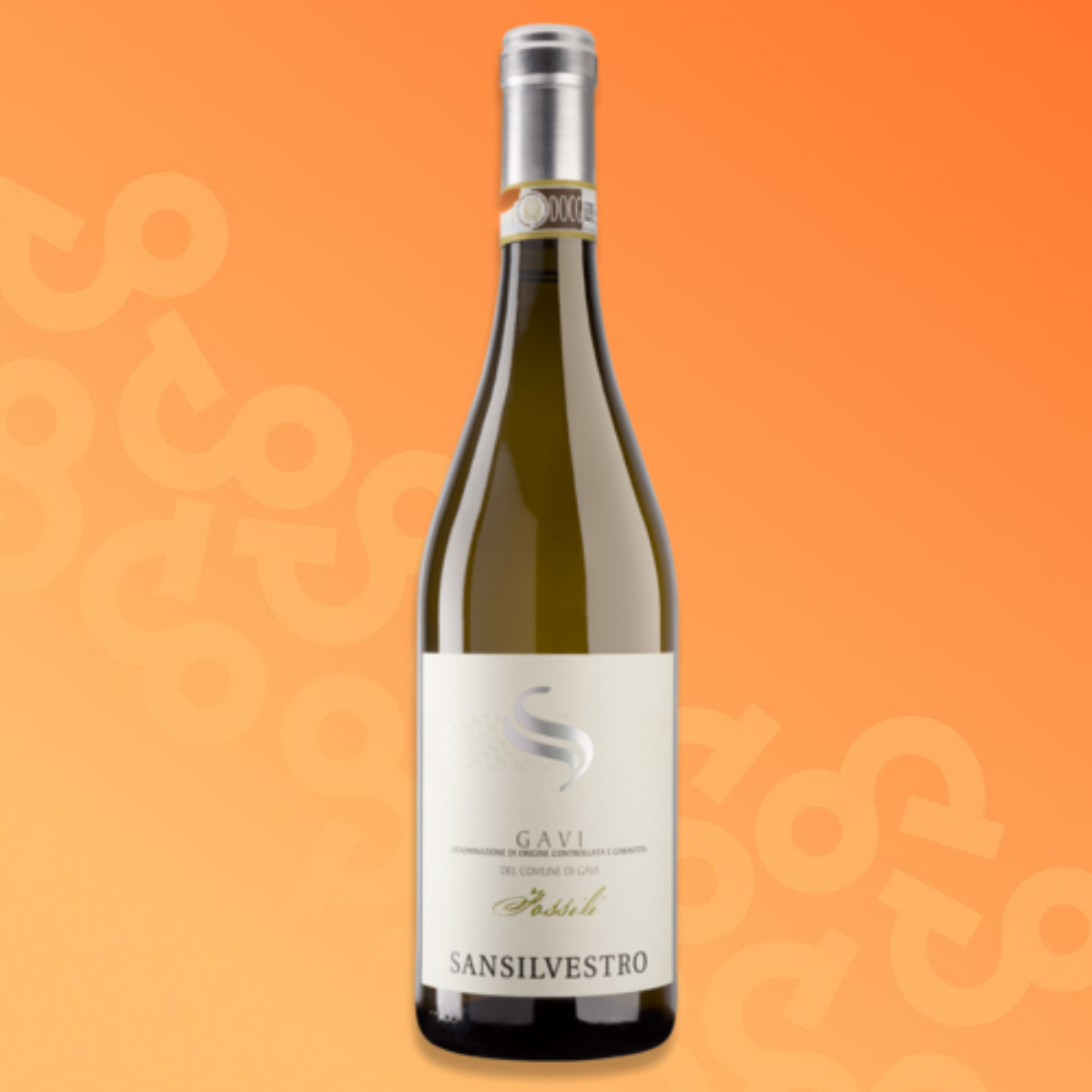
Dry white wine
Gavi belongs to the fresh, dry white wines. Here you can see which other grapes fit into that category.
About dry white wine →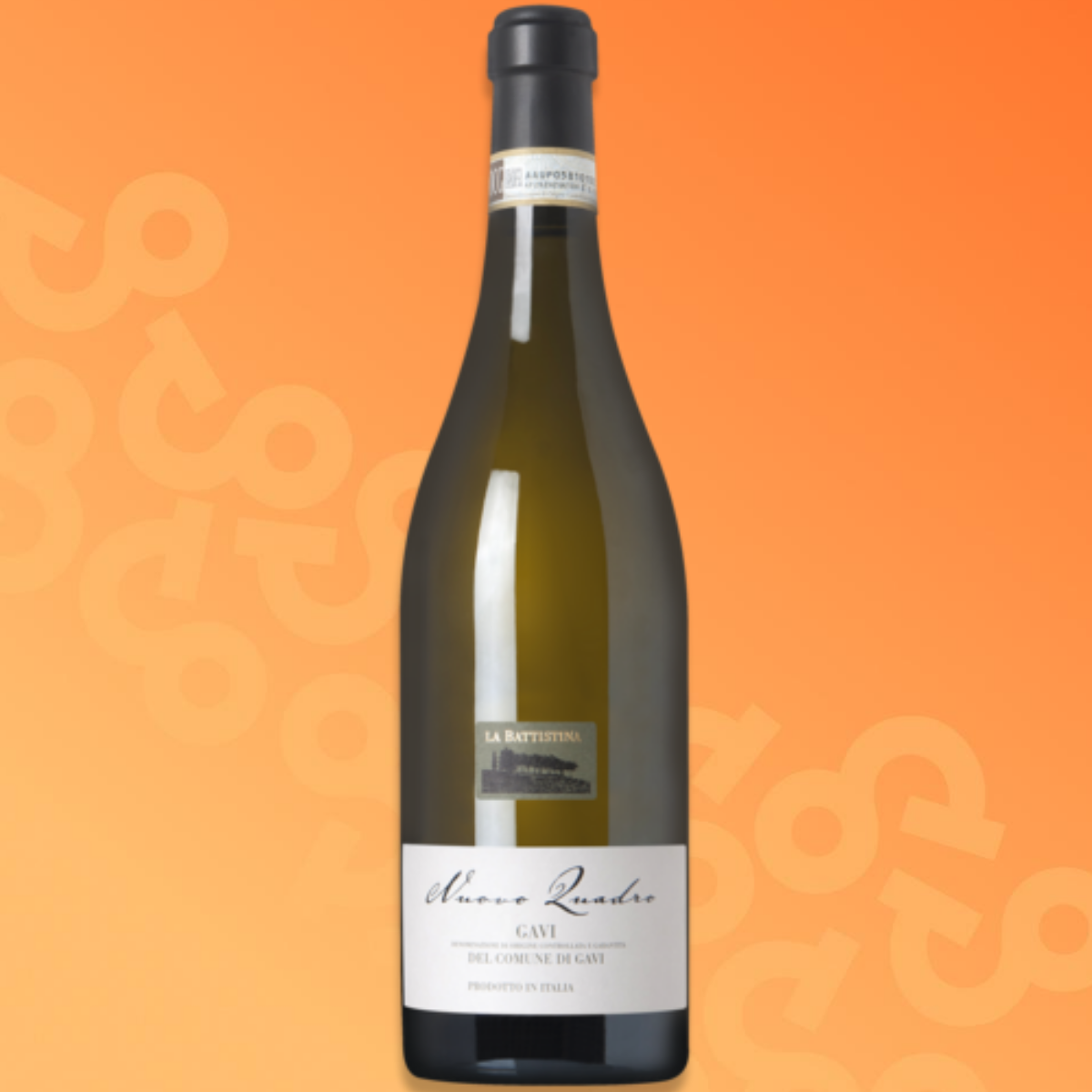
White wine
How white wine is made, which styles there are and at what temperature to serve it.
About white wine →One grape, one small area in southern Piedmont
Gavi is white wine from a small area around the town of Gavi, in the province of Alessandria. It lies in the far south of Piedmont, close to the border with Liguria. The wine is made exclusively from cortese, a white grape that has been grown here for a long time. That is why some labels also bear the name Cortese di Gavi. Since 1998, gavi has been a DOCG, the highest classification for Italian wine. The area comprises eleven municipalities.
If the grapes come from the municipality of Gavi itself, the label may say Gavi di Gavi or Gavi del Comune di Gavi. This says something about the origin, not necessarily the quality, but these are often the bottles with the most depth. Almost all gavi is still, dry wine. The soil varies from vineyard to vineyard: some are rich in limestone, others in clay or even fossils. According to the producers, this gives the wine a salty, mineral note. Gavi is usually best when young, within a few years of the harvest.
In brief
Five bottles of gavi
Gall & Gall has five gavis. They are all made from cortese, but the vineyard makes the difference: from light and fresh to mineral and refined.
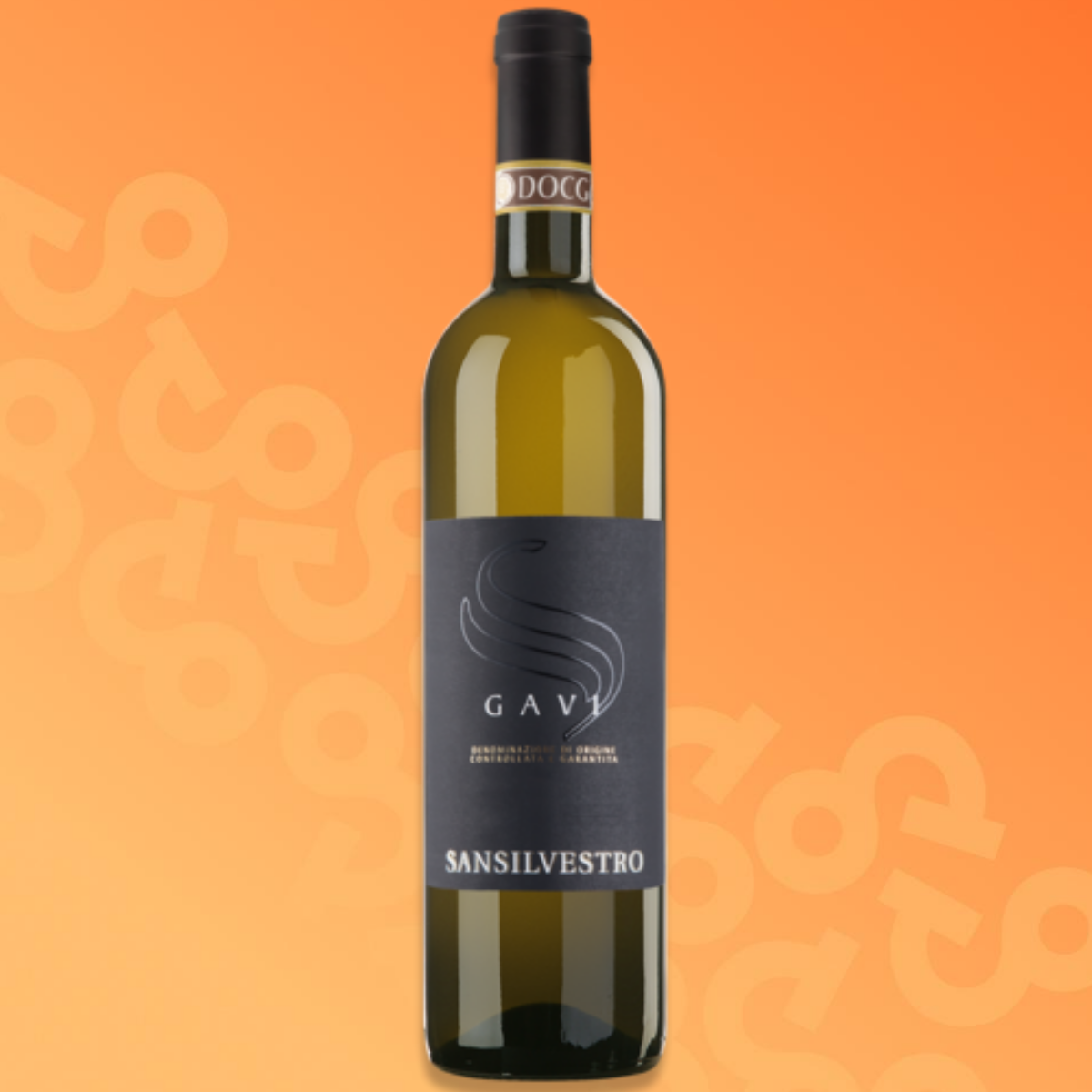
San Silvestro Gavi
Cortese from the vineyards around Gavi, close to the border with Liguria. Light and fresh, and easy to pair with many dishes.
Gavi La Battistina
A gavi with fruit and a spicy note. From a small area in the far south of Piedmont.
San Silvestro Gavi Fossili
The grapes come from a vineyard full of fossils. This is reflected in its saline minerality.
La Battistina Gavi Nuovo Quadro
One hundred percent cortese from a limestone-rich vineyard. Mineral, with lemon, ripe pear, and white peach.
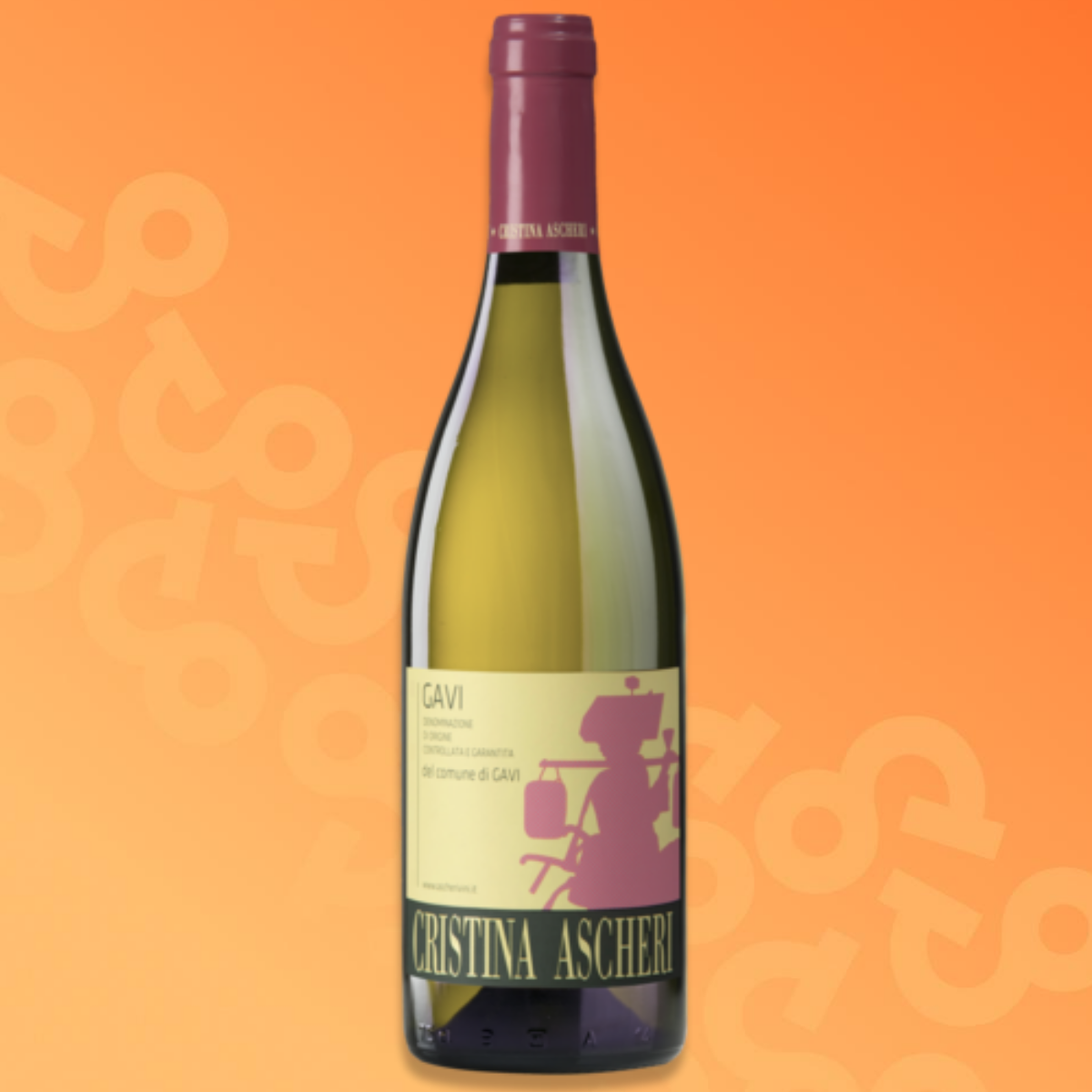
Ascheri Gavi del Comune di Gavi Cristina
Cortese from the heart of the region. White flowers, lemon, and toasted almond.
If you like gavi, also explore other fresh, dry white wines such as albariño, sauvignon blanc, and riesling trocken.
Lemon, white flowers, and a saline note
Citrus & flowers
Lemon, green apple, pear, and white flowers. Not exuberant, but rather delicate and restrained.
Fresh and dry
Tight and juicy, with lively acidity and a mineral, sometimes saline note. Gavi is light-bodied and usually sees no oak.
Almond
Gavi often finishes with a slight bitterness reminiscent of almond. Fresh and clean, making you want the next bite.
Flavor profile of an average gavi. A gavi from the municipality of Gavi itself often has a little more depth and power.
How to serve gavi
Cold, young, and preferably at the table. Gavi is a true food wine.
At 8 to 10 degrees
Take the bottle out of the fridge about fifteen minutes before serving. If it is too cold, you mainly taste acidity; at 8 to 10 degrees, the citrus and floral notes come through.
More about serving temperature →As an aperitif
A light gavi is a lovely alternative to a glass of sparkling wine at the start of the evening. Serve it with olives, grissini, or a few slices of ham.
Ideas for a drinks platter →Drink it young
Gavi is usually at its best in the first few years after the harvest, while it is still fresh and fruity. Store an opened bottle with the cork in the fridge and drink it within two to three days.
To the bottles →Gavi at the table
Gavi comes from the area between Piedmont and the Ligurian coast, and you can taste that in what it pairs with: fish, vegetables, and fresh herbs.
Fish and shellfish
Grilled fish, prawns, mussels, squid, and oysters. The fresh acidity works like a squeeze of lemon.
Pesto and focaccia
Pasta with pesto Genovese, focaccia, and grilled vegetables. A classic combination from the area.
Vitello tonnato
Veal with tuna sauce, risotto with asparagus, or a herb frittata.
Aperitif
Olives, grissini, soft goat cheese and a board with ham and sausage.
The right glass for Gavi
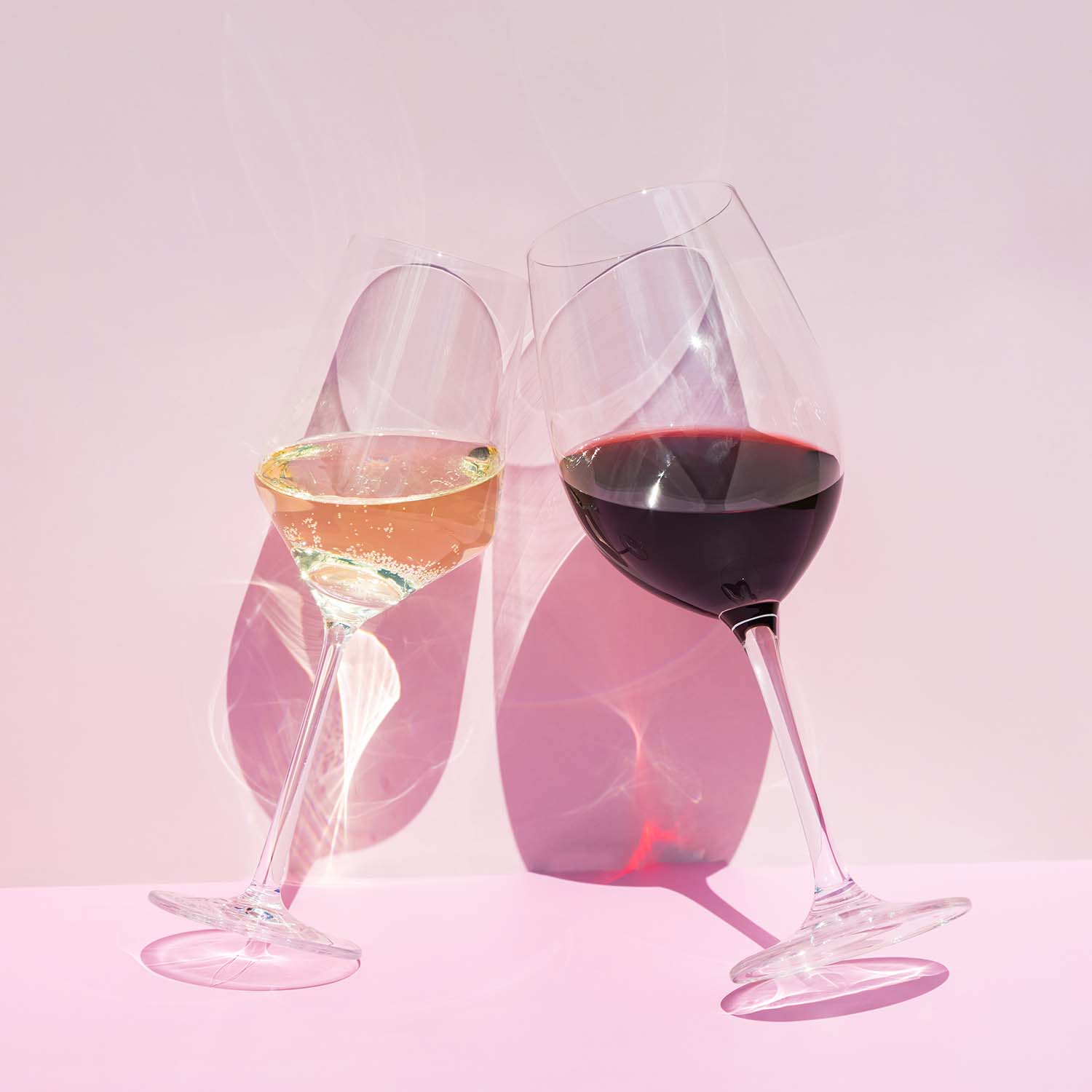
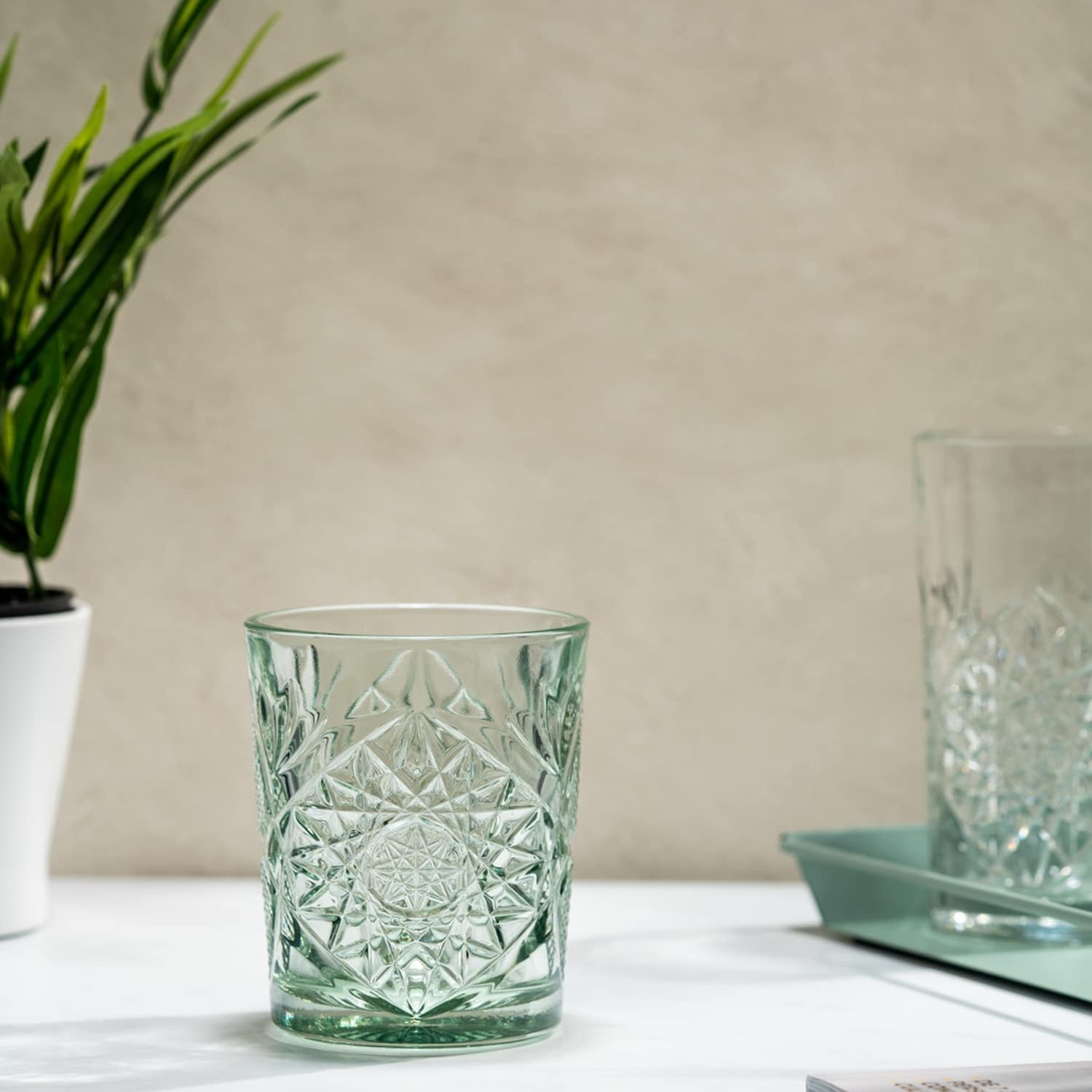
Serve Gavi in a white wine glass with a not-too-large bowl. This keeps the wine cool and preserves its delicate aroma. These are the glasses we recommend ourselves.


Everything else you wanted to know about Gavi
Can't find your question here? Read more about dry white wine or get in touch.
To dry white wine →What is Gavi wine?
Which grape is Gavi made from?
What is the difference between Gavi and Gavi di Gavi?
What does Gavi taste like?
How much alcohol does Gavi contain?
What do you eat with Gavi, and which glass should you serve it in?
Buy Gavi
Want the bottle at home right away? Order Gavi online from Gall & Gall. Gall & Gall has 5 in stock.
Prices as of October 9, 2026, as provided by Gall & Gall. You can find the current price and stock at Gall & Gall. Glazen.nl receives a small commission if you buy something through these links; you pay nothing extra. No under-18s, no alcohol.