



The Oolong tea recipe
for your table
Fill the glass and teapot with hot water, let them stand for half a minute, and pour the water away. Cold glass immediately lowers the water temperature, preventing the rolled leaves from opening properly. Dry the outside so you can hold the glass cleanly later.
Put six grams of rolled leaves in the teapot, about two level teaspoons, and pour over water at 85 to 95 degrees. For a light Taiwanese oolong, use 85 degrees; for a dark Chinese Wuyi, you can go up to 95 degrees. Boil the water, then let it stand for a few minutes.
Let the first infusion steep for one minute, then pour the teapot completely empty into the glass. Do not leave the leaves in the water, because the next infusion will continue to steep. During that minute, you will see the little pellets open up and unfold into whole leaves.
Pour four or five more times into the same cup. Let the second infusion steep for as long as the first, then extend each subsequent infusion by twenty to thirty seconds. The first infusions are floral and light, while the later ones are rounder and fuller; stop when no more flavor comes through.
What did you think of this recipe?
One tap on a star is enough. If you would like to add something, we will read it first before it appears here.
Save this recipe
Send the Oolong tea recipe to your own email so you have it at hand when you are ready to make it. You will also receive a € 5 discount code for purchases from € 50, for the glasses that go with it.
The story
Oolong mainly comes from China and Taiwan and is made by allowing the leaves to wither after picking, bruising them, and stopping oxidation halfway through. The extent of this process determines everything. A lightly oxidized Taiwanese oolong remains green and floral; a darker Wuyi from the mountains of Fujian is oxidized further and then roasted, giving it notes of toasted nuts and caramel. The entire family lies between these two extremes. Rolling the leaves is part of this process: it damages the cells and makes the leaves fully unfurl only in hot water.
The right glass
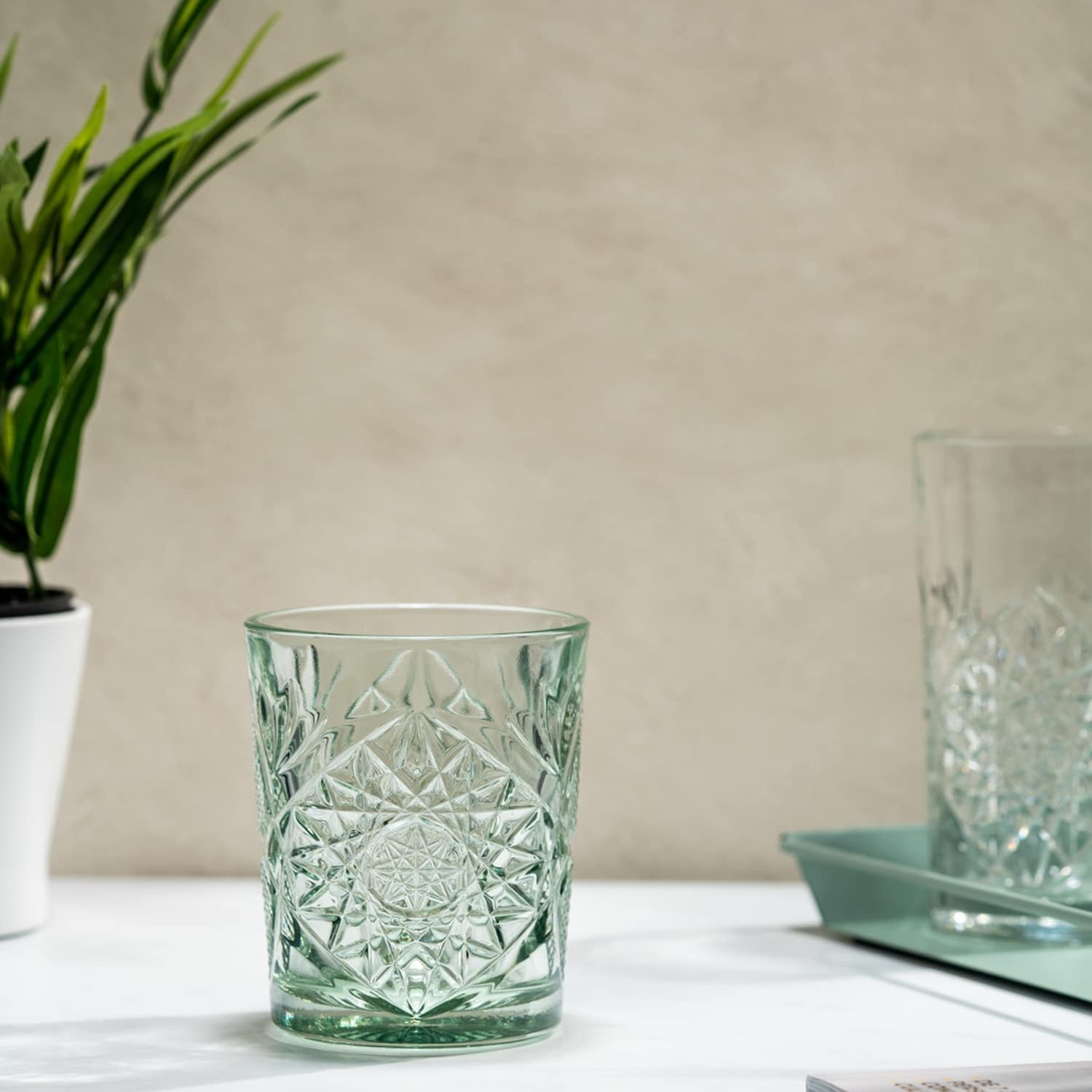
Serve oolong in a clear glass so you can see the leaves unfurl and the color of the infusion. A double-walled glass of around 22 centiliters is ideal: the double wall keeps the tea warm for longer while the outside stays cool enough to hold. If you use short infusions in the gongfu style, smaller 14-centiliter glasses are more convenient because you empty them in one pour. More double-walled models can be found in the double-walled glasses collection.

Luigi Bormioli Thermic Glass Tea Glass 22 cl (2 pieces)

RCR Etna Tea Glass 14 cl (6 pieces)
Both sets together € 52,90.
The right tools
For oolong tea, alongside the glass, use a long bar spoon to turn the leaves and stir in the honey, and a fine cocktail strainer to keep loose tea leaves out of the stream as you pour. These are the bar tools we use ourselves; you can find everything in our bar tools & cocktail sets.


Glass set (our choice 01) + 2 bar tools together € 47,85.
Which pourer suits oolong?
Oolong is excellent on its own, but a small splash can work well. Stick to a bottle that can stand up to roasted leaves, such as liqueur, whisky or rum. On each drink page, you’ll find the alcohol percentage, what it tastes like, which cocktails it works in and what glassware you need.


Variations & twists
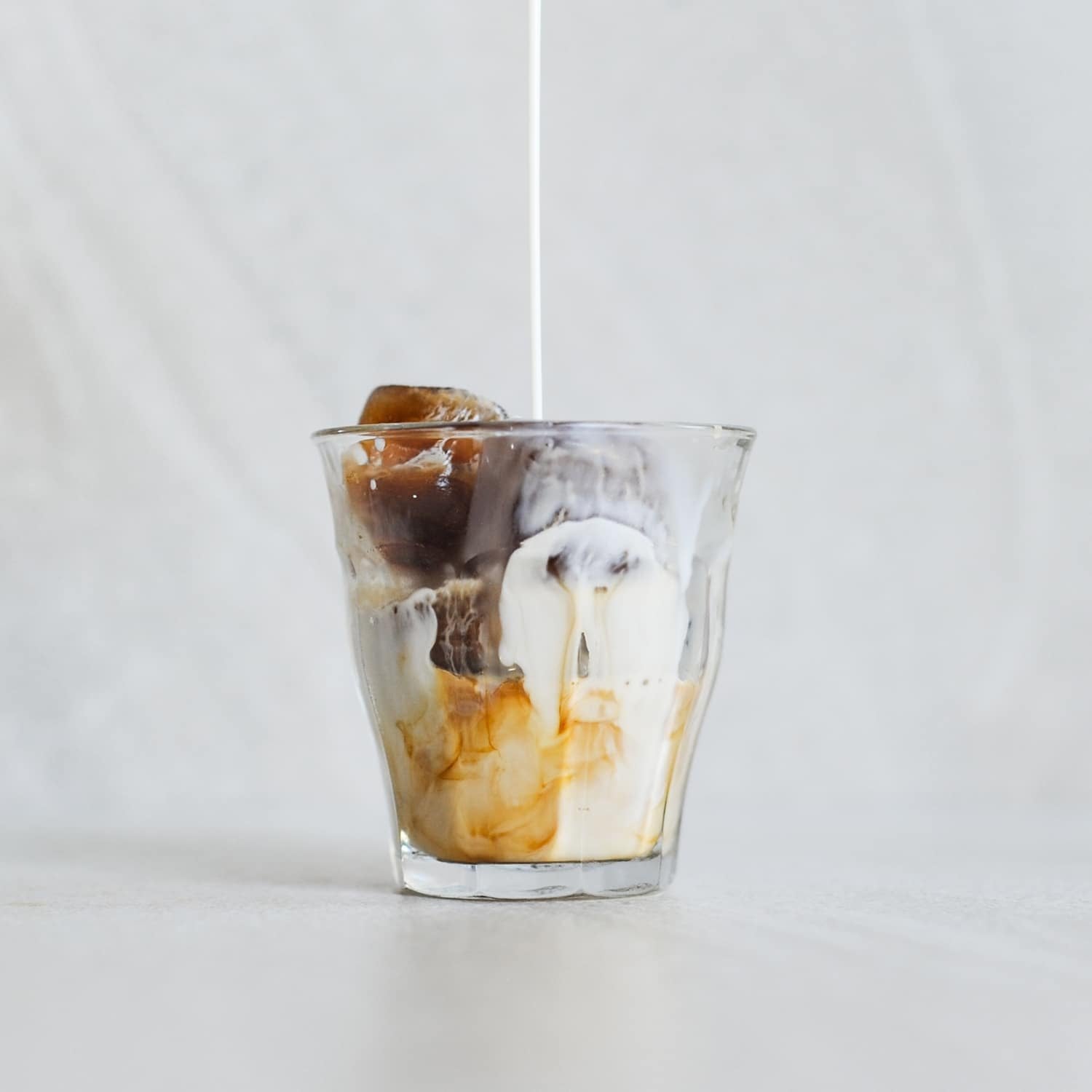
Cold brewing works too: six grams of leaves per half liter of cold water, leave it in the refrigerator overnight, and you’ll have a clear tea that comes close to iced tea. A dark, roasted Wuyi can handle a little cream, but with a light Taiwanese oolong, milk masks the floral character. A strip of orange peel works well in the glass, and honey pairs better with roasted varieties than with green ones. Looking for more inspiration? Browse more than 100 cocktail recipes.
Serving tip
Place the pot on the table and top up each cup with every infusion, so everyone can experience the difference between the first and fourth infusion. Serve something savory or lightly sweet alongside, such as nuts or dried fruit. Never leave the leaves sitting in water between infusions.
Good to know
Why oolong lies between green and black tea
After picking, the leaves are first left to wilt and bruised, after which oxidation is halted. With green tea, this happens almost immediately; with black tea, only once the leaves have fully darkened. Oolong lies in between, somewhere between ten and eighty percent oxidation, which is why its flavor profile ranges from floral and green to roasted and dark.
How often you can steep the same leaves
Five to six infusions is normal, and with well-rolled leaves you can sometimes get more. Steep the second infusion for as long as the first, then extend each subsequent infusion by twenty to thirty seconds. Empty the pot completely each time; leaves left sitting in water continue steeping and become bitter.
The temperature to use
85 to 95 degrees. Keep a light, green Taiwanese oolong low, around 85 degrees, otherwise its floral side disappears. A dark, roasted Wuyi can go up to 95 degrees, as it needs the heat to open up. Boil the water and then let it stand for two to four minutes to reach that range.
Taiwanese style versus Chinese Wuyi
Taiwanese oolongs are lightly oxidised, rolled into small balls and green in colour, with a floral, creamy character. Wuyi oolongs from Fujian are more heavily oxidised and then roasted, consist of long, dark strands and taste of roasted nuts and caramel. The same plant, processed differently.
Gongfu: lots of leaves and short infusions
With the gongfu method, you use much more leaf with less water, around five grams per decilitre, and decant after just twenty to forty seconds. This gives you ten or more short, strong infusions instead of five long ones. That calls for small glasses that you empty in a single pour.
Caffeine in oolong
Oolong contains caffeine, just like green and black tea. How much ends up in your glass depends on the amount of leaves, the water temperature and the steeping time. The first infusions extract the most, with progressively less in the later ones.
Frequently asked questions
What is oolong tea?
Oolong is tea made from the same plant as green and black tea, with oxidation stopped halfway through. This gives it a flavour somewhere between the two. The leaves are rolled, unfurl in hot water and can be brewed five to six times.
How hot should the water be for oolong?
Between 85 and 95 degrees. Keep a light, green Taiwanese oolong around 85 degrees; a dark, roasted Wuyi can go up to 95 degrees. Boil the water and let it stand for two to four minutes before pouring.
How often can you brew oolong again?
Five to six times with the same portion of leaves. Keep the second infusion going for just as long as the first, then extend it by twenty to thirty seconds each time. Always pour the pot completely empty; otherwise the leaves will continue to steep.
Which glass do you use for oolong?
A clear glass, so you can see the leaves unfurl. A double-walled glass of around 22 centilitres keeps the tea warm longer while remaining cool enough to hold on the outside. If you brew with short infusions, use small glasses of fourteen centilitres.
Also delicious
Everything for your bar,
at one address
Glasses in hospitality quality, delivered per set. Order today, receive them quickly.
Shop the glasses →